Better Car Comparison: Stop Guessing
Finding the right car can feel overwhelming. With hundreds of models, trim levels, and features, the process often leaves buyers second-guessing their choices. Relying on gut instinct, anecdotal advice, or slick marketing frequently results in regret, either from overspending, missing out on key features, or ending up with a car that doesn’t suit your needs.
The days of guessing are over. Today’s buyers can harness data, expert insights, and comparison tools to make informed, confident choices.
This guide will show you how to stop guessing and start making better car comparisons. We break down the essential criteria, reveal common pitfalls, and share actionable strategies for evaluating vehicles. Whether you’re a first-time buyer, trading up, or seeking the best value for your money, this article provides a clear, evidence-based roadmap, complete with tables, examples, and expert tips. Say goodbye to uncertainty and hello to smart, satisfying car buying.
Key Takeaways
- Data-driven comparisons prevent buyer’s remorse and maximize value.
- Assess vehicles using clear, prioritized criteria, beyond just price and looks.
- Leverage real-world examples and tables for side-by-side evaluations.
- Avoid common mistakes like ignoring total cost of ownership or resale value.
- Use expert resources and modern tools for objective car comparisons.
Understanding What Makes A Good Car Comparison
Comparing cars isn’t just about specs on paper. A thorough evaluation balances objective data with your unique needs and lifestyle. Here’s what distinguishes a superior car comparison:
Objective Vs. Subjective Factors
A strong comparison separates objective factors, like fuel efficiency, reliability ratings, safety scores, from subjective factors such as comfort, brand preference, or aesthetics. Objective measures are quantifiable and supported by third-party data, while subjective ones hinge on personal taste.
Prioritizing Your Needs
Every buyer has unique requirements. Families may prioritize cargo space and safety; commuters focus on fuel economy and reliability. Start by listing your top 5, 7 must-haves. Assign weights to each criterion based on importance.
Example criteria:
- Safety rating
- Fuel economy
- Purchase price
- Resale value
- Technology features
- Maintenance costs
- Driving experience
The Role Of Total Cost Of Ownership
Many buyers fixate on sticker price, neglecting the total cost of ownership (TCO). TCO includes fuel, insurance, maintenance, taxes, and depreciation. According to AAA, the average annual cost to own and operate a new vehicle in 2026 was over $10,000 (AAA). Factoring TCO leads to smarter long-term decisions.
Using Reliable Data Sources
Trustworthy data is essential. Consult:
- Government safety databases (NHTSA, IIHS)
- Consumer Reports and J.D. Power reliability ratings
- EPA fuel economy statistics
- Manufacturer websites for feature lists
Pro Tip: Always cross-reference information. A single source can have outdated or biased data.
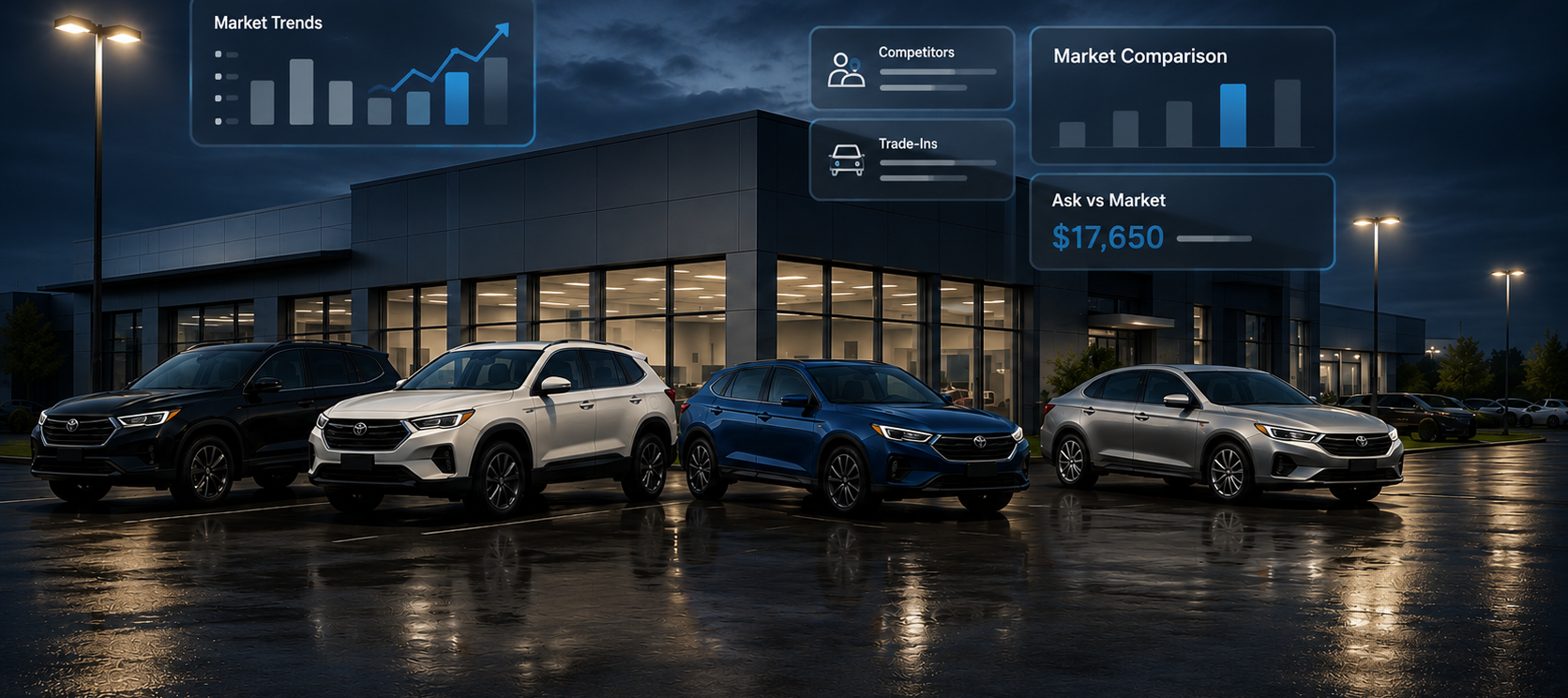
Credit: vinassessment.com
Step-by-step Car Comparison Process
A structured process helps you evaluate cars logically and systematically, reducing emotional bias and guesswork.
Step 1: Define Your Budget And Financing
Establish your maximum total budget, including down payment, monthly payment, taxes, insurance, and fees. Use online calculators to see how different loan terms affect monthly costs. Don’t forget to factor in maintenance reserves.
Step 2: Identify Your Primary Use Cases
Clarify how you’ll use the vehicle:
- Daily commuting
- Family road trips
- Hauling or towing
- Urban driving/parking
- Off-road or adventure
Each use case influences which cars make sense. For instance, a compact EV suits city dwellers, while a large SUV or truck is better for towing.
Step 3: Build A Shortlist
Narrow your options to 3, 5 models. Use filters on reputable sites like Edmunds, Kelley Blue Book, or Consumer Reports. Focus on vehicles that match your budget and needs.
Step 4: Gather Data For Each Vehicle
For each model, collect:
- MSRP and dealer incentives
- Fuel economy (city/highway/combined)
- Safety ratings (NHTSA, IIHS)
- Predicted reliability
- Warranty coverage
- Key features (infotainment, driver assists, cargo space)
Table Example: Comparing Three Midsize Sedans
| Model | MSRP | Fuel Economy (MPG) | NHTSA Safety Rating | Predicted Reliability | Warranty (yrs/miles) |
|---|---|---|---|---|---|
| Toyota Camry | $26,000 | 28/39/32 | 5 Stars | Above Average | 3/36,000 |
| Honda Accord | $27,000 | 30/38/33 | 5 Stars | Above Average | 3/36,000 |
| Hyundai Sonata | $25,500 | 28/38/32 | 5 Stars | Average | 5/60,000 |
Step 5: Evaluate Total Cost Of Ownership
Calculate 3, 5 years of ownership, including:
- Depreciation
- Insurance
- Fuel
- Maintenance
- Taxes and fees
This often reveals that a car with a higher sticker price may actually cost less long-term.
Step 6: Test Drive And Hands-on Assessment
No data can replace firsthand experience. During test drives, evaluate:
- Ride comfort
- Visibility
- Noise level
- Control layout
- Parking ease
Take notes and photos to compare later.
Pro Tip: Test drive on the types of roads you use most, highway, city, rough pavement.
Step 7: Score And Rank Your Choices
Create a weighted scoring system based on your priorities. Assign points for each criterion, multiply by importance, and total the results.
Example scoring table:
| Criterion | Weight | Car A Score | Car B Score | Car C Score |
|---|---|---|---|---|
| Safety | 30% | 9 | 8 | 7 |
| Fuel Economy | 20% | 8 | 7 | 9 |
| Tech Features | 20% | 7 | 9 | 6 |
| Resale Value | 15% | 8 | 7 | 7 |
| Comfort | 15% | 7 | 7 | 8 |
Credit: oxmaint.com
Criteria That Matter Most In Car Comparisons
What sets an effective car comparison apart? The answer: using the most relevant, impactful criteria. Here’s how to prioritize.
Safety Ratings And Features
Safety should be non-negotiable. Look for:
- NHTSA and IIHS crash-test ratings
- Active safety tech (automatic emergency braking, lane keeping, blind-spot monitoring)
- Airbags and structural integrity
According to the Insurance Institute for Highway Safety (IIHS), vehicles with advanced safety features can reduce accident risk by up to 50% (IIHS).
Fuel Economy And Environmental Impact
EPA ratings help compare gas, hybrid, and electric vehicles. Consider:
- Miles per gallon (MPG)
- Electric range (for EVs)
- Greenhouse gas score
For frequent commuters, small differences in MPG add up to significant yearly savings.
Reliability And Maintenance
A car’s dependability directly affects cost and peace of mind. Use:
- J.D. Power Dependability Ratings
- Consumer Reports reliability surveys
- Warranty length and coverage
Brands with strong reliability records typically cost less to own over time.
Resale Value
Depreciation is the single biggest cost in car ownership. Research:
- Kelley Blue Book or Edmunds 3, 5 year residual values
- Brands known for high resale (Toyota, Honda, Subaru)
High resale value means you’ll get more back when you sell or trade in.
Features And Technology
Modern cars offer varying levels of:
- Infotainment systems
- Smartphone integration (Apple CarPlay/Android Auto)
- Driver assistance
- Comfort/convenience options
Decide which features are must-haves versus nice-to-haves.
Ownership Costs
Calculate:
- Insurance premiums (quotes vary by model)
- Routine maintenance (oil changes, brakes, tires)
- Repair costs (out-of-warranty expenses)
- Registration and taxes
Pro Tip: Don’t ignore insurance, sports cars or luxury vehicles can cost dramatically more to insure.

Credit: www.towlantern.com
Real-world Examples: How Smart Comparisons Save Money And Stress
Seeing the process in action helps clarify its value. Here are three practical examples:
Example 1: Family Suv Shortlist
A family needs a midsize SUV for school runs and vacations. Priorities: safety, space, reliability.
Shortlist: Toyota Highlander, Honda Pilot, Ford Explorer.
| Model | 3-Row Seating | Safety Rating | Reliability | Resale Value |
|---|---|---|---|---|
| Highlander | Yes | 5 Stars | Above Avg | High |
| Pilot | Yes | 5 Stars | Above Avg | High |
| Explorer | Yes | 5 Stars | Average | Moderate |
Result: The Highlander and Pilot score highest on reliability and resale, helping the family avoid costly repairs and maximize long-term value.
Example 2: First Car For A College Student
Priorities: affordability, fuel economy, safety.
Shortlist: Honda Civic, Hyundai Elantra, Mazda3.
- Civic: Best resale value, high fuel efficiency, top safety scores.
- Elantra: Lower MSRP, long warranty, similar safety ratings.
- Mazda3: Sportier drive, slightly lower resale.
When factoring in TCO, the Civic’s higher resale value offsets its higher purchase price, making it the smarter long-term choice.
Example 3: Comparing Evs For City Commuting
Priorities: electric range, price, charging options.
Shortlist: Nissan Leaf, Chevrolet Bolt, Tesla Model 3.
- Leaf: Lowest price, but shortest range.
- Bolt: Best balance of price and range.
- Model 3: Highest range, advanced tech, higher cost.
A weighted scoring system highlights the Bolt as the optimal mix of value, range, and features for city drivers.
Common Mistakes To Avoid When Comparing Cars
Many buyers fall into the same traps when evaluating vehicles. Avoid these pitfalls to ensure a better car comparison.
Focusing Only On Sticker Price
Lowest purchase price rarely equals best value. Consider TCO, features, and resale.
Overlooking Resale Value
Depreciation can cost thousands. Research which models retain value over time.
Ignoring Insurance And Maintenance Costs
Luxury or performance cars often have much higher ongoing costs. Get quotes before deciding.
Relying On Anecdotes Or Brand Loyalty
Personal stories can be misleading. Trust objective data and professional reviews.
Skipping The Test Drive
Online research is vital, but nothing replaces real-world experience. Always test drive your finalists.
Neglecting Future Needs
Consider potential life changes, family growth, job relocation, when choosing size, features, and fuel type.
Tools And Resources For Data-driven Car Comparisons
Leveraging the right tools streamlines the comparison process and increases confidence.
Online Comparison Tools
- Edmunds Compare Cars: Side-by-side feature, price, and spec comparisons.
- Kelley Blue Book Car Comparison: Includes expert ratings, TCO, and user reviews.
- Consumer Reports Car Ratings: Comprehensive reliability, safety, and owner satisfaction data.
Mobile Apps
Several apps let you scan VINs, compare prices, and check reviews on the go:
- Carfax
- TrueCar
- Cars.com
Government Databases
- NHTSA: Safety ratings, recalls.
- EPA Fuel Economy: Compare MPG, emissions.
Manufacturer Websites
Use official sources for the latest specs, options, and incentives.
In-person Tools
During test drives, bring:
- Checklist of must-have features
- Smartphone for photos/notes
- Measuring tape for cargo checks
Pro Tip: Ask dealerships for a printout of all available trims and options, don’t rely on memory.
Case Studies: How Real Buyers Found The Best Car
Learning from real-world experiences adds depth to your car comparison approach.
Case Study 1: The Family Upgrade
When a family outgrew their compact sedan, they used a weighted scoring system to compare SUVs. They prioritized safety (30%), cargo space (25%), reliability (20%), fuel economy (15%), and cost (10%). After test driving three finalists, their scores confirmed their initial hunch: the Toyota RAV4 outperformed competitors, aligning with both their needs and budget.
Case Study 2: The Commuter’s Dilemma
A daily commuter faced a choice between a new hybrid and a used gasoline vehicle. By calculating TCO, including fuel, insurance, depreciation, and maintenance, they found the hybrid’s higher upfront cost was offset by fuel savings and lower depreciation. After a test drive confirmed comfort and quietness, the hybrid became the clear winner.
Case Study 3: The Tech Enthusiast’s Choice
An early adopter wanted the latest driver assistance features. Using Consumer Reports and IIHS advanced safety lists, they compared available options and found the Hyundai Sonata offered the most tech for the price, with strong safety ratings to match.
In my experience, using a simple spreadsheet to assign scores and weights makes the final selection crystal clear, removing emotion from the equation.
How To Interpret And Use Comparison Tables
Tables simplify complex decisions by presenting information side-by-side. Here’s how to make the most of them.
Step 1: Identify Your Top Priorities
Highlight the most important columns for your needs, such as safety, fuel economy, or price.
Step 2: Look For Clear Winners
Notice which model consistently leads in multiple key areas. A car with strong scores across your top three criteria is often the best choice.
Step 3: Factor In Subjective Impressions
Tables don’t capture every nuance, like seat comfort or driving feel. Use test drives to supplement what the data shows.
Step 4: Consider Trade-offs
No car is perfect. Use tables to visualize where you’re willing to compromise, perhaps accepting slightly lower fuel economy for better tech features.
Step 5: Update With The Latest Data
Car models change each year. Always verify specs and ratings with the most current information before making a final decision.
Frequently Asked Questions
What’s The Most Important Factor When Comparing Cars?
The most important factor depends on your personal needs. For most buyers, safety, reliability, and total cost of ownership are top priorities. However, if you have a long commute, fuel economy might take precedence, while families may prioritize space and safety features. Always start by listing your unique must-haves and weighting them accordingly.
How Do I Compare Hybrid, Electric, And Gasoline Cars Fairly?
To compare hybrid, electric, and gasoline cars on equal footing, calculate the total cost of ownership for each, factoring in fuel/charging costs, tax incentives, maintenance, and resale value. Pay close attention to your driving patterns: EVs are ideal for city driving with access to charging, while hybrids suit mixed-use. Use official EPA ratings for energy efficiency and range as benchmarks.
Should I Consider Certified Pre-owned Vehicles In My Comparison?
Certified pre-owned (CPO) vehicles are often a smart alternative to new cars. They offer substantial savings, undergo rigorous inspections, and come with extended warranties. When comparing CPO to new, weigh the lower price and slower depreciation against the latest tech and full warranties of new models. Be sure to check the specific certification process for each brand.
How Can I Check For Hidden Costs Before Buying?
To avoid hidden costs, research insurance premiums, check for common maintenance issues, and ask about dealership fees. Use online calculators to estimate taxes and registration. For used cars, obtain a vehicle history report to uncover past accidents or title issues. Consulting owner forums and consumer websites can reveal common surprises for specific models.
Are There Tools To Help Me Track My Car Comparisons?
Yes, many tools and apps make tracking car comparisons easier. Spreadsheet templates allow you to input scores and weights for each vehicle. Websites like Edmunds and Kelley Blue Book offer comparison grids you can print or save. Mobile apps such as Cars.com let you save searches, compare specs, and even scan VINs for instant info at dealerships.
When you approach car shopping with a structured, data-driven strategy, you shift from guessing to knowing. By prioritizing what matters most, using objective data, and supplementing with real-world experience, you’ll find the car that truly fits your life, and enjoy the confidence that comes from making a well-informed decision.