Cheapest Car Rental Comparison: Top Deals Ranked
Finding a car rental that doesn’t break the bank can feel like a puzzle. You want a good car, but the prices can be surprising. It’s totally normal to feel a bit overwhelmed when you see all the options and fees.
We’ve all been there, comparing endless search results, wondering if there’s a secret trick to getting a fair price. Let’s uncover how to rent smart and save money.
Finding the cheapest car rentals involves comparing major companies, booking in advance, and knowing smart savings tricks. Look for deals on smaller vehicle types, check alternative locations, and use discount codes for the best prices.
What Makes Car Rentals Cost Different Prices?
Several things make car rental prices change a lot. Think about when you book. Booking early usually means lower prices.
Last-minute rentals often cost more. Where you pick up the car matters too. Airport locations tend to be pricier than downtown spots.
This is because airports have higher fees for the rental companies.
The type of car you pick is a big factor. A small, basic car will always cost less than a big SUV or a fancy sports car. The time of year also plays a role.
If it’s a busy holiday season or a major event in town, prices will climb. Rental companies also add on various fees and taxes. These can include taxes, airport surcharges, and extra charges for things like young drivers or additional drivers.
Finally, the rental company itself has different pricing strategies. Some focus on being the cheapest, while others offer more premium services at a higher cost. Knowing these points helps you understand why one rental seems so much cheaper than another.

My Rental Car Price Scare
I remember planning a road trip to visit my family out west a few years back. I needed a car for about a week. I waited until about two weeks before I left to book.
Big mistake! I thought I’d find a good deal. Instead, the prices I saw were way higher than I expected.
I started clicking through a few rental company sites. One car that looked like a standard sedan was over $80 a day. That felt insane to me.
I started to panic a little. My budget was tight. I was worried I’d have to spend way too much on this car.
I’d never seen prices jump so high so fast. I spent hours clicking and comparing. I started looking at smaller cars and even considered picking up the car from a rental lot farther from the airport.
It was a stressful few hours, and I learned a hard lesson about planning ahead.
Quick Car Rental Savings Checklist
- Book Early: Aim for weeks or months ahead.
- Compare Companies: Use comparison sites and direct company sites.
- Vehicle Size: Pick the smallest car that fits your needs.
- Pick-up Location: Consider off-airport sites.
- Check for Discounts: Look for AAA, military, or loyalty programs.
- Avoid Extras: Skip unnecessary insurance or GPS if you have your own.
Comparing Top Rental Companies
When you look for cheap car rentals, certain names pop up often. These are the big players in the rental car world. They have locations everywhere.
Understanding their general pricing and what they offer can guide your search. Remember, their prices change daily.
Alamo Rent A Car
Alamo often tries to be a budget-friendly option. They are known for their “self-service kiosks” at some locations. This can help speed things up.
They frequently have decent base rates, especially for standard car classes. They are a good starting point for basic transportation needs.
Avis Car Rental
Avis is seen as a mid-range to slightly premium brand. They often have newer cars and can offer a good experience. While not always the absolute cheapest, they sometimes have good deals, especially if you find a special promotion or are part of a loyalty program.
They are usually reliable.
Budget Car Rental
As the name suggests, Budget aims for lower prices. They often compete directly with companies like Alamo and Thrifty. Their fleet might be a bit older than Avis or Hertz, but their prices can be very attractive for everyday rentals.
They are a solid choice for saving money.
Dollar Rent A Car
Dollar is another brand focused on competitive pricing. They are often found at airports and offer basic rental services. Like other budget brands, you might find their prices very appealing, especially for shorter rental periods.
It’s worth checking their offers.
Enterprise Rent-A-Car
Enterprise is one of the largest rental companies. They have a huge network. While they have many airport locations, they are also very strong in neighborhood locations.
Their prices can vary widely. Sometimes they are very competitive, especially for longer rentals or if you need a replacement vehicle. They have a good reputation for service.
Hertz Car Rental
Hertz is generally considered a more premium rental brand. They often have a newer fleet and better service. Because of this, they might not always be the cheapest option.
However, they do run sales and promotions. If you are part of their loyalty program, you might get good rates or upgrades.
National Car Rental
National tends to position itself between Avis and Hertz. They often focus on business travelers and offer services like their “Emerald Club” for faster pick-ups. Their prices can be moderate.
They might not be the rock-bottom cheapest, but they offer value for convenience.
Sixt Rent a Car
Sixt is a European company with a growing presence in the US. They often have a more stylish and premium fleet. Their pricing can be very competitive, especially for higher-end vehicles or in certain markets.
They are worth looking at for a different selection.
Thrifty Car Rental
Thrifty is a sister company to Dollar, under the same parent company. They also focus on offering lower prices. Like Dollar, they are often at airports and can provide very good deals for basic rental needs.
Comparing Thrifty and Dollar can sometimes yield better results.
Off-Airport vs. Airport Pick-Up
Airport Pick-Up:
- Convenient if flying in.
- Often higher prices due to airport fees.
- Wider selection of cars sometimes.
Off-Airport Pick-Up:
- Usually cheaper.
- Requires transport to the rental location.
- May have fewer cars available.
How to Find the Absolute Cheapest Deals
Finding the cheapest car rental takes a bit of digging. It’s not just about picking the first result you see. Think of it like finding a sale at your favorite store.
You have to look around.
Use Comparison Websites
Websites like Kayak, Expedia, Priceline, and RentalCars.com are your best friends here. They search many rental companies at once. This saves you time.
You can see prices side-by-side. Don’t just book the first one you see, though. Always check the rental company’s own website too.
Sometimes they have even better deals directly.
Book Way in Advance
This is probably the single most important tip. Rental car companies price their cars based on demand and how full their lots are. As a car gets closer to the rental date, demand goes up, and so do prices.
If you can book months ahead, especially for busy travel times, you’ll lock in a much lower rate. I once booked a car for Thanksgiving travel in July and saved nearly $100 compared to booking in October.
Be Flexible with Dates and Times
If you can shift your travel dates by even a day or two, you might find a big price difference. Weekends are often more expensive than weekdays. If your trip allows it, check prices for different start and end days.
Sometimes picking up a car on a Tuesday instead of a Friday can save a lot.
Choose the Smallest Car Available
Do you really need that big SUV? Most of the time, a compact or economy car is perfectly fine for one or two people. These smaller cars cost much less to rent and also use less gas.
If your luggage fits, go small. You can always check if a slightly larger car is only a few dollars more, but start with the smallest option.
Look for Discount Codes and Coupons
Many companies offer discounts. AAA members, AARP members, military personnel, and frequent flyer programs often have special rates. Check coupon sites like RetailMeNot or Honey.
Sometimes you can find codes that take a percentage off the total or a fixed dollar amount. Also, check with your credit card provider; some offer rental discounts or insurance benefits.
Myth vs. Reality: Rental Car Pricing
Myth: The price you see first is the final price.
Reality: Many fees and taxes are added at the end. Always review the full breakdown.
Myth: Airport locations are always the most convenient, so they’re worth the extra cost.
Reality: While convenient, off-airport locations can save you significant money. The “extra cost” can sometimes be double the price.
Myth: You must accept the rental company’s insurance.
Reality: Your personal car insurance or credit card may already cover rental cars. Always check your coverage first.
Consider Off-Airport Locations
As mentioned, airport locations often have surcharges. If you’re not flying in, or if you don’t mind taking a taxi or rideshare to a rental office in town, you can often save a good amount of money. Many major rental companies have branches just a few miles from the airport that are much cheaper.
Skip Unnecessary Extras
Rental companies make a lot of money on add-ons. GPS units, satellite radio, extra insurance (like Loss Damage Waiver or personal accident insurance), and pre-paid fuel options are often overpriced. If you have a smartphone with GPS, use that.
Your own car insurance or credit card might cover damage, saving you hundreds. If you plan to fill the tank anyway, returning it full is usually cheapest.
Join Loyalty Programs
If you rent cars often, signing up for a rental company’s loyalty program is a no-brainer. Most are free to join. You can earn points towards free rentals, get faster check-ins, and sometimes receive special member discounts.
Even if you only rent once or twice a year, these programs can offer small perks that add up.
Check for Package Deals
Sometimes booking your flight, hotel, and car together as a package can result in savings. Travel agencies and sites like Expedia or AAA often offer these bundles. It’s not always the cheapest option, but it’s worth checking to see if it fits your needs and budget.
Negotiate (Sometimes)
While not always possible, especially with online bookings, if you are at the counter and feel the price is too high or you need an upgrade for a small fee, it doesn’t hurt to politely ask. Mentioning you’re a loyal customer or that you saw a better price elsewhere might get you a better deal. This is more likely to work during off-peak times.
Quick Scan: Car Rental Savings Tips
| Tip | Impact | Effort |
|---|---|---|
| Book Early | $$$$ (High) | Low |
| Compare Sites | $$$ (Medium) | Medium |
| Small Car Choice | $$ (Medium) | Low |
| Off-Airport Location | $$$ (Medium) | Medium |
| Skip Extras | $$ (Medium) | Low |
Understanding Rental Car Fees and Taxes
This is where many people get surprised. The base rate you see online is rarely the final price you pay. There are many additional charges.
Being aware of them helps you spot the real cheap deals.
Base Rate
This is the advertised price for the car itself. It’s what you’ll see when you first search. It’s just a part of the total cost.
Taxes
Governments at federal, state, and local levels tax rental cars. These can add a significant percentage to your bill. For example, in some states, sales tax applies.
Other taxes are specific to rental vehicles.
Airport Concession Fees / Facility Charges
If you rent from an airport, you’ll almost always pay an extra fee. This fee goes to the airport for letting the rental company operate there. It can be a flat fee or a percentage.
Vehicle Licensing Fees / Registration Fees
Rental companies pay to register their large fleets of cars. They pass a small portion of this cost onto you, the renter. It’s usually a small daily charge.
Surcharges
There can be various other surcharges, like “customer facility fees” even at non-airport locations, or special fees for certain types of rentals.
Young Driver Fee
If you are under 25, most companies will charge you an extra daily fee. This can be quite high, sometimes $25-$30 per day. It’s a big cost to consider if you’re a younger traveler.
Additional Driver Fee
If someone else will be driving the car, they usually need to be added to the rental agreement. Most companies charge a daily fee for each additional driver. Sometimes, spouses or domestic partners are exempt.
Optional Insurance (CDW/LDW, PAI, etc.)
Collision Damage Waiver (CDW) or Loss Damage Waiver (LDW) is not insurance, but a waiver that releases you from liability for damage to the rental car. Personal Accident Insurance (PAI) covers medical expenses. These are very expensive.
Check your personal insurance and credit card coverage first.
Pre-paid Fuel Options
Companies offer to let you pre-pay for a full tank of gas. They often charge a higher price per gallon than you’d find at a local gas station. Unless you know you’ll use the entire tank and won’t have time to refuel, it’s usually cheaper to fill it yourself before returning the car.
One-Way Rental Fees
If you pick up the car in one city and return it in another, there can be a hefty one-way fee. This fee can sometimes make a one-way rental much more expensive than a round trip. It depends on demand for cars in those locations.
Your Credit Card’s Role in Rental Cars
Many credit cards offer secondary or primary rental car insurance. This can cover damage or theft of the rental vehicle. It often saves you from buying expensive waivers from the rental company.
Always check your card’s benefits guide before your trip.
- Primary Coverage: Pays out before your personal insurance.
- Secondary Coverage: Pays out after your personal insurance has paid its share.
Important Note: This coverage usually doesn’t apply to exotic cars, trucks, or rentals outside your home country.
When Is It Actually Cheaper to Rent?
There are times when renting a car makes the most financial sense, even if it seems expensive at first glance.
Long Trips Far From Home
If you’re traveling across multiple states or to a destination far away, driving your own car might take days and rack up lots of gas, food, and hotel costs. A plane ticket plus a rental car for a week might be cheaper and much faster. For example, flying from New York to Los Angeles and renting a car for a week could be more cost-effective than driving your own car for four days each way.
Limited Public Transportation
If you’re visiting a city with poor public transport or a rural area where getting around without a car is impossible, renting is necessary. Places like national parks, many smaller towns, or even sprawling cities like Phoenix often require a car to explore effectively. Trying to rely on taxis or rideshares can become extremely expensive very quickly.
When Your Car is in the Shop
If your own vehicle needs major repairs and you can’t be without wheels for work or daily life, renting a car is often the best solution. Your auto insurance might even cover a portion of the rental cost, so check your policy. This is much more practical than losing your mobility for an extended period.
Weekend Getaways to Explore New Areas
Sometimes, you just want to escape for a weekend and explore a new city or region. Driving your own car might mean a long haul. Renting a car at your destination allows you to maximize your time for fun rather than travel.
This is especially true if you’re flying to a city you want to explore beyond the downtown core.
Rental Car Scenario Comparison
Scenario 1: 3-Day Trip to a Major City with Good Public Transit
- Rental Car Cost: ~$150-$250 (including fees)
- Public Transit Cost: ~$30-$60
- Conclusion: Public transit is cheaper.
Scenario 2: 1-Week Trip to National Park with Limited Shuttles
- Rental Car Cost: ~$300-$500 (including fees)
- Taxis/Rideshares: Likely impossible or extremely expensive.
- Conclusion: Rental car is necessary and cost-effective for exploring.
When to Be Concerned About Rental Car Prices
While finding cheap deals is the goal, sometimes prices are just too high, or something feels off. Here’s when to pay closer attention.
Prices That Seem Too Good to Be True
If a rental is drastically cheaper than all other options for the same car class and location, investigate further. It could be a great deal, but it could also be a sign of hidden fees, a very difficult pick-up location, or a car that’s not in good condition. Always read the fine print and reviews.
Hidden Fees Not Clearly Stated
If the initial quote is low, but when you click to book, the price jumps significantly with no clear explanation, be wary. Reputable companies will show you a breakdown of all fees before you confirm your reservation. If they don’t, it’s a red flag.
Limited Vehicle Availability
If it’s a peak travel time and there are very few cars available across all companies, prices will naturally be high. This isn’t necessarily a scam, but it means you’ll have to pay a premium. If you’re seeing empty lots everywhere, it might be a sign to adjust your travel plans if possible.
Aggressive Upselling at the Counter
Be prepared for staff at the pick-up counter to try and sell you upgrades, insurance, or other extras. While they are doing their job, if they are overly pushy or make you feel uncomfortable, it’s a sign that their profit relies heavily on these add-ons. Stick to your guns if you don’t need them.
Bad Reviews About the Rental Company
Before booking a company you’ve never heard of, or even a major one if the price is suspiciously low, check online reviews. Look for recurring complaints about hidden fees, poor car condition, or bad customer service. A pattern of negative reviews is a strong indicator to look elsewhere.
Signs of a Potentially Bad Deal
- Extreme Price Difference: Significantly cheaper than all competitors.
- Unclear Fee Structure: Final price is much higher than initial quote with no explanation.
- Poor Online Reviews: Consistent complaints about fees, car condition, or service.
- Pushy Sales Tactics: High-pressure selling of extras at the counter.
Quick Tips for a Smoother Rental Experience
Beyond just finding the cheapest price, a few simple steps can make picking up and returning your rental car much easier.
Take Photos or Video Before Driving Off
When you pick up the car, do a quick walk-around. Note any scratches, dents, or interior issues. Take pictures or a short video with your phone.
This creates proof of the car’s condition when you received it. It protects you from being charged for pre-existing damage.
Understand the Fuel Policy
Know whether you have a “full-to-full” policy (return it with a full tank, like you got it) or if you need to pre-pay. If it’s full-to-full, make sure to fill up the tank at a gas station close to the rental return drop-off. Rental companies charge a premium if you return it with less than a full tank.
Check Your Return Time
Rental car companies often charge for a full extra day if you return the car even a few hours late. Be mindful of your return time. If you think you might be late, call the rental location to see if you can adjust the return time without a penalty.
Inspect Your Receipt Carefully
When you return the car, review your final receipt before you leave the counter or drive away. Make sure all the charges match what you agreed to. Check for any unexpected fees or if they charged you for extras you declined.
Know Your Rental Agreement
Before you sign anything, read the key parts of your rental agreement. Pay attention to mileage limits, where you can and cannot drive the car, and the policy for returning it. Ignorance is not bliss when it comes to rental contracts.

Frequently Asked Questions About Cheap Car Rentals
Is it always cheaper to book a car rental weeks or months in advance?
Yes, typically. Rental car prices increase as the rental date gets closer due to higher demand. Booking early allows you to lock in lower rates before prices go up.
What’s the difference between an airport rental and an off-airport rental?
Airport rentals are usually more expensive because rental companies pay fees to operate at airports. Off-airport locations often offer lower base rates but require you to arrange transportation to get there.
Are there any hidden fees I should watch out for?
Yes. Common hidden fees include airport surcharges, young driver fees (under 25), additional driver fees, and various taxes and facility charges. Always review the full price breakdown before booking.
Can I use my credit card’s insurance instead of buying the rental company’s insurance?
Often, yes. Many credit cards offer secondary or primary rental car insurance. Check your card’s benefits guide to see what coverage you have.
This can save you a lot of money on expensive waivers.
What is the smallest, cheapest car class usually called?
These are typically called “Economy,” “Compact,” or “Subcompact.” They offer the best fuel efficiency and lowest rental rates, but have limited space for passengers and luggage.
Should I always fill the gas tank before returning the car?
Yes, unless you purchased a pre-paid fuel option that makes sense for your usage. Returning the car with a full tank is almost always cheaper than paying the rental company’s inflated per-gallon rate.
Final Thoughts on Finding Your Best Car Rental Deal
Getting a cheap car rental is totally within reach. It just takes a little patience and smart shopping. By comparing prices across different companies and dates, booking early, and understanding all the potential fees, you can save a lot.
Think of it as a treasure hunt where the prize is more money for your vacation fun!
Products related to this article
Sponsored / affiliate links. As an Amazon Associate I earn from qualifying purchases. I may earn additional commission from eligible campaigns.
 Half Car Cover SUV,Top Cover with Red Reflective Strip, Hail Protector Car Cover with Cotton Liner, Sunroof & Windshield Cover for Ice and Snow, All Weather Car Body Cover for Sun, Rain, Dust
 127.5W Fast USB C Car Charger Multiple Ports, 6 Port Road Trip Essentials
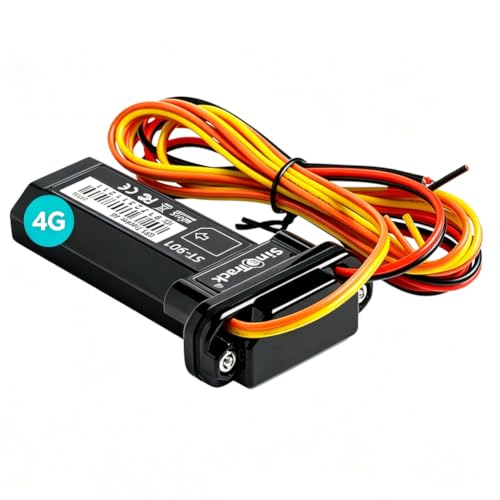 SINOTRACK ST-901L 4G Vehicle Car GPS Tracker, Mini Real Time GPS Locator Vehicle Device Hidden,Waterproof Car Motorcycle GPS Tracking Device for Truck Taxi,Support Tracking Platform