What Does Car Brake Fluid Do And Why It Matters So Much
Every time you step on your car’s brake pedal and come to a smooth, controlled stop, you’re relying on an invisible but critical component: the brake fluid. While the components you see—brake pads, rotors, calipers—grab all the attention, it’s the brake fluid that brings it all together, transmitting your foot’s pressure into the stopping force that keeps you safe. Yet, for many drivers, brake fluid remains an afterthought, overshadowed by oil changes and tire rotations.
Neglecting brake fluid is a gamble with both performance and safety. From high-speed highway driving to sudden traffic halts, the quality and condition of your brake fluid determines how effectively your car can slow down or stop in an emergency.
Understanding what brake fluid does, why it matters so much, and how to maintain it is essential for every vehicle owner who values safety and efficiency. This comprehensive guide unpacks the science, stakes, and best practices behind one of automotive safety’s unsung heroes.
Key Takeaways
- Brake fluid is essential for transmitting force and lubricating components in hydraulic brake systems.
- Poor or degraded brake fluid can lead to brake failure, increased stopping distances, and costly repairs.
- Regular checks and timely replacement of brake fluid are crucial for vehicle safety and brake longevity.
- There are different types of brake fluid—DOT 3, DOT 4, DOT 5, and DOT 5.1—each with unique properties and compatibility considerations.
- Real-world incidents highlight that ignoring brake fluid maintenance can have serious, sometimes fatal, consequences.
- Understanding brake fluid’s role empowers car owners to make informed, safety-focused maintenance decisions.
The Fundamental Role Of Car Brake Fluid
To truly appreciate the importance of brake fluid, you must first understand its core function within your vehicle’s hydraulic brake system. Unlike mechanical linkages, hydraulic systems depend on incompressible fluids to transfer force efficiently and reliably.
How Brake Fluid Works In Hydraulic Braking
When you press the brake pedal, you’re applying mechanical force. That force is transmitted via a master cylinder filled with brake fluid, which then travels through brake lines to the calipers or wheel cylinders at each wheel. Because fluids are virtually incompressible, the pressure you apply is instantly and evenly distributed, allowing the brakes to respond rapidly and predictably.
- Force transmission: Brake fluid multiplies the force exerted by your foot, enabling sufficient clamping pressure for effective braking.
- Lubrication: It lubricates moving parts within the brake system, reducing wear and extending component life.
- Protection: High-quality brake fluid resists corrosion, protecting sensitive metal components from rust and pitting.
The science behind this is rooted in Pascal’s Principle, which states that pressure applied to a confined fluid is transmitted undiminished in all directions. This is why the force you apply to the brake pedal can be precisely and rapidly delivered to all four wheels, regardless of their distance from the pedal itself.
This property makes hydraulic brake systems both powerful and reliable, as long as the fluid remains in good condition.
Types Of Braking Systems Relying On Fluid
Most modern vehicles use one of two main hydraulic braking systems:
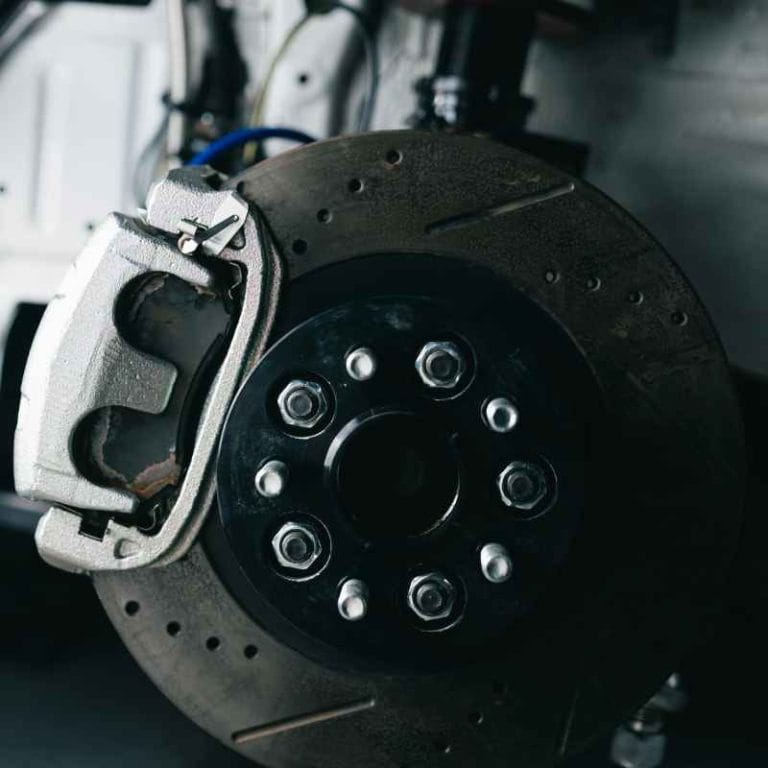
- Disc brakes: Use calipers and pads to clamp onto rotors.
- Drum brakes: Use wheel cylinders to push shoes against the inside of a drum.
Both systems depend on brake fluid to function. Disc brakes, now the standard on most vehicles due to their superior performance and cooling, require extremely consistent hydraulic pressure to maintain safe and predictable stopping. Drum brakes, still found on some rear wheels and older vehicles, also rely on brake fluid but can be more sensitive to moisture contamination, as drum systems tend to trap more heat.
Even advanced features like anti-lock braking systems (ABS) and electronic stability control (ESC) require hydraulic pressure delivered by brake fluid to operate correctly. ABS, for example, relies on rapid and precise modulation of brake pressure at each wheel, a process that can be compromised by air bubbles or degraded fluid.
Key Properties Required In Brake Fluid
For optimal performance, brake fluid must have:
- High boiling point (to withstand heat)
- Low compressibility (for precise response)
- Corrosion inhibition (to protect internal parts)
- Stable viscosity (for consistent performance in temperature extremes)
A high boiling point is crucial because braking generates significant heat. If brake fluid boils, it creates vapor bubbles that compress under pressure, resulting in a “spongy” pedal and loss of stopping power. Corrosion inhibitors in the fluid prevent rust and pitting on the finely-machined surfaces inside the braking system, maintaining both performance and longevity.
Real-world Example: Brake Fluid Failure Incident
In 2015, a Florida driver experienced a complete brake failure while driving downhill, resulting in a collision. Investigation revealed the brake fluid had absorbed excessive moisture, lowering its boiling point and causing vapor lock during sustained braking. This incident underscores the critical safety role of properly maintained brake fluid.
Such incidents are not isolated. Another example occurred in the UK, where a taxi fleet faced frequent brake repairs and a noticeable decline in braking performance. Upon inspection, it was found that the brake fluid in many vehicles had not been changed in over four years, leading to severe corrosion inside the brake lines and master cylinders.
Following a comprehensive flush and switch to a scheduled maintenance plan, the fleet reported fewer breakdowns and improved safety records.

Credit: www.cabledahmercadillac.com
Types Of Brake Fluid: Properties, Standards, And Comparison
Not all brake fluids are created equal. The U. S. Department of Transportation (DOT) classifies brake fluids based on their chemical composition and performance characteristics. Choosing the right type for your vehicle is essential for safety and reliability.
Dot Classification Overview
There are four main types of brake fluid commonly used in passenger vehicles:
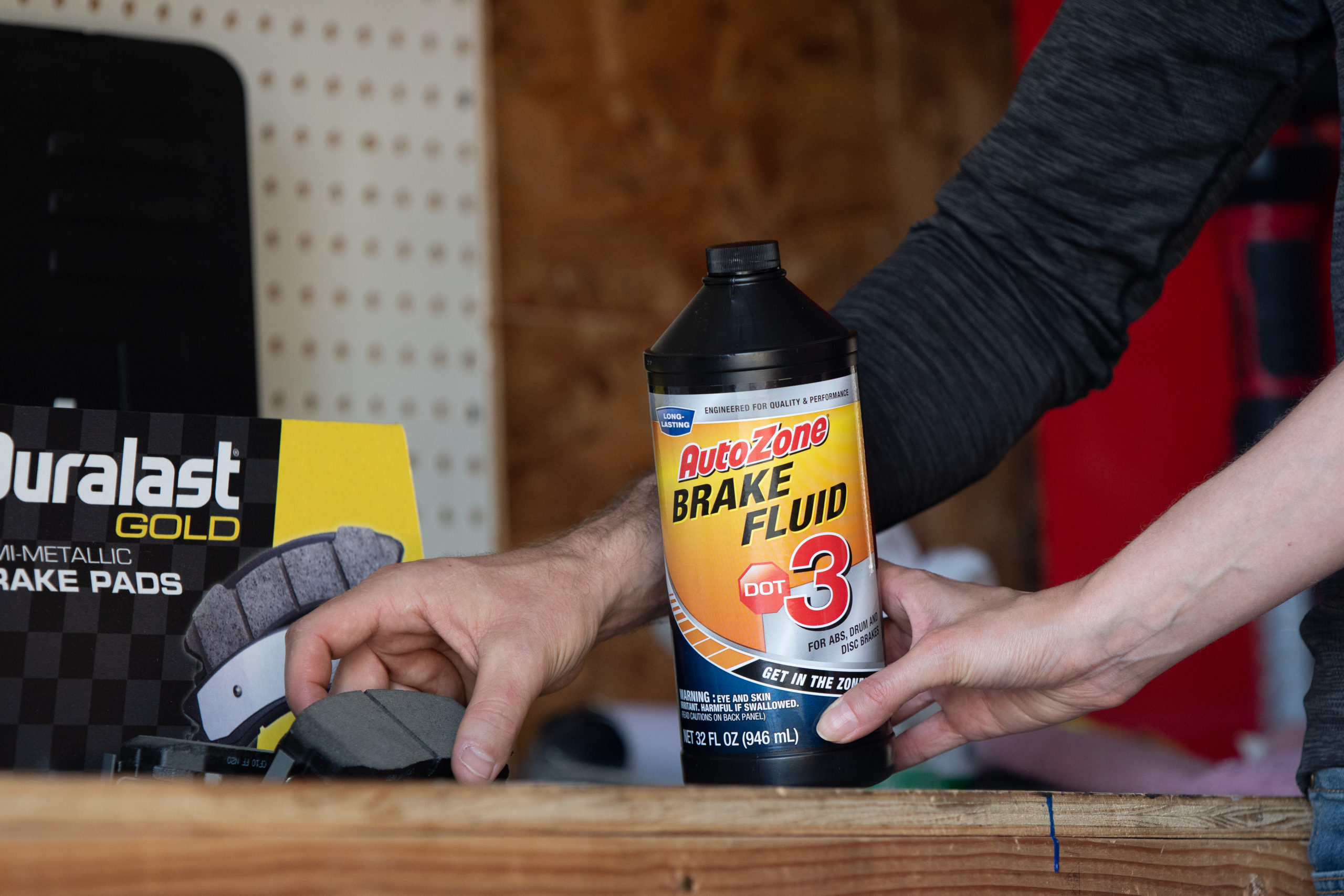
- DOT 3: Glycol-based, widely used, lower boiling point.
- DOT 4: Glycol-based, higher boiling point, better for high-performance or ABS-equipped vehicles.
- DOT 5: Silicone-based, non-hygroscopic, used in classic cars and military vehicles.
- DOT 5.1: Glycol-based, very high boiling point, compatible with DOT 3/4 systems.
Each DOT specification is defined by minimum boiling point thresholds and chemical compatibility. DOT 3 is the most common in North America for conventional vehicles, while DOT 4 is often recommended for newer models, especially those with ABS or stability control.
DOT 5 fluids are used less frequently due to compatibility concerns with modern braking systems but remain popular among classic car enthusiasts.
Comparison Table: Brake Fluid Types
| Type | Base | Dry Boiling Point (°F) | Wet Boiling Point (°F) | Hygroscopic | Compatibility |
|---|---|---|---|---|---|
| DOT 3 | Glycol | 401 | 284 | Yes | DOT 3, 4, 5.1 |
| DOT 4 | Glycol | 446 | 311 | Yes | DOT 3, 4, 5.1 |
| DOT 5 | Silicone | 500 | 356 | No | Not compatible with DOT 3/4/5.1 |
| DOT 5.1 | Glycol | 518 | 374 | Yes | DOT 3, 4, 5.1 |
Chemical Differences And Vehicle Compatibility
- Glycol-based fluids (DOT 3, 4, 5.1) are hygroscopic—they absorb moisture from the air, which eventually lowers their boiling point and can lead to corrosion.
- Silicone-based fluids (DOT 5) are hydrophobic and resist moisture absorption but are not compatible with most modern braking systems equipped with ABS.
Additionally, the hygroscopic nature of glycol-based fluids is a double-edged sword: while it helps prevent water from pooling inside the brake system (which could freeze or cause localized corrosion), it also means that over time, the brake fluid’s ability to resist boiling is compromised. This is why scheduled fluid changes are so important.
DOT 5, being silicone-based, does not absorb moisture, making it ideal for vehicles that sit unused for long periods, such as collector cars. However, because it can aerate more easily and is incompatible with ABS systems, its use is limited in modern vehicles.
Performance Considerations
- Racing or high-performance vehicles: Require fluids with higher boiling points (DOT 4 or DOT 5.1) to prevent vapor lock during extreme braking.
- Daily drivers: DOT 3 or DOT 4 is generally sufficient, but always check your owner’s manual.
For vehicles exposed to harsh environments, such as high humidity or mountainous terrain, upgrading to DOT 4 or DOT 5. 1 can provide extra safety margins. In motorsports, specialized racing fluids—often based on DOT 4 or higher—are formulated for maximum thermal stability and are replaced frequently, sometimes after every race.
External Resource For Standards
For a detailed breakdown of DOT standards, see the Wikipedia Brake Fluid entry.
Credit: www.marinmazda.net
Why Brake Fluid Matters For Safety And Performance
Brake fluid does much more than simply fill the lines—it acts as the lifeblood of your vehicle’s braking system. The condition and quality of your brake fluid directly impact both safety and performance.
Consequences Of Brake Fluid Neglect
- Increased stopping distances: Moisture-laden or degraded fluid boils at lower temperatures, causing vapor bubbles. This leads to a soft, spongy pedal and increased stopping distances.
- Brake fade: Prolonged braking heats up the system, and old fluid may vaporize, reducing hydraulic pressure.
- Corrosion and component wear: Water in the fluid corrodes metal parts, leading to stuck calipers, leaky seals, and premature failures.
- Total brake failure: In extreme cases, vapor lock or internal corrosion can cause catastrophic loss of braking function.
Brake fade is particularly dangerous on long descents or in performance driving, where repeated braking raises temperatures far beyond normal street use. Even in daily driving, a sudden need for emergency stopping could quickly reveal the limitations of neglected brake fluid.
Data: Brake Fluid And Accident Risk
According to a 2016 study by the National Highway Traffic Safety Administration, brake-related problems are a factor in 22% of vehicle crashes attributed to mechanical failure (NHTSA). While not all of these incidents are due to brake fluid, degraded fluid is a significant contributor.
Further analysis of insurance claims in Europe found that vehicles with extended brake fluid change intervals were 30% more likely to experience costly brake repairs, and up to 15% more likely to be involved in rear-end collisions attributed to inadequate stopping power.
These numbers reinforce the critical safety role of brake fluid maintenance.
Impact On Advanced Safety Systems
Modern vehicles increasingly rely on ABS, ESC, and brake assist systems, all of which depend on hydraulic pressure. Old or contaminated brake fluid can cause these systems to malfunction, disabling critical safety features.
For example, an ABS system may fail to modulate brake pressure correctly if air bubbles or degraded fluid are present, resulting in loss of control during emergency braking. Similarly, electronic brakeforce distribution (EBD) and traction control systems require reliable hydraulic performance to function as designed.
Short Case Study: Fleet Vehicle Maintenance
A delivery company noticed increased brake failures in its fleet. After analysis, they found that extending brake fluid change intervals led to higher moisture content and corrosion in the brake lines. By switching to a proactive two-year brake fluid replacement schedule, they reduced brake-related downtime by 40% and cut repair costs by 25%.
This experience is echoed in many commercial operations, where preventative maintenance of hydraulic systems translates directly into improved safety records and reduced liability.
Credit: www.autozone.com
Brake Fluid Maintenance: Best Practices For Longevity And Safety
Routine brake fluid maintenance is not just a recommendation—it’s a necessity for safe driving. Unlike oil, brake fluid doesn’t get “used up,” but it does degrade over time, primarily by absorbing moisture.
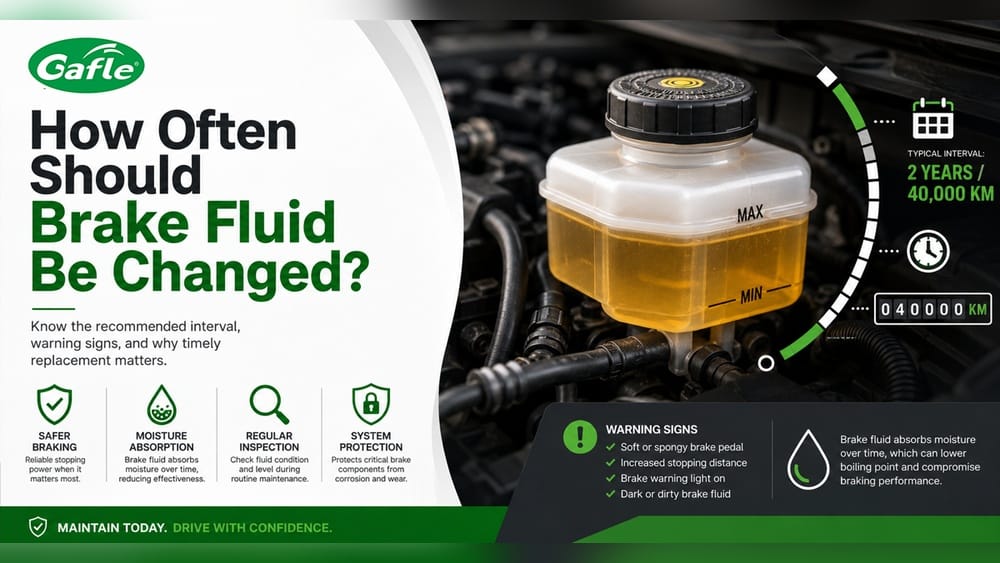
How Often Should Brake Fluid Be Changed?
- Most manufacturers recommend: Every 2 years or 20,000–30,000 miles (check your owner’s manual).
- Under severe conditions (heavy towing, high humidity): Annual inspection and possible replacement.
Vehicles operated in humid climates, such as the Southeastern United States or coastal regions, are at particular risk of rapid fluid degradation. Frequent short trips, which cause condensation inside the brake system, can also accelerate moisture accumulation.
Signs Your Brake Fluid Needs Attention
- Spongy or soft brake pedal
- Longer stopping distances
- ABS warning light
- Visible discoloration (fluid should be clear or amber, not dark brown)
In some cases, you may also notice a faint chemical or burning smell after hard braking, which can be a sign of overheated or degraded fluid. If your brake warning light illuminates and remains on, it could signal low fluid or a problem in the hydraulic system that needs immediate attention.
Step-by-step: How Brake Fluid Is Changed
- Inspection: Check fluid level and color in the reservoir.
- Testing: Use a brake fluid tester to measure moisture content.
- Flushing: Old fluid is removed from each brake line; new fluid is added.
- Bleeding: Air is purged from the system to restore proper pedal feel.
Modern service shops often use pressure bleeders for a more thorough flush, ensuring all old fluid and contaminants are removed. For vehicles with ABS, special procedures may be necessary to cycle the fluid through the ABS modulator, and some systems require computer-controlled bleeding to ensure proper function.
Table: Brake Fluid Change Intervals By Manufacturer
| Manufacturer | Recommended Interval | Notes |
|---|---|---|
| Toyota | 2 years/20,000 miles | Check in severe conditions |
| Honda | 3 years | Regardless of mileage |
| Ford | 2 years/24,000 miles | Check for color and level |
| BMW | 2 years | Strictly enforced in service plans |
| General Motors | As needed | Annual inspection recommended |
Diy Vs. Professional Service
While some enthusiasts change their own brake fluid, improper procedures can introduce air or contaminants, compromising safety. For most drivers, a professional mechanic is the safest choice.
Professional technicians have the tools to test for moisture, flush the entire system, and ensure no air is trapped in the lines—an especially important consideration in vehicles equipped with ABS or complex hydraulic circuits. DIYers should only attempt brake fluid changes if they have the right equipment and a solid understanding of their vehicle’s braking system.
External Resource: Fluid Maintenance
For further reading on maintenance, see Car and Driver: What You Need to Know About Brake Fluid.
Brake Fluid Problems: Causes, Symptoms, And Solutions
Even with regular maintenance, brake fluid issues can arise. Recognizing early symptoms and knowing how to respond can make a life-or-death difference.
Common Causes Of Brake Fluid Problems
- Moisture contamination: Atmospheric moisture enters through seals and reservoir caps.
- Overheating: Repeated hard braking or towing can boil fluid.
- Incorrect fluid type: Mixing incompatible fluids (e.g., glycol and silicone) causes severe brake issues.
- Leaks: Worn seals, hoses, or rusted lines allow fluid to escape.
Other potential causes include using old or contaminated brake fluid from previously opened bottles, which may have already absorbed moisture. Even small leaks can lead to dangerous drops in hydraulic pressure, so any visible loss of fluid should be addressed immediately.
Symptoms Of Trouble
- Soft or sinking brake pedal
- Visible fluid leaks under the car
- Cloudy, dark, or sludgy fluid in reservoir
- Burning smell after braking
In some cases, you may also hear unusual noises such as grinding or squealing, which could indicate both mechanical and hydraulic issues. If you notice any change in the behavior of your brakes, it’s essential to have them inspected as soon as possible.
Solutions And Prevention
- Immediate Inspection: If you notice symptoms, have your brakes inspected immediately.
- Fluid Testing: Use a moisture tester or have a mechanic check fluid condition.
- System Flush: Replace contaminated or incorrect fluid with the proper type.
- Component Replacement: Repair or replace leaking hoses, seals, or rusted lines.
Preventative steps include regular checks of the master cylinder reservoir, using only new, unopened bottles of the correct fluid, and keeping up with scheduled maintenance. For vehicles stored for long periods, periodic inspection and fluid replacement before returning to service is recommended.
Case Study: Brake Fluid Mixing Error
A DIY mechanic added DOT 5 (silicone) fluid to a system requiring DOT 4 (glycol). The fluids did not mix, causing gelling and loss of hydraulic pressure. The vehicle required a full system flush and replacement of several components—a costly and completely avoidable mistake.
Mixing incompatible fluids can also void manufacturer warranties and potentially result in legal liability if an accident occurs as a result of improper maintenance. Always double-check fluid specifications before topping up or replacing brake fluid.
External Resource: Identifying Brake Fluid Issues
For troubleshooting tips, visit AA1Car: Brake Fluid Problems.
Advanced Topics: Brake Fluid In High-performance And Specialty Vehicles
While standard DOT 3 or DOT 4 fluid suffices for most daily drivers, high-performance, racing, and specialty vehicles place unique demands on brake fluid.
Racing And Track Use
- Extreme heat: Repeated high-speed braking generates intense heat, risking fluid boil and brake fade.
- Specialty fluids: Racing brake fluids offer boiling points above 600°F and enhanced viscosity stability.
- Frequent changes: Track cars often require fluid changes before every event.
In motorsports, the consequences of brake fade or failure can be catastrophic. Teams carefully monitor fluid temperature and condition, often using infrared sensors and chemical test strips. Racing fluids may have additives tailored to specific environments, such as endurance races or rally stages, where sustained performance is critical.
Motorcycles And Powersports
- Small reservoirs: More susceptible to moisture absorption and boiling.
- DOT 4 or higher: Typically required for modern bikes with ABS.
Motorcycle brake systems are particularly sensitive to even small amounts of air or moisture. Regular inspection and replacement are critical for rider safety, especially for bikes stored outdoors or used in wet conditions.
Classic Cars And Collectors
- DOT 5 (silicone): Chosen for non-ABS classics to prevent paint damage and resist moisture.
- Compatibility caution: Must never be mixed with glycol-based fluids.
Classic cars are often stored for long periods, making the moisture-resistant properties of DOT 5 fluid attractive. However, converting a system to DOT 5 may require replacing all rubber components and thoroughly flushing existing fluid. Owners should consult restoration specialists before making the switch.
Table: Brake Fluid Requirements By Vehicle Type
| Vehicle Type | Recommended Fluid | Special Considerations |
|---|---|---|
| Daily Driver | DOT 3 or 4 | Check owner’s manual |
| Performance Car | DOT 4 or 5.1 | High boiling point needed |
| Racing Car | Racing DOT 4/5.1 | Change after each event |
| Classic Car | DOT 5 (silicone) | Only if system is compatible |
| Motorcycle | DOT 4 or 5.1 | Frequent checks recommended |
External Resource: Racing Brake Fluid Science
To learn more about racing fluid technology, see Motorsport.com: The Science of Brake Fluid.
Environmental And Health Considerations Of Brake Fluid
Brake fluid is not only a technical concern but also an environmental and health one. Its chemical properties demand careful handling and disposal.
Environmental Impact
- Toxicity: Glycol-based fluids are hazardous to aquatic life and soil.
- Disposal regulations: Never pour brake fluid down drains or on the ground. Most auto parts stores and service centers accept used fluid for recycling.
Improper disposal of brake fluid can contaminate groundwater and harm wildlife. Local regulations may require used fluid to be treated as hazardous waste, and heavy fines can be imposed for illegal dumping.
Health Risks
- Skin and eye irritation: Brake fluid can cause burns or allergic reactions.
- Inhalation: Fumes from heated fluid may be harmful; always use in ventilated areas.
- Fire hazard: While not highly flammable, brake fluid can ignite under the right conditions.
Direct contact should always be avoided, and spills should be cleaned immediately to prevent accidental exposure. In case of skin contact, wash thoroughly with soap and water; if fluid gets in the eyes, flush with water and seek medical attention promptly.
Safe Handling And Cleanup
- Wear gloves and eye protection during fluid changes.
- Clean spills immediately with absorbent material; avoid water runoff.
- Store in original containers: Brake fluid absorbs moisture from the air, so keep bottles tightly sealed.
Keep brake fluid away from children and pets, and never reuse food or drink containers for storage. Ensure that empty or partially-used bottles are disposed of according to local hazardous waste guidelines.
Regulatory Compliance
For guidelines on safe disposal, refer to the EPA: Household Hazardous Waste page.
Frequently Asked Questions
What Happens If I Never Change My Brake Fluid?
Neglecting brake fluid changes allows moisture to accumulate, lowering the boiling point and increasing the risk of vapor lock, corrosion, and eventual brake failure. Over time, this can lead to costly repairs or dangerous loss of braking ability.
Can I Mix Different Types Of Brake Fluid?
You can mix DOT 3, DOT 4, and DOT 5. 1 fluids since they are all glycol-based, but you should never mix these with DOT 5 (silicone), which is incompatible and can cause system failure. Always consult your owner’s manual before adding fluid.
How Do I Check If My Brake Fluid Is Bad?
Check the fluid color in the reservoir—fresh fluid is clear or amber, while bad fluid turns dark brown. You can also use a moisture tester to check for water content. If the pedal feels soft or spongy, have your fluid inspected immediately.
Is Brake Fluid The Same As Power Steering Fluid?
No, brake fluid and power steering fluid are different. Brake fluid is typically glycol- or silicone-based and designed for high heat and pressure, while power steering fluid is usually mineral oil-based and cannot substitute for brake fluid.
How Much Does It Cost To Change Brake Fluid?
A typical brake fluid change at a professional shop costs between $70 and $120, depending on vehicle type and region. DIY costs are lower but require proper tools and safe disposal methods.
References And Further Reading
- NHTSA: Defective Brakes
- Cars.com: Brake Fluid 101
- EPA: Household Hazardous Waste
- Wikipedia Brake Fluid
- Car and Driver: What You Need to Know About Brake Fluid
- AA1Car: Brake Fluid Problems
- Motorsport.com: The Science of Brake Fluid
Understanding the function and importance of brake fluid is a cornerstone of responsible car ownership. From ensuring reliable stopping power to safeguarding advanced safety systems, brake fluid is much more than just another automotive liquid—it’s a vital link in your vehicle’s chain of safety.
By staying informed and proactive about brake fluid maintenance, you can protect yourself, your passengers, and everyone else on the road.
Products related to this article
Sponsored / affiliate links. As an Amazon Associate I earn from qualifying purchases. I may earn additional commission from eligible campaigns.