Best cars for bad roads: suspension and durability
The best cars for bad roads usually use taller-profile tires and moderately sized wheels, along with suspension tuned for compliance; avoid low-profile tires and oversized wheels if potholes are a daily problem. Ignore that, and you pay for bent rims, sidewall cuts, damaged bushings, and a ride that wears you out. This guide compares tire, wheel, suspension, and structure so you can judge comfort, durability, and damage risk across real cars.
This guide is part of our Car comparisons and reviews series.
Why bad roads hurt cars in different ways
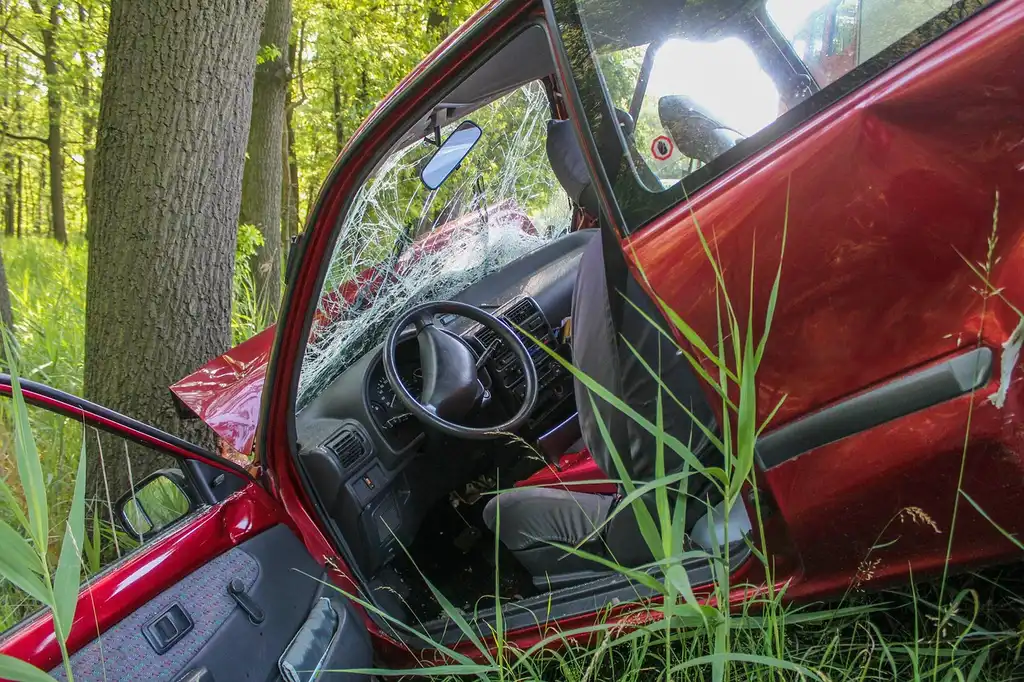


Poor pavement does more than make the cabin busy. A sharp hit runs through the tire, wheel, suspension, steering, and sometimes the body structure. Damage can creep in or show up at once. The right vehicle limits both the hit and the cost of taking it again.
How potholes damage tires, wheels, and sidewalls
A pothole strike is an impact event. The tire sidewall takes the first blow, then the wheel lip gets hit if the tire is too short or the impact is hard enough. Tall sidewalls usually give more cushion. Low-profile tires leave less room for error and often cost more to replace.
That is why wheel diameter matters so much. A bigger wheel usually means a shorter sidewall, which means less air volume and less deflection before the rim meets the edge of the hole. Smaller wheels with taller sidewalls usually survive repeated bad pavement better, and the replacement tires often cost less too.
What repeated hits do to springs, shocks, control arms, bushings, and alignment
One pothole may bend a wheel. Repeated hits can wear the whole suspension. Springs settle, shocks or dampers lose control, control arm bushings crack, and alignment drifts. Once toe or camber moves out, the tires scrub, the steering feels off, and wear speeds up. The car can still drive, but it stops driving cleanly.
That failure chain matters more than brochure language. A soft ride is not the same thing as durability. Some vehicles feel calm because the cabin is well isolated, yet they still punish tires and joints when the wheel package is too aggressive. Others feel firmer but take abuse better over time.
Why ground clearance helps, but does not solve every problem
Ground clearance helps the body miss tall bumps, broken pavement edges, and gravel ridges. It also reduces the chance of scraping the underbody on steep transitions. But clearance does not stop wheel damage, and it does not protect a short sidewall from impact. It is one part of the decision, not the whole answer.
Does tire sidewall matter more than ground clearance?
For daily potholes, tire sidewall often matters more than ground clearance. Clearance helps avoid scraping, but sidewall height controls how much impact the tire can absorb before the rim gets hit. A tall tire on a moderate-riding vehicle usually survives rough city pavement better than a lifted vehicle on short, stiff tires.
Smaller wheels and taller sidewalls for impact absorption
Smaller wheels usually allow taller sidewalls, and that extra rubber and air help the tire deform over sharp edges. That matters on cracked urban streets, patched rural roads, and gravel. It also usually lowers replacement cost, which matters when potholes are common enough to shorten tire life.
Where big wheels backfire on rough pavement
Big wheels look tidy in a showroom. On rough roads, they are often the wrong trade. The tire has less cushioning, the wheel lip sits closer to the impact zone, and the ride gets busier. If the same model offers smaller wheels, that lower-spec package is often the smarter buy for harsh streets.
How wheel and tire choices change replacement cost
Wheel and tire packages change the repair bill as much as the ride. Larger diameters and lower profiles typically cost more to buy and more to replace after an impact. For bad roads, the cheapest good tire is often the best long-term choice, especially for commuters who cannot avoid every broken patch.
Which suspension types handle rough roads best?
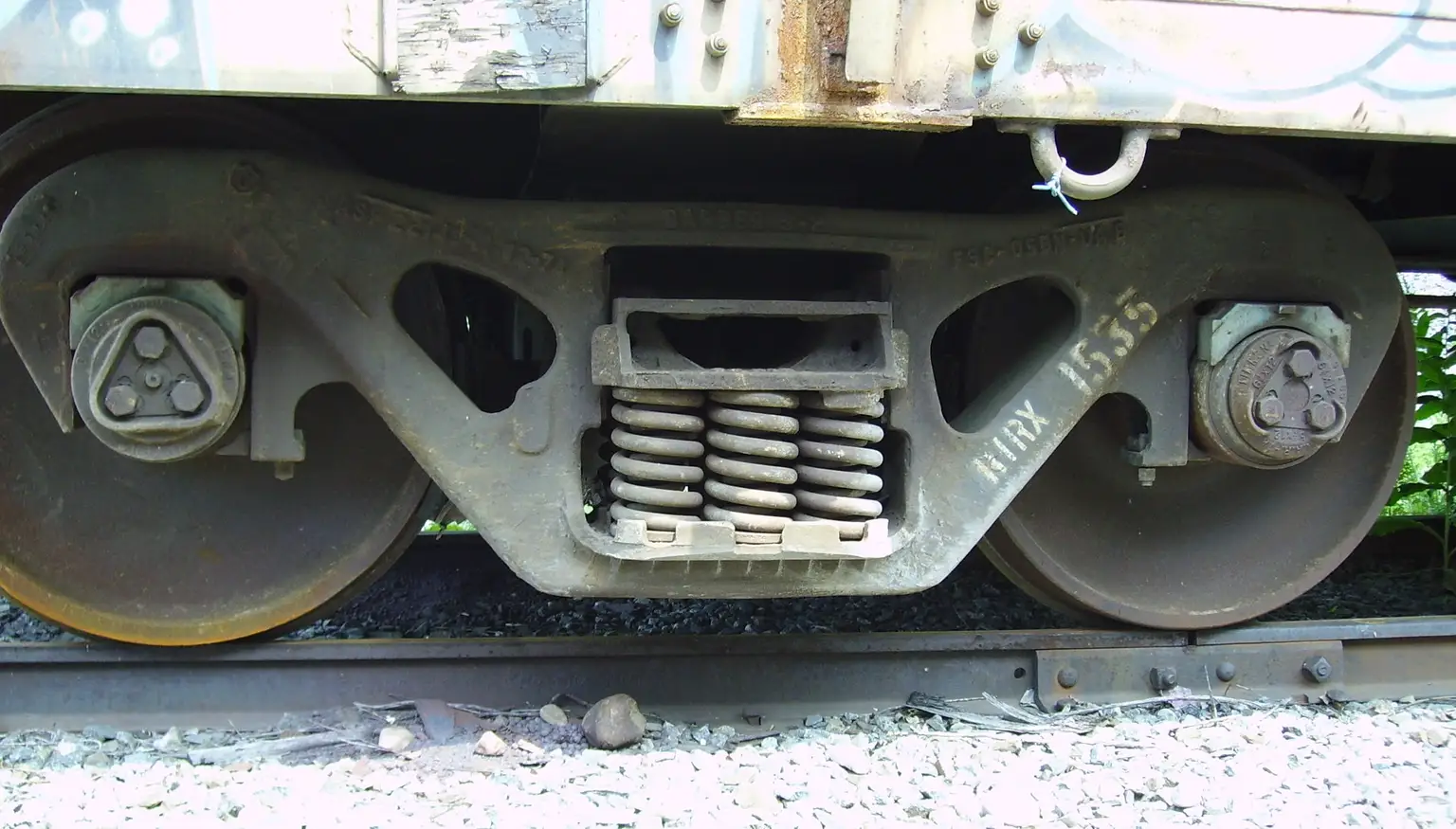
The best rough-road suspension is the one that takes a hit and keeps control while staying out of the shop. Layout matters, but so do spring rates, shock tuning, bushing quality, and alignment stability. A calm ride on paper means little if the joints, tires, or steering are getting hit every week.
Independent front suspension versus solid axles
Independent front suspension usually gives better on-road control and better packaging for steering and ride tuning. Solid axles are simpler, often tougher, and easier to tolerate on abusive roads because both wheels move together. That can help on broken pavement, although it usually comes with more weight and less refined behavior.
Why long-travel tuning helps on broken pavement
Long-travel suspension gives the wheel more room to move before the chassis takes the hit. That can reduce harshness and help keep the tire in contact with rough surfaces. It is useful when roads are deeply broken, but it is not a free pass. More travel still needs strong dampers, bushings, and alignment control.
Why comfort tuning and durability are not the same thing
A vehicle can be quiet and still be costly to keep on rough roads. Good sound insulation hides impact noise. It does not stop bent wheels or stretched bushings. Durability comes from the parts that absorb and locate the wheel, not from the cabin trim around the driver.
Best cars for bad roads: model comparison table
The table below scores each model on the parts that matter most on rough pavement. Taller sidewalls and more wheel flexibility usually help. Lower pothole-damage risk means less exposure to bent rims, alignment wear, and repeated-impact repairs. The best trim note matters because the same model can change a lot with wheel size.
| Model | Tire sidewall | Wheel size flexibility | Suspension layout | Ground clearance | Likely pothole-damage risk | Best trim to buy |
|---|---|---|---|---|---|---|
| Toyota 4Runner | 8/10 | 8/10 | Body-on-frame, independent front suspension, solid rear axle with coil springs | 9.6 inches | Low | Base or lower-wheel trims that keep taller tires |
| Jeep Wrangler | 9/10 | 8/10 | Solid axles, heavy-duty shocks, reinforced chassis | 9.7 inches | Low | Trims with smaller wheels and all-terrain tires |
| Ford F-150 Raptor | 7/10 | 6/10 | Reinforced frame, long-travel suspension, heavy-duty differentials | High trail clearance intent | Medium | Standard wheel package over flashy upgrades |
| Ford Explorer | 6/10 | 7/10 | Independent rear suspension | 8.3 inches | Medium | Lower-wheel family trims, not appearance packages |
| Lexus GX460 | 7/10 | 7/10 | Double-wishbone front suspension, multi-link rear suspension | 8.1 inches | Medium | Wheel package with the smaller available rim |
| Mazda CX-5 | 6/10 | 6/10 | Comfort-focused crossover tuning | 7.6 to 8.0 inches | Medium to high | Lower wheel package for the softer sidewall |
How to read the comparison scores
The score does not reward image. It favors the package that is less likely to crack a rim, knock alignment out, or need expensive tire replacements. A high-clearance truck on big wheels can score worse than a lower vehicle on smaller, taller tires if the wheel package is wrong for the road.
Best trim to buy for each model
The Toyota 4Runner fits rough-road reliability because it uses body-on-frame construction, a 4.0L V6, independent front suspension, a solid rear axle with coil springs, and 9.6 inches of ground clearance. Buy the trim that keeps smaller wheels. That keeps the tire sidewall useful and avoids paying for style you will scrape.
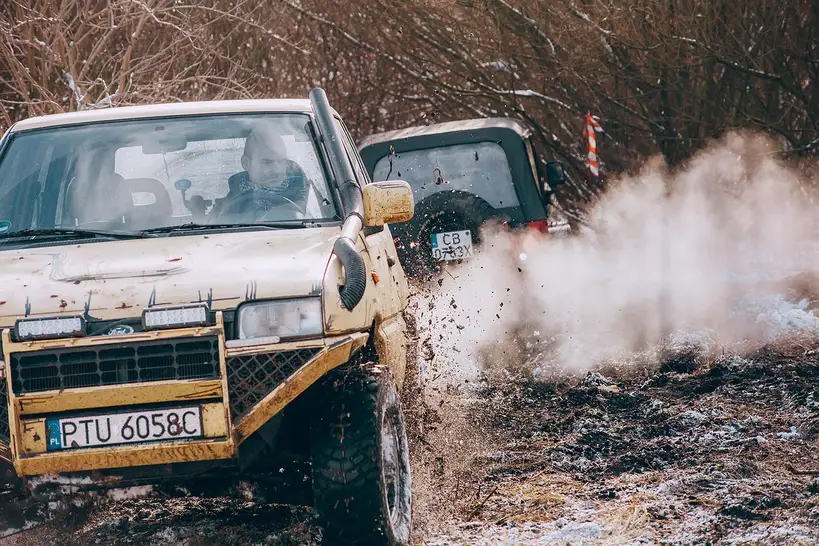
The Jeep Wrangler is built for abuse. Solid axles, low-range gearing for traction, heavy-duty shocks, a reinforced chassis, and 9.7 inches of ground clearance all point the same direction. It is the most trail-oriented choice here, but its best bad-road trim is still the one with the least aggressive wheel package.
The Ford F-150 Raptor is the specialist. A reinforced frame, long-travel suspension, a strong V6, and heavy-duty differentials make it well suited for high-speed dirt and severe off-road use. It is less of a commuter answer. If the worst road is just a city of potholes, it may be more hardware than needed.
The Ford Explorer is the family-first option. It has 8.3 inches of ground clearance, independent rear suspension, and stability control, so it can handle bad pavement without turning into a truck. It is not the toughest here, but with the right wheel package it can be a sensible daily driver for rough suburban or rural roads.
The Lexus GX460 sits between luxury and durability. Its 8.1 inches of ground clearance, double-wishbone front suspension, and multi-link rear suspension give it a composed ride with real ruggedness underneath. It is a good answer for drivers who want comfort on rough pavement without buying a full trail toy.
The Mazda CX-5 is the comfort-focused crossover on this list. Its ground clearance is listed at 7.6 inches on 2023 and 2022 models, and 8.0 inches on 2020 models. It steers well and cuts noise nicely, but it is best for rough pavement, not repeated hard impacts. Buy it only with the smaller wheel package.
Are SUVs always better for potholes than a sedan?
No. An SUV is often easier to live with on rough roads, but badge shape does not decide everything. Wheel size, tire sidewall, suspension tuning, and alignment stability can matter more than ride height alone. A sedan on smaller, taller tires can be kinder to potholes than a flashy SUV on large wheels.
When higher ride height helps
Higher ride height helps when roads have sharp crowns, deep ruts, broken aprons, or hidden debris. It reduces scraping and gives more room for suspension movement. For rural drivers and badly maintained city streets, that can reduce underbody hits and make the car less stressful to use every day.
When a well-specced sedan can still be the smarter buy
A well-specced sedan can still win if it uses sensible wheels, a compliant suspension, and good tire choice. If the roads are rough but not truly off-road, that setup may ride better and cost less to keep. The wrong SUV package can be harsher and more expensive than the right sedan.
Why the answer depends on wheel size, not badge shape
Wheel size controls sidewall height, and sidewall height controls impact survival. That is why two versions of the same vehicle can feel completely different. The model badge tells less than the wheel sticker on the window. For potholes, that sticker matters a lot.
How the top rough-road picks compare
The right pick depends on the worst surface you actually drive, not the roughest road in a brochure. Commuters should think tire damage and repair cost. Families should think comfort and stability. Rural drivers should think clearance, tire availability, and whether the vehicle can absorb repeated abuse without constant alignment work.
Toyota 4Runner
The 4Runner is a strong rough-road choice because body-on-frame construction tends to tolerate abuse well, and the 4.0L V6 has a reputation for long service. The 9.6 inches of ground clearance help on broken pavement and steep transitions. It is a durable, practical answer for drivers who want longevity more than luxury.
Jeep Wrangler
The Wrangler is the most off-road-biased option in this group. Solid axles and low-range gearing for traction help it crawl and absorb abuse, while the reinforced chassis and heavy-duty shocks support durability. It is ideal when bad roads turn into actual trails. For pure potholes, it can be more specialized than necessary.
Ford F-150 Raptor
The Raptor is built for speed over broken terrain. Its reinforced frame, long-travel suspension, and heavy-duty differentials make it very effective when the surface changes fast and violently. It is durable in a specific way. For routine urban potholes, the size and cost can exceed the benefit.
Ford Explorer
The Explorer is the practical family answer. At 8.3 inches of ground clearance, it gives useful room over rough pavement without becoming a truck. Independent rear suspension and stability control help it stay calm and predictable. It is a smart middle ground for school runs, commutes, and bad suburban streets.
Lexus GX460
The GX460 blends durability with a more polished ride. The double-wishbone front suspension and multi-link rear suspension help it handle uneven pavement well, and 8.1 inches of ground clearance is enough for many rough-road use cases. It suits buyers who want a long-lived vehicle that does not feel crude.
Mazda CX-5
The CX-5 is the least rugged-looking option here, but it can still work well on rough pavement if the right trim is chosen. Its comfort-focused tuning, good steering, and noise reduction make daily driving easier. It is a good fit for commuters who want poise more than trail hardware.
How do I choose a car for bad roads without overbuying an off-roader?
Match the vehicle to your worst road, not your dream trail. If the issue is potholes and broken asphalt, start with wheels, tire sidewall, and suspension tuning before buying lockable differentials or extreme ground clearance. Many drivers pay for off-road hardware they never use and still end up with the wrong tire package.
Match the vehicle to your worst road, not your dream trail
Write down the harshest surface you actually face: city potholes, rural washboard, gravel access roads, or steep driveway transitions. Then choose the lightest-duty vehicle that handles that surface safely. If you never leave pavement, the truck with the biggest hardware package may be the wrong answer.
Choose the trim with the smaller wheels when possible
Wheel packages swing the result. The same vehicle can feel compliant or brittle depending on rim size. Choose the trim with smaller wheels and more sidewall whenever possible. That gives more impact absorption, less rim exposure, and usually lower tire replacement cost.
Pick reliability and tire availability before chasing image
Reliability matters because rough roads multiply wear. A durable suspension is only useful if replacement parts and tires are easy to find. For many buyers, a proven SUV or crossover with sensible wheels beats a flashy off-roader with expensive tires and repair bills waiting underneath.
Frequently asked questions
What cars handle bad roads the best?
Vehicles with taller sidewalls, smaller wheels, compliant suspension, and good ground clearance usually handle bad roads best. In this group, the Toyota 4Runner, Jeep Wrangler, and Lexus GX460 are strong answers because they pair useful clearance with suspension layouts that tolerate repeated hits better than low-slung cars on short tires.
Is an SUV always better for potholes than a sedan?
No. An SUV helps when it brings more clearance and a better wheel package, but a sedan with smaller wheels and taller tires can ride rough pavement more gently than a poorly specced SUV. The real question is impact control, not body style alone.
Does tire sidewall matter more than ground clearance?
For potholes, often yes. Ground clearance helps avoid scraping, but sidewall height protects the wheel from sharp impacts and reduces harshness. A lower vehicle on sensible tires can be kinder to bad roads than a taller one with thin, expensive rubber and oversized wheels.
Which suspension types are best for rough roads?
Suspensions that control wheel movement without transmitting every hit are best. Solid axles are tough and simple, while well-tuned independent setups can ride very well. Long-travel designs help on broken roads, but good shocks, bushings, and alignment stability matter just as much as the layout.
Are big wheels bad for pothole-heavy roads?
Usually yes. Big wheels leave less room for sidewall flex, so the tire absorbs less impact and the rim is more exposed. They also often cost more to replace. For pothole-heavy roads, smaller wheels with taller tires are usually the safer and cheaper choice.
What cars are durable enough for rough city streets and gravel roads?
The Toyota 4Runner, Jeep Wrangler, Ford Explorer, Lexus GX460, and Mazda CX-5 can all work if the trim is chosen carefully. The best ones for durability add sidewall, keep wheel diameter modest, and use suspension parts that resist alignment drift and repeated impact wear.
How do I choose a car for bad roads without overbuying an off-roader?
Start with the actual road problem. For potholes and broken pavement, buy the trim with the smaller wheels, a compliant suspension, and a reliable parts supply. Save the extreme off-road hardware for true trail use. Most drivers need damage resistance, not a rock crawler.
Which vehicles are reliable as well as comfortable on rough pavement?
The Toyota 4Runner and Lexus GX460 are strong comfort-and-durability choices, while the Ford Explorer can work well for families who want a calmer ride and useful clearance. The Mazda CX-5 is comfortable, but it needs careful wheel choice to stay kind on rough roads.
Products related to this article
Sponsored / affiliate links. As an Amazon Associate I earn from qualifying purchases. I may earn additional commission from eligible campaigns.