Ford Battery Warning Light on: What It Means
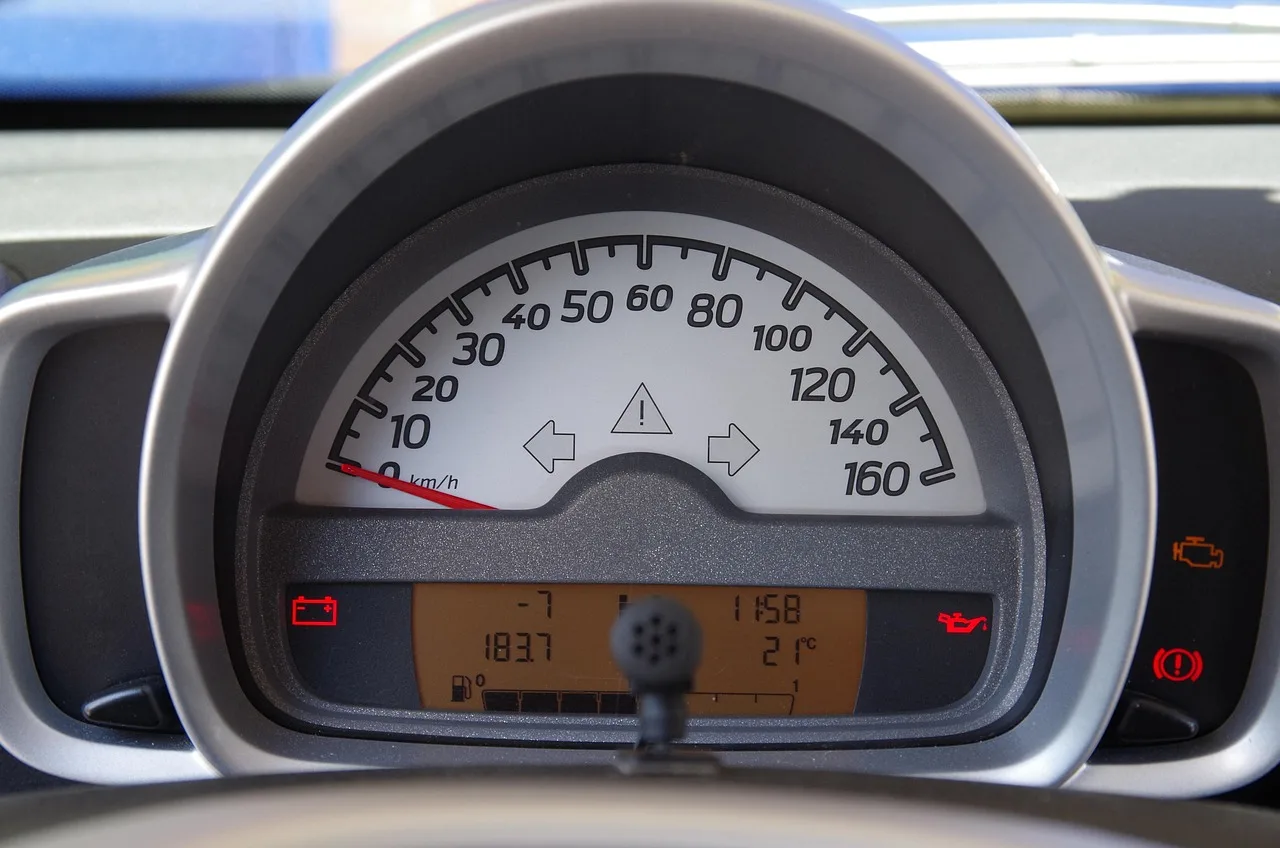
A Ford battery warning light usually means the charging system is not holding voltage, not that the battery alone is bad. If it stays on after startup or appears while driving, treat it as a fault and get the car checked before voltage drops and the engine stalls. Ignore it, and you can lose headlights, power steering assist, and the ability to restart. This guide explains the likely causes, how Ford warning variants differ, and the fastest triage steps for battery, alternator, belt, and wiring faults.
Charging system faults from belts to low-voltage modules


The light is usually a charging-system warning. On a Ford, that means the fault can be in the 12-volt battery, the alternator, the serpentine belt, the wiring, the grounds, or the fuse protection that feeds the charging circuit.
That difference matters because a weak battery can turn the light on, but a failing alternator is also a common cause when the light appears while driving. On gas models, the alternator is the usual source of charging current. On hybrids, plug-in hybrids, and EVs with 12-volt support systems, the warning can mean the low-voltage system is failing even when the high-voltage traction system is not the direct problem.
Why Ford models can fail differently
Ford gas trucks and SUVs usually depend on a belt-driven alternator. If the belt slips, breaks, or loses tension, charging drops fast. Many hybrid and PHEV models still use a 12-volt battery for control modules, relays, and wake-up power, so a low-voltage fault can show up even when the traction battery is fine. EVs such as the F-150 Lightning also rely on a 12-volt system for accessory power and module startup.
What to check first
Start with the symptoms that tell you whether the car is losing voltage right now. Dimming lights, warning messages, slow cranking, and random electrical glitches point to an active charging fault that can worsen in minutes.
Dimming lights and electrical glitches
If headlights dim at idle, the instrument cluster flickers, or the radio and dash modules reset, system voltage may be falling under load. That is more than a comfort issue. It usually means the battery is not being replenished or a connection is opening under vibration.
Belt noise, warning messages, and no-start clues
A chirp, squeal, or scraping sound from the front of the engine points to belt or pulley trouble. If the battery light appears with a battery system message, charging reduced message, or repeated no-start events after short trips, treat it as an urgent charging fault rather than a nuisance.
For example, if a vehicle starts normally, then the battery light comes on after about a mile and the headlights dim at a stoplight, that can point to a charging problem. That pattern fits a charging loss more than a dead battery alone, especially if the engine keeps running but accessories begin acting odd.
Is it safe to keep driving?
Only short, low-risk driving makes sense if the light is steady and the vehicle shows no other symptoms. If lights are dimming, the belt is noisy, the car is glitching, or the engine has already stalled once, stop driving and arrange a tow or repair on site.
Stop-driving signs
It is generally a stop-now sign if the serpentine belt is missing, shredded, or smoking, or if the battery light comes with steering assist loss, repeated warning chimes, or a near-dead electrical system. Those are signs that the car may lose all usable voltage before you reach the destination.
Short-trip versus tow decision
A short trip to a nearby repair spot can be reasonable only when the light is steady, voltage stays up, and no other symptoms appear. If the car is already slow-cranking, running rough because of low voltage, or showing multiple electrical faults, a tow is the safer call.
Ford battery-light triage table
This table separates the most useful first checks from the likely fault and a safe-drive verdict. Use it as triage, not as a repair plan.
| Symptom | Likely cause | Owner check | Safe-to-drive verdict | Next action |
|---|---|---|---|---|
| Gas Ford: light stays on while driving, lights dim, belt may squeal | Alternator failure, belt slip, tensioner loss, wiring fault | Check belt condition, listen for noise, read running voltage with a multimeter | Usually no, if voltage is falling or accessories dim | Inspect belt and charging circuit, then test alternator output and connections |
| Gas Ford: light on after jump-start, then returns after a short drive | Weak battery, bad connection, failing alternator, fusible-link issue | Check terminal tightness, battery age, and voltage at rest and with engine running | Maybe only for a short hop if voltage is stable | Load-test the battery and confirm charging voltage before driving farther |
| Hybrid or PHEV: battery light with other low-voltage warnings | 12-volt support battery, DC-DC charging issue, wiring or fuse fault | Check 12-volt battery state, scan for body and powertrain codes | Often no, because modules can drop offline | Diagnose the 12-volt system separately from traction-battery warnings |
| EV / 12V-support: warning appears with accessory shutdown or no-ready condition | Low-voltage battery, DC-DC converter fault, connection or fuse problem | Check 12-volt voltage, fuse box, and scan-tool data | No, if the vehicle cannot stay in ready mode | Confirm low-voltage support before assuming a traction-battery fault |
| Battery light with corroded terminals or loose cables | High resistance at the battery posts, ground cable, or cable clamp | Inspect corrosion, movement, and voltage drop across the connection | Sometimes, but only after the connection is corrected | Clean and tighten connections, then retest charging voltage |
| Light on with no belt noise, but charge voltage is low | Alternator regulator fault, blown fuse, fusible link, or wiring open | Check fuses, scan codes, and running voltage at the battery | Usually no | Trace the charging circuit before replacing parts |
Battery and terminal checks
A bad battery can make the battery light come on in a Ford, especially if the battery is aged, cold-soaked, or has a failed cell. A weak battery may still crank the engine, but its state of charge and internal resistance can be poor enough that the charging system works harder than it should.
12-volt battery condition
A 12-volt battery with high internal resistance may show normal open-circuit voltage and still fail under load. Cold-cranking performance drops as the battery ages, and a failed cell can cause repeated jump-starts, slow starts, or a light that returns soon after replacement or charging.
-
Measure battery rest voltage.
Use a multimeter after the car has sat off long enough for surface charge to settle. A healthy, fully charged lead-acid battery is often around 12.6 volts at rest; noticeably lower voltage can point to a low state of charge or a weak battery. -
Inspect the terminals.
Look for white or green corrosion, loose clamps, or a clamp that can rotate by hand. Any looseness can create voltage drop that confuses modules and the charging system. -
Check the ground path.
Follow the negative cable to the body and engine ground points. A corroded or loose ground strap can mimic alternator trouble because current cannot return cleanly.
Suppose a Mustang shows 12.2 volts at rest and drops lower during cranking. That points first to battery state of charge or battery health, not a guaranteed alternator failure, so the battery should be tested before parts are swapped.
How do I check the alternator on a Ford with the battery light on?
Check the alternator by looking for belt drive problems, then measuring running voltage and watching how it changes with load. On many Ford gas models, the alternator should bring system voltage above resting battery voltage once the engine is running. If it does not, the charging system needs diagnosis.
Running voltage and regulator clues
With the engine running, measure voltage across the battery posts. If the number stays close to resting battery voltage or falls under electrical load, the alternator may not be charging. An internal regulator fault can cause undercharge or unstable voltage, and bearing noise can signal an alternator that is about to fail mechanically.
Serpentine belt, tensioner, and pulley issues
On gas Fords, the alternator depends on the serpentine belt. Cracks, glazing, missing ribs, weak tension, or pulley slip can all cut alternator speed. A squeal under acceleration or with the steering turned can mean the belt or tensioner is losing grip before charging drops completely.
-
Start the engine.
Let it idle and watch the battery light, dash messages, and headlight brightness. If voltage support is weak, the symptoms often show up immediately. -
Read charging voltage.
Measure at the battery with the engine running. A steady rise above resting voltage suggests some charging activity; a reading that stays low or swings widely points to alternator, belt, regulator, or wiring trouble. -
Add electrical load.
Turn on headlights, blower, and rear defrost if equipped. If voltage falls sharply under load, the alternator or its drive system may not be keeping up.
What causes the battery warning light to stay on while driving?
The most common causes are alternator failure, belt slip, poor battery connections, bad grounds, or an open charging fuse or fusible link. On some Fords, the fault is in the current path rather than the alternator itself, so a quick part swap can miss the real issue.
Battery terminals and cables matter because even a healthy alternator cannot charge through a bad connection. Grounds matter for the same reason. If the battery junction box, under-hood fuse box, or fusible link has a fault, the alternator may produce voltage that never reaches the battery or vehicle modules.
Fuse and fusible-link checks
The charging circuit is protected by fuses and fusible links, often in the under-hood fuse box or battery junction box. A blown link can leave the battery light on with little or no charging, and the symptom may look like a dead alternator unless the circuit is traced.
-
Check charging fuses.
Use the owner manual or fuse box legend to find the charging-related fuse positions. Inspect for a blown element or heat damage, and do not assume a fuse is good because it looks intact. -
Inspect fusible links.
Look near the battery junction box and main power distribution paths. A damaged fusible link may look swollen, brittle, or discolored. -
Scan for codes.
Use an OBD-II scan tool to check for charging-system codes, pending codes, and live voltage data. Pending codes can show an issue before it becomes a hard fault.
Can I keep driving if the battery light comes on in my Ford?
Only if the light is steady, the car shows no dimming, no belt noise, and no electrical glitches, and you are heading a short distance to a repair stop. If the warning is paired with accessory failure, repeated stalls, or a dead battery after restart, do not keep driving.
What should you check first when the battery light comes on in a Ford truck? Start with belt condition, terminal tightness, and running voltage. Trucks often hide charging faults until a heavy electrical load, a short commute, or stop-and-go traffic exposes them.
Gas, hybrid, and EV differences
Gas Fords usually fail in the charging path you can see and hear: alternator, belt, tensioner, wiring, or grounds. Hybrids and PHEVs can show low-voltage faults from the 12-volt support battery or the converter that keeps it charged. EVs still need a healthy 12-volt system for startup and module power, even though they do not use a belt-driven alternator.
Hybrid or EV high-voltage system
Do not confuse a 12-volt charging fault with a traction-battery fault. A hybrid or EV may show different dash warnings, and the traction battery can be healthy while the low-voltage battery is failing. If the car will not go into ready mode or the low-voltage system keeps dropping out, the 12-volt support circuit needs diagnosis first.
A common mistake is assuming a Ford battery warning light always means the battery itself has failed, when a loose alternator belt or charging issue may be the real cause. A gas Escape with a slipping belt and a Lightning with a weak 12-volt battery can both show a similar warning, but the first points to a belt-driven charging path and the second to low-voltage support hardware.
Frequently asked questions
What does the battery warning light mean on a Ford?
It usually means the charging system is not maintaining voltage, so the problem may involve the battery, alternator, belt drive, wiring, grounds, or fuse protection. If it stays on after startup or appears while driving, treat it as a charging fault rather than a battery-only message.
Is the Ford battery warning light the alternator or the battery?
It can be either, and often both interact. A weak battery can trigger the light, but a failing alternator is a common cause when the warning appears while driving. Loose terminals, bad grounds, a belt issue, or a blown fusible link can produce the same light.
Can a bad battery make the battery light come on in a Ford?
Yes. A battery with low state of charge, high internal resistance, or a failed cell can trigger the warning, especially after a cold start or a jump-start. But a battery that fails repeatedly may be the result of an alternator or wiring fault, not the root cause.
Why does the battery warning light come on after jump-starting?
After a jump-start, the light may return if the battery is weak, the cables are loose, the alternator is not charging, or a fuse or fusible link is open. If the warning stays on after the cables are removed, the charging system needs a real check, not another jump.
What should I check first when the battery light comes on in a Ford truck?
Check the serpentine belt, belt tension, battery terminals, and running voltage first. Trucks often run enough accessories that a weak charging system shows up as dimming lights, sluggish cranking, or electronic glitches before the battery goes fully flat.
Does the battery warning light mean the car will die soon?
It can, especially if the alternator has stopped charging or the belt has failed. Some vehicles run for a short time on the battery alone, but once voltage drops far enough, the engine may stall and restart may be impossible until the fault is fixed.
Products related to this article
Sponsored / affiliate links. As an Amazon Associate I earn from qualifying purchases. I may earn additional commission from eligible campaigns.