Best Cars with the Best Resale Value: Models That Hold Up
Toyota Tacoma, Jeep Wrangler, Toyota 4Runner, and Honda Civic are among the best resale bets, and the strongest results usually come from high-volume trims, lower miles, and clean service records. Ignore depreciation and you can lose thousands at trade-in or wait months for the right buyer. This guide ranks cars, trucks, and SUVs by resale strength and how fast they move in the used market.
This guide is part of our Car comparisons and reviews series.
Quick picks for resale value
The overall top pick is the Toyota Tacoma, because it combines strong 3-year retention, broad buyer demand, and easy resale in many regions. That mix matters more than sticker price alone when you want a fast exit with less price erosion.
- Best for fast sale: Honda Civic in a high-volume trim, especially with an automatic transmission and clean service history.
- Best truck: Toyota Tacoma, especially mainstream trims rather than rare off-road or luxury packages.
- Best SUV: Toyota 4Runner, followed closely by Jeep Wrangler for buyers who want a specialty off-road model.
- Best compact car: Toyota Corolla for low ownership cost and easy trade-in liquidity.
Resale value decision table
| Model | 3-year retention | Buyer demand | Mileage sensitivity | Trim risk | Regional strength | Best for fast sale score | Buy or avoid |
|---|---|---|---|---|---|---|---|
| Toyota Tacoma | High, often around 65% to 75% | Very high | Medium | Medium | Strong nationwide, strongest in truck markets | 10/10 | Buy SR, SR5, TRD Sport, TRD Off-Road; avoid oddball lifted builds and pricey dealer add-ons |
| Toyota 4Runner | Very high, often around 60% to 70% | High | Medium | Medium | Strong in mountain, snow, and outdoor markets | 9/10 | Buy SR5 and TRD Off-Road; avoid overbuilt accessory packages that narrow the buyer pool |
| Honda Civic | High, often around 55% to 65% | Very high | High | Medium | Strong nationwide | 9/10 | Buy LX, Sport, and Civic Hatchback in mainstream colors; avoid niche performance versions if resale is the goal |
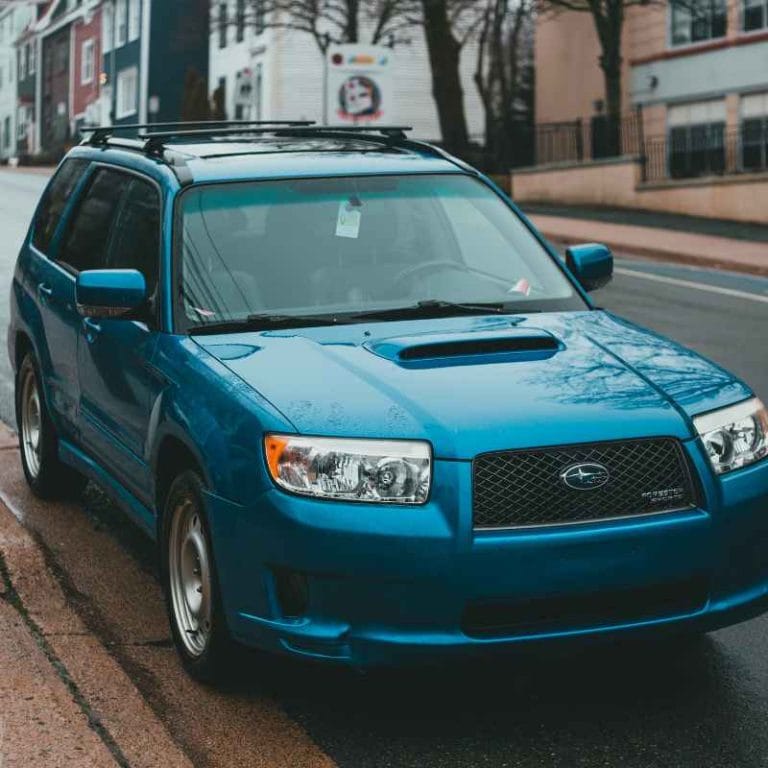
| Subaru Crosstrek | High, often around 55% to 62% | High | Medium | Medium | Very strong in snowy and coastal regions | 8/10 | Buy base or Premium AWD; avoid loaded trims that push it near larger SUV money |
| Toyota Corolla | High, often around 50% to 60% | Very high | High | Low to medium | Strong nationwide | 8/10 | Buy LE, SE, or Corolla Hybrid only if the price gap is modest; avoid rare option stacks |
| Ford F-150 | Moderate to high, often around 50% to 60% | Very high | Medium | High | Very strong in truck-heavy regions | 8/10 | Buy XLT and common cab/bed layouts; avoid luxury-heavy trims and niche engines unless priced right |
| Jeep Wrangler | High, often around 55% to 65% | High | Medium | High | Strong in warm-weather and off-road markets | 8/10 | Buy Sport or Sahara with widely desired equipment; avoid extreme modifications and rare color/package combinations |
Which models hold value best?
Toyota Tacoma, Toyota 4Runner, Honda Civic, Subaru Crosstrek, Toyota Corolla, Ford F-150, and Jeep Wrangler are commonly suggested starting points if resale matters to you. The ranking changes by trim, drivetrain, mileage, and region, so a strong model can still be a poor resale choice when it is over-optioned or too niche.
Toyota Tacoma
The Tacoma is a midsize pickup with unusual resale strength because demand stays deep in both private-sale and trade-in channels. Mainstream trims usually move fastest. A base 2WD work truck may sell quickly to the right buyer, but 4×4 SR5, TRD Sport, and TRD Off-Road trims tend to balance desirability and broad appeal better than expensive limited-edition packages.
Toyota 4Runner
The 4Runner keeps value because supply is limited and demand stays steady among buyers who want a rugged SUV with proven utility. That helps 3-year and 5-year retention. The catch is trim inflation: a loaded model can cost much more new, yet recover less of that extra money later than a simpler SR5 or TRD Off-Road.
Honda Civic
The Civic is a compact sedan or hatchback with broad used-market liquidity. It is easy to sell because many buyers want low running costs, small size, and sensible ownership costs. Hatchbacks and mainstream sedans usually do well. High-performance variants can hold value differently, but they often narrow the buyer pool compared with LX, Sport, and midgrade trims.
Subaru Crosstrek
The Crosstrek benefits from all-wheel-drive appeal, especially where snow, rain, or gravel roads are part of everyday use. Demand is stronger in the Northeast, Mountain West, and parts of the Pacific Northwest than in regions where buyers do not care as much about AWD. Base and midlevel trims usually make more sense than expensive comfort packages.
Toyota Corolla
The Corolla is a high-volume compact that stays easy to move at trade-in or private sale. It does not usually post the same headline retention as Tacoma or 4Runner, but its buyer pool is huge. That liquidity matters. A Corolla LE or SE in a common color is often easier to sell than a more expensive, slower-moving compact with a limited option list.
Ford F-150
The F-150 has a huge market, but resale depends heavily on cab, bed, engine, and region. Work-truck and XLT trims often trade better than luxury trims because more buyers can afford them. In Texas, the Mountain West, and other truck-heavy markets, demand is deep. In urban areas, high-spec trims can sit longer if they are priced like status vehicles.
Jeep Wrangler
The Wrangler has specialty demand and strong resale when the configuration matches what buyers want. Two-door and four-door versions can both work, but option packages matter a lot. Popular equipment helps, while heavily customized suspensions, oversized wheels, or unusual colors can make the vehicle harder to price and slower to move.
Why trucks and SUVs often win
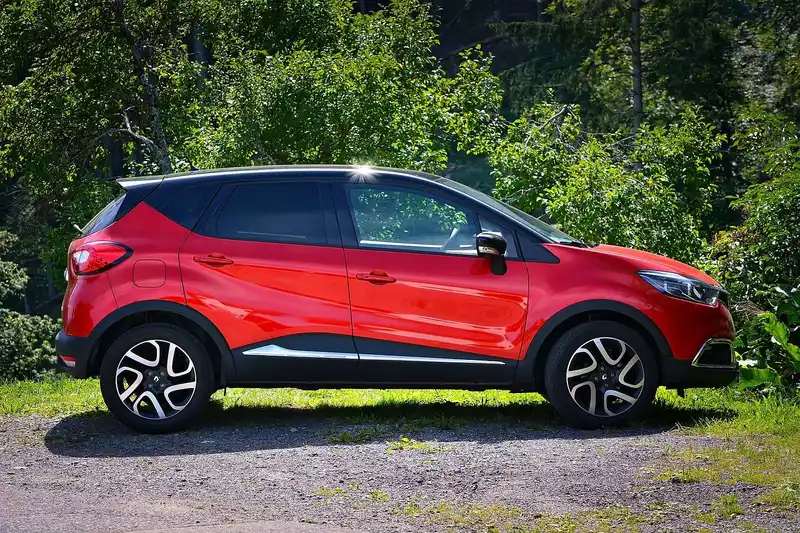
Trucks and SUVs often hold resale better than sedans because they match a wider range of jobs, from towing and hauling to snow travel and family use. That does not make every truck or SUV a great bet. It means the buyer pool is often larger, and larger demand usually softens the depreciation hit.
Body style and demand
Pickup trucks and SUVs generally retain value better over 3 and 5 years than comparable sedans. Body style alone does not seal the deal, though. A full-size truck with the wrong cab, weak engine choice, or luxury-heavy build can trail a simpler configuration that more buyers can afford.
Regional effects
Regional demand changes the exit speed. A Tacoma or F-150 is easier to move in truck country. A Crosstrek gains an edge where AWD matters. A Wrangler can sell quickly in outdoor and warm-weather markets, yet may be slower in areas where the buyer pool is smaller or more price sensitive.
When sedans still make sense
Sedans still make sense when the goal is quick sale, low fuel use, and low ownership cost. Civic and Corolla buyers are plentiful, so a clean, common sedan can trade fast even if it does not beat the top trucks on percentage retained. For a commuter, liquidity can matter more than peak retention.
Which trims and powertrains protect value?
Popular trims usually protect value better than luxury trims because they stay inside the budget of more buyers. The same rule applies to drivetrains, option packages, and color choice. A model with the right nameplate can still age poorly if it is too expensive to own, too unusual to price, or too specific for the local market.
Volume trims vs luxury trims
Volume trims such as SR, SR5, LX, LE, Sport, XLT, and Premium often sell better than top-end luxury versions because they cost less used and appeal to more shoppers. Loaded trims may feel better new, but resale rarely rewards every option dollar. Big wheels, expensive infotainment packages, and premium interiors do not always come back at trade-in.
Gas vs hybrid resale
Hybrid powertrains can command a fuel-economy premium, especially in cars like the Corolla Hybrid or certain Civic Hybrid models where gas savings are easy to understand. The risk is buyer hesitation around battery longevity and repair cost. Good hybrids can hold value well, but the spread between gas and hybrid resale often depends on the model, age, and local fuel prices.
Drivetrain and option-package effects
Two-wheel drive can hurt resale in snow country and help in warm regions where buyers do not need 4×4. Four-wheel drive or AWD can raise demand, but only when it matches local use. Option packages work the same way. A mild convenience package is often easier to sell than an extreme off-road or luxury bundle that shrinks the audience.
Colors and spec choices to prefer or skip
Choose white, silver, gray, black, or other common colors if resale is the goal. Avoid loud colors unless the model is a specialty vehicle where that color is part of the appeal. Skip odd wheel packages, extreme lift kits, and custom interior choices. A common first-timer mistake is buying the priciest trim on the lot and expecting the market to pay full freight later.
How to choose for your budget
Pick the model that fits your ownership horizon first, then choose the trim that stays liquid. If you will sell in 3 years, prioritize broad demand and low mileage sensitivity. If you plan to keep the vehicle for 5 years or more, strong reliability and reasonable maintenance costs matter even more than a small edge in 3-year retention.
- Match the model to the exit timeline. Short ownership favors Tacoma, Civic, Corolla, and popular F-150 trims. Longer ownership makes condition and maintenance history even more important.
- Keep mileage realistic. High mileage cuts resale most sharply on used cars with weak demand. A clean truck or SUV still loses value, but it may hold up better than an overused sedan with the same miles.
- Buy the trim the market knows. A common trim is easier to price. Rare packages narrow the buyer pool and slow the sale.
- Watch the local market. AWD crossovers and pickups often sell faster in regions where they fit daily use. In cities with tighter parking and lower truck demand, simpler compact cars may exit faster.
- Keep records and avoid damage. Clean maintenance records, no accident history, and solid tires, glass, and paint condition all support trade-in value.
Suppose a buyer drives 12,000 miles a year and plans to trade in after 3 years. A Civic or Corolla in a mainstream trim can be easier to place quickly than a luxury compact with expensive options, even if the luxury car looked better on paper. The simpler car usually reaches more buyers.
Picture a Tacoma buyer in Colorado versus one in a dense coastal city. The same truck can sell faster in the first market because four-wheel-drive utility has local value, while a high-spec full-size truck may need a bigger discount in the second market to clear the lot.
Frequently asked questions
Which cars hold their value best after 3 to 5 years?
Toyota Tacoma, Toyota 4Runner, Honda Civic, Toyota Corolla, Subaru Crosstrek, Ford F-150, and Jeep Wrangler are common strong performers over 3 to 5 years. The best result usually comes from high-demand trims, common drivetrains, lower mileage, and clean history rather than the most expensive version.
Are trucks or SUVs better for resale value than sedans?
Trucks and SUVs often retain value better than sedans because more buyers want utility, cargo space, and winter capability. That said, a Civic or Corolla can still be easier to sell quickly than a weirdly optioned truck. Demand, region, and trim often matter more than body style alone.
What features help a car keep its resale value?
Lower mileage, clean maintenance records, no accident history, and common equipment help the most. Popular colors, mainstream trims, and widely accepted drivetrains also matter. Extreme modifications, oversized wheels, unusual interiors, and niche option packages usually cut the buyer pool and can slow the sale.
Does buying a popular trim improve resale value?
Yes, usually. Volume trims such as SR5, XLT, LE, Sport, and similar middle-of-the-road versions often sell better because more buyers can afford them. Top trims can be nice to own, but the market rarely returns every extra dollar spent on luxury features or rare packages.
Which used cars are safest bets for holding value?
The safest used-car bets are models with broad demand, easy parts support, and simple trim structures. Civic, Corolla, Tacoma, 4Runner, Crosstrek, F-150, and Wrangler are common examples. Buy the cleanest example you can afford, then favor the trim the market already knows well.
How much does mileage affect resale value?
Mileage has a strong effect on resale because buyers use it as a shortcut for wear, maintenance risk, and remaining life. A higher-mileage car with great records can still do fine, but the gap widens as miles rise. Lower mileage usually helps the most when the model already has strong demand.
Are electric cars good or bad for resale value?
EV resale is mixed. Some models hold up well when range, software support, and battery health stay competitive, while others take a harder hit as newer versions improve. Buyers worry about charging access, battery degradation, and rapid tech changes, so the answer depends heavily on model and market.
Which brands usually have the strongest resale value?
Toyota, Honda, Subaru, and some truck-focused Ford models often rank near the top because buyers trust them and the used market knows what to expect. Brand matters, but trim and configuration still decide a lot of the actual trade-in result. A strong nameplate can still age poorly in the wrong build.
Products related to this article
Sponsored / affiliate links. As an Amazon Associate I earn from qualifying purchases. I may earn additional commission from eligible campaigns.