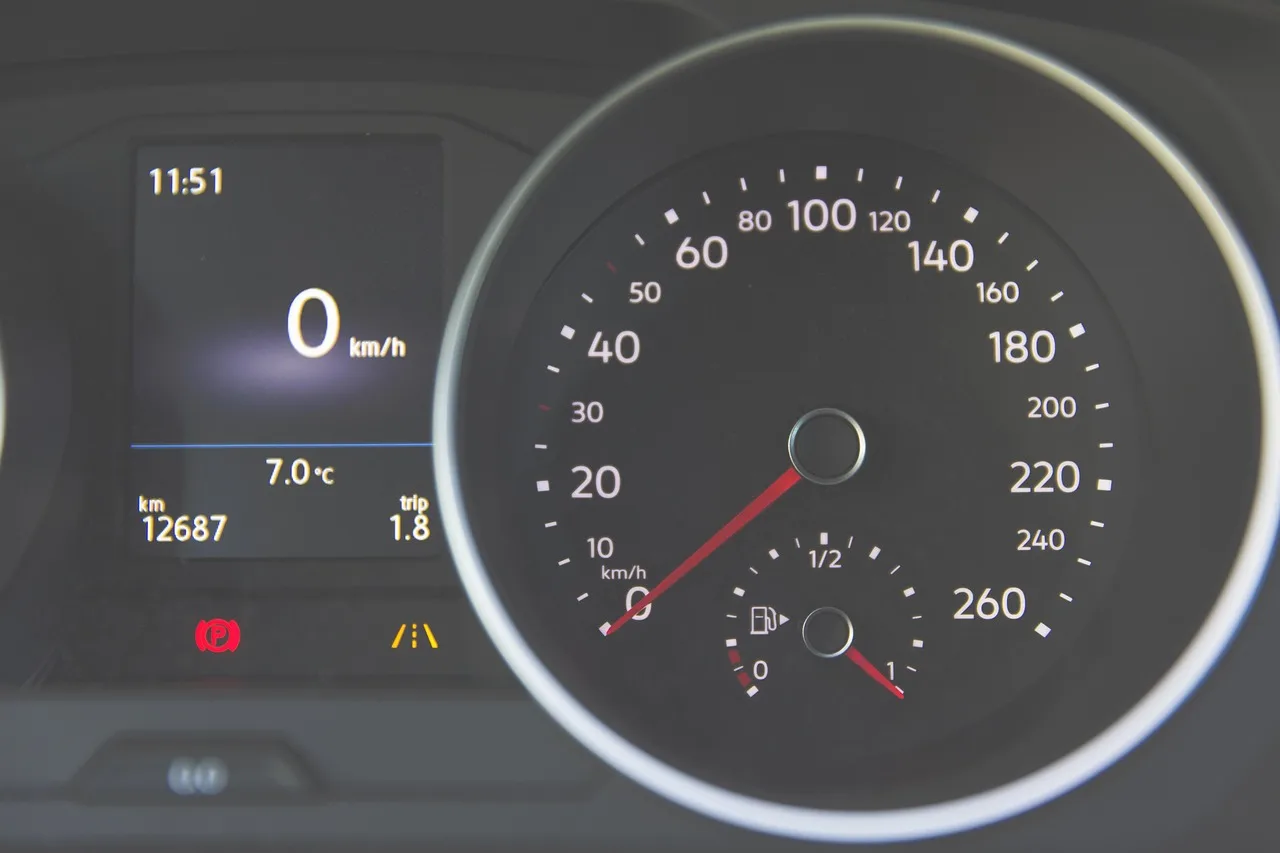
Chevy Dashboard Warning Lights: The Most Important Symbols
Chevy dashboard warning lights should be triaged in three steps: red symbols mean stop and shut the vehicle down if needed, amber symbols mean check the fault soon, and blue or green lights usually show a system status or reminder. Ignoring the wrong one can turn a minor fault into engine damage, brake loss, or a dead battery. This guide ranks the most important Chevy symbols first, then shows what to do next for each color and icon.
Chevy warning light colors and urgency
Color is the fastest clue on a Chevy cluster. Red means immediate attention and may call for shutting the vehicle down. Amber or yellow usually means inspect it soon, while blue, green, and white lights normally indicate a feature status or reminder. If a light flashes, treat that as a higher-risk warning until you know otherwise.
That matters because a Chevy message center can add wording such as “Engine Power Reduced,” “Service Brake System,” or a pressure message that explains the icon better than the icon alone. On some Chevy models, the exact layout and wording can vary by trim, but the urgency logic does not.
Red lights: stop or shut down
Red warning lights are the most urgent and can require immediate action. On a Chevy, that usually means oil pressure, engine temperature, or a serious brake or charging problem. If the red light stays on while driving, pull over safely and do not keep pushing the vehicle.
Amber or yellow lights: check soon
Amber lights usually mean a problem should be checked soon, not necessarily immediately. That includes the check engine light, ABS warning, and TPMS. Some amber warnings allow you to finish a short trip, but you should not leave them alone for days.
Blue, green, and white lights: information only
Blue, green, and white lights generally indicate a feature is active or a reminder is pending, not a fault. Common examples are headlights, cruise control status, or a seatbelt reminder icon on some clusters. These lights tell you the vehicle is reporting status, not failure.
Why flashing changes the risk level
A flashing light can mean the problem is more urgent than the same symbol when it stays steady. A flashing MIL can point to a serious engine condition that may cause immediate power loss or catalytic converter damage. A flashing warning should never be treated as a simple reminder.
What do Chevy dashboard warning lights mean?
Chevy dashboard warning lights can mean the vehicle has detected a condition that needs attention, from a simple reminder to a fault that can affect drivability. The message center often gives the best clue, because the same symbol may map to different wording or next steps depending on model year, trim, and equipment.
How the message center adds context
If the cluster shows both an icon and text, read the text first. A battery symbol plus a “Service Charging System” message points you toward the charging circuit, not the battery alone. A brake symbol with “Parking Brake” is very different from the same symbol with “Service Brake System.”
How the same symbol can vary by model and trim
Chevy uses similar warning icons across Silverado, Equinox, Malibu, Tahoe, and Traverse, but the display can change. Some clusters show a full message. Others use only a symbol and a small information screen. That is why a quick glance is useful, but the owner’s manual still matters for the exact cluster wording.
How to use the owner’s manual without wasting time
Use the manual to match the icon shape to the system, not to learn every page of the book. Look for the warning-light section, then confirm the symbol, color, and message. If the manual says the same light can mean more than one thing, go by the color and the vehicle behavior first.
Chevy warning light triage table
This table ranks common Chevy symbols by urgency. Use it as a fast first pass, then check the message center or the manual for model-specific wording.
| Symbol name | Color | Likely urgency | First safe action |
|---|---|---|---|
| Oil pressure warning light | Red | Immediate shutdown | Pull over safely and stop the engine. Check oil level only after the vehicle is safely parked. |
| Engine coolant temperature warning | Red | Immediate pull-over | Safely pull over and stop if temperature is too high. Do not open the cooling system while hot. |
| Battery / charging system warning light | Red | Urgent | Reduce electrical load and get the vehicle checked. Inspect battery terminals and charging-system warnings. |
| Brake warning light | Red | Urgent | Confirm the parking brake is fully released. If it stays on, stop and inspect brake fluid and the brake system. |
| Malfunction Indicator Light / check engine light | Amber | Soon; flashing is urgent | Check for drivability issues, fuel cap fit, and schedule a scan. If flashing, reduce load and seek service quickly. |
| ABS warning light | Amber | Service soon | Drive carefully and arrange brake-system service. Normal braking may still work, but anti-lock function may not. |
| TPMS / tire pressure warning | Amber | Soon | Check tire pressures with a gauge and inspect for a slow leak or puncture. |
| Seatbelt reminder | Red or white, depending on cluster | Reminder only | Buckle the driver or front passenger seatbelt. No mechanical fault is implied. |
Say your Silverado shows a red battery symbol and the display adds “Service Charging System.” That is a different situation from a lone amber tire-pressure icon. The battery fault can cause several systems to complain at once, so it belongs higher on the list.
A common first-timer mistake is assuming a yellow engine light and a tire-pressure symbol mean the same thing when one may need immediate attention and the other may only require checking the tire pressure. A loose gas cap can trigger the MIL, while a TPMS light can come from cold weather or a slow leak. The next step should match the system, not the color alone.
Which Chevy warning lights mean stop driving right away?
Stop driving right away for a red oil pressure light, a red engine temperature warning, or a red charging-system warning when the vehicle is losing electrical power. A red brake light that stays on also needs immediate attention. These are the lights most likely to turn a short drive into real damage.
Oil pressure warning light
The oil pressure warning light means low engine oil pressure. If it turns on while driving, the vehicle should be safely pulled over and shut down as soon as you can do so without creating a traffic hazard. Low pressure can damage the engine quickly.
After shutdown, check the oil level only if the engine is cool enough and the vehicle is parked safely on level ground. If the level is low, top up only with the correct oil grade, then look for leaks. If the light remains on after a proper refill, do not keep driving.
Engine coolant temperature warning
The engine temperature warning means the coolant temperature is too high. If the temperature light comes on while driving, you should safely pull over and stop. Keep the engine off until it cools enough for inspection, because hot coolant can spray under pressure.
Battery / charging system warning light
The battery warning light means the battery is not charging properly. In Chevy vehicles, that often points to the alternator or another charging-system fault rather than the battery itself. A battery-charge problem can trigger multiple warning lights across systems, and an insufficient battery charge can affect engine, traction control, and other systems.
Brake warning light
The brake warning light can mean the parking brake is applied. If it stays on after you release the parking brake, it can indicate low brake fluid or a brake system malfunction. Do not ignore a persistent brake warning, because it can affect stopping performance.
What does the check engine light mean on a Chevy?
The check engine light, or MIL, is part of the OBD II system. It can stay steady for a fault that needs a scan soon, or it can flash when the problem is serious. On a Chevy, it may point to engine or transmission issues, and a loose gas cap can also trigger it.
Steady MIL: plan a scan and check drivability
A steady MIL usually means the truck, SUV, or car has stored a fault code but is still running. If the vehicle drives normally, you can often continue a short trip and schedule a scan soon. Pay attention to rough idle, hesitation, loss of power, or shifting changes.
Flashing MIL: treat as urgent
A flashing MIL can signal serious conditions that may cause immediate power loss or catalytic converter damage. If it flashes, back off the throttle, avoid hard acceleration, and get the vehicle checked quickly. If the engine shakes badly or loses power, pull over.
Loose gas cap and other common triggers
A loose or poorly seated gas cap is one of the simplest causes. Tighten it until it clicks, then drive normally and see whether the light clears after several trips. Other common causes include ignition misfires, sensor faults, and transmission-related codes that need a scan tool to confirm.
ABS, brake, battery, and TPMS lights
These lights often appear together because one fault can affect several systems. A battery or charging issue can trigger a cascade, while a tire pressure warning or brake warning may appear on its own. Read the message center first, then rank the symbols by urgency.
ABS warning light
The ABS warning light usually means the anti-lock braking system has a malfunction. Normal braking may still work, but the anti-lock function may not. That affects brake safety, especially on slippery roads, so the vehicle should be serviced soon.
Battery and charging-system faults
A red battery light means the charging system is not keeping the 12-volt system supplied correctly. Check for loose or corroded battery terminals, a loose drive belt if visible, and any obvious charging warning in the display. If other lights appeared at the same time, put charging-system checks near the top.
TPMS and false positives
The tire pressure light can mean the tire pressure is low or losing pressure. It can also be sensor-related, especially after tire service or during cold weather. A true low-pressure warning is easy to check with a gauge; a sensor fault may need relearn or service.
Picture a Traverse that shows a TPMS light on a cold morning after the overnight temperature drops. The first safe check is still the same: verify the tire pressures, including the spare if your trim monitors it. If one tire is clearly low, look for a nail or sidewall damage before driving farther.
Why are multiple warning lights on at once in my Chevy?
Multiple warning lights at once often point to one root cause, not several separate failures. A battery-charge problem can trigger multiple warning lights across systems, and an insufficient battery charge can affect engine, traction control, and other systems. Start with the charging system before chasing each symbol one by one.
| Likely root cause | Clues you may see | First 3 checks |
|---|---|---|
| Weak battery or charging fault | Battery light, traction control light, ABS light, odd message center warnings | Check battery terminals, inspect the drive belt if visible, test battery voltage or have the charging system checked |
| Low system voltage after a jump start | Several lights come on after a dead battery or recent jump start | Confirm the battery connections are tight, drive only if the vehicle behaves normally, scan for stored codes |
| Sensor or communication fault | Mixed warnings with no obvious drivability problem | Read the message center, check for obvious loose connectors after service, have codes read |
| One true fault with secondary warnings | Primary warning plus unrelated system alerts | Rank the red warning first, then inspect the highest-risk system before the rest |
If several lights appear together, do not assume the most dramatic-looking icon is the root cause. On a Chevy, the display text may point to the charging system while the ABS, traction, and stability lights are only secondary symptoms. The first three checks should be battery connections, charging-system condition, and the message center wording.
- Read the message center and note every warning shown.
- Check the most urgent red symbol first, especially oil pressure, temperature, or brake warnings.
- Inspect battery terminals, fluid levels, and tire pressure only after the vehicle is safely parked.
Which dashboard lights are just reminders and not a fault?
The seatbelt reminder is the clearest example of a reminder rather than a failure. It usually means the driver or front passenger is unbuckled. Blue, green, and white status lights can also be informational, such as headlights or cruise control. These do not point to a mechanical problem.
Seatbelt reminder
The seatbelt reminder means the driver or front passenger is not buckled. It can be mistaken for a fault light because it appears on the cluster, but it does not indicate mechanical failure. Buckle the belt and the reminder should stop.
Status lights that are not faults
Some indicators simply confirm that a feature is active. Examples include high-beam indicators, turn-signal arrows, and certain cruise-control icons. If the light is blue, green, or white and the vehicle is behaving normally, it is usually informational.
Frequently asked questions
Which Chevy warning lights mean I should stop driving right away?
Stop for a red oil pressure light, a red engine temperature warning, or a brake warning that stays on after the parking brake is released. A red charging-system warning also deserves immediate attention if the vehicle is losing electrical power. These lights can point to damage or safety loss.
What does the red battery light mean in my Chevy?
It usually means the battery is not charging properly. That points to the alternator or another charging-system issue more often than the battery itself. If the light appears with several other warnings, treat the charging system as the likely root cause and limit driving.
Can I keep driving if my Chevy check engine light is on?
If the MIL is steady and the vehicle drives normally, you can often continue a short trip and plan a scan soon. If it flashes, treat it as urgent and reduce load right away. A loose gas cap can trigger it, but a flashing light needs faster attention than that.
What does the ABS light mean on a Chevy dashboard?
It means the anti-lock braking system has a fault. Normal braking may still work, but anti-lock protection may not be available when traction is poor. That is a brake-safety issue, so you should schedule service soon rather than ignore it.
What does the tire pressure light mean on a Chevy?
It usually means one or more tires are low or losing pressure. Check with a gauge, not just by appearance, because a tire can be low without looking flat. In cold weather or after tire service, a sensor issue can also trigger the warning.
Products related to this article
Sponsored / affiliate links. As an Amazon Associate I earn from qualifying purchases. I may earn additional commission from eligible campaigns.