Why One Brake Pad Wears Faster Than the Others
If one brake pad is thinner than the rest, the fault is usually at that wheel. Inner-pad wear usually points to a seized caliper slide or piston, outer-pad wear to stuck slides or bent hardware. Ignoring it can overheat the rotor, pull the car, and turn a pad mismatch into a caliper or rotor replacement. This guide shows how to read each wear pattern, then match it to the most likely part before you replace anything.
Brake wear diagnosis matrix

Start with the wear pattern, not the guess. The table below maps the visible pattern to the most likely fault, the fastest check, and how urgent it is.
| Wear pattern | Likely fault | Quick inspection | Urgency | Stop driving? |
|---|---|---|---|---|
| Inner-only wear | Sticking caliper piston or slide pins | Check whether the inner pad is much thinner, then verify piston retraction and pin movement | High | Yes, if the pad is near the backing plate or the wheel runs hot |
| Outer-only wear | Seized slide pins, bent hardware, or a caliper that is not floating correctly | Pull the caliper and inspect the pins, boots, and hardware for corrosion or dry grease | High | Yes, if the wheel is hot or the pad is badly thinner than the other side |
| One-wheel wear | Something sticking at that corner: caliper, parking brake, rotor, or suspension | Compare rotor temperature, pad thickness, and wheel drag to the other side | High | Yes |
| Both pads on one axle wear | Normal axle loading, frequent light braking, or a shared fault such as rotor condition or parking brake drag | Measure both pads and inspect both rotors on that axle | Medium to high | Maybe, unless the wear is uneven, hot, or near metal |
| Tapered wear | Pad movement problem, rotor runout, or uneven hardware contact | Look for wedge-shaped pad thickness and uneven rotor surface contact | High | Yes, if the taper is pronounced |
| Heat-discolored rotor | Drag from a sticking caliper, seized pins, or parking brake issues | Check for blue spots, scoring, and a wheel that stays hotter than the rest | High | Yes |
What counts as normal pad wear?
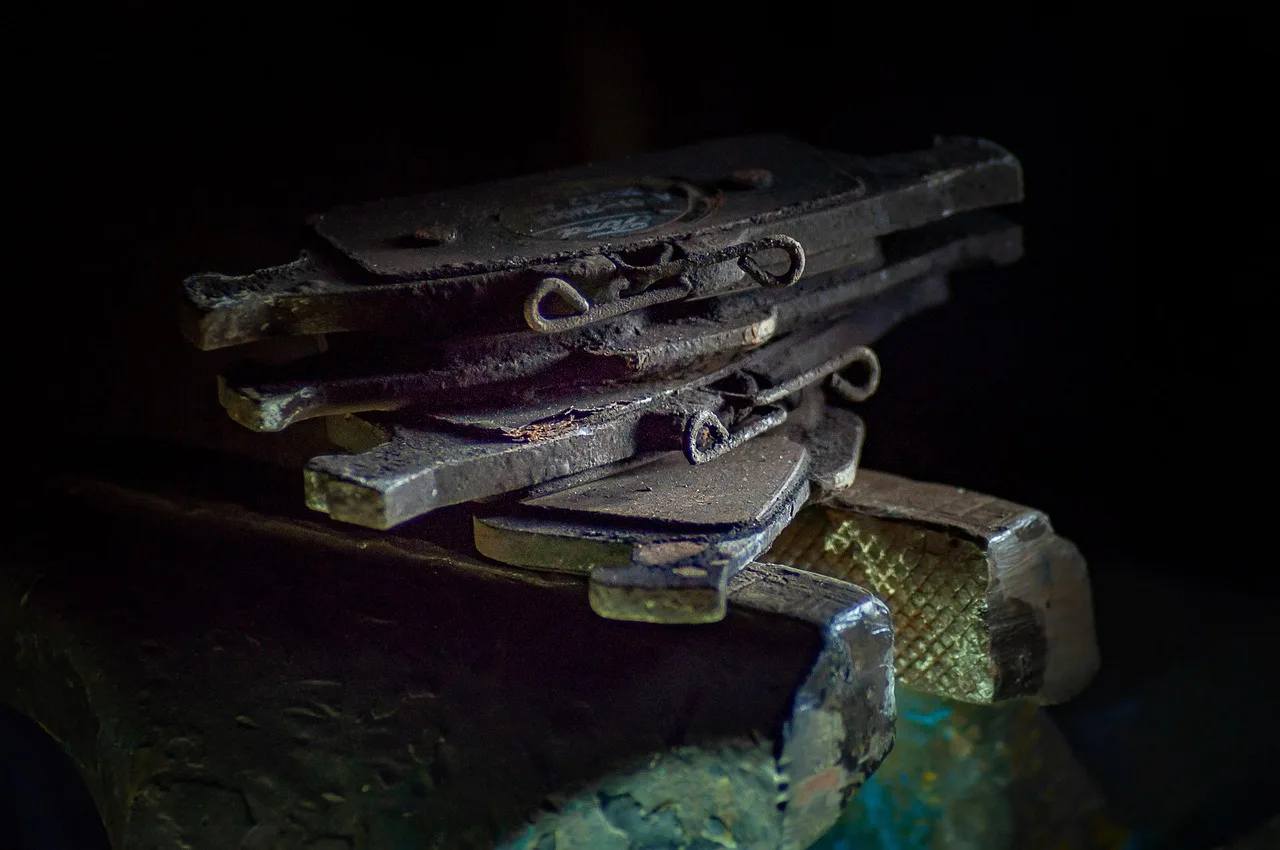
A small thickness difference can be normal on some floating calipers. The caliper body is meant to slide on pins so both pads clamp centered, and slight inner-pad wear can happen even when the parts are working correctly. A pad that is tapered, much thinner, or down to the backing plate needs inspection.
What matters is the size of the gap and the pattern around it. A small mismatch between matching pads on the same axle can be acceptable. A clear thickness gap, a wedge shape, or one pad close to metal is not.
Heat, pull, and noise change the diagnosis. If one wheel runs hotter, the vehicle pulls while braking, or the pad squeals or scrapes, treat the wear as a fault rather than normal variation.
When a gap becomes service-worthy
Use the pad pair on the same wheel as the first comparison. If one pad is visibly much thinner than its mate, or if one pad is almost gone while the opposite pad still has useful lining, the corner needs inspection. That is especially true when the rotor shows scoring or the wheel has any drag after a short drive.
Why does one brake pad wear faster?
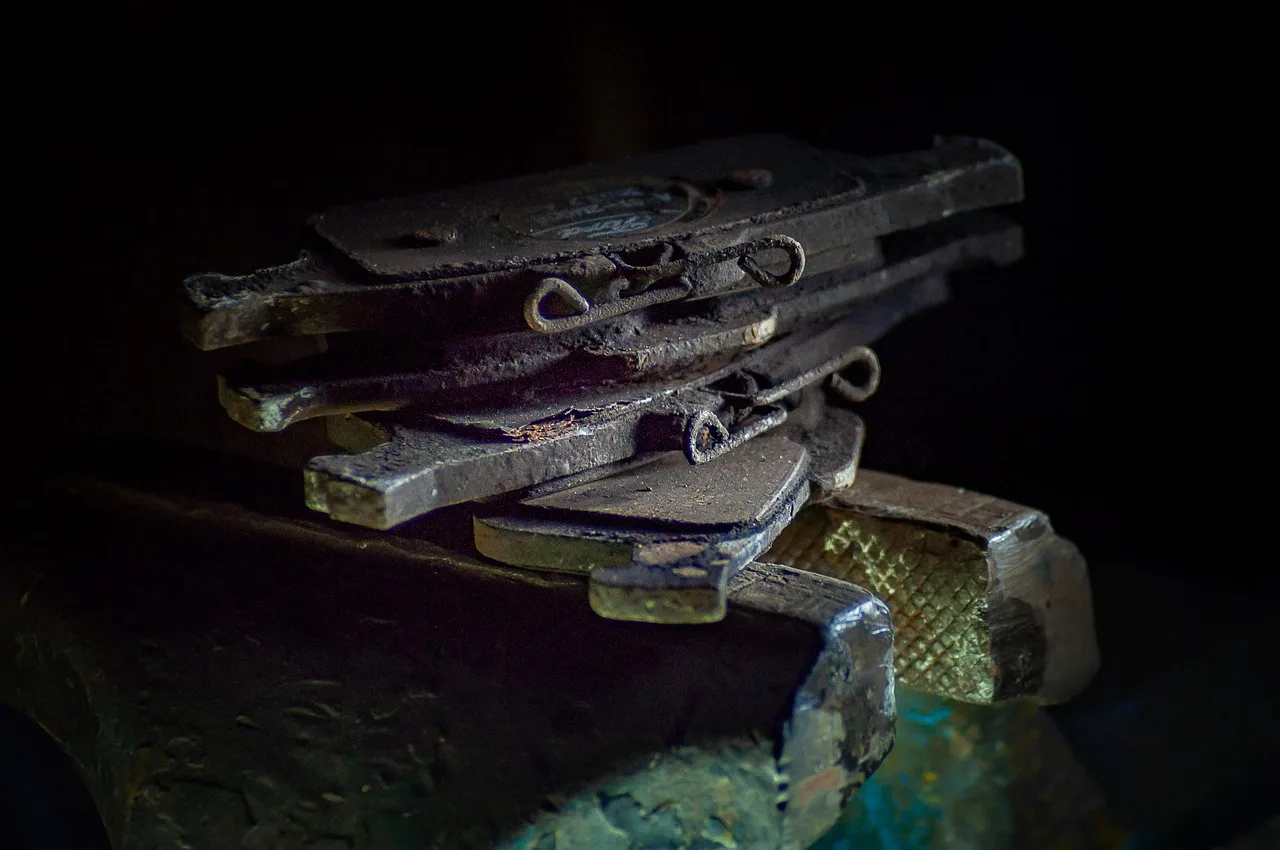
The most common reason is a caliper that is not moving freely. A floating caliper should slide and clamp evenly, but if the slide pins are dry, corroded, or seized, pad contact shifts to one side. A sticking caliper piston can do the same thing by keeping the pad partly applied after the pedal is released.
Floating caliper movement and centered clamping
On a floating caliper, the caliper body should slide on pins so the inner and outer pads can clamp with roughly equal force. When that movement is smooth, a slight inner-pad lead can be normal. When the slide is restricted, clamping becomes uneven and one pad starts doing more work than the other.
Slide pin binding
Slide pins are a common failure point after long service intervals. They should move freely for centered clamping. Corrosion, dry grease, or torn boots can let moisture in and turn the pins sticky. Seized pins can cause dragging and heat, and service may require cleaning, grease, or replacement.
Say your left front outer pad is 9 mm thick and the inner pad is down to 2 mm, while the right front pads are both near 7 mm. That pattern points first to the left front caliper, then to the slide pins and piston before any other part is replaced.
Caliper piston drag
The brake caliper piston should retract after braking. If it sticks, the pad stays partially applied and one corner overheats. Corrosion or damaged seals can cause that drag, and the wear often shows up as one pad far thinner than the other on the same wheel.
Why is the inner pad worn first?
Inner-pad wear often points to a sticking piston, especially when the inner pad is much thinner than the outer pad on the same wheel. A caliper that keeps pressure on the inner pad after pedal release can overheat that corner, discolor the rotor, and shorten pad life fast. Dry or seized slide pins can make the same pattern worse.
Sticking piston symptoms
Look for a wheel that runs hotter than its mate, a rotor with heat spots, or a pad that is near the backing plate while the outer pad still has material left. A sticking caliper keeps the pads pressed against the rotor even when you’re off the brake. That is a repair-now condition, not a monitor-it item.
How rotor surface problems make it worse
Rotor runout, scoring, rust ridges, and thickness variation can change pad contact. Uneven rotor surfaces can create taper wear, and heat spotting or discoloration may indicate drag. A bad rotor does not usually start the wear pattern by itself, but it can make a sticking caliper wear faster and noisier.
Suppose the inner pad on one rear wheel is tapered and blue spots show on the rotor face. That combination points to drag at that corner, not a simple pad material issue.
Why does one rear brake pad wear faster?
Rear brake pads can wear before front pads on some vehicles, and rear drag is common when the parking brake hardware does not release fully. If only one rear wheel is affected, suspect the parking brake mechanism, the caliper slide system, or a piston that is hanging up. The rear axle deserves the same inspection order as the front.
Parking brake drag
Parking brake drag can wear rear pads because many vehicles use the rear brakes for parking brake function. That matters on rear brakes with integrated mechanical parking brakes. If the lever, cable, or internal mechanism does not return cleanly, one side or both rear wheels can drag and wear quickly.
Electronic parking brake sticking
Electronic parking brake systems can stick if not serviced correctly. A scan-tool release may be needed on some vehicles, and a fault in the mechanism can leave one rear pad or both rear pads dragging after the parking brake is released. A hot rear wheel after a short drive is a warning sign.
Rear caliper and rotor checks
Check the rear pads, slide pins, rotor face, and parking brake hardware in that order. If one rear rotor has scoring or heat discoloration while the other looks normal, the problem is at that corner. Do not assume rear wear is harmless just because the rear brakes usually do less work than the fronts.
What else can shift pad wear?
Brake parts are not the only things that can affect pad contact. Rotor condition, wheel-end looseness, brake fluid condition, and repair mistakes can all create a one-pad wear pattern or make a small issue much worse. The corner check has to include the full assembly.
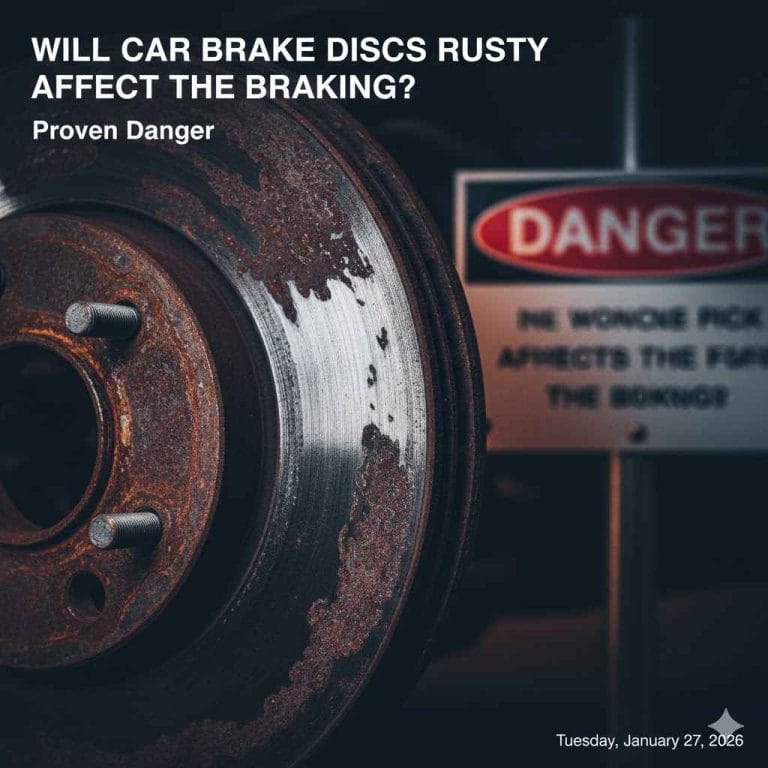
Rotor runout, scoring, rust ridges, and thickness variation
Rotor surface condition affects pad contact. Runout can push the pads apart unevenly. Scoring and rust ridges can change the contact patch, and thickness variation can make the pad ride on high and low spots. If the pad face looks stepped or one edge is wearing faster, inspect the rotor closely.
Wheel bearing play and suspension looseness
Wheel-end suspension components can shift alignment under braking. Wheel bearing play, control arm bushings, ball joints, and bent parts can all change how the pad meets the rotor. Suspension looseness can show up as pull or uneven tire wear, so the inspection should include the full corner, not only the brake hardware.
Brake fluid condition and caliper health
Brake fluid with too much moisture can lower boiling performance, and fluid condition matters to caliper health. Moisture contamination can contribute to sticking caliper symptoms, especially in systems that have gone beyond the service interval. Poor fluid does not usually cause one-pad wear alone, but it can make caliper problems more likely.
Post-repair mistakes that create uneven wear
A common first-timer mistake is reassembling the brake with the wrong pad orientation or missing hardware. Pads that are not seated correctly, anti-rattle clips installed wrong, or boots pinched during assembly can create contact problems that look like a failed caliper. If the wear started right after service, inspect the hardware first.
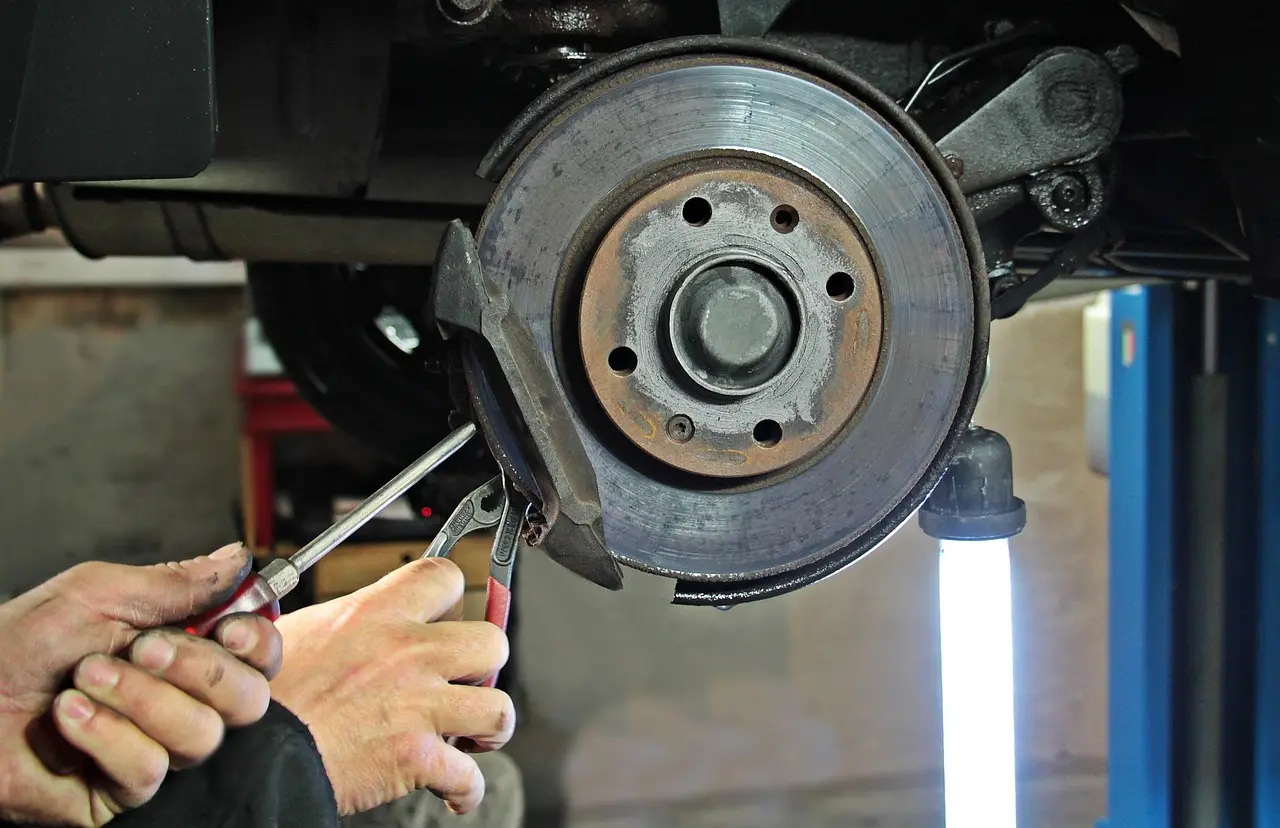
- Measure both pads on the affected wheel and compare them with the opposite side.
- Check for a pad that is tapered, much thinner, or near the backing plate.
- Spin the wheel and feel for drag, then compare rotor temperature side to side.
- Inspect the slide pins for corrosion, dry grease, seized movement, or torn boots.
- Check the caliper piston for smooth retraction and signs of corrosion or seal damage.
- Inspect the rotor for runout, scoring, rust ridges, thickness variation, and discoloration.
- On rear brakes, inspect the parking brake mechanism and release action.
- Check wheel bearing play, bushings, and ball joints if the corner still looks suspicious.
Frequently asked questions
Why would one brake pad wear faster than the other?
Because one side of the caliper is not moving or releasing the way it should. On a floating caliper, a small difference can be normal, but a clear gap, taper, or near-metal pad points to sticking slide pins, a dragging piston, rotor issues, or another fault at that wheel.
Why does inner brake pad wear faster?
Inner-pad wear usually points to a caliper piston that is not retracting fully. Dry or seized slide pins can add to the problem. If the inner pad is much thinner and the rotor is hot or blue-spotted, the corner should be inspected before the rotor or caliper is damaged further.
Why would one side of my brakes wear twice as fast as all the others?
That pattern points to a sticking component at one corner. A wheel that wears much faster than the others usually means something is sticking, such as the caliper piston, slide pins, or parking brake hardware. Check that corner first, then inspect the rotor and suspension before driving far.
What should I do if one pad is almost gone?
Stop treating it as a wear item and start treating it as a fault. A pad that is down to the backing plate should be inspected immediately. If the wheel is hot, the car pulls, or the rotor is discolored, do not keep driving except to move the vehicle safely for repair.
Products related to this article
Sponsored / affiliate links. As an Amazon Associate I earn from qualifying purchases. I may earn additional commission from eligible campaigns.
 QivaZira Brake Pad Measuring Tool Set Brake Lining Thickness Gauge for Automotive Maintenance Color Coded SAE and Metric Wear Indicator for Cars Trucks
 Brake Bleeder Kit Automotive,Brake Fluid Bleeder Exchanger Machines,Brake Oil Fluid Extractor Pump,Professional Pulsating Brake Oil Fluid Bleeding Tool,Automatic Vacuum Brake Bleeder One Person