Why Is My Honda Civic Making a Humming Noise?
A Honda Civic humming noise usually points to a wheel bearing, tire tread wear, CV axle, brake hardware, or transmission issue. The key clue is whether the sound changes with speed, steering, or braking. Ignore it, and a bad bearing, tire separation, or axle joint can get louder, wear parts faster, and in rare cases become a safety issue. This guide shows how to sort the sound by road speed, steering load, braking, road surface, and drivetrain load so you can narrow the cause before buying parts.
What the hum changes tell you
The noise pattern matters more than the word “humming.” A steady hum that rises with road speed points you toward wheel bearings or tires first. A hum that changes with steering input, braking, or acceleration shifts suspicion to bearings, brakes, steering assist, belt drive, or transmission-related noise.
Speed-only hum versus speed plus load
If the hum starts at a certain road speed and stays about the same on a straight road, wheel bearing and tire noise move to the top of the list. If the sound changes when the engine load changes, such as during acceleration or while climbing a hill, look harder at the transmission fluid condition, engine accessory belt system, or driveline parts.
What steering input changes can mean
A hum that gets louder when you turn left or right is a strong bearing clue because steering load shifts weight onto one side. If the sound appears mainly at low speed while turning the wheel, the power steering system can also be involved. A CV joint usually clicks more than it hums, but it still belongs in the diagnosis path.
Why road-surface changes matter
Noise that changes on coarse pavement, concrete seams, or a grooved road often points to tire tread pattern noise. Road crown can also make one side of the car load differently, which can make a bearing hum sound louder in one lane than another. That is why the same Civic can sound different on two roads at the same speed.
Civic humming diagnosis matrix
Use this table to sort the most likely cause by the exact trigger. It is a quick filter, not a final verdict.
| Symptom trigger | Likely cause | Quick test | Urgency | DIY vs shop |
|---|---|---|---|---|
| Speed-only hum | Wheel bearing or tire noise | Drive on smooth asphalt, then coarse pavement; note whether pitch follows road speed | Moderate; inspect soon | DIY for tire check, shop if the hum is constant or getting louder |
| Hum while turning left | Right-side wheel bearing, sometimes tire noise | On a safe road, make a gentle left sweep and listen for the hum to rise | Moderate to high if the noise grows fast | Shop if the sound is wheel-speed based and directional |
| Hum while turning right | Left-side wheel bearing, sometimes tire noise | Repeat with a gentle right sweep at the same speed | Moderate to high if it changes sharply | Shop if the pattern repeats consistently |
| Hum that grows with acceleration | Transmission fluid issue, engine accessory belt system, driveline noise | Hold speed steady, then accelerate lightly and compare the sound | High if the noise becomes whine-like or harsh | Shop for fluid, belt, tensioner, or pulley diagnosis |
| Hum after braking | Dragging brake pads, backing plate contact, rotor issue | After a short drive, check for one hot wheel or a smell of hot brakes | High; possible brake drag | Shop unless the cause is a visibly loose shield |
| Hum that changes with road surface | Tire tread wear pattern or cupping | Compare the same speed on smooth and rough pavement | Low to moderate unless wear is severe | DIY tire inspection first; shop if wear is uneven |
Say your Civic hums at 45 mph on smooth pavement, then gets much louder on grooved concrete without any steering change. That pattern fits tire noise better than a wheel bearing, especially if the tread shows feathering or cupping on one edge.
Is a wheel bearing the likely cause?
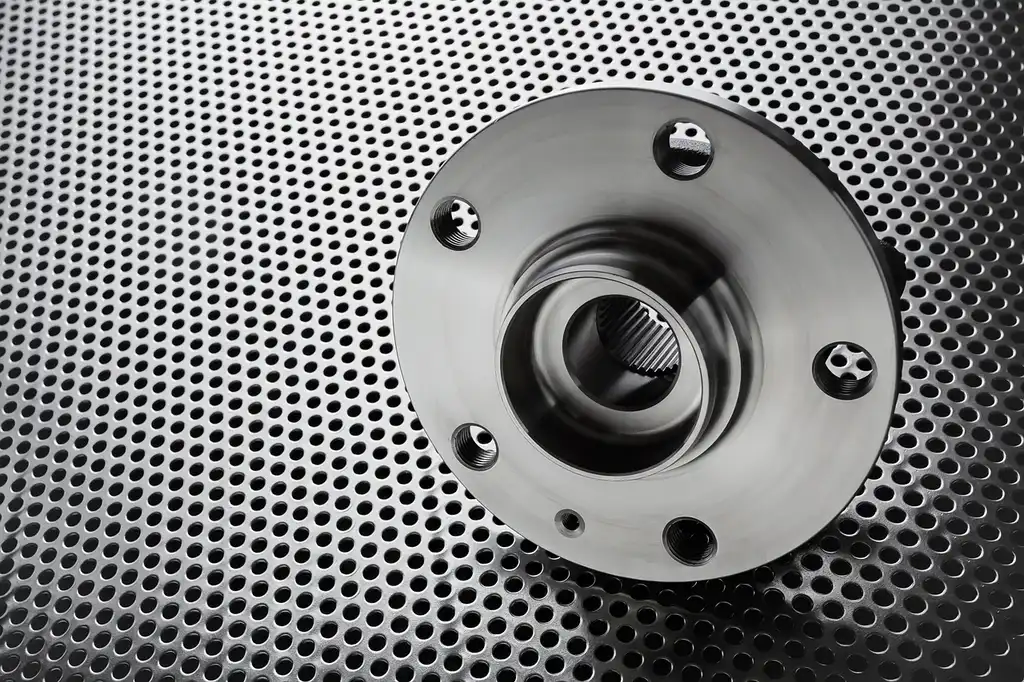
A worn wheel bearing is one of the most common causes of a Civic humming noise. It often changes pitch with speed and may get louder when steering load shifts from one side to the other. If the hum is steady, road-speed based, and not much affected by engine rpm, a bearing should stay near the top of the list.
How a worn bearing sounds on a Civic
On many Civics, a failing bearing starts as a low hum or growl that follows wheel speed. As wear increases, the tone can become harsher and more constant. The noise often does not vanish in neutral because the wheel and hub are still turning.
Why the sound can shift on turns
When you turn left, the right-side wheels carry more load. A failing bearing often gets louder when its corner is loaded and quieter when the load moves away. That change is one of the cleanest clues you can get on a road test.
Quick checks without lifting the car
On a reasonably safe, low-traffic road, keep a steady speed and make gentle lane-width sweeps. Do not yank the wheel. If the hum changes predictably left versus right, note which direction makes it louder. You can also listen for a rougher sound that rises with speed and remains present during light throttle lift-off.
Could tire noise sound like a hum?
Yes. Tire noise can sound very similar to a bad bearing, especially with uneven wear, cupping, or aggressive tread blocks. The key difference is that tire noise usually changes more with road surface than with steering load. If the sound is strongest on certain pavement textures, tires move up the list fast.
Tread wear patterns that mimic bearing noise
Feathered tread, cupping, and heel-and-toe wear can create a steady hum or growl. On a Civic, this can be easy to mistake for a bearing because the sound follows road speed. A visual look at the tread blocks can reveal a sawtooth pattern that points back to alignment, rotation, or suspension wear.
Road crown and coarse pavement clues
Road crown can shift weight enough to change how a tire sings on the pavement. Coarse asphalt and concrete often make tread noise much louder than smooth blacktop. If the hum fades on smooth pavement but returns on rough surfaces, the tire is more suspect than the hub bearing.
How to compare tire noise side to side
- Check tire pressure cold and compare all four tires to the door-jamb placard.
- Inspect for uneven wear, cupping, cuts, bubbles, or feathered edges.
- Swap front and rear tire positions only if the tire type and rotation pattern allow it.
- Repeat the same road test at the same speed after the swap.
- If the hum moves or changes character, tire noise is likely.
A common first-timer mistake is blaming the nearest wheel because the sound seems louder on that side. Tire noise can travel through the body shell and fool you. A 3 mm difference in tread wear across a shoulder can change the sound more than the wheel location does.
Other causes that can mimic a bearing
Not every Civic hum comes from the hub. A different component can make a similar sound if the trigger is acceleration, steering effort, or braking. That is why the noise pattern matters more than the noise label.
CV joint noise and why it usually clicks
A CV joint belongs in the front-end diagnosis, but it more often clicks than hums. Clicking on tight turns is the classic clue. If the sound is more of a hum and less of a click, the axle joint is less likely, though a worn axle can still create vibration or a light whine under load.
Brake drag and rotor contact
Dragging brakes can create a hum, growl, or scraping tone after a drive or right after braking. A stuck caliper, seized slide pin, or bent backing plate can keep a pad in light contact with the rotor. If one wheel smells hot or feels much warmer than the others, stop and inspect before driving farther.
Accessory belt, tensioner, and pulley noise
The engine accessory belt system can make a whine or hum under load. The belt, tensioner, and pulleys can all contribute. These sounds usually rise with engine rpm rather than pure road speed, which helps separate them from tire and bearing noise. If the sound changes in park or neutral when you blip the throttle, this area deserves attention.
Transmission fluid or driveline noise
Low or degraded transmission fluid can contribute to whining or humming, especially if the sound changes with acceleration or gear selection. In automatic Civics, a new hum that tracks throttle more than road speed should not be ignored. A shop can check fluid condition and rule out internal wear before parts are replaced at random.
What you should inspect first
Start with the checks that are safe, fast, and likely to reveal the trigger. Tires, brakes, and loose underbody parts can be inspected without special tools. If the sound is worsening, becomes constant, or changes with steering in a strong way, stop using the car until it is checked.
Tires, tread, and inflation
Look for uneven wear, cupping, embedded debris, bubbles, and low pressure. Match the tread pattern on both sides of the car. If one tire has obvious edge wear or a scalloped pattern, that tire can be the source of a hum that feels like a bearing.
Brake dust, heat, and dragging signs
After a short drive, carefully compare wheel temperature by hovering a hand near each wheel without touching hot metal. A wheel that is much hotter than the others can point to brake drag. Heavy brake dust on one corner can also be a clue, especially if the noise started after a brake job.
Loose splash shields, covers, or underbody parts
A loose splash shield, undertray, or wheel-well liner can rub at speed and sound like a light hum or buzz. This is more likely if the noise appears after road debris, an impact, or recent service. Check for missing clips, broken tabs, and shiny rub marks.
When a road test should stop
Stop driving and arrange a repair if the hum gets louder quickly, the car pulls during braking, a wheel smells hot, or the sound turns into grinding. That is especially important if the noise changes with steering input and the car feels different in the lane. Do not keep driving on a suspected failing bearing or dragging brake.
Suppose the sound only appears at 55 mph and vanishes below 40 mph, but it gets sharper when you gently steer right. That pattern points much more strongly toward a left-front bearing than toward the grille, a bumper cover, or another cosmetic part. Airflow can move loose trim, but it does not usually create a true wheel-speed hum.
Frequently asked questions
Why is my Honda Civic making a humming noise?
A Honda Civic can hum for several reasons, but the first split is whether the sound follows speed, steering, braking, or acceleration. Speed-based hums often point to wheel bearings or tires. Hum that changes with load raises suspicion for brakes, steering assist, belt drive, or transmission fluid issues.
Why does my Honda Civic make a whining noise?
Whining often overlaps with humming, but it usually sounds sharper and more engine-speed based. On a Civic, that can point to the accessory belt system, power steering system, or transmission fluid condition. If the pitch changes with throttle more than with road speed, the drivetrain side deserves a closer look.
Why is my Honda Civic making a grinding noise?
Grinding is more serious than a simple hum. It can point to severe wheel bearing wear, brake hardware contact, rotor damage, or a failing joint. If the sound is rough, constant, or accompanied by vibration, reduce driving and get the car inspected soon.
Can tire noise sound like a humming noise in a Honda Civic?
Yes. Tire tread wear, cupping, and certain tread designs can make a Civic sound like it has a bad bearing. Tire noise usually changes more with road surface than with turns. If the sound shifts on coarse pavement but stays steady through gentle steering, tires are a strong suspect.
Can I keep driving if my Honda Civic is humming?
If the hum is mild, unchanged, and clearly tied to road surface, short local driving may be reasonable while you inspect tires and schedule a check. If it grows louder, changes with steering, or comes with heat, vibration, pulling, or grinding, stop driving and have it looked at promptly.
What should I inspect first when my Civic starts humming?
Start with tire pressure, tread wear, and obvious damage, then check for one hot wheel, brake dust, or loose splash shields. Next, note whether the noise changes with left and right turns on a safe road. Those simple checks separate tire, brake, and bearing clues fast.
Products related to this article
Sponsored / affiliate links. As an Amazon Associate I earn from qualifying purchases. I may earn additional commission from eligible campaigns.
 ACARLUOY Portable Air Compressor for Car Tires - 3X Faster Inflation, Fit for Honda civic 2008-2012,6000mAh Battery, LCD Screen, LED Light,Auto Shutoff
 ACARLUOY Portable Air Compressor for Car Tires - 3X Faster Inflation, Fit for Honda civic 2002-2008,6000mAh Battery, LCD Screen, LED Light,Auto Shutoff