Why Is My Windshield Defroster Not Working?
Your windshield defroster often fails for a few common reasons: no HVAC airflow, weak or cold air from the front vents, or a broken rear-window grid or fuse. If you leave it alone, fog and frost can block visibility fast. This guide shows how to tell which system failed and what to check next.
This guide is part of our Car Heater and Defrost Problems in Winter: Causes and Fixes series.
Defroster diagnosis table

- Digital voltage display is easy to read
- Helps quickly test vehicle circuits
- Long spring wire reaches tight areas
Start with the symptom, not the part. That keeps you from swapping a blower motor when the real fault is a mode door, or replacing rear-grid parts when the front HVAC system is the one that failed.
| Symptom pattern | Most likely failed component | Fastest at-home check |
|---|---|---|
| No air from vents | Blower motor, blower fuse, or control switch | Set the fan to high and listen for the blower. Check whether any vents move air at all. |
| Air only to floor | Mode selector, vacuum supply, or blend/mode actuator | Switch between floor, panel, and defrost modes. If nothing changes, the airflow door is not moving. |
| Cold air only at the windshield | Low coolant, stuck-open thermostat, or clogged heater core | Check coolant level when the engine is cold, then feel whether the engine reaches normal operating temperature. |
| Windshield fogs despite heat | Weak cabin heat, blocked intake, or A/C not drying the air | Confirm warm air at the dash vents and make sure the windshield outlets are not blocked by debris or objects. |
| Rear glass works intermittently | Loose tab, bad spade connection, or failing switch/relay | Watch the rear grid while wiggling the connector area and checking whether the indicator light stays on. |
| Only part of the rear grid heats | Broken grid lines or damaged conductive traces | Look for gaps in the thin lines on the glass; a visible break usually marks the dead section. |
| Defroster clears the center only | Uneven vent distribution or vehicle-specific airflow design | Check whether center vents dominate the airflow. Some vehicles push most defrost air through the middle. |
| Defroster fuse keeps blowing | Shorted circuit, overloaded grid, or wiring fault | Replace only with the specified amperage. If it blows again, stop and inspect the circuit before trying another fuse. |
How the front defroster works
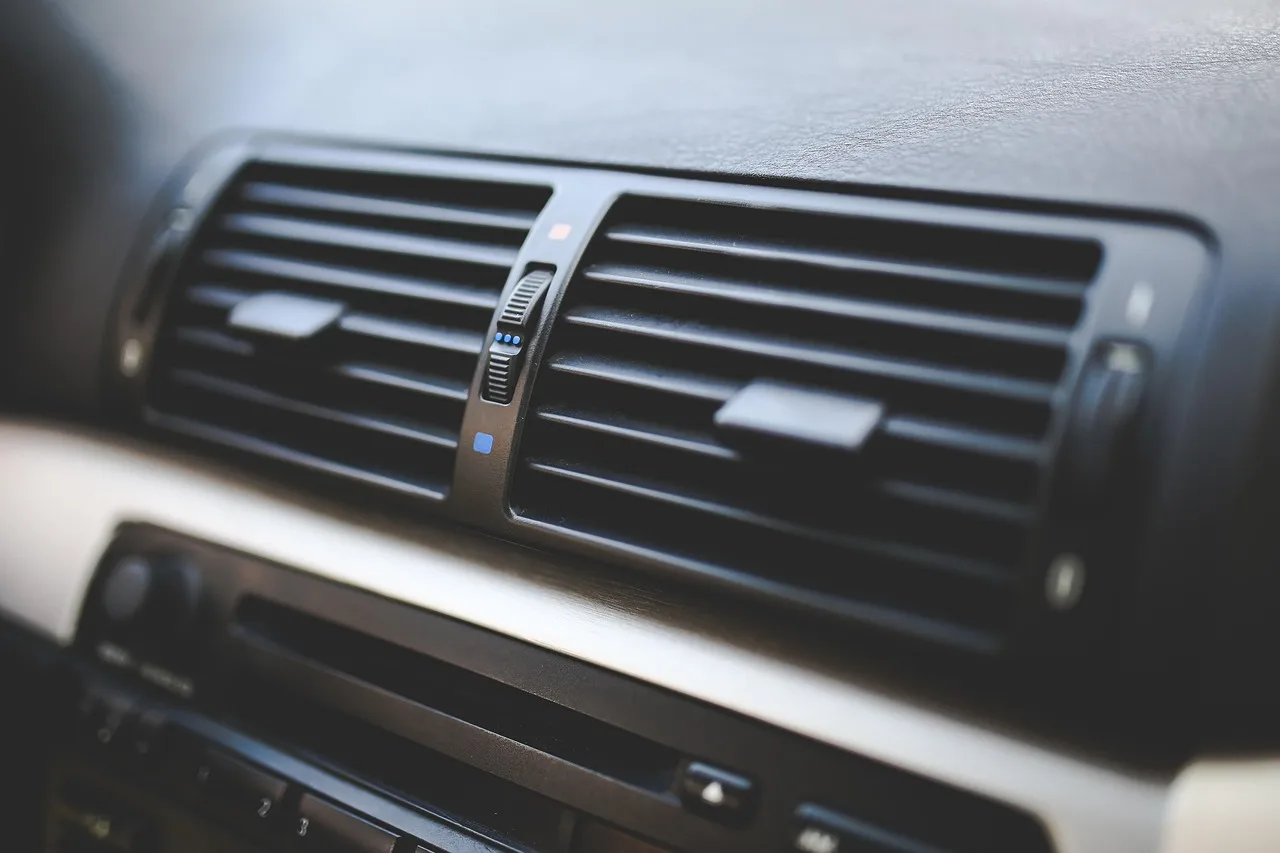
The front defroster uses the HVAC system’s blower motor, vents, and airflow routing to send air to the windshield vents above the dashboard. It works best when that air is warm and dry. The rear defroster is different: it uses an electrical grid on the back glass.
Blower motor and airflow path
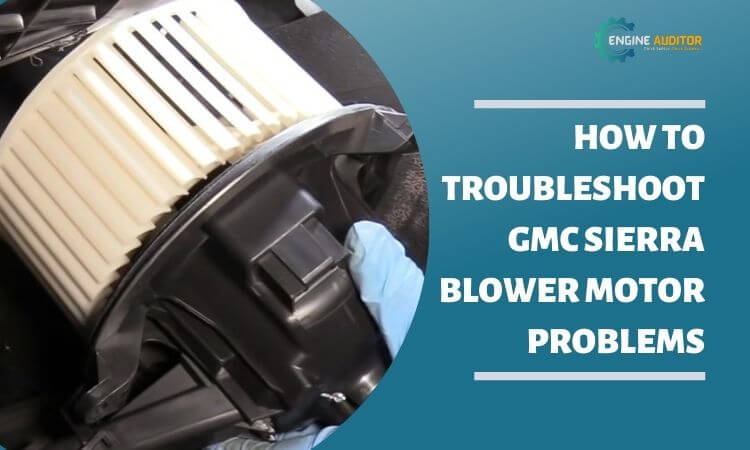
The front defroster shares its fan, venting infrastructure, and blower motor with heating and air conditioning. If the blower fails, air may stop at all vents, not only the windshield. If the mode door sticks, air may keep blowing but come out of the floor or panel vents instead of the defrost outlets.
Why warm, dry air matters
Warm air melts ice and snow on the glass. Dry air pulls moisture out of the cabin and clears fog from the windshield. That is why the A/C system can matter even in winter: the evaporator helps dry the air before it reaches the windshield. If cabin air stays humid, the glass can fog even when the heater feels warm.
Where the mode selector fits
The control switch or mode selector tells the HVAC system where to send air. It may be a button, dial, or electronic control. If it fails, the system may never move into defrost mode. A broken actuator or vacuum problem can create the same symptom.
Why is my windshield defroster not working?

Start by separating three symptoms: no airflow, wrong airflow direction, or airflow that reaches the windshield but still does not clear the glass. Front and rear defroster failures are different systems. If the front vents are dead, check the blower, fuse, switch, or HVAC routing before you assume the heater core is the problem.
Check airflow before heat
Turn the fan to high and select defrost. If air does not move, the fault is upstream of temperature. If air moves but comes from the floor, the issue is usually the mode selector or a door/actuator problem. If air reaches the windshield but stays cold, move to heat-source checks.
Separate front and rear systems
The rear window defroster uses tiny cables or wires in the back glass that heat when electricity runs through them. The front system does not. Treating them as one problem wastes time and parts. A dead rear grid can leave the front system working normally, and the reverse is also true.
Say your SUV sends strong air from the dash vents but the windshield still fogs on a damp morning. That points away from a dead blower motor and toward weak heat, a blocked intake, or poor dehumidification from the HVAC system.
Why is my windshield heater not working?
Weak heat at the windshield usually traces to coolant flow or engine temperature, not the defroster button itself. Low coolant can reduce cabin heat because the heater core cannot transfer enough heat into the air stream. A stuck-open thermostat can keep the engine too cool for strong heat, and a clogged heater core can send only lukewarm or cold air.
Low coolant
Check coolant level first, with the engine cool. Low coolant can leave the heater core partially dry or reduce heat transfer, which weakens the air reaching the windshield. If the level is low, find the leak before topping off and moving on.
Thermostat stuck open
A thermostat that sticks open can prevent the engine from reaching normal operating temperature. That usually shows up as weak cabin heat on the road and poor defrost output in cold weather. If the temperature gauge stays low after warm-up, the thermostat moves up the list.
Clogged heater core
A heater core can clog with contamination and restrict hot coolant flow. The usual result is poor heat or cold air from the defroster vents. If one heater hose is hot and the other stays much cooler after the engine warms up, the heater core or its flow path deserves attention.
A/C not drying the air
If the glass stays cloudy even with heat on, the air may still be too damp. The front defroster depends on dry air as well as warm air. That is why a working compressor or A/C dry-out function can matter in cold, humid weather.
Why is my window defrost not working?
If the front glass still fogs, the problem is usually either weak airflow or airflow going to the wrong place. The system may be working in part, which makes the fault easy to miss. A clogged intake, blocked vents, or a bad mode selector can leave enough heat in the cabin but not enough airflow across the windshield.
Mode selector failure
A failed button, dial, or internal control mechanism can stop the system from selecting defrost at all. If the light changes but the airflow does not, suspect the control path or the actuator that moves the air door. If nothing changes when you switch modes, start there.
Vacuum or actuator problems
Some vehicles use vacuum or electric actuators to move airflow doors. If that control line is broken or the actuator sticks, air may stay aimed at the floor or center vents. The driver hears the fan, but the windshield outlets stay weak or dead.
Vent or intake blockage
Dust, dirt, leaves, or debris can restrict airflow. That can happen at the cowl intake, cabin air filter area, or inside the dash vents. Vacuuming debris or doing a careful mechanical cleaning often restores airflow enough to make the defroster useful again.
A common first-timer mistake is to blame a blower motor when the real issue is a handful of leaves packed against the intake. The fan still runs, but the windshield gets only a thin stream of air.
Why is my rear window defroster not working?
The rear defroster is an electrical grid on the back glass. When power flows through the thin wires, they heat the window. Failures usually involve a blown fuse, a bad connection at the tabs, a loose spade connector, or broken grid lines on the glass. Diagnose the rear system on its own before replacing front HVAC parts.
Broken grid lines
Look closely at the rear glass. If one line is visibly broken, that section will not heat. A few broken traces can leave an entire strip of glass fogged while the rest clears. Repair kits can sometimes bridge small breaks, but wide damage usually needs professional work.
Loose tabs and spade connections
The rear grid depends on solid connections at the glass tabs. If a connector is loose, corroded, or partly detached, the defroster may work only when the wire is pressed or moved. Intermittent operation often points here before it points to the glass itself.
Intermittent rear defrost
Intermittent rear glass heat often means an electrical connection is weak rather than fully open. Check the switch indicator, then the wiring at the glass, then the fuse. If the fuse keeps blowing, stop and inspect for a short or overload before replacing it again.
What should you check first at home?

Begin with the cheapest and easiest checks: fuse, relay, control switch, blower operation, and visible airflow path. Check the owner’s manual for fuse locations, control layout, and the specified amperage before replacing anything. That avoids fitting the wrong fuse and helps you test the right circuit first.
Fuse and relay check
A blown fuse can stop power from reaching the defroster circuit. It is a cheap replacement part, but it must match the vehicle’s specified amperage. If a new fuse blows again, do not keep feeding in replacements. That usually means a short or overload needs diagnosis.
Control switch test
Switch the system through every vent mode. If the indicator works but the airflow never changes, the control switch, actuator, or vacuum circuit may be at fault. If the switch feels broken or intermittent, it moves higher on the list.
Blower motor check
The blower motor moves air into the cabin and through the defroster vents. A failed blower can stop both heater and defroster airflow. If the fan is silent on all settings, or only works on one speed, the motor or its circuit is a likely suspect.
Vent and intake inspection
Look for debris at the cowl, cabin intake, and windshield outlets. A blocked intake can make the defroster seem weak even when the blower and heater are still working. On some vehicles, a visor-down trick can help defrost faster by focusing warm air directly on the windshield.
Rear defroster grid failures
Rear-grid problems are usually electrical and visible. The rear defroster works through tiny wires in the glass, so damage to the lines or the connectors often creates a specific dead zone. If only one section heats, do not assume the whole system failed.
Practical test order
- Turn the rear defroster on and confirm the indicator light comes on.
- Check the fuse and match the replacement to the specified amperage.
- Inspect the glass tabs and spade connections for looseness or corrosion.
- Look for broken or missing grid lines across the rear glass.
- If the fuse blows again, stop and inspect the wiring for a short or overload.
DIY versus shop
Fuse replacement, connector inspection, and visible grid checks are usually reasonable DIY tasks. Broken lines on the glass can sometimes be repaired with a kit if the damage is small. A shorted circuit, repeated fuse failure, or damaged wiring behind trim is better handled by a shop with electrical diagnostic tools.
Vehicle-specific edge cases
Some vehicles do not distribute defrost air evenly. Some Jeep Wrangler owners report defrosting mainly the center of the windshield while the edges ice up. In those cases, the system may be operating as designed, but the airflow pattern is not ideal for the shape of the glass or the vent layout.
In a Wrangler-style workaround, owners have used a 1/8-inch thick, 1-inch wide, 19-inch long aluminum bar with holes about every 2 inches. That kind of modification is vehicle-specific and should be treated as a custom workaround, not a general repair. If your vehicle clears only the center, inspect the vent layout and control path before assuming a failed heater core.
Frequently asked questions
Why does my windshield defrost not work when it’s cold?
Cold weather exposes weak heat, low coolant, a thermostat stuck open, or poor airflow. If the engine never warms up fully, the heater core cannot supply enough hot air. If the air is warm but the glass still fogs, check for blocked vents or a mode door that is stuck away from defrost.
Why is my front window defroster not working?
The front system depends on the blower motor, HVAC vents, mode selector, warm coolant, and dry air from the A/C evaporator. If any of those fail, the windshield may stay fogged or icy. Begin with airflow, then temperature, then the control path that sends air to the windshield vents.
Why won’t my windshield defrost?
Because the system is not moving enough warm, dry air across the glass, or because the rear grid is not heating if the problem is at the back window. Check the symptom pattern first. Then use the fuse, blower, switch, coolant, thermostat, and rear-grid checks in that order.
Products related to this article
Sponsored / affiliate links. As an Amazon Associate I earn from qualifying purchases. I may earn additional commission from eligible campaigns.