Why Is My Engine Ticking? Causes and Fixes
A new tick that rises with RPM usually points to valvetrain, exhaust leak, oil-pressure, or injector noise; if it gets louder under load, a warning light flashes, or oil pressure drops, stop driving and inspect it. Ignoring it can turn a small gasket, lifter, or injector fix into engine damage. This guide sorts normal ticking from faults by when it happens, where it is loudest, and how it changes with RPM.
What engine ticking usually means

Engine ticking is a fast, repetitive metallic sound. It often comes from the top of the engine, the exhaust side, or the fuel system. A clean tick that tracks engine speed points you toward a moving part, a pressure issue, or a small exhaust leak. A heavier knock, deep thud, or rough rattle suggests a different problem.
Ticking differs from knock and rattle in a useful way. A tick is usually sharper and lighter. A knock is deeper and often more serious. A rattle can sound loose or irregular. If the sound changes with RPM, start by asking where it is loudest and whether it is strongest cold, at idle, or under load.
Tick pattern decoder
This table sorts the sound by when it appears. Use it to decide whether the next step is monitoring, a basic check, or a stop-driving response.
| When it happens | Likely source | Urgency | First check |
|---|---|---|---|
| Cold start | Hydraulic lifters, exhaust manifold leak, thick or degraded oil | Monitor if it fades within 30–60 seconds; investigate if it lasts more than 60–90 seconds | Check oil level and condition, then listen near the exhaust side |
| Idle | Direct injection, VVT system, lifter wear, spark plug leak, timing chain or tensioner wear | Book service if it is persistent or uneven | Note whether the tick follows RPM changes or stays constant |
| Acceleration | Exhaust leak that opens under load, rod bearing noise, connecting rod damage, timing issue | High urgency if it gets louder with load | Stop hard driving and check for warning lights, oil pressure loss, or metal noise |
| Hot restart | Oil drainback, lifter bleed-down, VVT oil control issue | Monitor first, then inspect if it becomes frequent or longer | See whether the tick is brief or stays after warm-up |
Typical repair bands by cause
The ranges below are typical bands, not exact quotes. Parts, labor time, engine layout, and damage level change the final bill.
| Cause | Typical repair band |
|---|---|
| Oil change or oil service correction | £20–40 in one common shop estimate; average oil change price £115.02 |
| Diagnostic inspection | Average diagnostic tests cost £61.03 |
| Spark plugs | Often a moderate service job; plugs are commonly replaced every 80,000–100,000 miles |
| Exhaust manifold gasket, cracked manifold, or broken stud | Usually moderate, but can rise if hardware breaks or access is tight |
| Lifter, rocker, or timing hardware | Moderate to high, depending on engine design and parts access |
| Rod bearing or connecting rod damage | High, and sometimes engine replacement territory |
Why is my engine ticking at idle?
A tick at idle often points to direct injection, VVT activity, a small exhaust leak, or valvetrain wear. If the sound is present only at idle and becomes less obvious with throttle, injector or control-valve noise is more plausible than a major bottom-end fault. If it grows harsher at idle, treat it as inspection-worthy.
Direct injection can make a normal ticking sound, often at idle, and it can resemble a sewing machine. VVT systems are also hydraulically operated and depend on oil pressure, so a light tick near the top of the engine does not always mean damage. The key is whether the sound is steady, light, and unchanged by load.
Idle clues that matter
- Ticking only at idle often points to injector or VVT noise.
- A tick that follows engine speed more closely can point to valvetrain parts.
- A tick that gets louder when the engine is warmed up can be more concerning than a brief cold noise.
- A sound from the top of the engine is different from one near the exhaust manifold.
Suppose a 2.0L direct-injection engine ticks evenly at idle but quiets when you raise rpm slightly. That pattern fits injector or VVT noise better than a deep mechanical knock. If the same tick becomes louder after warm-up and stays sharp, the pattern shifts toward inspection.
Why does my engine tick when cold?
Cold-start ticking is often linked to oil drainback, hydraulic lifter bleed-down, or an exhaust leak that seals better as parts warm up. A brief tick on startup can be normal, and the Motor Oil Guide says a normal cold-start tick often resolves within 30–60 seconds. It also says main bearings pressurize in 1–3 seconds.
If the tick persists more than 60–90 seconds after startup, the guide treats that as needing investigation. Thick oil can slow flow in cold weather, such as 5W-30 versus 10W-30. That does not mean thinner oil is always the answer; the oil must still match the manufacturer spec.
Hydraulic lifters and oil pressure
Hydraulic lifters depend on oil pressure. If they bleed down overnight, they can tick until pressure fills them again. A brief cold tick is common here. A persistent tick after warm-up is more concerning because it can point to wear, varnish, a pressure problem, or a worn lifter that no longer holds oil correctly.
Exhaust leaks that fade as parts warm up
An exhaust manifold leak can sound like a sharp tick, especially on cold start. The leak may come from a cracked manifold or a broken stud or bolt. As the metal heats and expands, the sound may fade. If it gets louder, changes with load, or leaves soot near the manifold, that pattern deserves attention.
Oil and lubrication checks
Start with the oil because it is the simplest and most common contributor. Check the level, the age, the condition, the viscosity grade, and whether the oil matches the manufacturer spec. Low oil is one of the first things to check, but wrong oil can also make a ticking sound worse without being the only fault.
Old or degraded oil can lose pressure behavior and flow quality. A too-thick grade can slow flow in cold weather. A wrong manufacturer spec can matter even when the dipstick level looks fine. Oil changes are often cheap compared with valvetrain or bearing damage, so this is a sensible first step.
- Check the oil level on level ground and follow the vehicle’s dipstick procedure.
- Look at oil color and smell. Thick sludge, fuel smell, or glitter calls for attention.
- Confirm the viscosity grade and spec on the container or service record.
- Compare the sound before and after a proper oil service if the oil is overdue.
A common mistake is blaming the valvetrain when the sound is actually a loose exhaust shield. That misses low oil, an exhaust leak, or a loose spark plug. Another mistake is revving the engine repeatedly before checking the level, which can make diagnosis harder and can be risky if oil pressure is already low.
Common ticking sources under the hood
Hydraulic lifters and rocker gear
Hydraulic lifters are a common cold-start tick source because they depend on oil pressure and can bleed down overnight. Rocker gear can also tick if wear, poor oil supply, or excessive clearance develops. If the sound stays after warm-up, do not write it off as normal.
Direct injection and VVT
Direct injection can make a normal ticking noise that is most obvious at idle. VVT systems can also tick because they are hydraulically operated and depend on oil pressure. These sounds are often lighter and more even than a faulty exhaust leak or a worn mechanical part.
Spark plugs, timing chain, and tensioner
Spark plugs can be loose or worn and may leak combustion gases, which can mimic an engine tick. A timing chain or tensioner can also make a tick, often more noticeable on cold starts or at idle. If a timing-related tick is ignored, timing slip risk becomes part of the concern.
FixMyCar says spark plugs should be replaced every 80,000–100,000 miles. If plugs are past that range and the noise is near the cylinder head, they belong on the inspection list. That does not rule out other causes, but it makes plug condition worth checking.
Could a ticking noise be an exhaust leak?
Yes. A ticking noise can come from an exhaust manifold leak, and the sound is often sharp enough to mimic valvetrain noise. It is often louder on cold start because the gap is larger before the metal heats. Broken studs, broken bolts, a cracked manifold, or a failed gasket are common hardware faults.
Exhaust leaks are usually easiest to localize on the exhaust side of the engine. The sound may be strongest near the manifold flange, then fade as the engine warms. If you hear the tick from outside the vehicle more than inside, that pattern can help separate it from injector noise deeper in the engine.
Where to listen without getting hurt
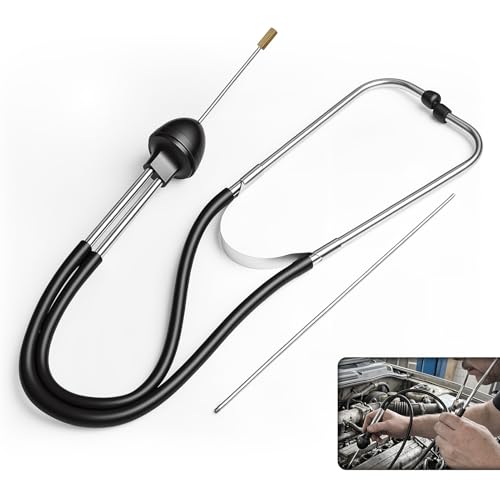
Use a careful listen only from a safe distance. Do not reach near hot exhaust parts, belts, pulleys, fans, or other moving components. A mechanic’s stethoscope or a long hose can help with localization, but only if you keep clear of moving parts and hot surfaces.
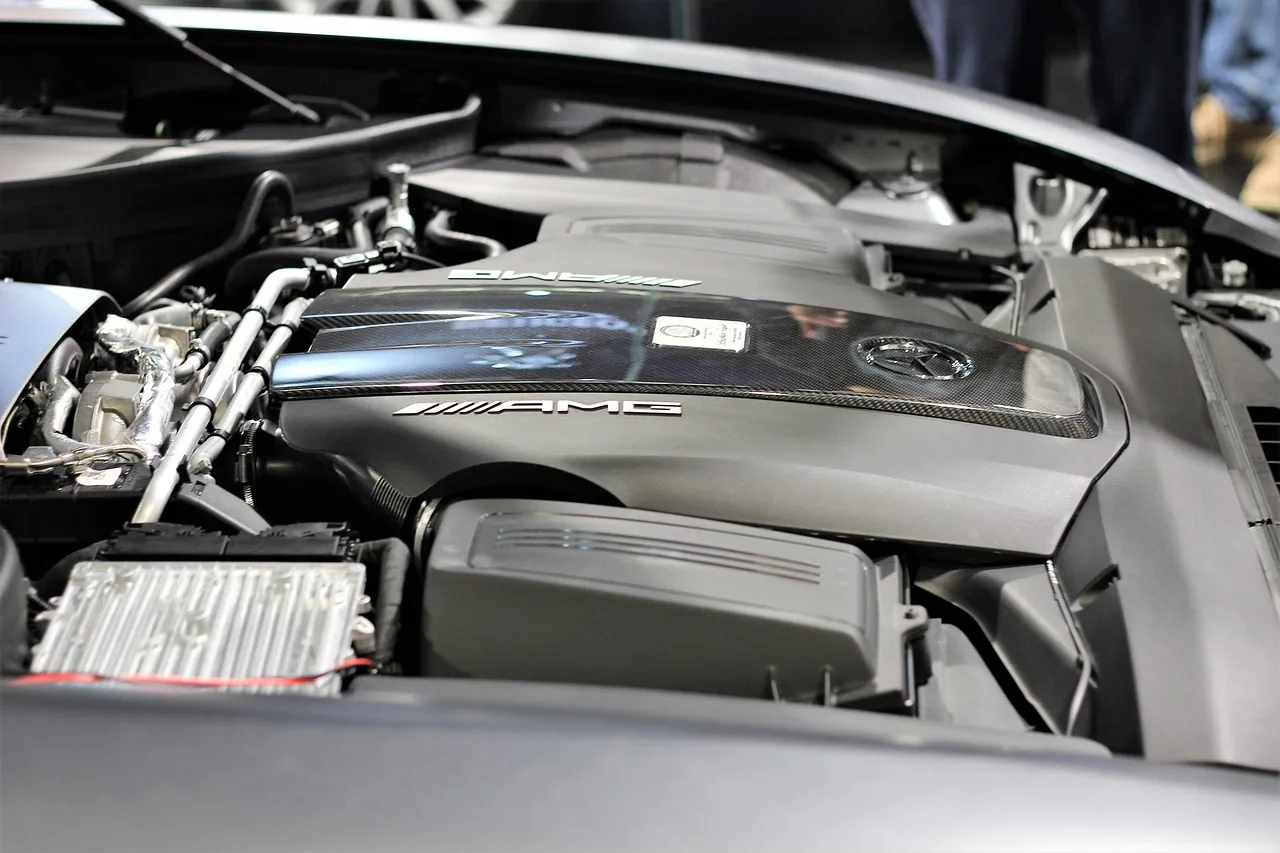
- Top of engine: lifters, rocker gear, injectors, VVT hardware.
- Exhaust side: manifold leak, cracked manifold, broken stud or bolt.
- Fuel rail or injector area: normal direct-injection tick or injector fault.
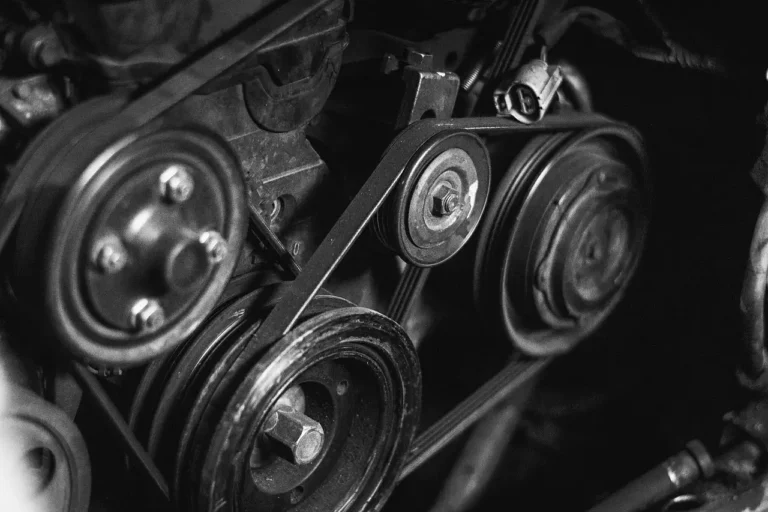
- Front accessory area: accessory drive parts, pulleys, and related hardware.
When is engine ticking serious?
Engine ticking is serious when it gets louder with load, grows into a knock, comes with low oil pressure, or stays after warm-up and persists. Rod bearing or connecting rod noise is the most serious pattern on this list. It can sound like ticking or clicking at first, then progress quickly if ignored.
Think in three levels. Monitor if the tick is brief, cold-only, and light. Book service if it is persistent, idle-only and new, or tied to oil issues. Stop driving if it gets louder under load, a warning light appears, the oil pressure is low, or the sound becomes a knock.
Decision rule
- Monitor: brief cold tick that fades within 30–60 seconds and does not return hot.
- Book service: tick persists more than 60–90 seconds, stays at idle, or repeats after restart.
- Stop driving: tick gets louder under load, a warning light appears, or oil pressure drops.
Suppose an SUV clicks briefly after startup on a chilly day, then settles into a normal idle. That leans toward oil drainback or lifter bleed-down. Now picture the same engine ticking harder on a hill climb and flashing a warning light. That is a different case and deserves immediate inspection.
What to check at home safely
Safe checks are limited. Check oil level, check for overdue service, note where the sound is loudest, and pay attention to when it starts and stops. Record whether it is cold-only, idle-only, or tied to acceleration. That pattern matters more than a quick guess.
Do not inspect near hot exhaust parts, belts, pulleys, fans, or other moving components. Do not crawl under a running vehicle unless it is properly supported and the procedure is appropriate. If the source is unclear, a shop diagnosis is safer than guessing around a hot engine bay.
Frequently asked questions
Why is my engine ticking?
Engine ticking usually comes from valvetrain parts, injectors, a VVT system, an exhaust leak, or oil-related noise. The best clue is when it happens and how it changes with rpm. A brief cold tick can be normal, but a persistent or louder tick deserves inspection.
Is a ticking engine serious?
Sometimes. A light cold tick that fades can be low urgency, while a tick that gets louder under load or turns into a knock is serious. Low oil pressure, a warning light, or a sound that persists after warm-up moves the problem into stop-driving territory.
Can the wrong oil cause ticking?
Yes. Wrong oil viscosity or the wrong manufacturer spec can worsen ticking, especially on cold start. A too-thick grade can slow flow in cold weather, such as 5W-30 versus 10W-30. Oil level and oil age matter too, so check all three, not just the dipstick number.
How much does it cost to fix a ticking engine?
Cost depends on the cause. A simple oil service may be low cost, while a diagnostic visit and parts replacement raise the bill. Typical bands vary by fault: oil service, plugs, exhaust repair, lifters, timing parts, or bearing damage all sit in different price ranges.
What does a lifter tick sound like?
A lifter tick is usually light, fast, and repetitive, and it often shows up on cold start. It may fade as oil pressure builds. If it keeps going after warm-up, the lifter may be worn, sticking, or not holding oil the way it should.
Products related to this article
Sponsored / affiliate links. As an Amazon Associate I earn from qualifying purchases. I may earn additional commission from eligible campaigns.