Why Do Car Engines Burn Oil And How to Stop It
Cars are marvels of engineering, but even the most reliable engines can develop issues over time. One common and perplexing problem for drivers is excessive engine oil consumption, when an engine burns oil at a higher-than-normal rate. This can lead to low oil levels, increased emissions, and even catastrophic engine damage if left unchecked. While some oil consumption is considered normal, especially as engines age, rapid oil loss is a warning sign that should never be ignored.
Understanding why engines burn oil, the underlying mechanisms, and the steps you can take to address and prevent this issue is crucial for every car owner. Whether you drive a high-mileage vehicle or a relatively new car, knowing the causes and solutions will help you protect your investment and ensure your engine runs smoothly for years to come.
Key Takeaways
- Engine oil burning can result from worn components, faulty seals, or improper maintenance.
- Detecting oil burning early minimizes the risk of engine damage and costly repairs.
- Solutions range from DIY maintenance to professional repairs, depending on severity.
- Newer vehicles are not immune, understanding oil consumption helps owners make informed decisions.
- Simple checks and proactive steps can significantly reduce or stop oil burning.

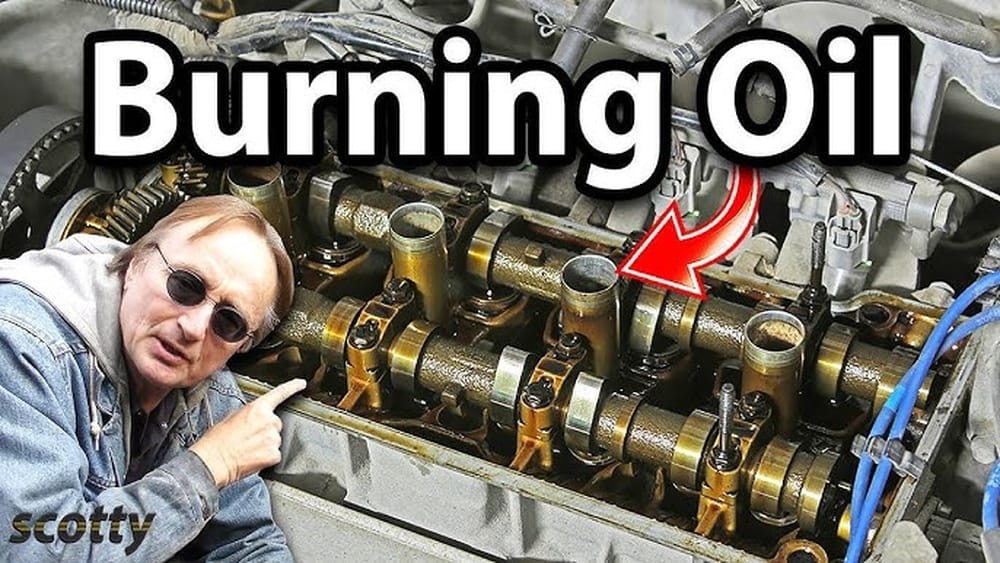
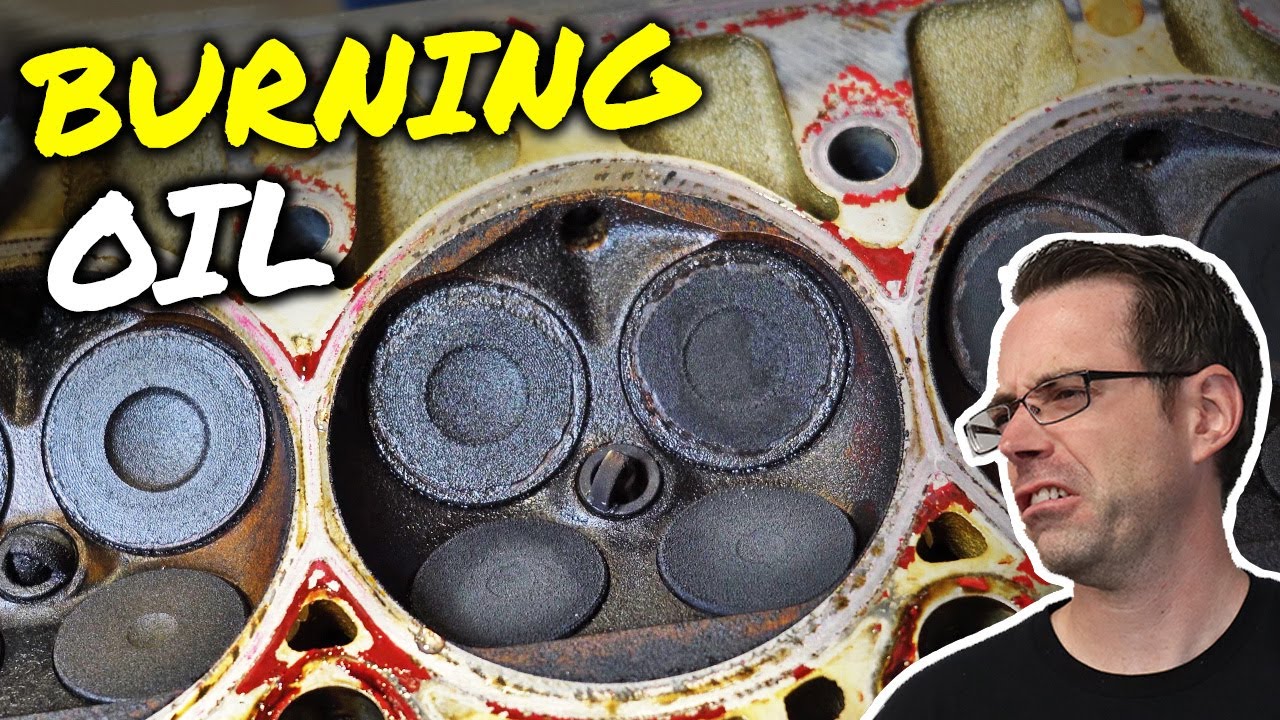
Credit: www.youtube.com
What Does It Mean When A Car Burns Oil?
Burning oil refers to the process where engine oil enters the combustion chamber and is burned along with the air-fuel mixture. Normally, oil lubricates moving parts within the engine but is kept separate from the combustion process by seals and rings. When oil makes its way past these barriers, it is consumed by the engine and exits via the exhaust, sometimes visibly as blue smoke.
Normal Vs. Excessive Oil Consumption
All engines consume a small amount of oil over time. Manufacturers often specify an acceptable rate, such as up to one quart every 1,000, 2,000 miles for some performance engines. However, consumption above this rate signals a problem.
Signs Your Car Is Burning Oil
- Blue exhaust smoke, especially during startup or acceleration
- Noticeable drop in oil level between changes
- Persistent burning oil smell
- Fouled spark plugs or oxygen sensors
Real-world Example: Toyota Camry
The 2007, 2011 Toyota Camry with the 2AZ-FE engine became notorious for excessive oil burning. Owners reported adding a quart every 500 miles. Toyota later issued a technical service bulletin addressing piston ring wear, highlighting the importance of design and material quality in oil control.
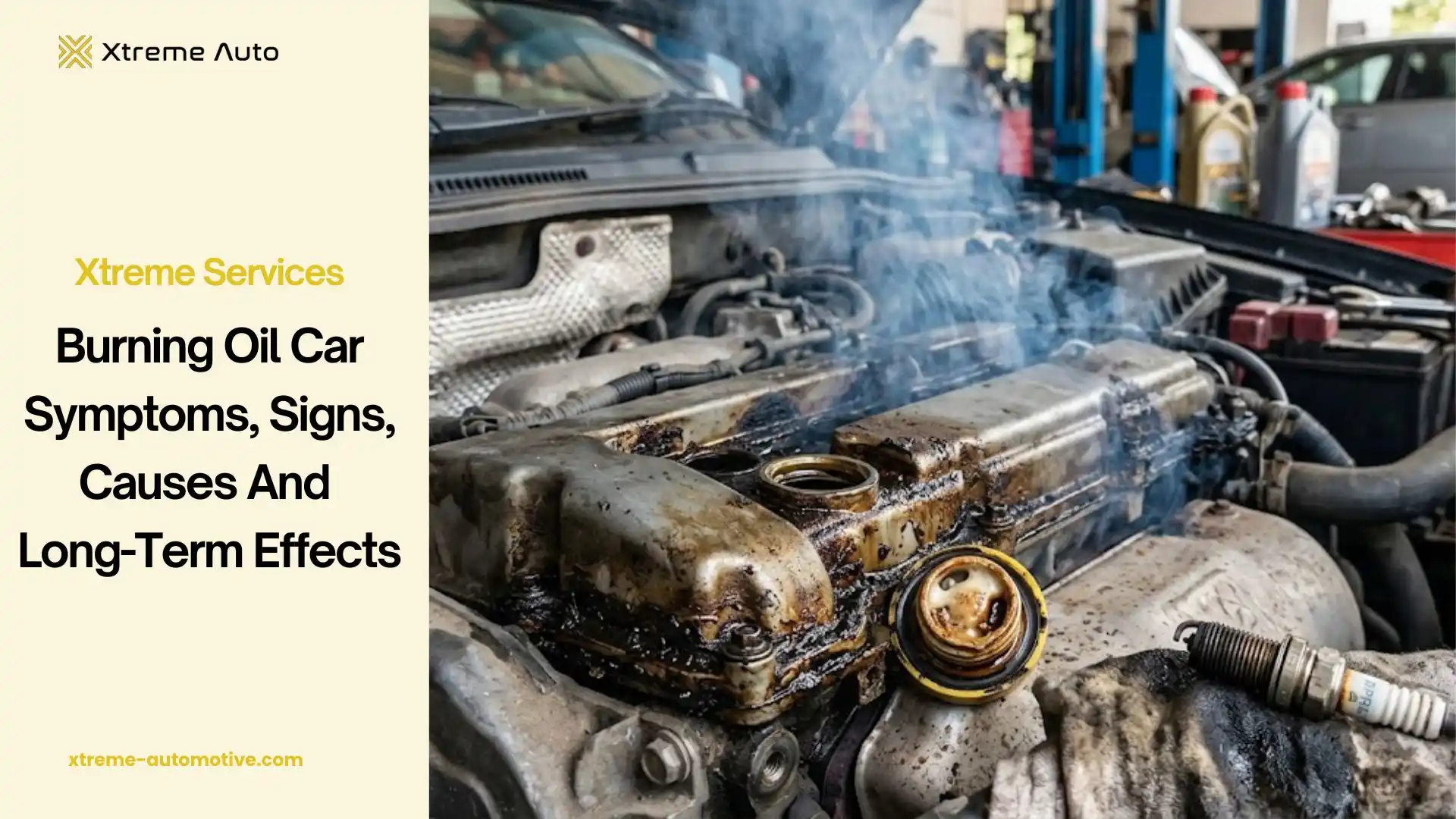
Credit: xtreme-automotive.com
Common Causes Of Oil Burning In Car Engines
There are several reasons why an engine might start burning oil. Understanding these causes helps pinpoint the best solution.
Worn Or Damaged Piston Rings
Piston rings seal the gap between the piston and the cylinder wall. When they wear out, oil can slip past and enter the combustion chamber.
- Symptoms: Blue smoke, loss of power, high oil consumption
- Typical in: High-mileage engines, poor maintenance history
Faulty Valve Seals Or Guides
The valve seals prevent oil from seeping into the combustion chamber via the intake and exhaust valves. If they harden or crack, oil can drip into the cylinders.
- Symptoms: Smoke after idling, increased oil usage, rough idle
- Common in: Older vehicles, engines with high heat exposure
Pcv (positive Crankcase Ventilation) System Issues
A clogged or failed PCV valve can increase pressure in the crankcase, forcing oil past seals and rings into the combustion area.
- Symptoms: Oil in air intake, erratic idle, check engine light
- Fix: Replace the PCV valve (usually inexpensive)
Gasket Failures
Head gaskets and other engine gaskets seal fluid passages. A failed gasket can allow oil to leak into the combustion chamber.
- Symptoms: Mixed coolant and oil, overheating, external leaks
Engine Design And Oil Control
Some engines are more prone to burning oil due to design choices. For example, certain turbocharged engines run hotter and may have smaller oil passages.
Example: The Subaru EJ25 engine is known for ringland failure, leading to oil burning at relatively low mileage.
Table: Key Causes Of Oil Burning
| Cause | Symptoms | Typical Repair | Estimated Cost |
|---|---|---|---|
| Worn Piston Rings | Blue smoke, power loss | Engine rebuild | $1,500, $4,000 |
| Faulty Valve Seals | Smoke after idle, rough idle | Replace seals | $500, $1,200 |
| PCV Valve Failure | Oil in intake, check engine light | Replace PCV valve | $50, $150 |
| Gasket Failure | Coolant/oil mix, overheating | Gasket replacement | $1,000, $2,500 |
Diagnosing Oil Burning In Your Vehicle
Accurate diagnosis is essential for effective repair and prevention.
Visual Inspection
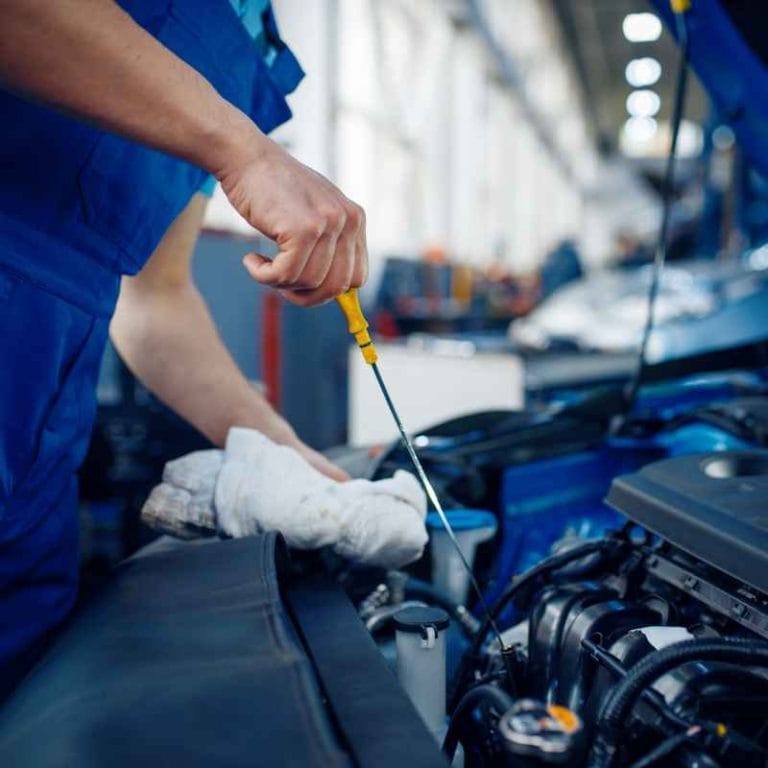
Begin by checking for external leaks, oil stains under the car or on engine components. Internal burning won’t always leave visible traces, so use a clean dipstick to monitor oil levels.
Compression And Leak-down Tests
A compression test reveals whether piston rings or valves are compromised. A leak-down test pinpoints how quickly air escapes from the combustion chamber, identifying worn components.
Spark Plug And Exhaust Inspection
Remove and inspect spark plugs for oily deposits, a sign of oil burning in that cylinder. Blue smoke from the tailpipe is another indicator.
Pcv System Assessment
Check the PCV valve and related hoses for clogs or damage. A malfunctioning system can mimic symptoms of more severe internal engine wear.
Example: Audi 2.0t Engine
Audi’s 2.0T engines (2008, 2012) frequently suffered from PCV valve failures, leading to oil burning and pressure build-up. Replacing the valve often resolved the issue without major engine work.
Table: Diagnostic Methods Comparison
| Method | Purpose | Tools Needed | DIY-Friendly |
|---|---|---|---|
| Visual Inspection | Check for leaks, smoke | Flashlight, rag | Yes |
| Compression Test | Assess ring/valve condition | Compression gauge | Moderate |
| Spark Plug Check | Spot oil-fouled plugs | Spark plug socket | Yes |
| PCV System Check | Identify PCV faults | Basic tools | Yes |
| Leak-Down Test | Pinpoint leak location | Leak-down tester, air compressor | No (usually) |
Credit: www.peteroeij.com
How To Stop Your Engine From Burning Oil
Once you’ve identified the root cause, action steps range from simple to complex.
Regular Maintenance And Oil Changes
Using the correct oil viscosity and high-quality oil is critical. Follow manufacturer-recommended intervals, synthetic oils often last longer and resist breakdown, reducing the risk of burning.
- Pro Tip: Always check your oil level every 1,000 miles, especially in older cars.
Replacing Faulty Pcv Valves
A new PCV valve is an inexpensive fix that can immediately stop oil burning caused by excess crankcase pressure.
- DIY Level: Easy for most vehicles; consult your owner’s manual.
Valve Seal And Guide Repairs
Replacing valve seals requires partial engine disassembly but can be done without removing the entire engine in some models. This repair is best left to professionals.
Piston Ring And Cylinder Repairs
When piston rings are worn, a full rebuild or replacement is often necessary. This is the most expensive and labor-intensive solution.
Gasket Replacements
Addressing a head gasket or other major gasket failure requires significant labor but will stop both oil and coolant leaks.
Additives And Temporary Fixes
Some oil additives claim to reduce consumption by swelling seals or thickening oil. While these can provide short-term relief, they are not permanent solutions for mechanical wear.
- Warning: Additives may void your warranty or mask serious problems.
Table: Solutions To Oil Burning By Severity
| Problem Severity | DIY Solution | Professional Repair | Expected Outcome |
|---|---|---|---|
| Minor (PCV, gaskets) | Replace PCV, tighten bolts | Gasket replacement | Often resolves issue |
| Moderate (valve seals) | Additives (temporary) | Replace seals/guides | Reduces or eliminates burning |
| Severe (piston rings) | High-mileage oil (temporary) | Engine rebuild/replacement | Restores oil control |
Preventing Oil Burning In The First Place
Proactive care is the best defense against engine oil burning.
Use Quality Oil And Filters
Always use oil that meets your manufacturer’s specifications. Cheap or incorrect oil can break down and lose its protective qualities, increasing the risk of burning.
Stick To A Maintenance Schedule
Regular oil changes, timely PCV valve replacements, and periodic inspections catch small problems before they become major.
Avoid Short Trips
Short drives prevent the engine from reaching full operating temperature, which can lead to condensation, sludge, and increased oil consumption.
Address Engine Issues Promptly
Don’t ignore warning lights, odd smells, or smoke. Early intervention saves money and extends engine life.
Real-world Example: Honda Accord Maintenance
Honda Accord owners who stick to a strict maintenance schedule often report engines lasting well beyond 200,000 miles with minimal oil burning, demonstrating the value of preventive care.
When To Seek Professional Help
Not all oil burning issues can or should be fixed at home. Recognizing when to consult a certified mechanic protects your engine and your wallet.
Persistent Or Rapid Oil Loss
If you’re adding more than a quart every 1,000 miles, or oil loss accelerates, professional diagnosis is vital.
Blue Smoke And Performance Loss
Visible blue smoke accompanied by rough running or loss of power points to internal engine damage, don’t attempt DIY fixes.
Failed Emissions Test
Burning oil increases hydrocarbon emissions, which can cause your car to fail state inspections. Mechanics can pinpoint the source and recommend repairs.
Warranty And Recall Coverage
Some manufacturers have extended warranties or recalls related to oil burning. For example, Subaru and Toyota have both offered repairs for affected models, check with your dealer or consult resources like NHTSA for recall information.
The Impact Of Oil Burning On Engine Life And Value
Left unchecked, oil burning can have serious consequences for both your engine’s longevity and your car’s resale value.
Engine Wear And Failure
Continuous oil burning reduces lubrication, leading to increased friction, heat, and ultimately, engine failure. Repair costs can exceed the car’s value if not addressed early.
Environmental And Legal Risks
Burning oil increases tailpipe emissions, contributing to air pollution and potentially violating local environmental laws.
Resale And Trade-in Value
Dealers and buyers often check for signs of oil burning. Documented repairs and regular maintenance improve your car’s value and attractiveness.
- Example: A used car with a clean engine history report and no signs of oil burning can fetch up to 20% more than one with unresolved issues, according to industry analysts.
Real-world Case Studies
Learning from actual cases helps illustrate how oil burning issues are diagnosed and resolved.
Case Study: High-mileage Ford F-150
A 2008 Ford F-150 with 180,000 miles started consuming a quart of oil every 700 miles. Compression testing revealed worn piston rings. The owner opted for an engine rebuild, which restored oil consumption to normal and extended the truck’s life by several years.
Case Study: Mazda Cx-5 Pcv Issue
A 2015 Mazda CX-5 exhibited mild oil burning. A failed PCV valve was quickly diagnosed and replaced for under $100, eliminating the issue entirely.
Case Study: Bmw N20 Engine Design Flaw
Early BMW N20 engines were known for excessive oil consumption due to timing chain tensioner and valve stem seal issues. BMW later revised the design and issued service bulletins, emphasizing the importance of manufacturer support in resolving systemic problems.
Frequently Asked Questions
What Is An Acceptable Oil Consumption Rate For Most Engines?
Most manufacturers consider one quart per 1,500, 2,000 miles to be within normal limits for modern engines. High-performance or older engines may have slightly higher rates, but anything above this should be investigated by a qualified mechanic.
Can Synthetic Oil Help Reduce Oil Burning?
Synthetic oil can sometimes reduce oil burning because it resists breakdown at high temperatures and provides better sealing. However, if mechanical wear is the cause, switching to synthetic alone will not solve the problem. Always use oil that meets your vehicle’s specifications.
Will Using High-mileage Oil Stop My Engine From Burning Oil?
High-mileage oils contain seal conditioners that may temporarily reduce minor leaks and oil burning in older engines. They are not a cure for worn piston rings or severe seal failures. Think of them as a short-term measure while planning for proper repairs.
How Do I Know If My Car’s Oil Burning Is Covered By A Warranty Or Recall?
Check your owner’s manual and the manufacturer’s website for extended warranties or technical service bulletins related to oil consumption. You can also visit Consumer Reports or the NHTSA site to search for open recalls by VIN or model.
Should I Continue Driving If My Car Is Burning Oil?
Limited driving is possible if you frequently check and top off oil, but persistent burning indicates a problem that will worsen over time. Continuing to drive without addressing the cause risks severe engine damage and higher repair bills.
Maintaining your engine’s health goes beyond regular oil changes, knowing the signs of oil burning, understanding the causes, and acting quickly can save you significant time and money. In my experience, proactively addressing even minor oil consumption issues ensures your vehicle stays reliable and valuable for years to come.
If you suspect your engine is burning oil, consult a trusted mechanic and use the information above to guide your next steps.
Products related to this article
Sponsored / affiliate links. As an Amazon Associate I earn from qualifying purchases. I may earn additional commission from eligible campaigns.