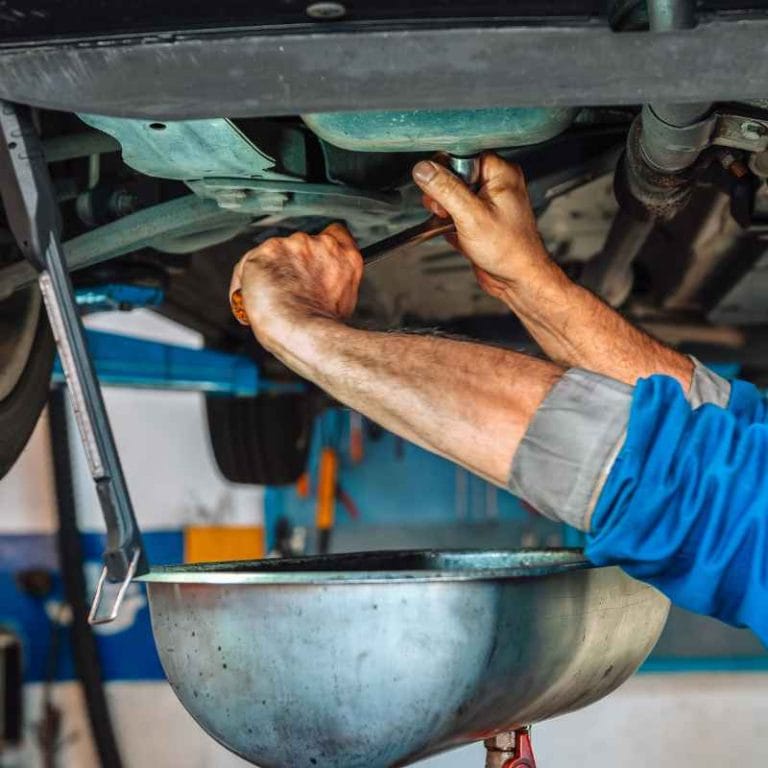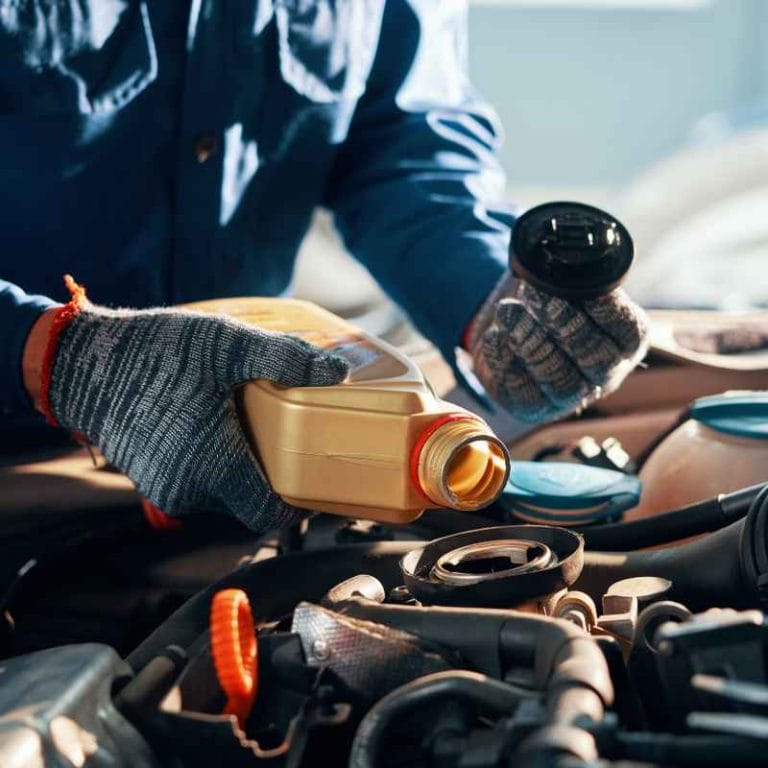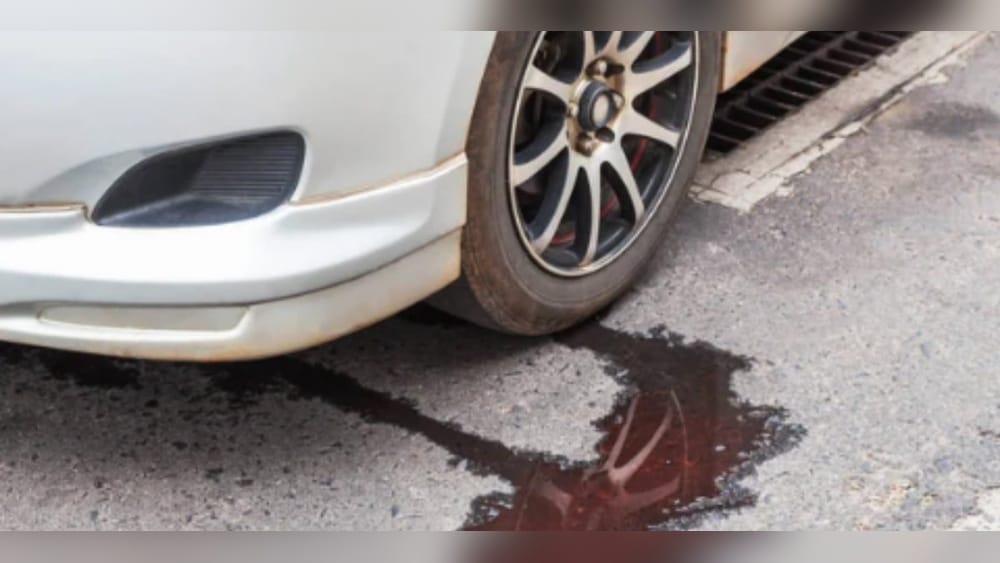
Why Does Car Engine Oil Leak? Common Causes & Fixes
Few car problems spark as much anxiety as discovering an engine oil leak. Whether you notice a slick puddle under your vehicle or smell burning oil during your commute, oil leaks can signal everything from minor wear to costly repairs.
Left unaddressed, even a small leak can lead to engine damage, reduced performance, or unexpected breakdowns, sometimes with catastrophic consequences. Understanding why car engine oil leaks occur, their most common causes, and how to fix them empowers drivers to protect their vehicles, budgets, and peace of mind.
Oil leaks are not only a nuisance but a genuine safety and environmental concern. Leaking oil can degrade rubber components, create slippery surfaces, and pollute soil and waterways. According to the US Environmental Protection Agency, motor oil is a leading automotive pollutant, with millions of gallons improperly disposed annually.
As cars age, oil leaks become more frequent, especially beyond the 100,000-mile mark. This guide breaks down the mechanics behind oil leaks, highlights real-world examples, compares repair options, and provides actionable strategies to address this issue efficiently.
Key Takeaways
- Engine oil leaks are often caused by worn seals, gaskets, or hardware failures.
- Early detection is crucial to prevent engine damage and costly repairs.
- Common fixes range from simple gasket replacements to complex engine repairs.
- Routine maintenance can minimize leak risks and prolong engine life.
- Environmental impact of oil leaks underscores the importance of timely repair.
- Professional assessment is recommended for severe or persistent leaks.

Credit: www.tiresplus.com
Understanding Car Engine Oil Leaks
Engine oil plays a crucial role in lubricating moving parts, reducing friction, and dissipating heat. When oil leaks, the engine can run hotter, wear out faster, and even seize up if the oil level drops too low. To grasp why leaks occur, it’s important to understand how oil circulates and the components involved in sealing the system.
Most engines rely on a network of gaskets, seals, and hardware to keep oil contained. These components endure extreme temperature fluctuations, vibrations, and chemical exposure, making them susceptible to degradation over time. Typical signs of an oil leak include:
- Oil spots or puddles under the vehicle
- Burning oil smell from the engine bay
- Low oil level on the dipstick
- Visible oil residue on engine parts
Pro Tip: Regularly check your oil level and inspect for leaks during routine maintenance. Early detection can save thousands in repair costs.
How Engine Oil Circulates
Oil begins its journey in the sump or oil pan, drawn up by the oil pump and forced through a network of passages and galleries. It lubricates bearings, camshafts, pistons, and valves, before draining back to the pan. Any breach in this closed system, due to a failed gasket, cracked seal, or loose hardware, can result in a leak.
Types Of Engine Oil Leaks
Leaks can be classified by their location and severity:
- External leaks: Visible on the outside, often forming puddles or stains.
- Internal leaks: Oil escapes into combustion chambers, causing smoke and increased oil consumption.
Real-world Example: Aging Vehicles
Older vehicles, especially those with over 150,000 miles, are more likely to develop oil leaks due to material fatigue and thermal cycling. Owners of classic cars often face repeated leaks from dried-out gaskets and seals, highlighting the importance of proactive maintenance.
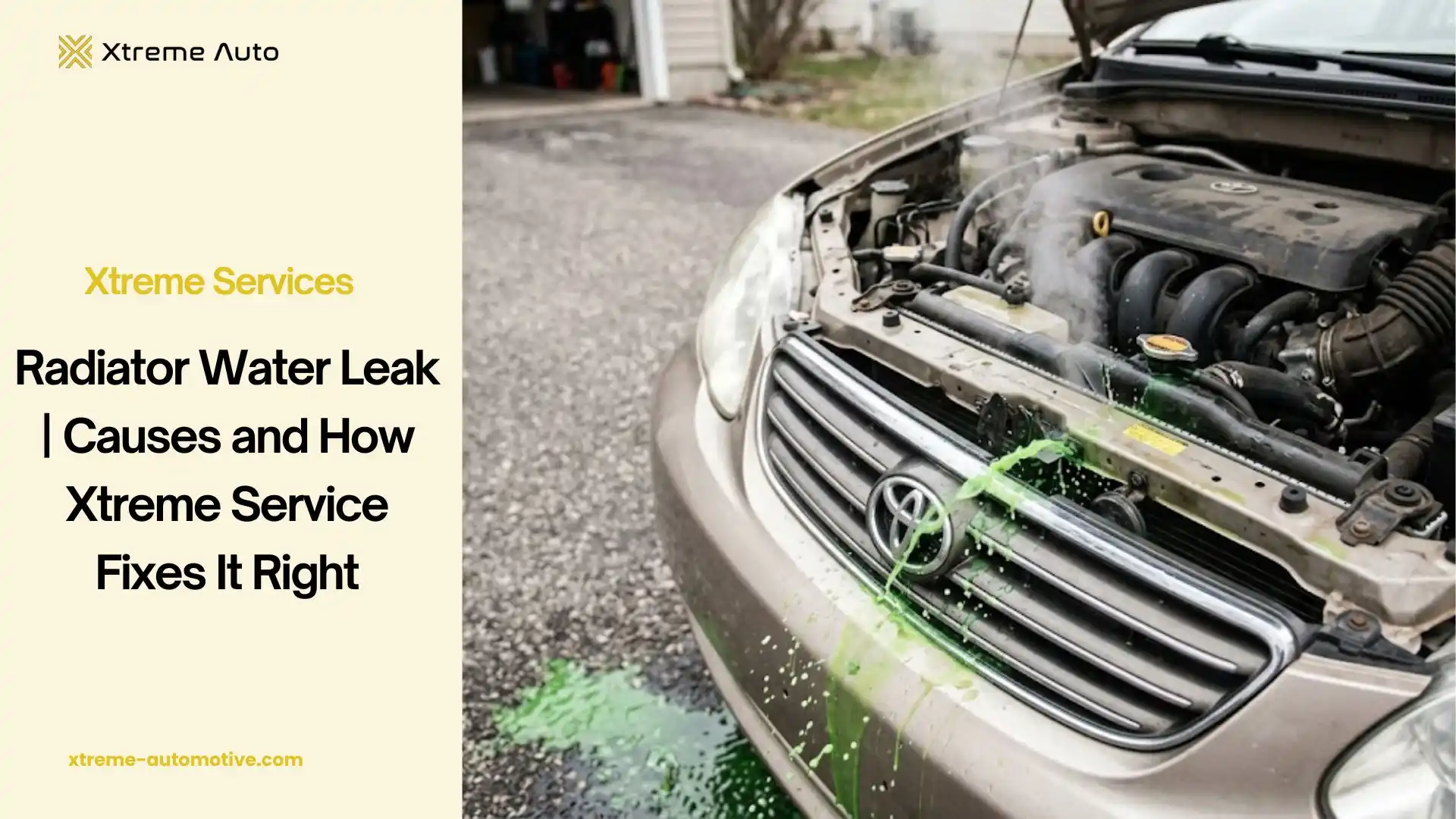
Credit: xtreme-automotive.com
Common Causes Of Car Engine Oil Leaks
Identifying the root cause of an oil leak is essential for effective repair. Here are the most prevalent sources:
| Cause | Description | Typical Repair Cost |
|---|---|---|
| Worn Gaskets | Age and heat degrade gaskets between engine parts | $100, $400 |
| Damaged Oil Pan | Impacts or corrosion compromise the oil pan | $200, $600 |
| Faulty Seals | Crankshaft, camshaft, or valve seals fail | $200, $800 |
| Loose or Broken Hardware | Bolts, drain plugs, and filter housing become loose | $50, $150 |
| Overfilled Oil | Excess oil pressure causes leaks | $0, $100 |
| Oil Filter Issues | Improper installation or defective filter gasket | $50, $150 |
Worn Or Damaged Gaskets
Gaskets seal joints between engine components, such as the oil pan, valve cover, or timing cover. Over time, heat and vibration cause gaskets to harden and crack, allowing oil to escape. This is especially common in vehicles with high mileage or those exposed to extreme temperature swings.
Faulty Oil Seals
Seals, such as the crankshaft or camshaft seals, prevent oil from leaking where rotating shafts exit the engine block. These seals are made of rubber or synthetic materials that degrade with age, exposure to oil, and heat. When a seal fails, oil can leak and, in some cases, spray onto other engine parts.
Oil Pan Damage
The oil pan, located at the bottom of the engine, is susceptible to damage from road debris, corrosion, or improper maintenance. A dented or cracked oil pan can cause significant leaks and often requires replacement.
Loose Or Faulty Oil Filter
Oil filters must be installed tightly and correctly. If the filter is cross-threaded, under-tightened, or fitted with a defective gasket, oil will leak from the mounting point. Routine oil changes are a common time for filter-related leaks to develop.
Overfilled Oil
Adding too much oil increases internal pressure and can force oil past seals and gaskets. This is a preventable error that underscores the importance of following manufacturer specifications.
Example: Leaks After Oil Change
A technician at a local repair shop once recounted how a new oil filter, installed without lubricating the gasket, resulted in a persistent leak. The simple oversight required a second oil change and filter replacement to resolve.
Real-world Data: Frequency Of Oil Leaks
According to a study published by the National Highway Traffic Safety Administration (NHTSA), engine oil leaks rank among the top five vehicle fluid-related issues, especially in cars aged 8 years or older.
Diagnosing Car Engine Oil Leaks
Effective diagnosis begins with identifying the location, severity, and cause of the leak. Accurate assessment can save time and money by targeting the right repair.
Visual Inspection
Start by checking for oil spots under the car and tracing residue on engine parts. Key areas to inspect include:
- Oil pan and drain plug
- Valve cover gasket
- Timing cover gasket
- Oil filter housing
- Engine block seams
Use a flashlight and mirror for hard-to-reach areas. If oil appears near the top of the engine, it’s likely a valve cover or timing cover gasket. Oil near the bottom often signals oil pan or drain plug issues.
Use Of Uv Dye
Professional mechanics often use UV-reactive dye added to the oil. Running the engine and scanning with a UV light reveals leak points, even those too small for the naked eye.
Engine Pressure Testing
A pressure tester can simulate operating conditions, forcing oil through weak seals or gaskets. This helps confirm the leak’s origin, especially for intermittent leaks.
Example: Diagnosing A Camshaft Seal Leak
A customer complained of a burning oil smell and visible smoke. A UV dye test pinpointed the camshaft seal as the culprit, allowing the shop to replace the seal and resolve the leak.
Warning: Safety Precautions
Always allow the engine to cool before inspecting or working on oil leaks. Hot oil and engine components can cause severe burns.

Credit: brianstireandservice.com
Fixes For Car Engine Oil Leaks
Once the source is identified, repairs range from simple DIY fixes to professional engine work. Choosing the right fix depends on the leak’s location, severity, and your mechanical skill.
| Leak Type | DIY Repair Possible? | Professional Repair Recommended? | Estimated Downtime |
|---|---|---|---|
| Oil Filter/Gasket | Yes | No | 30, 60 min |
| Valve Cover Gasket | Yes | Sometimes | 2, 4 hrs |
| Oil Pan Gasket | No | Yes | 4, 8 hrs |
| Crankshaft/Camshaft Seal | No | Yes | 6, 12 hrs |
| Drain Plug | Yes | No | 30 min |
Replacing Gaskets
Most gasket replacements involve removing the affected cover, cleaning the mating surfaces, and installing a new gasket. Valve cover gasket jobs are often manageable for DIYers with basic tools, while oil pan gaskets require more disassembly and expertise.
Seal Replacement
Replacing crankshaft or camshaft seals is complex, requiring removal of timing belts, pulleys, and sometimes the engine itself. Professional repair is recommended, as improper installation can cause further leaks and damage.
Oil Pan Repair
If the pan is dented or cracked, replacement is usually necessary. This involves draining the oil, removing the pan, installing a new gasket, and torquing bolts to specification.
Oil Filter And Drain Plug Fixes
A loose or faulty oil filter can be resolved by removing the filter, inspecting the gasket, lubricating it, and reinstalling with proper torque. Drain plug leaks can be fixed by replacing the washer or plug, ensuring a tight seal.
Example: Diy Valve Cover Gasket Replacement
On a 10-year-old sedan, this repair typically takes about three hours and requires basic hand tools. The leak was resolved, and engine performance improved noticeably.
Warning: Professional Help
If the leak involves internal engine seals or you lack experience, consult a certified mechanic. Incorrect repairs can worsen leaks and void warranties.
Preventing Engine Oil Leaks
Prevention is always preferable to cure. Routine maintenance and careful handling reduce the risk of leaks and extend engine life.
Regular Oil Changes
Follow manufacturer guidelines for oil change intervals and use the recommended oil type. Regular changes keep seals and gaskets lubricated and functional.
Inspect Gaskets And Seals
During oil changes or inspections, check the condition of gaskets and seals. Look for signs of hardening, cracking, or oil seepage.
Avoid Overfilling
Use the dipstick and fill oil to the specified level. Overfilling increases pressure and can force oil past seals.
Use Quality Parts
Choose OEM or high-quality aftermarket gaskets, seals, and filters. Inferior parts degrade faster and increase leak risk.
Example: Synthetic Vs Conventional Oil
Synthetic oils offer superior resistance to breakdown and are less likely to degrade seals, according to Consumer Reports. Switching to synthetic oil can help prevent leaks in older engines.
Maintain Proper Torque
During repairs, use a torque wrench to tighten bolts to specification. Over-tightening can crush gaskets, while under-tightening leaves gaps.
Cost And Impact Of Engine Oil Leaks
Oil leaks affect more than just engine performance, they impact safety, environment, and finances.
Repair Costs
Repair costs vary by leak type and vehicle:
- Valve cover gasket: $100, $400
- Oil pan gasket: $200, $600
- Crankshaft/camshaft seal: $200, $800
- Oil filter/drain plug: $50, $150
Labor accounts for much of the expense, especially for seals requiring disassembly.
Environmental Impact
Leaking oil contaminates soil and groundwater, posing hazards to wildlife and ecosystems. According to the EPA, a single quart of motor oil can pollute up to 250,000 gallons of water (EPA). Proper repair and disposal are crucial.
Vehicle Reliability And Value
Persistent leaks reduce vehicle reliability and resale value. Buyers and inspectors view oil leaks as red flags, often demanding price reductions or repairs.
Example: Used Car Purchase
A buyer noticed oil stains during a used car inspection. The seller agreed to replace the valve cover gasket, increasing buyer confidence and preventing negotiation delays.
Comparison: Diy Vs Professional Engine Oil Leak Repair
Choosing between DIY and professional repair depends on skill, leak severity, and available tools.
| Criteria | DIY Repair | Professional Repair |
|---|---|---|
| Cost | Lower, parts only | Higher, labor included |
| Skill Required | Basic to advanced | Expert, certified |
| Time | Several hours | 1, 2 hours (simple), 1 day (complex) |
| Risk | Potential for errors | Warranty, quality assurance |
| Tools Needed | Hand tools, torque wrench | Specialized equipment |
Pro Tip: Attempt DIY repairs only if you understand the process, have the right tools, and access to repair guides. Otherwise, professional service ensures reliability and warranty coverage.
Frequently Asked Questions
What Are The Signs Of An Engine Oil Leak Other Than Oil Spots?
Beyond visible oil spots, you may detect burning oil smells, notice smoke from the engine bay, or experience unexpected drops in oil level. Some leaks cause oil to drip onto hot engine parts, producing blue smoke. You might also see oil residue on components or find the engine running rough due to contaminated sensors.
Can Driving With An Oil Leak Cause Permanent Engine Damage?
Yes, driving with an oil leak can result in permanent engine damage. Low oil levels reduce lubrication, increasing friction and heat. This can lead to bearing failure, warped cylinder heads, or even engine seizure. If you suspect a leak, top up your oil and seek repair promptly to avoid costly damage.
How Do Mechanics Differentiate Between Oil And Other Fluid Leaks?
Mechanics use fluid color, texture, and location to distinguish leaks. Engine oil is typically amber to dark brown and slick. Transmission fluid is red or brown, coolant is green or orange, and brake fluid is clear or yellowish. UV dyes and specialized leak detection tools further help pinpoint the exact fluid and source.
Is It Safe To Use Stop-leak Additives For Engine Oil Leaks?
Stop-leak additives can temporarily seal minor leaks, especially in gaskets and seals. However, they are not a permanent solution and may cause clogging or compatibility issues in modern engines. Always consult your vehicle’s manufacturer or a certified mechanic before using additives, and prefer proper gasket or seal replacement for long-term reliability.
Are Some Car Models More Prone To Oil Leaks?
Certain models, especially those with aluminum engine blocks or older designs, are more susceptible to oil leaks. Vehicles from the late 1990s and early 2000s frequently report valve cover gasket issues. High-performance engines and turbocharged vehicles also experience higher leak rates due to greater heat and pressure. Always research known issues for your car model and consult forums or recall databases for guidance.
Protecting your car from engine oil leaks is vital for both performance and environmental stewardship. By understanding the causes, diagnosing leaks accurately, and applying the right fixes, you can avoid breakdowns and costly repairs. Routine maintenance and prompt attention to leaks ensure your vehicle stays reliable for years to come.
Always consult a trusted mechanic for severe leaks, and never ignore warning signs, your engine, wallet, and the planet depend on it.
Products related to this article
Sponsored / affiliate links. As an Amazon Associate I earn from qualifying purchases. I may earn additional commission from eligible campaigns.
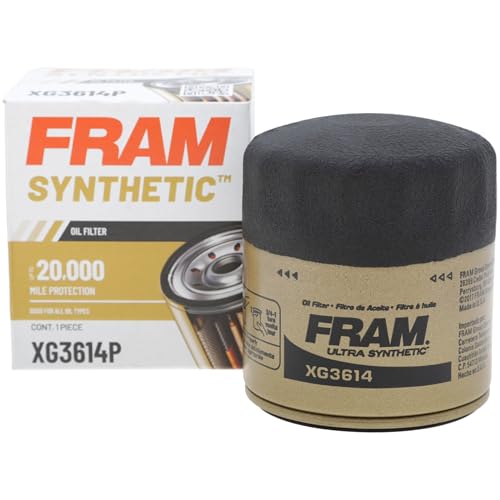 FRAM Synthetic XG3614P 20K Mile Change Automotive Replacement Engine Oil Filter for Synthetic Oil Changes, Premium Vehicle Engine Protection Oil Filter for Select Vehicle Model Years
 Suifaqi Engine Oil Dipstick Oil Level Dipstick - Replace Part 120 589 07 21 00, 120589072100 - Compatible with Mercedes-Benz CLS55 AMG 2006(2026 NEW)