How to Clean Car Engine Oil Spills Safely And Effectively
Engine oil spills are more than just an unsightly nuisance, they pose genuine risks to your vehicle, the environment, and even your health. Whether you’re a weekend mechanic, auto shop professional, or simply someone who found a pool of oil under the hood, knowing how to clean car engine oil spills safely and effectively is crucial.
Improper cleanup can lead to costly repairs, hazardous conditions, and regulatory violations. Yet, many drivers are unsure about the best techniques, products, and safety measures to tackle oil spills without making matters worse.
This guide brings together expert advice, real-world case studies, and proven methods, tailored to both home garages and professional facilities. You’ll learn how to protect your car’s components, avoid dangerous mistakes, and minimize environmental impact. From identifying the right absorbents to understanding OSHA and EPA guidelines, this article is your comprehensive resource for handling engine oil spills with confidence and precision.
Key Takeaways
- Engine oil spills can harm vehicle parts, create fire hazards, and pollute soil and water if not handled promptly.
- Effective cleanup requires proper safety gear, absorbent materials, and disposal methods in compliance with local regulations.
- Using specialized products and techniques is safer and more efficient than household remedies.
- Real-world examples demonstrate the impact of proper cleanup versus neglect.
- Following step-by-step instructions reduces risk and ensures thorough removal.
- Consulting professionals is recommended for large or hazardous spills.
Understanding Engine Oil Spills: Risks And Challenges
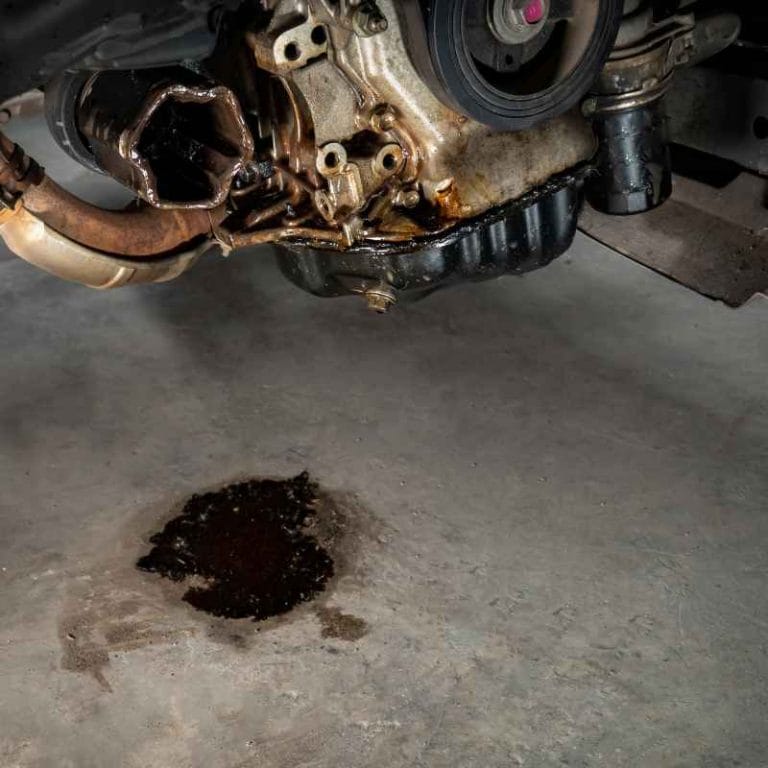
Engine oil spills, whether inside the engine bay or onto the garage floor, are a common occurrence. The cleanup process is not straightforward, as engine oil contains toxic additives and hydrocarbons that can damage surfaces, harm the environment, and jeopardize human health.
Types Of Engine Oil Spills
Engine oil spills can be classified based on location and severity:
- Small drips: Often from minor leaks or spills during oil changes.
- Major leaks: Result from damaged gaskets, seals, or accidental mishandling.
- Contamination spills: Oil mixed with coolant or fuel, creating complex cleanup challenges.
Each type requires a tailored approach, with larger or contaminated spills demanding professional intervention.
Environmental And Health Risks
Spilled engine oil can seep into the ground, contaminating soil and groundwater. According to the U.S. Environmental Protection Agency, oil spills are a leading cause of urban waterway pollution. Direct skin contact can cause irritation, while inhalation of fumes may lead to respiratory issues. In garages, oil increases slip hazards and fire risk, especially if electrical equipment is nearby.
Regulatory Considerations
Local regulations often mandate specific cleanup and disposal protocols. The EPA requires proper containment and disposal of hazardous waste oil, and OSHA mandates safety procedures for workers handling such spills. Failing to comply can result in fines or legal action. Always consult your local guidelines before disposal.

Credit: www.crcindustries.com
Essential Safety Precautions Before Cleanup
Before tackling any engine oil spill, prioritizing safety is essential. Cleaning oil without proper precautions can expose you to toxic substances and create additional hazards.
Personal Protective Equipment (ppe)
For safe cleanup, use the following PPE:
- Nitrile gloves: Resistant to oil and chemicals.
- Safety goggles: Protect eyes from splashes.
- Coveralls: Prevent skin contact and protect clothing.
- Respirator mask: Recommended for enclosed spaces with poor ventilation.
Pro Tip: Always check PPE for damage before use. Replace gloves and goggles regularly to maintain protection.
Ventilation And Fire Safety
Ensure the area is well-ventilated to disperse harmful vapors. Avoid smoking or using open flames near the spill, as oil fumes are flammable. Keep a fire extinguisher rated for chemical fires nearby.
Preparing The Area
Clear away unnecessary items from the spill zone. Use absorbent mats to catch additional drips and prevent spreading. If the spill occurred on a slope, create a barrier with absorbent socks or sandbags to stop oil from flowing.

Credit: xtreme-automotive.com
Step-by-step Guide To Cleaning Engine Oil Spills
Cleaning engine oil spills requires a systematic approach to ensure thorough removal and safety. Here’s a detailed guide for handling spills in both home and professional settings.
Assessing The Spill
Before starting cleanup, evaluate:
- Size and spread: Is the spill confined or widespread?
- Surface type: Concrete, asphalt, metal, or soil?
- Contamination: Is oil mixed with other fluids?
This assessment helps determine the tools and products needed.
Containment And Absorption
- Contain the spill: Use absorbent socks or pads around the perimeter.
- Apply absorbent material: Products like oil absorbent granules or kitty litter can soak up oil effectively. Pour generously over the spill.
- Allow time for absorption: Typically, 15, 30 minutes is sufficient.
| Absorbent Material | Effectiveness | Recommended Use |
|---|---|---|
| Oil absorbent granules | High | Professional shops, large spills |
| Kitty litter (clay-based) | Medium | Home garages, small spills |
| Absorbent pads | High | Precision cleanup, confined spills |
| Sawdust | Low | Temporary solution, outdoor use |
Collecting And Removing Absorbents
Once absorbed, carefully sweep the material into a dustpan, avoiding further spread. Place used absorbents in a sealed, labeled container for hazardous waste disposal.
Cleaning Residual Oil
After removing bulk oil, some residue will remain. Clean this with:
- Degreaser sprays: Commercial products designed for automotive use.
- Soap and water: Suitable for small, non-porous surfaces.
- Brushes or sponges: To scrub and lift remaining oil.
Work from the outside in to prevent spreading. Rinse thoroughly, but avoid directing contaminated water into drains unless permitted by local regulations.
Final Inspection And Surface Protection
Inspect the cleaned area for lingering stains or slippery spots. Reapply degreaser as needed. To protect surfaces, consider applying a sealant to concrete or metal.
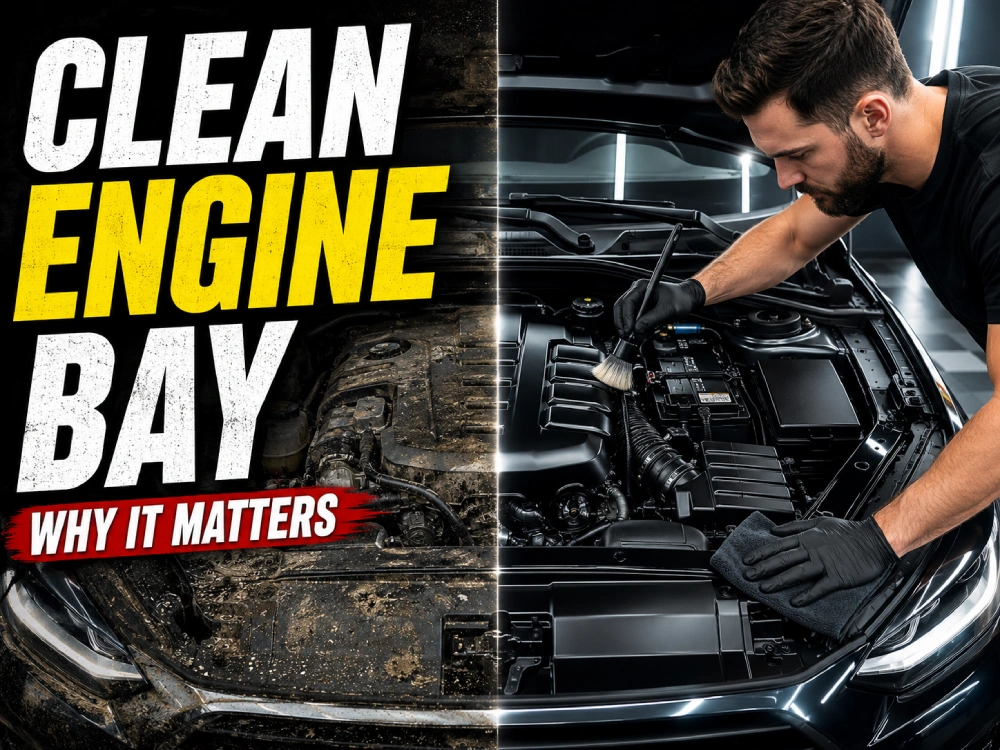
Example: In my experience, using a combination of oil absorbent granules and a citrus-based degreaser removed a stubborn spill from my garage floor, leaving no trace after two rounds of scrubbing.
Credit: www.detailingdevils.com
Selecting The Right Products And Tools For Oil Spill Cleanup
Choosing the correct materials is vital for effective oil spill cleanup. Quality products improve safety, efficiency, and environmental compliance.
Absorbents And Containment Tools
- Oil absorbent pads: For precision cleanup in engine bays.
- Granular absorbents: Ideal for large spills on garage floors.
- Absorbent socks: Useful for creating barriers.
Cleaning Agents
- Automotive degreasers: Formulated to break down oil without damaging surfaces.
- Eco-friendly cleaners: Biodegradable options reduce environmental impact.
- Household detergents: Suitable for minor spills, but less effective.
Disposal Containers And Accessories
- Hazardous waste bins: Required for used absorbents.
- Sealed plastic bags: Short-term storage before disposal.
- Labels and markers: Ensure compliance with hazardous waste regulations.
Pro Tip: Always check product labels for compatibility with your surface and spill type. Avoid bleach or ammonia-based cleaners, which can react with oil and create toxic fumes.
Comparison Table: Commercial Vs Household Cleanup Products
| Product Type | Effectiveness | Environmental Impact | Cost |
|---|---|---|---|
| Commercial degreaser | High | Low (if biodegradable) | Moderate |
| Eco-friendly cleaner | Medium | Very low | High |
| Household detergent | Low | Medium | Low |
| Kitty litter | Medium | Low | Low |
Proper Disposal And Environmental Best Practices
Disposing of used absorbents and contaminated oil requires careful attention to environmental standards. Improper disposal can result in fines or lasting ecological damage.
Hazardous Waste Disposal
Used absorbents and oil must be handled as hazardous waste. Most municipalities provide designated collection sites or hazardous waste events. Always:
- Store used materials in sealed containers.
- Label containers clearly as “used oil absorbent.”
- Transport to authorized facilities.
Example: The California Department of Toxic Substances Control recommends using local hazardous waste collection sites for all oil-contaminated debris. Check your local government website for specifics.
Preventing Environmental Damage
Avoid pouring oil or contaminated water down drains, onto soil, or into gutters. Oil can persist in the environment for years, harming wildlife and water quality. Use biodegradable cleaners when possible, and minimize water use during final rinsing.
Regulatory Compliance
Consult your local EPA guidelines and municipal regulations. Some regions require reporting spills above a certain volume. For major spills, professional remediation may be mandatory.
Pro Tip: Keep records of disposal, including receipts and dates, to demonstrate compliance during inspections.
Real-world Examples And Case Studies
Understanding real-life scenarios helps illustrate the importance of proper oil spill cleanup.
Example 1: Small Garage Spill
A home mechanic spilled approximately half a quart of engine oil during an oil change. Using clay-based kitty litter and a commercial degreaser, the spill was contained and removed in under an hour. No staining or environmental impact occurred, and the used absorbent was disposed of at a local hazardous waste facility.
Example 2: Professional Shop Spill
In a busy auto repair shop, a technician accidentally knocked over an oil drain pan, spilling several quarts onto the concrete. The shop used oil absorbent granules, absorbent socks to prevent spread, and an industrial-strength degreaser. The spill was cleaned before closing, and all used materials were placed in designated hazardous waste bins, following OSHA and EPA protocols.
Example 3: Outdoor Spill On Soil
A leaking engine led to a slow, continuous oil spill onto a driveway and adjacent soil. The homeowner created a sandbag barrier, used absorbent pads for the driveway, and removed contaminated soil for proper disposal. Biodegradable cleaner was applied to remaining areas, preventing runoff into nearby storm drains.
Lessons Learned
- Quick response minimizes staining and environmental harm.
- Professional-grade products outperform household alternatives.
- Proper disposal avoids legal and ecological consequences.
Preventing Future Engine Oil Spills
Preventing spills is preferable to cleaning them. Routine maintenance and vigilance can dramatically reduce the likelihood of leaks or accidents.
Regular Vehicle Inspection
Check for leaks during oil changes and routine maintenance. Inspect:
- Oil filter and drain plug
- Gaskets and seals
- Engine block and pan
Replace worn components promptly.
Careful Handling During Maintenance
Follow manufacturer guidelines when changing oil. Use drip pans and absorbent mats to catch stray oil. Avoid overfilling and ensure caps and plugs are securely tightened.
Upgrading Equipment
Consider investing in:
- No-spill drain pans
- Absorbent mats
- Oil leak detectors
These tools make maintenance safer and cleaner.
Garage And Shop Preparation
Keep absorbents, cleaning agents, and PPE on hand. Train staff or household members in spill response protocols. Mark hazardous waste bins clearly.
Pro Tip: Schedule annual maintenance reviews and document all repairs to catch leaks early.
Comparing Professional Vs Diy Cleanup Methods
Both professional and DIY approaches have advantages and drawbacks. Understanding the differences helps you choose the best method for your situation.
| Method | Speed | Safety | Effectiveness | Cost |
|---|---|---|---|---|
| Professional service | Fast | High | High | High |
| DIY cleanup | Moderate | Variable | Medium, High | Low, Moderate |
Professional Services
Auto shops and environmental remediation companies offer rapid, compliant cleanup. They have access to industrial absorbents, disposal facilities, and trained personnel. This option is ideal for large or hazardous spills.
Diy Cleanup
DIY methods are suitable for small spills, provided you use proper absorbents, PPE, and disposal techniques. Savings are significant, but risks increase if protocols are neglected.
Warning: If a spill exceeds one gallon or enters soil/water, consult a professional immediately.
When To Call A Professional
- Large spills (over one quart)
- Oil mixed with hazardous chemicals
- Spills in sensitive areas (near drains or water sources)
- Uncertainty about cleanup or disposal
Advanced Techniques And Technologies In Oil Spill Cleanup
Recent advances have improved oil spill cleanup efficiency and safety. Understanding these innovations can help you select the best tools and methods.
Bioremediation Agents
Bioremediation uses microbes to break down oil into harmless byproducts. Products like oil-eating bacteria are increasingly available for soil and water spills. While slower than physical removal, they offer long-term environmental benefits.
Enzyme-based Cleaners
Enzyme cleaners target hydrocarbons, converting oil to water and carbon dioxide. These are suitable for garage floors and driveways, leaving minimal residue.
Oil Spill Kits
Pre-packaged kits contain absorbents, PPE, and disposal bags. Ideal for home garages and small shops, they simplify response and ensure compliance.
Smart Sensors
Sensors detect leaks early, alerting users before a major spill occurs. Some integrate with smartphone apps for remote monitoring.
Example: According to EPA’s emergency response guidelines, bioremediation has been used successfully in large-scale oil spill remediation, though it is primarily recommended for soil contamination.
Frequently Asked Questions
How Do I Know If My Oil Spill Is Hazardous?
Any spill involving engine oil is considered hazardous due to toxic additives and hydrocarbons. The volume, location, and presence of other chemicals determine the severity. Consult your local hazardous waste guidelines for thresholds and reporting requirements.
Can I Use Baking Soda Or Vinegar To Clean Oil Spills?
Baking soda and vinegar are ineffective against engine oil, as they do not break down hydrocarbons. Use specialized degreasers or absorbent materials for safe and thorough cleanup. These household products may help mask odors but will not remove oil.
What Should I Do If Oil Enters A Drain Or Waterway?
If oil enters a drain, gutter, or waterway, immediately contact your local environmental agency or hazardous spill response team. Do not attempt to flush or dilute the spill, as this can worsen contamination and violate regulations.
Are There Eco-friendly Options For Cleaning Oil Spills?
Yes, several biodegradable degreasers and enzyme-based cleaners are available. These reduce environmental impact and are safe for most surfaces. Look for products certified by recognized environmental agencies, and always follow disposal guidelines.
How Often Should I Inspect My Vehicle For Leaks?
Inspect your vehicle at every oil change (typically every 3,000, 5,000 miles) and during routine maintenance. Check under the car and around the engine bay for signs of oil residue or staining. Early detection is key to preventing spills.
Additional Resources And References
For further guidance, consult:
- Wikipedia: Oil Spill
- Local EPA and hazardous waste disposal websites
- Automotive maintenance manuals and safety guides
Cleaning car engine oil spills safely and effectively is a skill every vehicle owner or mechanic should master. By following the proper steps, using the right products, and respecting environmental regulations, you protect your vehicle, your health, and the planet.
Whether you handle spills yourself or call in professionals, proactive maintenance and preparedness make all the difference.
Products related to this article
Sponsored / affiliate links. As an Amazon Associate I earn from qualifying purchases. I may earn additional commission from eligible campaigns.