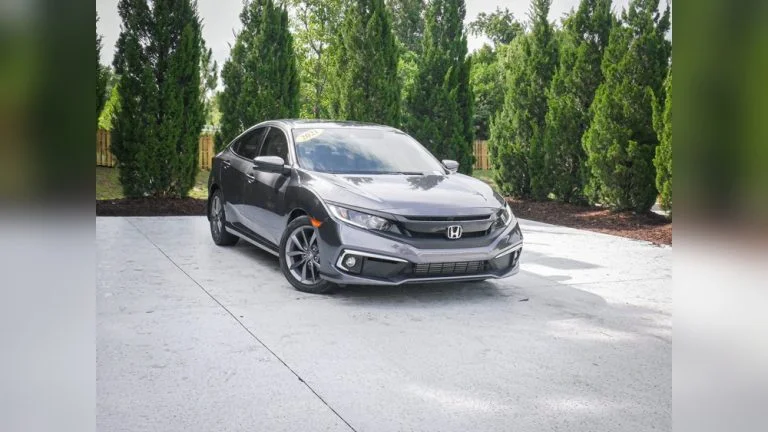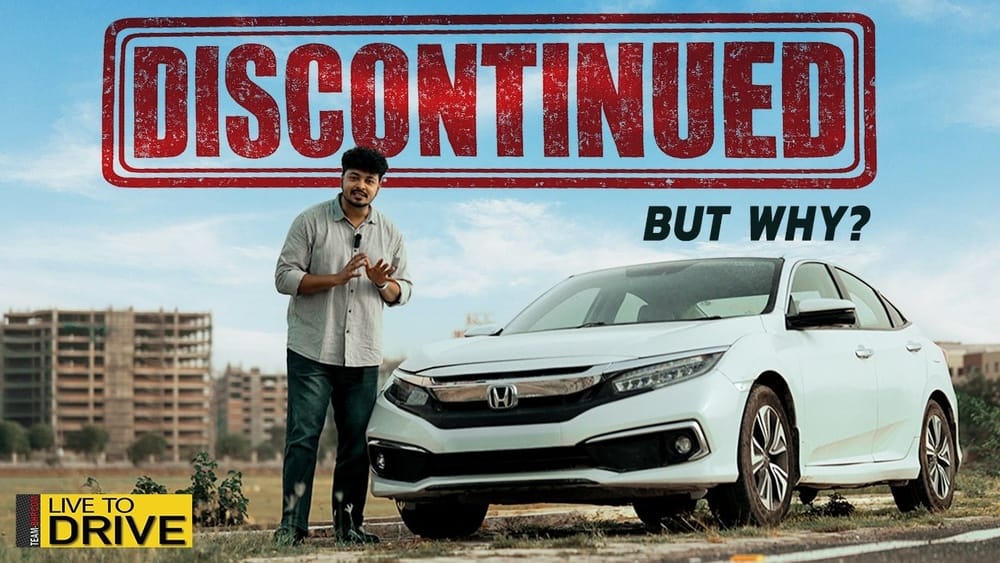
Why Was the Honda Civic Discontinued? The Full Story
The Honda Civic has long been synonymous with reliability, affordability, and innovation in the compact car segment. For over five decades, it was a mainstay on roads around the world, earning accolades for its fuel efficiency, approachable design, and sporty performance. Yet, recent headlines have sparked confusion and disappointment: the Honda Civic, in certain markets, has been discontinued. For millions of drivers, this marks the end of an automotive era.
But why was the Honda Civic discontinued, and what does this decision reveal about the shifting dynamics of the auto industry? This comprehensive exploration unpacks the full story, from market trends and regulatory pressure to evolving consumer preferences. We’ll examine the critical factors that led Honda to retire its iconic model in select regions, analyze the impact on buyers and the broader compact car market, and offer insights for current Civic owners and future vehicle shoppers.
Key Takeaways
- Honda discontinued the Civic in some markets due to shifting consumer demand toward SUVs and crossovers, rising production costs, and regulatory challenges.
- The Civic remains available in other regions, including North America, where demand and profitability are still high.
- Discontinuation has impacted the used car market, Civic enthusiasts, and Honda’s brand perception, especially in markets where the model was beloved.
- The move reflects broader auto industry trends, including electrification, stricter emissions standards, and a focus on higher-margin vehicles.
- Current Civic owners should be aware of parts availability, resale value, and support, as Honda maintains commitments even after discontinuation.

Credit: autos.yahoo.com
The Honda Civic: A Legacy Of Innovation
A Brief History Of The Honda Civic
Launched in 1972, the Honda Civic quickly became a global favorite. Its compact size, agile handling, and efficient engines made it ideal for urban environments and long commutes. Over 27 million units have been sold across 11 generations, making it one of the best-selling cars worldwide. The Civic’s reputation for reliability was cemented through decades of consistent performance and low ownership costs.
Civic’s Global Market Success
The Civic’s adaptability was key to its longevity. In North America, the Civic was often a go-to for first-time buyers and enthusiasts seeking affordable upgrades. In Europe and Asia, it was praised for fuel economy and ease of maintenance. The Civic’s popularity surged after winning numerous awards, including multiple “Car of the Year” titles.
Evolution Through Generations
Each generation brought technological and design advancements. The Civic introduced innovations such as VTEC engines, hybrid powertrains, and advanced safety systems. Its versatility allowed for various body styles, sedan, coupe, hatchback, and even wagons, keeping it relevant amid changing tastes.
Civic As A Cultural Icon
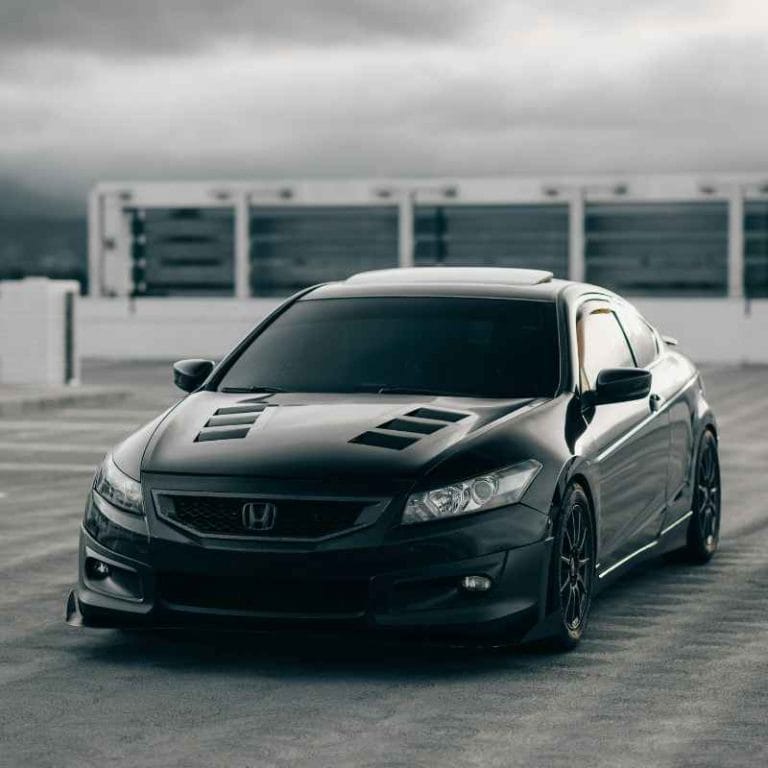
The Civic became more than just transportation; it was a canvas for customization and motorsport. From street racing scenes in movies like “The Fast and the Furious” to grassroots autocross events, the Civic garnered a passionate following. This cultural influence added to its staying power, especially among younger drivers.

Credit: stupiddope.com
Key Factors Behind The Discontinuation
Shift In Consumer Preferences
One of the most significant factors driving the Civic’s discontinuation in certain markets is the shift toward SUVs and crossovers. According to data from the International Energy Agency, global SUV sales have more than tripled since 2010, while compact car sales have steadily declined. Consumers increasingly favor vehicles with higher seating positions, greater cargo space, and perceived safety advantages.
Example
When testing the Civic and its SUV sibling, the Honda CR-V, at a dealership, sales staff note that families overwhelmingly gravitate toward the CR-V for its practicality, even though the Civic offers better fuel efficiency and a lower price point.
Regulatory And Emissions Challenges
Stricter emissions standards, particularly in Europe and Japan, have made it costly for automakers to keep small, combustion-engine cars compliant. The Civic, known for its internal combustion engines, faced hurdles adapting to new regulations favoring hybrid and electric vehicles. Rather than invest in expensive redesigns for shrinking markets, Honda chose to pull the Civic from these regions.
Pro Tip
Countries like the UK and Germany have introduced bans on new gasoline and diesel car sales by 2030 and 2035, respectively, accelerating the need for automakers to pivot to electrification.
Rising Production And Development Costs
Manufacturing compact cars like the Civic has become less profitable as costs for advanced safety features, infotainment systems, and emissions controls rise. At the same time, profit margins on SUVs and crossovers are higher, incentivizing manufacturers to prioritize these segments. Honda’s decision aligns with industry trends, Ford, GM, and Toyota have also reduced their compact car offerings in recent years.
Market-specific Sales Performance
While the Civic remains popular in North America, sales in regions like Europe and Australia declined sharply in the late 2010s and early 2020s. According to the European Automobile Manufacturers Association, Civic sales in Europe fell by more than 40% between 2015 and 2020.
Poor sales performance made it difficult to justify continued investment.
The Rise Of Electrification
Honda is aggressively expanding its hybrid and electric vehicle lineup. The company aims for 100% of its European sales to be electrified by 2026 and global carbon neutrality by 2050, as stated on its official site (Honda Newsroom). The Civic, in its traditional form, did not align with these goals in markets prioritizing electrification.

Credit: news.konigwheels.com
Regional Differences: Where The Civic Lives On
North America: Civic Still Going Strong
In the United States and Canada, the Civic continues to be a sales leader. Honda’s North American operations have invested in modernizing the Civic, offering hybrid versions and advanced safety features. The Civic remains a top choice for compact car buyers.
Comparison Table: Civic Availability By Region
| Region | Current Status | Key Reason |
|---|---|---|
| United States | Still Available | Strong Demand, High Sales |
| Canada | Still Available | Popular Compact, Hybrid Models |
| Europe | Discontinued (as of 2026) | Emissions Standards, Low Sales |
| Australia | Discontinued (2026) | Shift to SUVs, Low Demand |
| Japan | Discontinued (2026, Reintroduced as Hybrid) | Hybrid Focus, Market Preference |
Europe: Focus On Electrified Models
Honda shifted its European strategy to hybrid and electric vehicles, discontinuing the Civic and introducing models like the Honda e and the Jazz Hybrid. The cost of adapting the Civic to stringent emissions standards was not justifiable given declining market share.
Asia And Australasia: Selective Availability
In Japan, the Civic was discontinued in 2026 but reintroduced as a hybrid-only model. In Australia, the Civic was pulled from showrooms in 2026 due to plummeting sales, but small numbers of imported hybrid versions remain available through select dealers.
Latin America And Middle East
In emerging markets, the Civic’s fate varies. In some countries, it remains available as an imported model or is replaced by other compact sedans that better meet local preferences and price sensitivities.
The Impact On Buyers And The Used Car Market
Effects On Civic Owners
For current Civic owners in discontinued markets, concerns arise about parts availability, resale value, and service support. Honda has publicly committed to maintaining spare parts and servicing for years after discontinuation, as is standard industry practice.
Example
A Civic owner in the UK, interviewed by the BBC, reported that dealership service remains unchanged, but resale values have become more volatile due to reduced new car supply.
Resale Value And Demand For Used Civics
The discontinuation has led to a surge in demand for used Civic models in markets where new sales ended. Buyers seek the Civic’s renowned reliability and low cost of ownership, driving up prices in the used market.
Pro Tip
If you’re considering selling a late-model Civic in a discontinued market, now may be an optimal time due to increased demand and limited supply.
Comparison: Used Civic Price Trends
| Market | Average Price (2018 Model) | Change Since Discontinuation |
|---|---|---|
| UK | £13,000 | +15% |
| Australia | A$20,500 | +12% |
| USA | $18,200 | Stable |
Service And Spare Parts Support
Honda’s reputation for after-sales support remains strong. The company maintains a robust supply chain for parts and offers extended warranties in some regions. Owners are advised to use authorized service centers for the best support and to retain resale value.
Insurance And Ownership Costs
Insurance providers typically do not penalize owners of discontinued models, but it’s wise to confirm coverage terms. Maintenance costs for the Civic remain low compared to rivals, thanks to widespread parts availability and a large independent service network.
Industry Trends: The Compact Car’s Decline
The Rise Of Suvs And Crossovers
The shift from sedans and hatchbacks to SUVs and crossovers is an industry-wide phenomenon. In 2026, SUVs accounted for over 45% of new car sales globally, according to the International Energy Agency. Automakers are prioritizing these higher-margin vehicles, leading to the discontinuation of several compact car models.
Comparison Table: Global Compact Car Vs Suv Sales (2026)
| Vehicle Type | Global Sales (Millions) | Market Share (%) |
|---|---|---|
| Compact Cars | 13.7 | 23 |
| SUVs | 27.9 | 47 |
| Others | 18.1 | 30 |
Electrification And Emissions Legislation
Governments worldwide are tightening emissions regulations and offering incentives for electric vehicles. The European Union’s CO2 fleet targets and China’s New Energy Vehicle quotas are accelerating this transition. Automakers are focusing R&D spending on electrified powertrains, leaving traditional compact cars like the Civic less competitive.
Profitability Pressures
Compact cars typically generate lower profits than SUVs and crossovers. As production costs rise, especially for safety and tech features, manufacturers are forced to reconsider their product mix. Honda, like its competitors, is channeling investment toward more lucrative segments.
The Compact Car’s Niche Market
Despite the decline, compact cars retain a loyal following among urban drivers, budget-conscious buyers, and enthusiasts. Models like the Toyota Corolla, Mazda3, and Hyundai Elantra continue to serve this niche, though with reduced market share.
Honda’s Strategic Pivot And Future Plans
Expansion Of Hybrid And Electric Lineup
Honda is investing heavily in hybrid and electric vehicles. In Europe, the company’s entire mainstream lineup is now hybrid or fully electric. The Civic’s discontinuation in certain regions is part of this broader transition.
Focus On Suvs And Crossovers
The Honda HR-V, CR-V, and Passport have received significant updates and marketing support, reflecting the brand’s new priorities. These vehicles offer higher profit margins and align with consumer trends.
Global Platform Consolidation
To streamline operations, Honda is consolidating its vehicle platforms. The Civic’s withdrawal from some markets allows resources to be reallocated to global models that meet emissions and technology standards.
Example
The Honda HR-V, which replaced the Civic in several regions, is built on a global platform that supports hybrid and electric powertrains, futureproofing Honda’s offerings.
Innovations In Connectivity And Autonomy
Honda’s R&D efforts now emphasize connectivity, advanced driver-assistance systems (ADAS), and autonomous driving features. These technologies are more easily integrated into new platforms and electrified vehicles.
Partnerships And Alliances
Honda has formed strategic alliances, such as its collaboration with General Motors to co-develop electric vehicles, accelerating its transition to the new automotive landscape.
Real-world Examples And Case Studies
Case Study 1: The Uk Civic Market Exit
In the United Kingdom, Honda announced the Civic’s discontinuation in 2026, shifting focus to the Jazz Hybrid and Honda e. Dealers reported a rush of last-minute Civic purchases, and used prices spiked as buyers sought to secure a reliable, petrol-powered car before the ban on new gasoline vehicles.
Case Study 2: Australia’s Shift To Crossovers
Australian Civic sales fell below 1,000 units per year by 2020, compared to over 10,000 in the mid-2010s. Honda Australia redirected marketing and inventory toward the HR-V and CR-V, reflecting consumer demand for crossovers. The Civic’s departure was met with disappointment from enthusiasts but little impact on overall brand sales.
Case Study 3: North American Continuity
In the US and Canada, the Civic continues to receive updates and remains a top-seller, especially among younger buyers. The 2026 Civic introduced more advanced safety features, a hybrid variant, and a refined interior. Dealers report steady demand, with the Civic outperforming rivals like the Toyota Corolla and Hyundai Elantra in several segments.
Example: Personal Experience
In 2026, at a Honda dealership in California, the Civic is prominently displayed alongside hybrid and SUV models. Sales staff highlighted the Civic’s strong resale value and advanced features, underscoring its enduring appeal in North America.
Implications For Civic Owners And Prospective Buyers
For Current Civic Owners
Owners of discontinued Civics can expect continued support for service and parts. However, they should:
- Monitor resale values, as scarcity may increase prices.
- Use authorized service centers to maintain warranty and value.
- Retain documentation of service history for potential buyers.
For Prospective Buyers
If you’re considering a used Civic in a discontinued market:
- Check availability of desired trims and options, as supply may be limited.
- Compare prices across regions and platforms to avoid overpaying.
- Consider hybrid or electric alternatives if long-term regulatory compliance is a concern.
For Civic Enthusiasts
The Civic’s legacy endures in motorsports and car culture. Owners’ clubs, online forums, and aftermarket support remain active, offering resources for maintenance and performance upgrades.
For The Broader Market
Honda’s pivot reflects an industry-wide transformation. Compact car buyers now have more hybrid and electric choices, but may find fewer traditional options as automakers realign portfolios.
Frequently Asked Questions
Why Was The Honda Civic Discontinued In Some Markets But Not Others?
The decision to discontinue the Civic was based on market-specific factors. In regions like Europe and Australia, declining demand for compact sedans, stricter emissions laws, and a consumer shift toward SUVs made the Civic less viable. In North America, strong sales and continued demand kept the Civic in production. Honda tailors its lineup to each market’s regulatory and consumer environment.
Will Honda Continue To Support Parts And Service For Discontinued Civics?
Yes, Honda maintains a commitment to after-sales support for discontinued models. Owners can expect parts availability for at least 10 years after production ends, and authorized service centers will continue to offer maintenance and repairs. It’s recommended to use genuine Honda parts and maintain service records to preserve resale value.
Are There Alternatives To The Honda Civic In Markets Where It’s Discontinued?
Several compact car alternatives are available, such as the Toyota Corolla, Mazda3, Hyundai i30, and Volkswagen Golf. Many of these models now offer hybrid or electric powertrains to meet evolving emissions standards. Buyers should compare features, reliability, and total cost of ownership before making a decision.
How Does The Discontinuation Affect Used Civic Values?
Discontinuation has led to increased demand and higher prices for used Civics in some markets. Buyers seeking reliability and affordability often turn to the Civic, driving up resale values. However, this trend may level off as more hybrid and electric alternatives become available.
What Is Honda’s Strategy For The Future After Discontinuing The Civic?
Honda is focusing on electrification, SUVs, and advanced technologies. The company aims for carbon neutrality by 2050 and is expanding its hybrid and electric vehicle offerings. Strategic partnerships and investments in autonomy and connectivity are central to Honda’s future direction. The Civic’s discontinuation is part of this broader transformation, allowing Honda to reallocate resources and meet new market demands. For more details, refer to Honda’s official strategy at Honda Newsroom.
The discontinuation of the Honda Civic in select markets marks a pivotal moment for the global auto industry. While it may disappoint loyal fans, it underscores the pace of change in consumer tastes, regulatory landscapes, and technological innovation. For many, the Civic will remain a symbol of practicality and reliability, even as the roads ahead fill with hybrids, electrics, and crossovers.
Whether you’re a current owner, prospective buyer, or auto enthusiast, understanding the Civic’s full story offers valuable insights into the future of driving.
Products related to this article
Sponsored / affiliate links. As an Amazon Associate I earn from qualifying purchases. I may earn additional commission from eligible campaigns.