Types of Small Vehicles: Best Compact Options Explained
Compact vehicles have become increasingly popular as urbanization rises and consumers seek practical, efficient, and cost-effective transportation solutions. From nimble city cars to versatile crossovers, the market offers a diverse array of small vehicle types tailored to fit varying lifestyles and budgets.
Choosing the best compact option can be challenging, given the differences in size, purpose, features, and price points. This article provides a comprehensive guide to the types of small vehicles, examining their benefits, real-world applications, and data-driven comparisons to help you make an informed decision.
Whether you’re a city dweller prioritizing parking ease, a commuter seeking fuel efficiency, or a family wanting a balance of space and maneuverability, understanding the distinctions among compact vehicles is essential. We’ll review the major categories, highlight standout models, compare specs, and offer expert insights based on real-world usage and industry data.
By the end, you’ll have actionable knowledge to identify the best compact vehicle type for your needs.
Key Takeaways
- Compact vehicles encompass diverse types, including hatchbacks, sedans, SUVs, crossovers, EVs, and pickup trucks.
- Key factors such as fuel efficiency, maneuverability, and cargo space vary significantly across types.
- Real-world examples and comparison tables highlight practical differences between popular models.
- Data-driven insights help clarify which compact vehicle type suits specific lifestyles and use cases.
- Practical tips and expert recommendations ensure you choose the right vehicle without overspending or compromising on features.

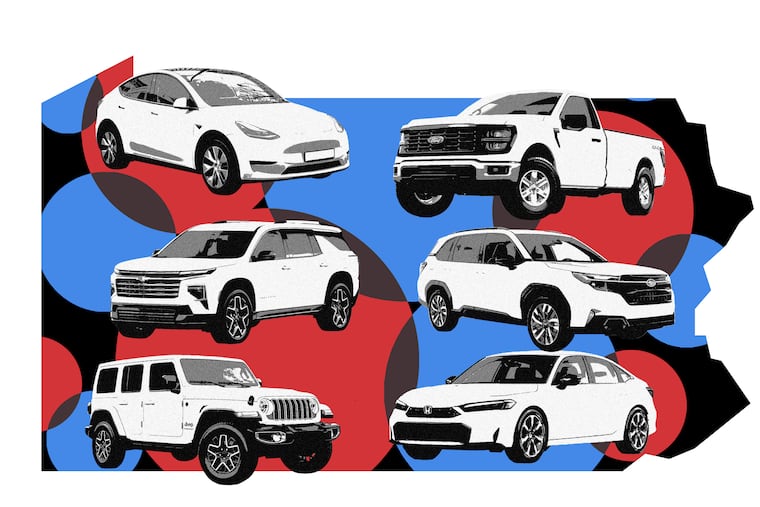
Credit: www.caranddriver.com
Types Of Small Vehicles: An Overview
Understanding the landscape of small vehicles starts with knowing the principal categories and their defining features. Each type serves a unique purpose and is engineered to fulfill specific consumer needs.
Hatchbacks
Hatchbacks are often the go-to choice for those seeking a balance between compact size and versatility. Their rear door design enables easy access to the cargo area, making them ideal for urban environments.
- Advantages:
- Compact footprint for parking and maneuvering
- Flexible cargo space (rear seats fold down)
- Generally lower purchase price
- Popular Models: Toyota Corolla Hatchback, Honda Fit, Volkswagen Golf
Example: The Volkswagen Golf has been praised for its agile handling and spacious interior, despite its small exterior dimensions. In my experience, driving a hatchback in congested city streets feels effortless compared to larger vehicles.
Compact Sedans
Compact sedans offer traditional styling with a separate trunk, appealing to those prioritizing comfort and fuel economy.
- Advantages:
- Better aerodynamics, often resulting in higher fuel efficiency
- Comfortable ride quality
- Distinct separation between passenger and cargo areas
- Popular Models: Honda Civic, Toyota Corolla Sedan, Hyundai Elantra
Example: The Honda Civic consistently ranks among the top-selling compact sedans due to its reliability and impressive fuel economy.
Small Suvs And Crossovers
Small SUVs and crossovers blend the elevated ride height of an SUV with the maneuverability of a compact car. They have surged in popularity thanks to their adaptability and perceived safety.
- Advantages:
- Higher driving position for increased visibility
- More cargo space and ground clearance
- Often available with all-wheel drive
- Popular Models: Mazda CX-3, Hyundai Kona, Subaru Crosstrek
Example: The Subaru Crosstrek provides all-wheel-drive capability and rugged styling, making it suitable for both city and light off-road driving.
Compact Pickup Trucks
A recent trend is the emergence of compact pickup trucks, which combine utility with manageable dimensions.
- Advantages:
- Versatile cargo bed for hauling
- Smaller size for easier parking
- Lower fuel consumption compared to full-size trucks
- Popular Models: Ford Maverick, Hyundai Santa Cruz
Example: The Ford Maverick stands out for its hybrid powertrain and practical features, appealing to buyers who want truck versatility without the bulk.
Microcars And Minis
Microcars and mini vehicles represent the smallest class, designed primarily for dense urban settings.
- Advantages:
- Extremely small footprint
- Exceptional fuel efficiency
- Lowest purchase and maintenance costs
- Popular Models: Smart Fortwo, Fiat 500
Example: The Smart Fortwo is so compact that parking in tight spaces is rarely a challenge, making it a favorite among urban dwellers.
Electric Compact Vehicles
The rise of electric vehicles (EVs) has brought a range of compact options, combining sustainability with practicality.
- Advantages:
- Zero tailpipe emissions
- Instant torque and smooth acceleration
- Low operating costs
- Popular Models: Nissan Leaf, Chevrolet Bolt, Mini Cooper SE
Example: The Chevrolet Bolt EV offers a competitive range and fast charging capabilities, making it a popular choice among eco-conscious drivers.

Credit: www.theengineeringchoice.org
Key Factors To Consider When Choosing A Compact Vehicle
Selecting the right compact vehicle requires a careful evaluation of several essential factors. Each type brings its own strengths and weaknesses, so aligning your priorities is crucial.
Fuel Efficiency
Fuel economy is often a primary consideration for compact vehicle buyers. According to the U.S. Environmental Protection Agency (EPA), compact cars tend to deliver higher miles per gallon (mpg) than larger counterparts, with some models achieving over 40 mpg.
- Gas-powered hatchbacks and sedans typically offer the best fuel efficiency.
- Hybrid and electric options can reduce fuel costs even further.
Maneuverability And Parking
Small vehicles excel in urban environments where parking space is limited. The average compact car measures around 14 feet in length, compared to over 17 feet for a midsize SUV.
- Microcars are especially adept at fitting into tight spots.
- Small SUVs offer better visibility but may require more room.
Cargo Space And Seating
Cargo capacity varies widely among compact vehicles:
- Hatchbacks and crossovers provide flexible storage thanks to fold-down seats.
- Sedans offer dedicated trunk space but less versatility.
- Compact pickup trucks have open beds for oversized items.
| Vehicle Type | Average Cargo Space (cu.ft.) | Seats |
|---|---|---|
| Hatchback | 20-25 | 4-5 |
| Compact Sedan | 12-15 | 4-5 |
| Small SUV/Crossover | 18-28 | 5 |
| Compact Pickup Truck | 30+ (bed) | 4-5 |
| Microcar | 7-10 | 2-4 |
| Electric Compact | 15-17 | 4-5 |
Safety And Technology
Modern compact vehicles come equipped with advanced safety features:
- Automatic emergency braking
- Lane departure warning
- Adaptive cruise control
- Infotainment systems with Apple CarPlay/Android Auto
According to the Insurance Institute for Highway Safety (IIHS), many compact models now earn top safety ratings, closing the gap with larger vehicles.
Price And Ownership Costs
- Initial purchase price: Hatchbacks and microcars often start below $20,000.
- Maintenance and insurance: Compact vehicles generally cost less to maintain and insure.
- Resale value: Models like the Toyota Corolla and Honda Civic retain value well.
Pro Tip: When budgeting, consider long-term costs such as fuel, maintenance, and depreciation in addition to upfront price.

Credit: www.caranddriver.com
Comparing Popular Compact Vehicles
To illustrate the practical differences, let’s compare several best-selling compact vehicles across key criteria.
| Model | Type | MPG (EPA est.) | Cargo Space (cu.ft.) | Base Price (USD) | Safety Rating |
|---|---|---|---|---|---|
| Toyota Corolla Hatchback | Hatchback | 32/41 | 18 | $21,000 | IIHS Top Safety Pick |
| Honda Civic Sedan | Sedan | 31/40 | 14 | $22,000 | IIHS Top Safety Pick+ |
| Mazda CX-3 | Crossover | 29/34 | 17 | $21,500 | IIHS Top Safety Pick |
| Ford Maverick Hybrid | Pickup Truck | 42/33 | 33 (bed) | $23,400 | NHTSA 5-Star |
| Chevrolet Bolt EV | Electric | NA (EPA 259 mi range) | 17 | $27,000 | IIHS Top Safety Pick |
| Smart Fortwo | Microcar | 35/39 | 9 | $16,500 | Euro NCAP 4-Star |
Fuel Economy Comparison
The Ford Maverick Hybrid leads with exceptional fuel economy, while the Chevrolet Bolt EV offers a competitive electric range. Microcars like the Smart Fortwo excel in urban efficiency but may lack versatility.
Cargo And Usability
Hatchbacks and crossovers provide flexibility, while compact pickups offer unique utility for hauling. Sedans deliver a traditional driving experience but with less cargo versatility.
Price And Safety
Prices vary from entry-level microcars to well-equipped crossovers and EVs. Safety ratings are consistently high among mainstream compact models, reflecting industry advances.
Real-world Examples And Case Studies
Understanding how compact vehicles perform in real-world scenarios helps clarify their strengths and limitations.
Urban Commuting: Honda Fit
A Honda Fit owner in San Francisco highlights the car’s ability to maneuver through narrow streets and fit into tiny parking spots. The fold-flat rear seats enable carrying groceries and small furniture, making it a practical choice for urban living.
Outdoor Adventure: Subaru Crosstrek
A family in Colorado uses their Subaru Crosstrek for weekend hikes and ski trips. The all-wheel drive and elevated ground clearance allow confident driving on snow-covered roads and light trails, proving the crossover’s versatility.
Small Business Utility: Ford Maverick
A landscaping contractor in Austin leverages the Ford Maverick for hauling tools and materials. Its compact size enables easy access to job sites, while the hybrid engine keeps fuel costs low.
These examples demonstrate how the right compact vehicle type can enhance both daily routines and specialized tasks.
Emerging Trends In Compact Vehicle Design
Manufacturers are continuously evolving compact vehicles to meet changing consumer demands and regulatory requirements.
Electrification And Hybridization
Many compact cars and SUVs now offer electric or hybrid powertrains, reducing emissions and operating costs. The Chevrolet Bolt EV and Toyota Prius exemplify this shift.
- Expanded charging infrastructure supports EV adoption.
- Government incentives make electric compact vehicles more affordable.
Connected Technology
Integration of smart technology is becoming standard:
- Touchscreen displays with smartphone connectivity
- Advanced driver assistance systems (ADAS)
- Real-time navigation and traffic updates
According to a report from Statista, over 80% of new vehicles sold in the U.S. in 2026 featured some form of connectivity.
Modular And Flexible Interiors
Manufacturers are designing interiors that adapt to multiple uses:
- Fold-flat seats for expanded cargo
- Sliding rear seats for comfort or space optimization
- Storage compartments for small items
Example: The Honda Fit’s Magic Seat system allows the rear seats to flip up or fold flat, offering four unique modes for carrying cargo or passengers.
Sustainability And Lightweight Materials
Many brands use recycled materials and lightweight construction to boost efficiency and reduce environmental impact. The shift toward eco-friendly materials is evident in models like the Mini Cooper SE, which uses recycled plastics in interior trim.
Pros And Cons Of Each Compact Vehicle Type
To aid your decision-making, here’s a summary of the primary strengths and weaknesses for each category.
| Type | Pros | Cons |
|---|---|---|
| Hatchback | Flexible cargo, efficient, affordable | Limited rear visibility, less premium feel |
| Sedan | Comfortable, fuel efficient, traditional style | Less cargo versatility, trunk limits usability |
| Crossover/SUV | Higher seating, more cargo, AWD options | Higher price, lower mpg, bulkier |
| Pickup Truck | Utility, cargo bed, unique hybrid options | Reduced interior space, higher insurance |
| Microcar | Smallest footprint, cheapest | Limited space, less safety, lower power |
| Electric Compact | Zero emissions, low running costs | Charging infrastructure, higher upfront price |
How To Choose The Best Compact Vehicle For Your Needs
Identifying the ideal compact vehicle depends on your unique circumstances and preferences.
Assess Your Typical Usage
Consider how you’ll use the vehicle most often:
- Daily commuting: Prioritize fuel efficiency and easy parking.
- Family needs: Seek cargo flexibility and safety features.
- Outdoor activities: Opt for all-wheel drive and higher ground clearance.
- Small business: Look for pickup utility or expandable cargo space.
Budget And Long-term Costs
Factor in:
- Purchase price
- Insurance premiums
- Maintenance and repairs
- Resale value
Example: Hatchbacks and microcars have the lowest initial cost, but some crossovers retain value better over time.
Test Drive And Real-world Experience
Pro Tip: Always test drive multiple compact vehicle types. In my experience, hands-on evaluation reveals subtleties in handling, comfort, and usability that specs alone cannot convey.
Research Reliability And Resale Value
Consult trusted resources like Consumer Reports for reliability ratings and owner satisfaction surveys.
Consider Future Trends
With growing electrification and connected technology, choosing a compact vehicle with modern features can future-proof your investment.
Frequently Asked Questions
What Is The Difference Between A Compact Suv And A Crossover?
A compact SUV typically features a more rugged, truck-based platform, while a crossover uses a car-based chassis for improved ride comfort and handling. Crossovers tend to offer better fuel efficiency and easier maneuverability but may lack some off-road capability found in traditional SUVs.
Are Compact Vehicles Safe Compared To Larger Cars?
Compact vehicles now include advanced safety features such as airbags, automatic emergency braking, and lane-keeping assist. While larger vehicles may offer greater protection in collisions due to mass, many compact cars earn top ratings from the IIHS and NHTSA. Always check safety scores for your specific model.
Can A Compact Vehicle Handle Winter Driving Conditions?
Many compact crossovers and SUVs offer all-wheel drive, which improves traction in snow and ice. Some sedans and hatchbacks perform well with proper winter tires. However, microcars and certain electric vehicles may be less suited for extreme conditions due to ground clearance and battery performance.
What Are The Best Compact Vehicles For Families?
Compact crossovers like the Hyundai Kona and Mazda CX-30 are popular among families due to their cargo space, rear-seat comfort, and safety features. Sedans like the Honda Civic also offer reliability and child seat compatibility. Consider models with flexible seating and high safety ratings.
How Does A Compact Vehicle Affect Insurance Costs?
Insurance premiums for compact vehicles are generally lower than those for larger trucks and SUVs, especially for models with good safety records and low repair costs. However, rates can vary based on model, location, and driver profile. Consult your insurer for a personalized quote.
Finding the right compact vehicle can enhance your daily routines, reduce costs, and improve your overall driving experience. By understanding the distinctions, comparing real-world examples, and evaluating emerging trends, you’re equipped to select a small vehicle that meets your needs.
Compact cars, crossovers, pickups, and EVs each offer unique advantages, your ideal choice depends on your lifestyle, budget, and priorities.
Products related to this article
Sponsored / affiliate links. As an Amazon Associate I earn from qualifying purchases. I may earn additional commission from eligible campaigns.