Why Does My Car Make a Droning Noise at Highway Speed?
A highway-speed droning noise is usually a wheel bearing if it grows louder when you swerve slightly, a tire if it changes with road surface, or a drivetrain issue if it changes with throttle; steady speed alone is the key clue. Ignore it, and you can waste money on the wrong parts or miss a failure that gets worse fast. This guide shows a simple speed-versus-load test to separate bearings, tires, brake drag, and drivetrain causes before you replace anything.
Match the droning to speed, rpm, or steering load


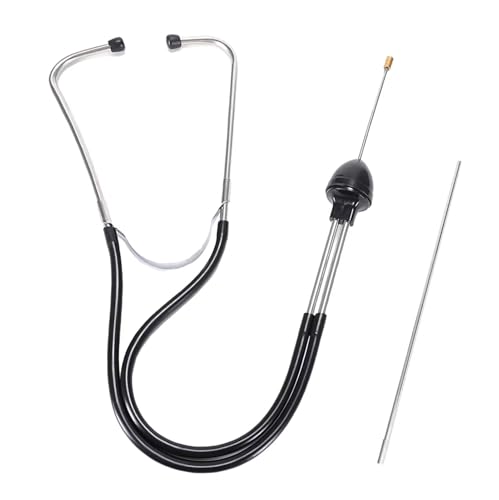
A droning noise at highway speed usually means one rotating part is being loaded in a way that makes a rough, rhythmic sound. The key question is whether the noise follows vehicle speed, engine RPM, or steering load. If it stays tied to road speed, think wheels, tires, hubs, brakes, or final drive parts first.
Speed matters more than RPM because the wheels, tires, bearings, hubs, and differential all turn faster as road speed rises. If the sound stays the same in the same gear at different RPM, that points away from the engine. If it changes with throttle, neutral, or coast, drivetrain parts move higher on the list.
What kind of noise counts as droning
Droning is a steady hum, growl, or low buzz that rises and falls with speed. It is often mistaken for wind noise because it may start or get louder at higher speeds, but wind noise usually does not change when you load one side of the car in a lane change.
What changes with throttle, coast, and turns
A bearing or tire noise usually tracks road speed whether you are accelerating or coasting. A differential or transmission noise often changes when you add throttle, lift off, or shift to neutral. A wheel bearing often gets louder when you load that side of the car in a gentle turn.
Say your sedan hums at 65 mph on smooth pavement, then gets quieter when you lift off the throttle but stays present. That pattern leans toward drivetrain or differential noise more than a simple tire hum. If the same car gets louder only when you drift left, the right-side wheel bearing climbs the list.
How to tell if it is a wheel bearing
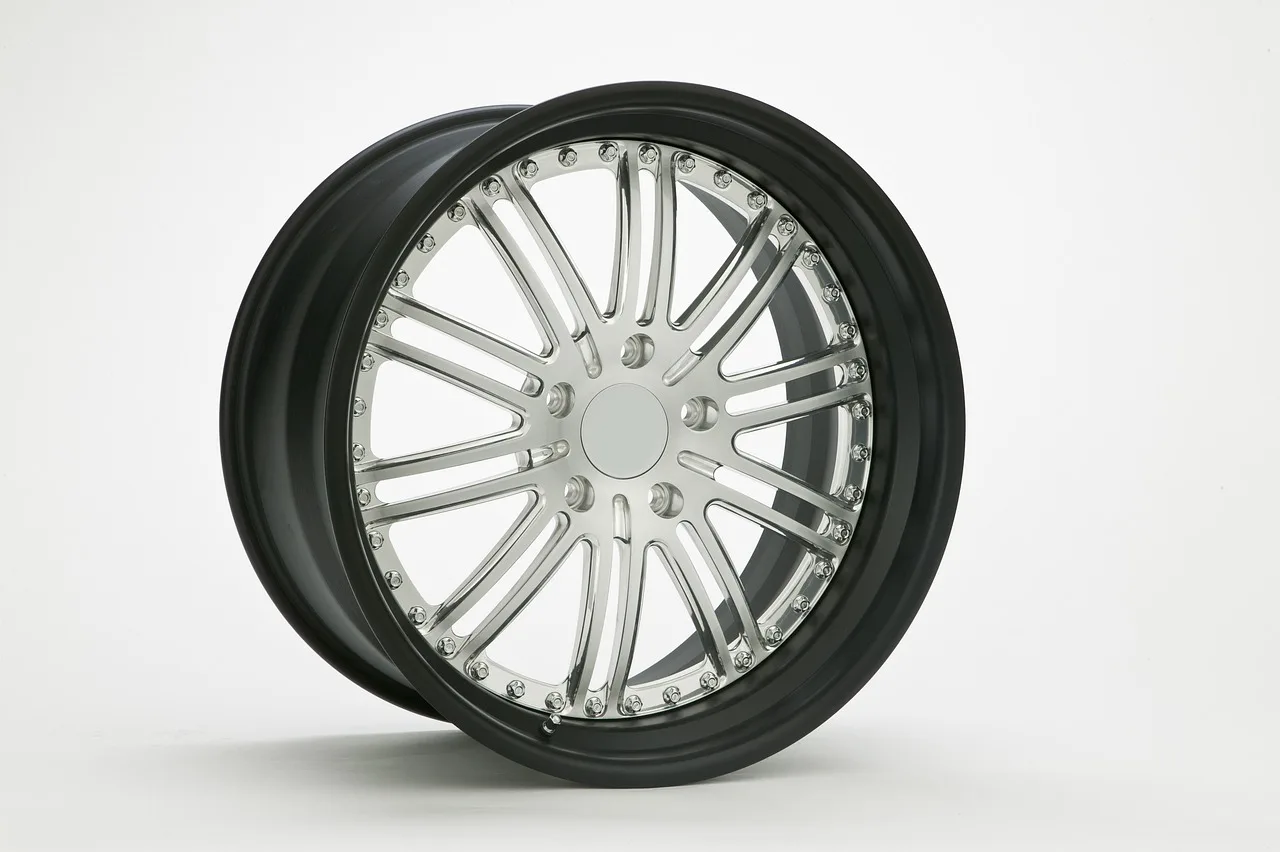
Wheel bearings are a common cause of speed-dependent humming or droning. They often get louder with load transfer during lane changes or turns, and a bad one can create play, heat, or roughness when the wheel is lifted and spun. A road test plus a wheel inspection is usually the fastest way to sort it out.
Left-turn versus right-turn load transfer
A gentle left turn loads the right-side wheels more. A gentle right turn may load the left-side wheels more. If the drone gets louder in a left turn and quieter in a right turn, the right-side bearing becomes more suspect. If the pattern reverses, look at the left side first.
That left-right clue is useful because a bearing often gets noisier when it carries more load. Tires can react too, but a bearing usually gives a cleaner change in volume than a tire does. A single noisy corner is easier to identify than a whole-vehicle hum.
Road test clues that point to one corner
On a straight road, note whether the sound changes with slight lane shifts. Then repeat at the same speed with steady throttle and with coast. A bearing complaint often stays near the same vehicle speed and shifts in volume as weight moves from one side to the other.
Fresh brake noise, tire cupping, and differential whine can all confuse this test. That is why the turn direction matters. If the sound changes the most during a gentle swerve rather than during throttle changes, wheel-end parts move ahead of engine or transmission parts.
Lifted wheel checks for play, roughness, and heat
With the vehicle safely lifted, check for wheel play at the 12 and 6 o’clock positions and again at 3 and 9. Spin the wheel by hand and listen for roughness, scraping, or a dry growl. Compare hub temperature side to side after a short drive; a hot corner deserves attention.
Many modern vehicles use a wheel hub assembly that combines the bearing with the mounting flange, and on many vehicles the ABS sensor is integrated into that assembly. A loose, rough, or hot hub should not be ignored. If the wheel has visible play or the noise is getting worse fast, service becomes urgent.
Can tires make the same noise?
Yes. Tire tread wear can produce humming, droning, or a helicopter-like noise that sounds a lot like a bad bearing. Sawtooth wear, cupping, feathering, inner-edge wear, flat spots, and underinflation can all create noise that rises with speed. Tire noise often changes more with pavement texture than a bearing does.
Cupping, feathering, and uneven wear
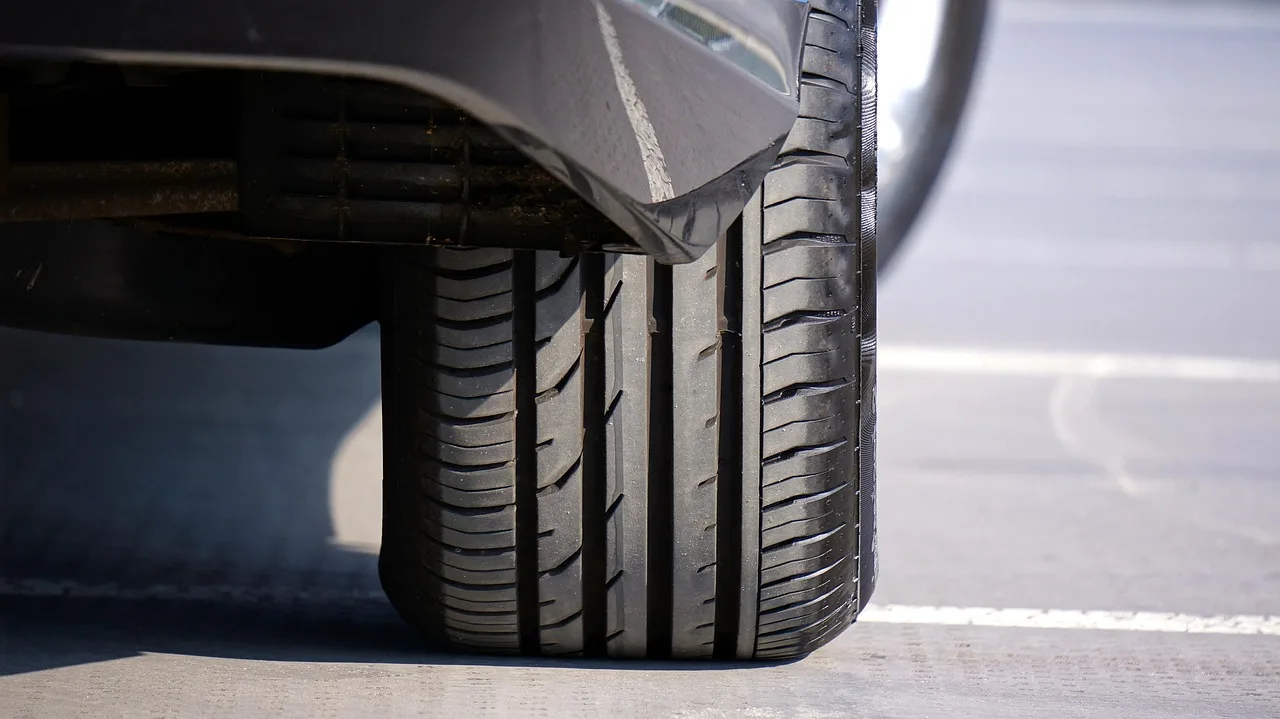
Cupping leaves scalloped dips around the tread blocks. Feathering leaves a sawtooth edge on one side of the tread. Either pattern can create a droning sound that grows louder on smooth highway pavement. Inner-edge wear can be easy to miss unless you inspect the full width of each tire.
Underinflation can worsen wear and increase noise. So can imbalance or a poor rotation history. Alignment problems matter here too, but alignment is usually the cause through tire wear, not the direct source of a drone by itself.
How tire pressure and rotation patterns affect noise
Start with tire pressure because it is quick and cheap to check. Compare all four tires to the door placard value, then inspect for uneven wear, cupping, feathering, and flat spots. If one tire is far noisier than the others, rotate patterns and wear shape become part of the diagnosis.
A common first-timer mistake is blaming a bearing when the tire has a sawtooth pattern on one edge. Suppose the front tires are both worn on the inner shoulders after long highway use. The car may drone at 60 mph and quiet down on rough pavement, which fits tire noise better than a hub fault.
How tire noise differs from bearing noise
Tire drone often changes with road surface, while bearing drone more often changes with side load. Tire noise usually follows the tire’s wear pattern and may move slightly if the wheels are rotated. A worn bearing tends to stay with one corner until that hub is repaired.
Could brake drag or a shield be the source?
Yes. Brake drag, a bent backing plate, or a loose splash shield can create a droning, scraping, or rubbing sound that rises with vehicle speed. This becomes more likely if the noise started after brake work or after a curb strike, pothole hit, or wheel removal.
Backing plate and splash shield contact
A thin backing plate behind the rotor can bend close enough to touch the rotor or dust shield. The sound may come and go with wheel speed and can resemble a light scrape or drone. A loose splash shield can do the same, especially after recent service.
Brake drag after recent brake work
If the noise began soon after pad, rotor, caliper, or parking brake service, check for a sticking caliper or partially applied parking brake. A dragging brake may make one wheel hotter than the others and can create a smell after a highway drive. That is a safety concern, not just a noise issue.
Picture a minivan that starts humming after front brake pads are replaced. The sound rises with speed, but the right front wheel is much hotter than the others after a short trip. That points first to brake drag or shield contact, not a bad hub.
Could it be a CV axle or differential?
It could. CV axle or CV joint wear more often shows up as clicking on turns, but worn joints can also contribute to vibration or a droning feel. Differential noise can make a whine or drone that rises with road speed or load, and drivetrain layout changes how likely each cause is.
When CV joint wear fits the symptom set
CV joint noise is most suspicious if you also hear clicking on tight turns, feel vibration under acceleration, or see torn boots and grease sling around the inner wheel area. A bad outer joint usually complains more on turns than on straight highway cruising.
If the sound is a steady hum with no clicking, a CV joint drops behind bearing, tire, and differential causes. If the noise changes most under power and is paired with grease around the axle boot, the axle deserves inspection.
How differential whine changes with load and speed
Differential noise often sounds like a high whine or drone that changes with throttle and coast. It can get louder on acceleration and quieter on deceleration, or the reverse, depending on the gear set and wear pattern. This is more relevant on rear-wheel-drive, all-wheel-drive, and some front-drive layouts.
That layout matters. A front-wheel-drive car can still have differential noise because the final drive sits in the transaxle. An all-wheel-drive vehicle may have both a center unit and rear differential to consider. The more driveline parts involved, the more useful the throttle-versus-coast test becomes.
Why drivetrain layout changes the likely cause
On front-wheel-drive cars, a noisy front hub, tire, or transaxle is more likely than a rear differential issue. On rear-wheel-drive vehicles, rear hub, rear differential, and driveshaft-related noise move higher on the list. On AWD models, front, rear, and center components all deserve attention.
Noise diagnostic matrix
This matrix separates common highway drone causes by symptom pattern, test, urgency, and next action. Use it after a road test, not instead of one. The left-turn and right-turn clues are especially useful because they help separate wheel-end noise from tire and drivetrain noise.
| Symptom | Likely cause | Confirmatory test | Urgency | Next action |
|---|---|---|---|---|
| Noise rises with road speed, gets louder on gentle turns | Wheel bearing or hub assembly | Road test with left-right load transfer; lifted wheel play, roughness, or heat check | High if rough, loose, or hot | Inspect hub and bearing first; service soon if play or heat is present |
| Hum changes with pavement texture; visible scalloped tread or sawtooth edges | Tire cupping or feathering | Inspect tread blocks, inner edges, and flat spots; rotate if wear pattern allows | Moderate | Check pressure, alignment-related wear, and tire replacement timing |
| Drone changes more with throttle than with lane changes | Differential whine | Compare acceleration, coast, and steady cruise at the same speed | Moderate to high | Inspect differential fluid, mounts, and gear wear signs |
| Scrape or drone after brake service; one wheel runs hot | Brake drag, backing plate, or splash shield | Inspect rotor shield clearance and caliper release; compare wheel temperatures | High if heat is strong | Stop driving far and correct the brake fault |
| Noise with vibration, grease sling, or click on turns | CV axle or CV joint | Inspect boots, joint play, and turn-corner noise under load | Moderate | Plan axle inspection and repair before joint damage grows |
| Drone changes with gear, throttle, or neutral versus drive | Transmission or driveline issue | Compare the sound in neutral, drive, and coast at the same road speed | High if the sound worsens quickly | Have the drivetrain inspected before more driving |
Left-turn/right-turn load-transfer guide: if the drone gets louder when turning left, suspect the right side; if it gets louder when turning right, suspect the left side. If the noise changes little in turns but changes with throttle, move away from wheel-end parts and toward differential or transmission causes.
What should you check first before taking the car to a mechanic?
Start with a road test, then check tire pressure and tire wear, then inspect the wheels on a lift or jack. That sequence saves time because it separates speed-related noise from load-related noise before parts are replaced. If the noise is severe or the wheel is hot, do not keep driving long distances.
Road test in steady cruise, acceleration, and coast
- Drive at a steady highway speed where the noise is easy to hear.
- Lift off the throttle without changing speed if traffic allows.
- Apply light throttle again and note whether the drone changes.
- Make a gentle left and right lane shift to load each side in turn.
- Note whether the sound follows speed, throttle, or steering load.
Tire pressure and tread inspection
Check all four tire pressures against the placard. Then inspect the tread for cupping, feathering, inner-edge wear, flat spots, and uneven wear across the full width. A tire with irregular wear can sound like a hub failure long before the tread is visibly near the wear bars.
Jack-up inspection, spin test, and brake drag check
With the vehicle lifted safely, spin each wheel and listen for roughness or rubbing. Check for play at the wheel and compare resistance side to side. Look behind the rotor for a bent backing plate or loose splash shield, and compare wheel heat after a short drive if a brake fault is suspected.
Is it safe to keep driving if my car is droning on the highway?
Sometimes, briefly. A steady drone with no heat, wobble, pull, or worsening behavior can often be driven to a shop with care. It is not safe to keep driving if the wheel is hot, the noise grows fast, the car pulls, the wheel feels loose, or a brake is dragging hard.
Stop driving sooner if the sound changes into grinding, scraping, or roaring. Those shifts suggest more than normal wear. A bearing that is rough or loose, or a brake that is dragging badly, can fail fast enough to damage the hub, rotor, or tire.
Frequently asked questions
Why does my car make a droning noise at highway speed?
Most often, a highway drone comes from a wheel bearing, tire wear pattern, brake drag, or drivetrain part that spins faster as road speed rises. The best clue is what changes it: steering load, pavement texture, throttle, or coast. That pattern is more useful than the sound alone.
Is a droning noise at speed a wheel bearing or tire noise?
Either one can fit. A wheel bearing usually changes with left-right load transfer and may feel rough or hot on inspection. A tire is more likely if the sound changes with pavement texture and the tread shows cupping, feathering, or uneven wear.
Can bad tires make a droning or humming noise on the highway?
Yes. Cupped, feathered, underinflated, or unevenly worn tires can hum or drone at highway speed and sound very close to a bad bearing. Inspect the tread closely, including the inner edge, because tire noise often comes from wear patterns that are easy to miss at a glance.
Why does the noise get louder when I speed up?
Because the part causing it is turning faster, or because load on that part rises with speed and throttle. If the noise tracks road speed in every gear, think wheels, tires, hubs, or differential parts. If it tracks throttle more than speed, focus on drivetrain components.
How do I tell which wheel is making the droning sound?
Use gentle left-right lane shifts at the same speed. If the noise gets louder when turning left, suspect the right side; if it gets louder when turning right, suspect the left side. Then confirm with a lifted wheel check for play, roughness, or heat.
Products related to this article
Sponsored / affiliate links. As an Amazon Associate I earn from qualifying purchases. I may earn additional commission from eligible campaigns.