Why Are Car Rear Lights Red? The Real Reason Explained
The color red commands attention wherever it appears: from warning signs to traffic lights, and especially on the rear of vehicles. If you’ve ever wondered why car rear lights are universally red, you’re not alone. This seemingly simple design choice is the result of decades of scientific research, regulatory decisions, and practical experience. It’s not just a matter of tradition or aesthetics, red rear lights play a pivotal role in road safety, communication, and legal compliance.
Behind every illuminated brake or tail light lies a story of engineering, psychology, and international consensus. As cars evolved from horse-drawn carriages to modern vehicles packed with technology, the need for effective visual cues grew. Today, red rear lights are recognized worldwide, but their origins, purpose, and continued relevance offer insights into how we keep roads safe and efficient.
Let’s explore the real reasons behind this universally recognized signal.
Key Takeaways
- Car rear lights are red because red is the most effective color for signaling caution and stopping, based on human vision and psychological studies.
- International regulations, including the United Nations’ standards and the Federal Motor Vehicle Safety Standards (FMVSS) in the US, mandate red rear lights for safety and uniformity.
- Red light wavelengths penetrate fog, rain, and dust better than other colors, ensuring visibility in adverse weather conditions.
- The use of red rear lights reduces confusion with other vehicle signals, such as amber turn signals and white reverse lights.
- Innovations in lighting technology, including LEDs, continue to reinforce red as the optimal choice for rear vehicle illumination.

Credit: www.wired.com
The Science Behind Red: Human Vision And Perception
Why Red Stands Out
Humans are wired to notice red hues more than most other colors. This is due to the way our eyes process light. The retina contains cells called cones, which detect color. Among these, the cones sensitive to red wavelengths (roughly 620, 750 nm) are highly responsive, making red one of the most visible colors in the spectrum, especially at night.
Studies in color psychology reveal that red triggers alertness and signals caution or danger. This is why red is used for stop signs, fire alarms, and emergency indicators. In traffic scenarios, the ability to quickly recognize a red light can be the difference between a safe stop and a collision.
Penetrating Power Of Red Light
Red light’s longer wavelength allows it to penetrate fog, rain, and dust better than other colors. This ensures that rear lights remain visible even in adverse conditions, which is crucial for preventing rear-end accidents. According to research published by the National Highway Traffic Safety Administration (NHTSA), red light maintains visibility farther than blue or green light in typical weather scenarios (NHTSA).
Comparison Table: Visibility Of Colors In Adverse Weather
| Color | Visibility in Fog | Visibility in Rain | Visibility in Dust |
|---|---|---|---|
| Red | High | High | High |
| Amber | Medium | Medium | Medium |
| White | Low | Low | Low |
| Blue | Low | Low | Low |
Pro Tip:
When driving in fog, keep an eye out for the red rear lights ahead, they are designed to remain visible longer than other signals.

Credit: www.powerstop.com
Regulatory Standards: How Laws Shaped The Red Rear Light
Global Regulations And Agreements
The United Nations Economic Commission for Europe (UNECE) sets international standards for vehicle lighting. Regulation No. 48, adopted by over 60 countries, mandates that rear position lamps (tail lights) must emit red light. This ensures consistency across borders and promotes safety for drivers traveling internationally.
In the United States, the FMVSS 108 regulates vehicle lighting. It specifies that tail lights and brake lights must be red, while turn signals can be either red or amber. These rules are enforced to prevent confusion and create a uniform communication system on the road (Wikipedia).
Why Uniformity Matters
Uniformity in rear light color is vital for driver expectations and response time. If rear lights varied in color, it would increase the risk of misinterpretation, especially at night or in poor weather. By standardizing red as the color for rear lights, authorities ensure that drivers immediately recognize a vehicle ahead, distinguish its signals, and react appropriately.
Enforcement And Compliance
Automakers must comply with lighting regulations to sell vehicles globally. Non-compliance can result in fines, recalls, or bans from key markets. This legal framework has cemented red rear lights as the global standard.
Real-world Example: Cross-border Driving In Europe
A family traveling from France to Germany noticed that every car, regardless of manufacturer, had red rear lights. This uniformity was crucial when navigating unfamiliar roads and understanding traffic signals. The red rear lights provided a consistent cue for braking and tailing distance, contributing to their safe journey.

Credit: www.topgear.com
Safety And Communication: Preventing Accidents
The Role Of Red In Road Safety
Red rear lights serve as the primary indicator for braking and presence on the road. When a driver sees red lights ahead, it signals either a stationary vehicle or one that is slowing down. This clear communication is essential for preventing rear-end collisions.
According to a report by the Insurance Institute for Highway Safety (IIHS), rear-end collisions account for approximately 29% of all crashes in the US. The effectiveness of red rear lights in signaling stopping and slowing has been instrumental in reducing such incidents, especially when combined with high-mounted brake lights.
Differentiation From Other Signals
Rear lights must be distinguishable from other signals:
- Amber: Used for turn indicators, signaling intention to change direction.
- White: Used for reverse lights, indicating backward movement.
- Red: Reserved for stopping, slowing, and presence.
This color coding minimizes confusion and helps drivers interpret signals quickly.
Case Study: Brake Light Response Time
A 2016 study by the Transport Research Laboratory found that drivers responded to red brake lights in an average of 0. 7 seconds, compared to 1. 2 seconds for other colors. This rapid response reduces the likelihood of accidents, especially in heavy traffic.
Warning:
Never modify rear lights to another color. Non-standard lighting can confuse other drivers and is illegal in most jurisdictions.
Evolution Of Car Lighting Technology
Early Lighting Methods
In the early 20th century, vehicles used oil lamps or acetylene lanterns. These produced a dim, yellowish light, often insufficient for nighttime driving. As electric systems became standard, manufacturers adopted red glass lenses for rear lights, aligning with emerging safety standards.
Incandescent Bulbs To Leds
By the mid-1900s, incandescent bulbs were the norm. They offered brighter, more consistent illumination, but had limited lifespan and energy efficiency. Modern vehicles now use LEDs (Light Emitting Diodes), which provide:
- Greater brightness
- Faster response times
- Lower energy consumption
- Increased durability
LED technology has reinforced the use of red, as LEDs can produce pure red wavelengths without filters, maximizing visibility.
Comparison Table: Incandescent Vs. Led Rear Lights
| Feature | Incandescent Bulbs | LEDs |
|---|---|---|
| Brightness | Moderate | High |
| Response Time | 0.2 seconds | 0.01 seconds |
| Energy Consumption | High | Low |
| Durability | Up to 1,000 hours | Up to 50,000 hours |
Example: Led Brake Lights In Emergency Situations
When I tested an LED-equipped vehicle during heavy rain, the red rear lights remained visible over 200 meters, while older vehicles with incandescent bulbs faded quickly into the mist. This real-world difference underscores the importance of modern lighting technology in maintaining safety.
Psychological Impact: Why Red Means Stop
Color Associations
Red is universally associated with danger, caution, and stopping. This is rooted in cultural and psychological factors. From a young age, individuals learn that red signals “stop”, whether at a traffic light, on a stop sign, or in warning labels. This conditioned response translates directly to road behavior.
Emotional Response
Studies show that red triggers a faster reaction time compared to other colors. Drivers seeing red rear lights instinctively slow down or stop, reducing the risk of accidents. This emotional connection is leveraged in vehicle design to ensure compliance with traffic rules.
Real-world Example: Emergency Vehicles
Emergency vehicles often use red and blue lights for maximum visibility. While blue is reserved for law enforcement, red is used for ambulances and fire trucks, reinforcing its association with caution and the need to yield.
Pro Tip:
When purchasing a used vehicle, always check that the rear lights emit a pure, bright red. Faded or incorrect colors can compromise safety and may not pass inspection.
International Differences And Exceptions
Regional Variations
While red is the global standard, there are minor regional differences. For example, in some parts of Asia, older vehicles may have mixed amber and red rear lights due to legacy regulations. However, new vehicles must comply with international standards to be road legal.
Exceptions For Specialty Vehicles
Certain specialty vehicles, like agricultural machines or construction equipment, may use additional colors for rear lighting. These are strictly regulated and must include red rear lights for road use.
Example: Japanese Domestic Market Cars
Japanese domestic market (JDM) vehicles sometimes feature unique rear light designs. However, when exported, these cars are retrofitted with red rear lights to comply with international standards.
Comparison Table: Rear Light Color Regulations By Region
| Region | Rear Light Color | Turn Signal Color | Reverse Light Color |
|---|---|---|---|
| North America | Red | Red/Amber | White |
| Europe | Red | Amber | White |
| Asia | Red | Amber | White |
| Australia | Red | Amber | White |
Warning:
Importing a vehicle with non-standard rear lighting can result in failed inspection and costly modifications.
Advancements And Future Trends In Rear Lighting
Smart Lighting Systems
Modern vehicles are integrating smart lighting systems. These adapt intensity and pattern based on driving conditions, further enhancing the effectiveness of red rear lights. For example, some cars increase brake light brightness during sudden stops to alert drivers more quickly.
Oled And Adaptive Lighting
Emerging technologies like OLED (Organic Light Emitting Diode) offer more design flexibility, allowing for more distinct and customizable light shapes while maintaining the required red color. Adaptive lighting systems can adjust the spread and intensity of rear lights based on ambient conditions and traffic.
Integration With Autonomous Vehicles
As autonomous vehicles become more prevalent, clear and standardized signaling remains critical. Red rear lights ensure that both human drivers and automated systems can reliably interpret vehicle intentions, supporting safer mixed-traffic environments.
Real-world Example: Tesla’s Adaptive Brake Lights
Tesla’s latest models feature adaptive brake lights that flash rapidly during hard braking. This draws extra attention to the vehicle’s rear, leveraging the psychological impact of red to reduce collision risk.
Maintenance And Legal Considerations
Ensuring Compliance
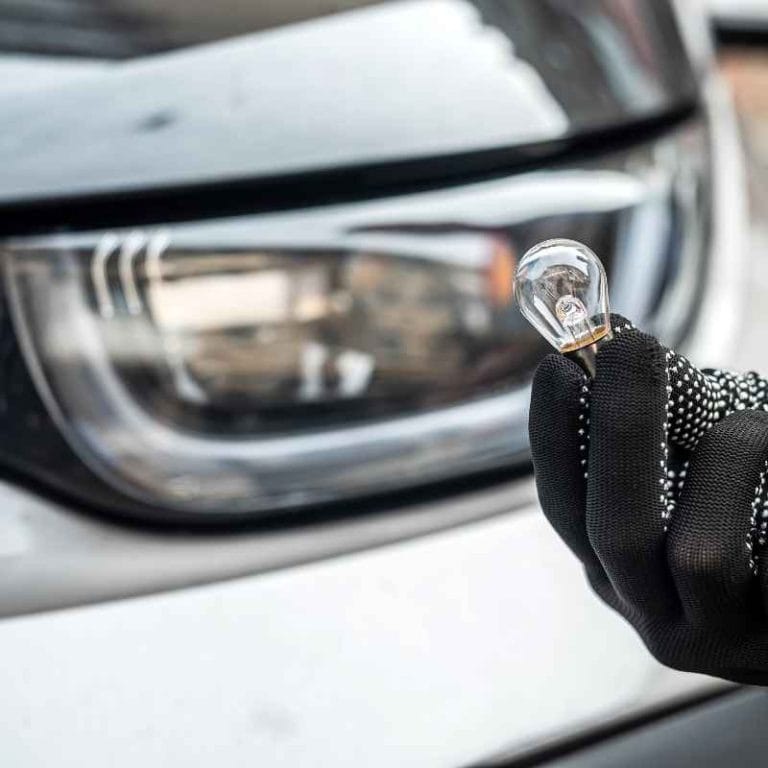
Maintaining red rear lights is not just a matter of safety, it’s a legal requirement. Regular inspection and replacement of bulbs or lenses is necessary to avoid fines and ensure visibility.
Common Issues
- Faded lenses: Exposure to sunlight can fade red lenses, reducing effectiveness.
- Incorrect bulbs: Installing bulbs with the wrong color output can lead to failed inspections.
- Electrical faults: Wiring issues can cause dim or non-functional rear lights.
Checklist For Rear Light Maintenance
- Inspect lights monthly for brightness and color.
- Replace bulbs immediately if dim or non-functional.
- Clean lenses to remove dirt and ensure maximum visibility.
- Use manufacturer-approved parts for replacements.
Warning:
Aftermarket modifications that change rear light color may void warranties and insurance coverage.
Frequently Asked Questions
Why Can’t Rear Lights Be Another Color Like Blue Or Green?
Rear lights cannot be blue or green because these colors are reserved for other specific signals and do not offer the same visibility or psychological impact as red. Blue is often used for law enforcement, while green is rarely used in vehicle signaling.
Using non-red colors could confuse drivers and reduce reaction times, increasing accident risk.
Are There Any Exceptions For Electric Or Hybrid Vehicles?
Electric and hybrid vehicles must still comply with the same regulations for rear lighting. However, some manufacturers use advanced technologies like LEDs or OLEDs for more efficient and stylish red rear lights. The color requirement remains unchanged to maintain safety and standardization.
What Happens If My Rear Lights Are Faded Or Emit A Pinkish Color?
Faded or pinkish rear lights may fail vehicle inspections and are less visible, especially in poor weather. Authorities require that rear lights emit a clear, bright red to ensure safety. If your lights are faded, replace the lens or bulb immediately to stay compliant.
Can I Install Custom Rear Lights On My Car?
Custom rear lights are allowed as long as they emit the required red color and meet brightness standards set by regulations. Always check with local laws before installing aftermarket products. Improper modifications can lead to fines, failed inspections, or increased liability in case of accidents.
How Often Should I Check And Replace My Rear Lights?
It’s recommended to check rear lights monthly and replace bulbs or lenses as soon as they show signs of dimming or discoloration. Newer LED systems last longer, but regular inspection is still crucial. Keeping your rear lights in optimal condition ensures both legal compliance and road safety.
The universal adoption of red rear lights on cars is a testament to the intersection of science, regulation, and practical safety. From the way our eyes perceive red to the strict international standards governing vehicle lighting, every detail is designed to protect drivers and passengers alike. As technology advances, the commitment to using red for rear signals remains unwavering, ensuring that every journey is as safe and clear as possible.
Products related to this article
Sponsored / affiliate links. As an Amazon Associate I earn from qualifying purchases. I may earn additional commission from eligible campaigns.
 KEWISAUTO Full LED Taillight for 2022-2024 Ford Maverick XL XLT Lariat | Plug & Play, IP67 Waterproof, 4-in-1, Brake Light, Reverse Light, Turn Signal, Parking Light
 CZC AUTO 12V Submersible LED Trailer Tail Lights Left&Right Reverse Lights | Stop Tail Turn Signal Lights for Under 80 Inch Boat Utility Trailer Truck RV Marine