Where Is The Transmission Control System Located In Car?
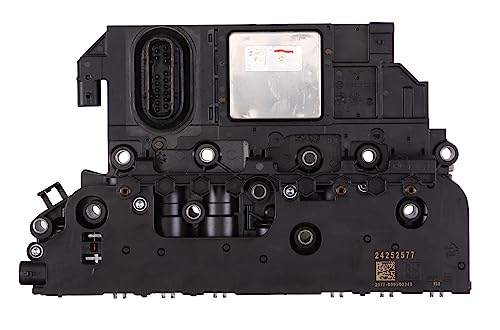
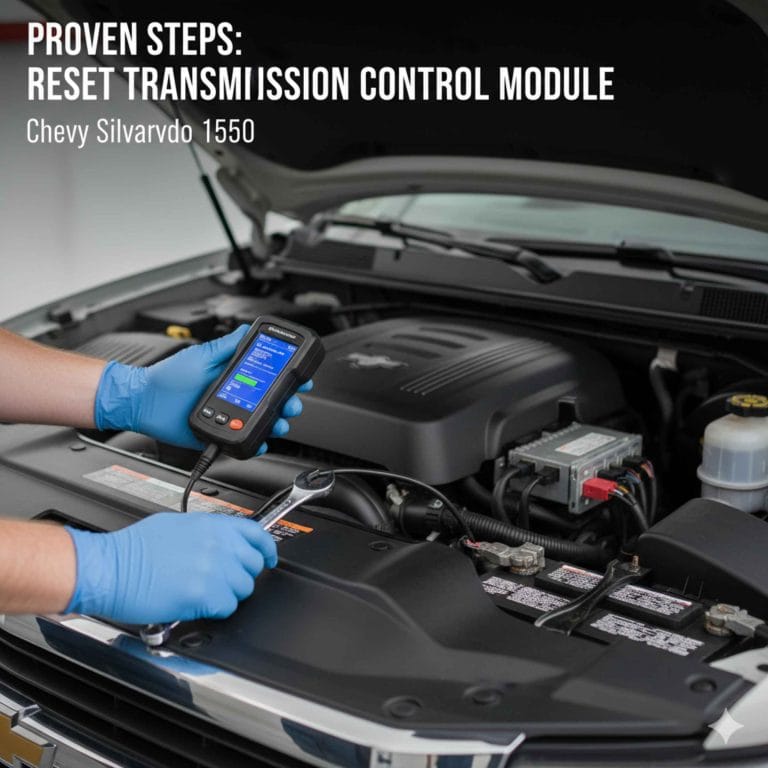
The transmission control system’s main computer, often called the Transmission Control Module (TCM) or Powertrain Control Module (PCM), is usually located under the dashboard or in the engine bay. It works with sensors to manage gear changes and ensure smooth operation of your car’s transmission. Its exact spot can vary by car make and model.
Understanding Your Car’s Transmission Control System
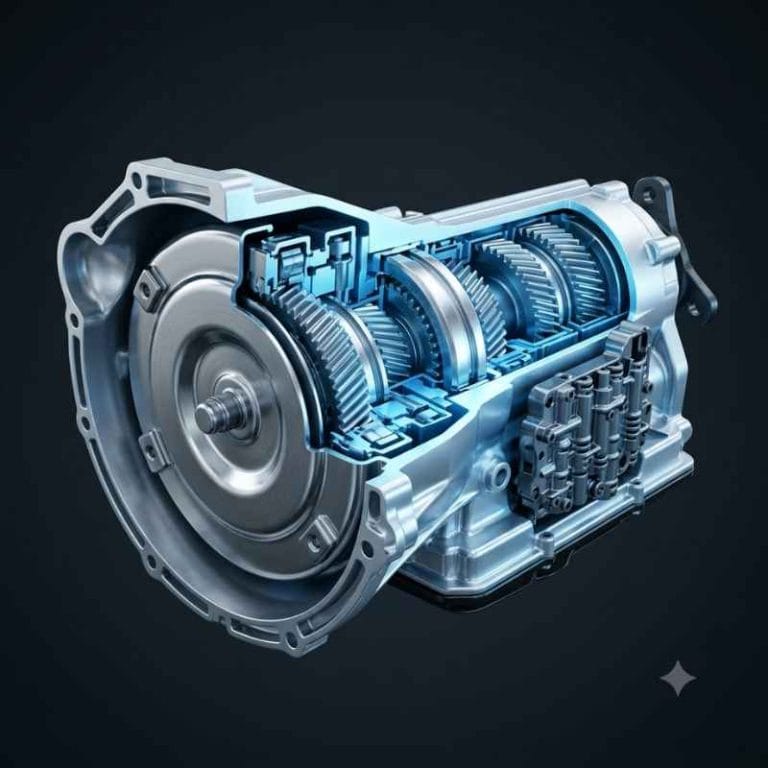
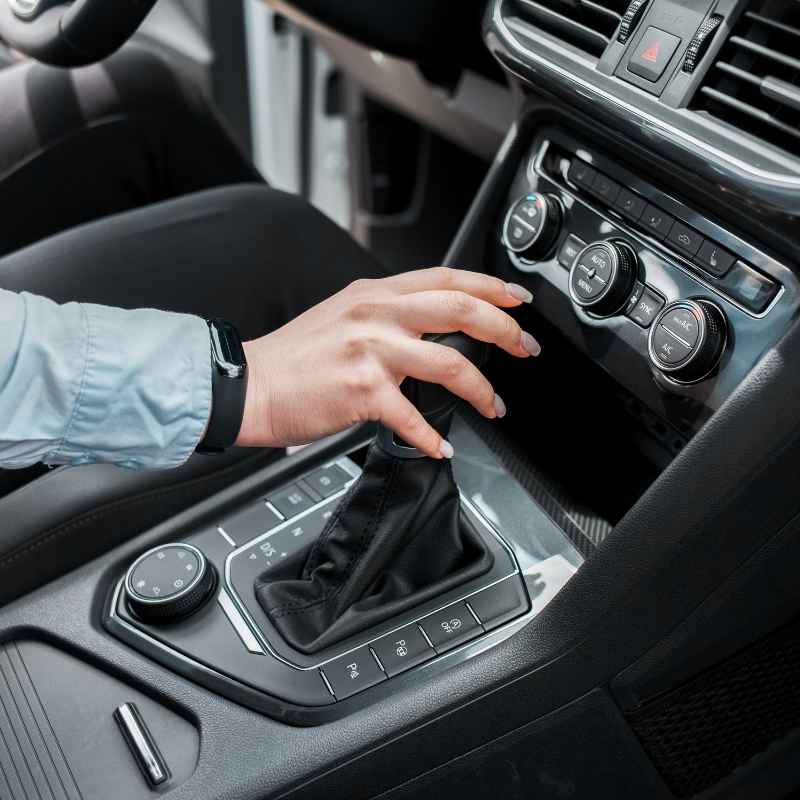
Your car’s transmission is like its gearbox. It helps your engine’s power get to your wheels. The transmission control system is the brain for this gearbox. It decides when to shift gears. It does this to match your speed and how hard you are pushing the gas pedal.
This system uses many sensors. These sensors tell the computer about the car’s speed. They also report engine speed and throttle position. The computer then figures out the best gear. It sends signals to the transmission to make the shift. This whole process happens very quickly. It makes your driving smooth and efficient.
Without this system, your car would not shift gears properly. It might get stuck in one gear. Or it might shift at the wrong times. This can harm the transmission. It can also make driving very difficult and unsafe. It’s a vital part of modern cars.
My Own Transmission Control Scare
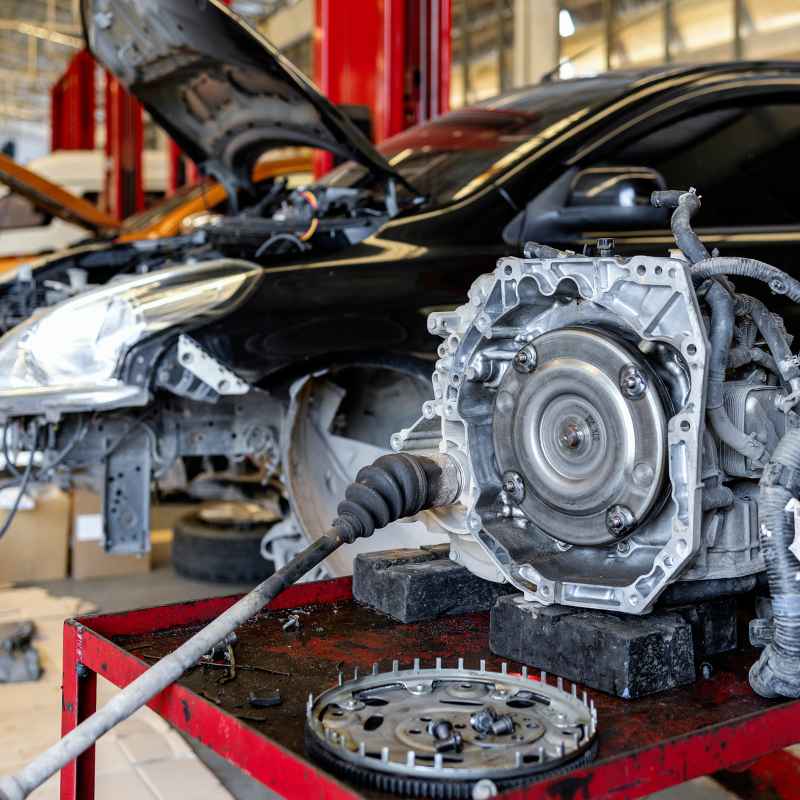
I remember a time when my old sedan started acting weird. It was a Tuesday evening. I was driving home from a friend’s house. The sky was a deep purple. Suddenly, my car felt sluggish. It was like it was trying to climb a hill in neutral. The engine was revving, but the car wasn’t moving much faster.
My heart sank. I saw a warning light flash on the dashboard. It was a little picture of a gear. Panic started to set in. I pulled over to the side of the road. My mind raced with thoughts of expensive repairs. I imagined towing bills and days without my car. I felt a knot of worry in my stomach.
I popped the hood, even though I knew very little about car engines. I just looked. Nothing seemed obviously wrong. I checked the transmission fluid, hoping for a simple fix. It looked okay, not burnt or low. After a few minutes, I started the car again. Miraculously, it seemed to drive normally for a few blocks. But the feeling of unease lingered. It turned out to be a faulty sensor. But for a few scary moments, I thought my transmission was shot.
Key Components and Their Roles
The transmission control system is not just one part. It’s a team of parts working together.
The Transmission Control Module (TCM)
This is the main computer. It gets data from sensors. It makes decisions about shifting.
It’s like the conductor of an orchestra. It tells all the other parts what to do. It’s usually sealed to protect it from dirt and water.
Sensors Galore
Many sensors feed information to the TCM. These include:
- Vehicle Speed Sensor: Tells how fast you are going.
- Engine Speed Sensor (RPM): Shows how fast the engine is turning.
- Throttle Position Sensor: Measures how far you press the gas pedal.
- Transmission Fluid Temperature Sensor: Checks if the fluid is too hot.
- Gear Position Sensor: Knows which gear the transmission is in.
Actuators and Solenoids
These are the parts that actually make the gear changes happen. The TCM sends electrical signals to them. These signals open or close valves.
This controls fluid pressure. The fluid pressure moves parts inside the transmission. This engages or disengages gears.
Where to Find the Transmission Control Module (TCM)
The exact location of the TCM can differ a lot. Car makers put it in different places. It depends on the car’s design.
One common spot is under the dashboard. It’s often on the driver’s side. It might be near the steering column. Or it could be on the passenger side. This location protects it from engine heat. It also makes it accessible for technicians.
Another frequent hiding place is in the engine bay. Sometimes it’s mounted on the firewall. This is the metal wall between the engine and the cabin. It could also be near the transmission itself. Some cars have the TCM built into the transmission housing. This makes it very close to the action.
A smaller number of cars might have the TCM integrated into the Powertrain Control Module (PCM). The PCM controls both the engine and the transmission. In this case, the PCM is usually in the engine bay.
When you look for it, remember it’s usually a metal box. It has wires and connectors coming out of it. It’s not usually something you can see easily. You might need to remove some panels or covers to get to it.
Why Location Matters for Your Car
The place where the TCM is put is important. It affects how well it works.
Protection from Heat
The engine bay gets very hot. High heat can damage electronics. If the TCM is in the engine bay, it needs good shielding. Car makers use special casings. They also ensure good airflow. Placing it inside the cabin or further away from the hottest parts of the engine helps a lot.
Protection from Water and Dirt
Cars are exposed to rain, puddles, and general grime. The TCM needs to stay dry and clean. Most TCMs are sealed tightly. If it’s mounted low in the engine bay, it’s more at risk. Locations inside the cabin or higher up are safer.
Ease of Access for Repairs
Mechanics need to get to the TCM. If it’s buried deep inside the car, repairs become harder. This means more labor time. More labor time means higher repair bills. So, designers try to make it reachable without taking the whole car apart.
Signal Integrity
The TCM talks to many sensors and actuators. Wires carry these signals. Long wires can sometimes pick up interference. Placing the TCM closer to the transmission can mean shorter wire runs. This can help ensure the signals are clear and strong.
Common Issues and Symptoms
When the transmission control system has a problem, your car will tell you.
The “Check Engine” Light
This is the most common sign. A fault in the TCM or its sensors will often trigger this light. It’s your car’s way of saying, “Something is wrong.
Please check.”
Rough Shifting or Slipping
Your car might shift gears abruptly. It might feel like a jolt. Or the transmission might slip.
This means it feels like it’s not grabbing a gear properly. It might rev up without moving forward.
Inability to Shift Gears
Sometimes, the car gets stuck in one gear. This is often a “limp mode.” The car will still drive, but slowly and without changing gears. This is to prevent further damage.
Transmission Overheating
A faulty TCM might not manage the transmission fluid temperature correctly. This can lead to overheating. You might notice a burning smell.
Or the car might enter limp mode.
Troubleshooting and Diagnosis
If you suspect a problem with your transmission control system, don’t ignore it.
Diagnostic Scan
The first step is usually a diagnostic scan. A mechanic uses a special tool. This tool plugs into your car’s computer port. It reads trouble codes. These codes point to the specific issue. A code related to the TCM or transmission sensors is a clear sign.
Sensor Checks
Mechanics will test the sensors. They check if they are sending correct data. A faulty sensor can send bad information to the TCM. This leads to wrong decisions by the computer. Sometimes, a sensor just needs cleaning or replacement.
TCM Inspection and Testing
If sensors check out, the TCM itself might be the problem. Technicians can test the TCM. They look for internal faults. Sometimes, the TCM can be reprogrammed. Other times, it needs to be replaced.
Wiring and Connections
The wires connecting the TCM to sensors and actuators can get damaged. They can corrode or break. A mechanic will inspect this wiring harness. They check for any loose or damaged connections.
When Is It Normal for Your Car’s Transmission?
It’s good to know what feels normal for your car. Every car drives a little differently.
Smooth Shifts
In a healthy car, shifts should be smooth. You might feel a slight change in gear. But it should not be jerky or harsh. It happens very quickly.
Proper Gear Engagement
When you put the car in gear, it should engage promptly. You should not feel a delay or a clunk.
Normal Engine RPMs
The engine’s RPMs should change as you speed up or slow down. They should correspond to the gears. If the RPMs seem too high or too low for your speed, there might be an issue.
No Warning Lights
The best indicator is a lack of warning lights. If no lights are on, the system is likely working as it should.
When to Worry About Your Transmission
There are signs that mean you should get your car checked right away.
The “Check Engine” Light or Transmission Light
Any dashboard light related to the engine or transmission is a signal. Don’t wait for it to get worse.
Harsh or Jerky Shifting
If your car feels like it’s slamming into gear, that’s not good. This can cause long-term damage.
Slipping Gears
If you accelerate and the engine revs but the car doesn’t speed up, this is serious. The transmission is not holding the gear.
Strange Noises
Unusual sounds like grinding, whining, or clunking from the transmission area are concerning.
Burning Smell
A burning smell can mean the transmission fluid is overheating. This is a sign of serious trouble.
Simple Checks You Can Do
While you shouldn’t do complex repairs, a few simple checks can help.
Check Transmission Fluid Level
This is usually done with the engine warm and running. Check your car’s manual for the exact procedure. Low fluid can cause shifting problems.
Burnt-smelling fluid can indicate internal damage.
Observe Shifting Behavior
Pay attention to how your car shifts. Does it feel smooth? Are shifts happening at reasonable speeds?
Any weirdness is worth noting for your mechanic.
Listen for Unusual Sounds
Are there new noises when you accelerate or shift? A mechanic can often diagnose issues based on sounds.
Transmission Control System Locations by Car Type
Let’s look at where you might find it in different kinds of cars.
Sedans and Coupes
In most common sedans and coupes, the TCM is often found under the dashboard. It might be on the driver’s side, near the steering column. Some models might have it in the engine bay, often on the firewall or near the battery.
SUVs and Trucks
These larger vehicles can have more space. The TCM might be located in the engine bay. It could be more accessible on the firewall. Some might still have it under the dashboard. In trucks, sometimes it’s near the transmission itself.
Hybrid and Electric Vehicles
Hybrids have complex powertrains. The control modules are often integrated. The TCM might be part of a larger control unit. This unit manages both the engine and the electric motor. In fully electric cars, the concept of a traditional “transmission” changes. However, there are still control units that manage the drivetrain. These are often integrated into the vehicle’s main computer system.
Older Cars vs. Newer Cars
Older cars might have simpler systems. The TCM might be a standalone unit. Newer cars often integrate more functions. The TCM could be part of a larger PCM. The wiring harnesses are also more complex in modern vehicles.
How Technology Has Changed Transmission Control
Transmission control has come a long way.
From Manual to Automatic
Early automatic transmissions were mechanical. They used fluid pressure and valves. Then came electronic controls.
This made shifting much smoother and more precise.
The Rise of the PCM/TCM
Computers revolutionized transmission control. The TCM allows for complex logic. It can adapt to driving styles and conditions.
This improves fuel economy and performance.
Advanced Features
Modern TCMs enable features like adaptive shifting. This means the transmission learns your driving habits. It can also control traction.
It helps with hill starts. Some even offer manual shifting modes.
Common Misconceptions About Transmission Control
People often misunderstand how this system works.
Misconception 1: The TCM is the Transmission
The TCM is the computer. The transmission is the set of gears and mechanical parts. They work together, but they are separate.
Misconception 2: All Transmission Problems Mean a New Transmission
Many shifting issues are caused by sensors or the TCM itself. These are often cheaper to fix than a whole new transmission. Always get a proper diagnosis.
Misconception 3: You Can’t Drive with a Bad TCM
In many cases, the car will go into limp mode. You can still drive slowly. This prevents more damage.
But you shouldn’t drive far or fast.
The Impact of Climate on Transmission Control
Climate can play a role in how your transmission behaves.
Extreme Cold
In very cold weather, transmission fluid becomes thicker. This can make shifting feel sluggish at first. The TCM is programmed to handle this. It might delay shifts until the fluid warms up. If you notice very harsh shifts in extreme cold, it’s worth mentioning to a mechanic.
Extreme Heat
High temperatures can cause transmission fluid to thin out. It can also lead to overheating. The TCM monitors fluid temperature. If it gets too hot, the system might shift less often. It could also go into limp mode to protect itself. Using the correct type of transmission fluid is vital, especially in hot climates.
DIY vs. Professional Repair
Deciding whether to fix it yourself or go to a pro is important.
DIY Potential
Checking fluid levels or looking for obvious loose wires is doable for many. Sometimes, a simple sensor
When to Call a Pro
Diagnosing TCM issues requires special tools and knowledge. Replacing a TCM or dealing with internal transmission problems is complex. It’s best left to experienced mechanics.
They have the equipment to read codes and test components accurately.
Cost Considerations for Transmission Control Issues
Repair costs can vary widely.
Sensor Replacement
Replacing a faulty sensor is usually the least expensive. Costs can range from $100 to $400, depending on the sensor and labor.
TCM Repair or Replacement
A new TCM can be costly. Prices can range from $300 to $1,000 or more. Sometimes, a TCM can be repaired or reprogrammed. This might be cheaper.
Transmission Repair
If the problem is with the transmission itself, costs skyrocket. Rebuilding a transmission can cost $2,000 to $5,000 or even more. This is why it’s crucial to fix TCM or sensor issues early.
The Future of Transmission Control
The way cars control their gears is always evolving.
Smarter Software
Expect even more advanced software. This will allow transmissions to adapt better to driving conditions. It will improve fuel efficiency and reduce emissions.
Integration with Other Systems
The TCM will likely be more integrated with other car systems. This includes navigation, adaptive cruise control, and even road condition sensors. The car will anticipate shifts based on where you’re going.
Fewer Gears?
Some manufacturers are exploring transmissions with fewer gears. Others are looking at continuously variable transmissions (CVTs) that use belts instead of gears. The goal is always smoother, more efficient driving.
What This Means for You
Knowing where the transmission control system is helps you understand your car better. It means you know that the smooth shifting you experience is thanks to a smart computer. It also means if something goes wrong, you have an idea of what part might be involved.
When It’s Normal
It’s normal when your car shifts gears smoothly. You don’t feel jolts. No warning lights are on. Your car accelerates well and doesn’t seem to struggle.
When to Worry
Worry if you hear strange noises. Worry if shifts are rough or delayed. Worry if a warning light appears on your dashboard. Any change in how your car shifts gears is a reason to check.
Simple Checks to Keep in Mind
Regularly checking your transmission fluid is a good habit. Also, pay attention to how your car feels when you drive it. Any unusual behavior is worth noting.
Quick Tips for Transmission Health
Keeping your transmission healthy is smart.
Change Transmission Fluid Regularly: Follow your car’s maintenance schedule. This is vital.
Drive Smoothly: Avoid hard acceleration and braking when possible.
Don’t Tow Over Your Limit: Overloading stresses the transmission.
Address Warning Lights Immediately: Don’t wait for small problems to become big ones.
Use the Correct Fluid: Always use the fluid recommended by your car manufacturer.

Frequently Asked Questions
Where is the transmission control module (TCM) located in a 2010 Honda Civic?
In a 2010 Honda Civic, the TCM is often located under the driver’s side dashboard. It might be behind a kick panel or trim piece. Sometimes it is integrated with the engine control module.
Can I drive my car if the transmission control light is on?
You may be able to drive your car, but it’s risky. The car might be in “limp mode,” which limits speed and gears to prevent further damage. It’s best to get it checked by a mechanic as soon as possible.
What causes a transmission control module to fail?
TCMs can fail due to heat, moisture, electrical surges, or internal component failure. Sometimes, software glitches can also cause issues. Poor connections or damaged wiring can also contribute to problems.
How much does it cost to replace a TCM?
Replacing a TCM can cost anywhere from $300 to $1,000 or more. This includes the cost of the part and labor. The price depends on the car model and the dealership or repair shop.
What is the difference between a TCM and a PCM?
A TCM specifically controls the transmission. A PCM (Powertrain Control Module) controls both the engine and the transmission. In many newer cars, these functions are combined into one module.
My car is not shifting gears. What could be the problem?
This could be a problem with the TCM, sensors, solenoids, low transmission fluid, or internal transmission damage. A diagnostic scan is needed to pinpoint the exact cause.
Final Thoughts
The transmission control system is a complex but vital part of your car. Understanding where its main computer, the TCM, is located helps you appreciate its role. It’s usually tucked away for protection. If you notice any strange behavior with your car’s shifting, don’t hesitate to get it checked. Early diagnosis can save you a lot of money and trouble down the road.
See also best transmission controller for any budget ranked 2026.
Products related to this article
Sponsored / affiliate links. As an Amazon Associate I earn from qualifying purchases. I may earn additional commission from eligible campaigns.