What Happens When Car Brakes Lock Up? Stay Safe On Road
When car brakes lock up, it means the wheels stop rotating completely while the vehicle is still moving. This can happen suddenly, often during hard braking, and results in a loss of steering control and increased stopping distance, posing a significant safety risk on the road.
Understanding the Mechanics of Brake Lock-Up
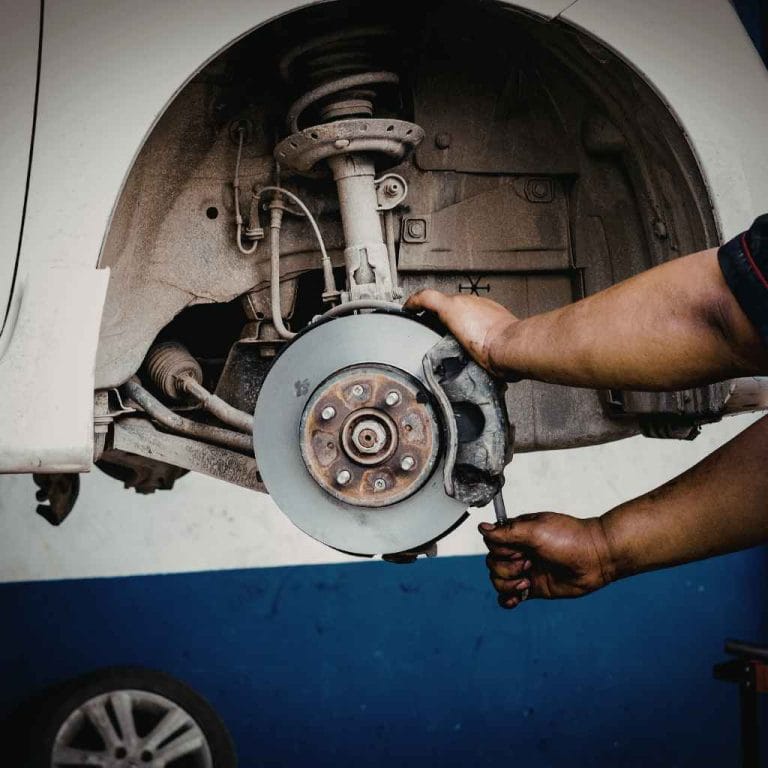
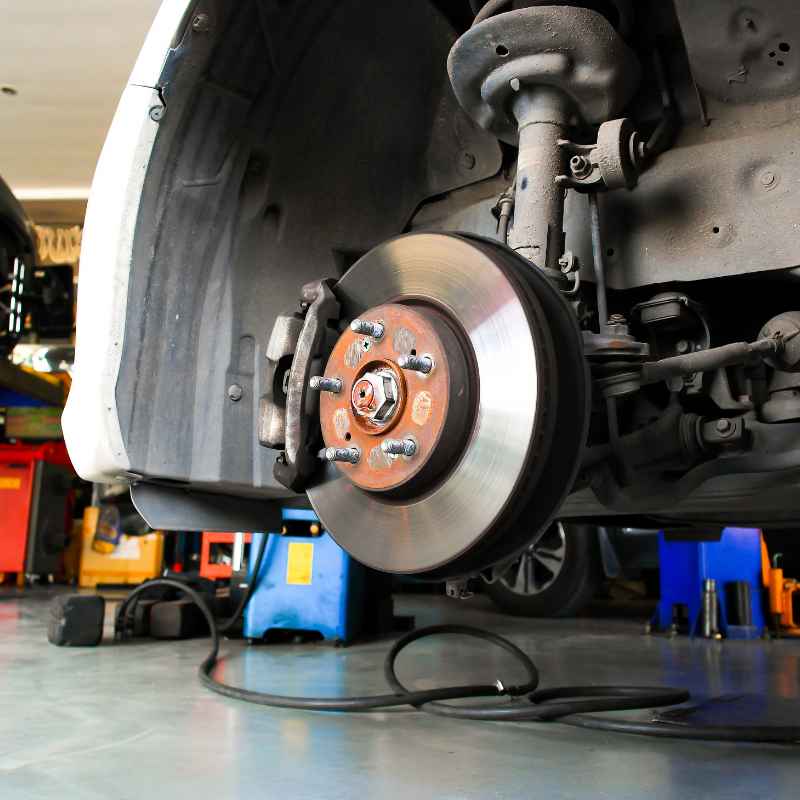
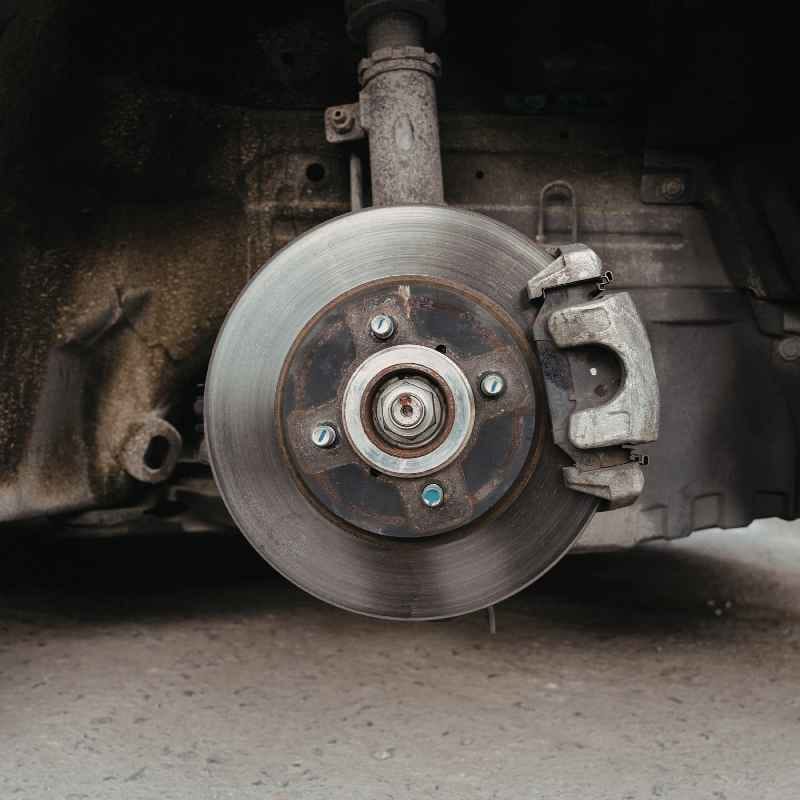
Braking is a complex dance between friction and physics. When you press the brake pedal, hydraulic fluid pushes pistons. These pistons force brake pads against rotors. This friction slows the wheels down. For a normal stop, the wheels keep turning, just slower. This allows you to maintain steering.
Brake lock-up happens when this friction becomes too much. The brake pads grab the rotors so hard that the wheels stop spinning. Even though the car is still moving forward, the wheels are stuck. This sudden stop of rotation is the core of the problem.
Several factors can lead to this. One is the condition of your brakes. Old or worn-out brake pads might not release evenly. This can cause one wheel to lock before others. The type of tires you have also plays a role. Smooth or worn tires have less grip. On a wet or icy road, even good tires can struggle.
Modern cars have Anti-lock Braking Systems (ABS). This system is designed to prevent lock-ups. It rapidly pulses the brakes. This keeps the wheels from stopping completely. If your car has ABS, you might feel a vibration or hear a chattering sound when you brake hard. That’s normal. It means the system is working.
My Terrifying Encounter with Brake Lock-Up
I remember it like it was yesterday. I was driving home late on a drizzly evening. The roads were slick, and visibility wasn’t great. I was on a familiar stretch of highway, maybe going a little faster than I should have been. Ahead, a deer suddenly leaped out from the trees. My heart leaped into my throat.
Instinct took over. I slammed on the brakes as hard as I possibly could. That’s when it happened. There was a horrible screeching sound, unlike anything I’d heard before. The steering wheel, which I was desperately trying to turn to avoid the animal, became completely useless. It felt like I was on ice. The car felt like it was just sliding, a runaway sled.
Panic set in. I could see the deer frozen in my headlights, and the car was just barreling towards it. Time seemed to slow down. I remember a desperate thought: “I can’t steer! I can’t control this!” Fortunately, the car was equipped with ABS, and after a few terrifying seconds of sliding, the system kicked in. I felt a pulsing through the brake pedal, and slowly, very slowly, the car regained a sliver of control. I managed to swerve just enough to miss the deer, but my tires left black streaks on the wet pavement. My hands were shaking for an hour afterward. It was a stark reminder of how quickly things can go wrong and how crucial working brakes are.
Tire Tread and Grip
Importance: Your tires are the only part of your car connecting you to the road. Good tread depth is essential for gripping the pavement.
How it Affects Braking: Worn tires have less tread. This means less contact with the road. Less contact means less friction.
This increases the chance of brakes locking up, especially in wet or icy conditions. Always check your tire tread regularly.
What Causes Brakes to Lock Up?
There are a few main culprits behind brake lock-up. Understanding these can help you prevent them or at least recognize the signs.
One of the most common reasons is simply applying too much brake pressure too quickly. This is often called “slamming on the brakes.” When you do this, especially if your tires don’t have great grip, they can stop rotating. This is more likely if your tires are old, worn out, or if the road surface is slippery.
Road conditions play a huge part. Rain, snow, ice, or even loose gravel can drastically reduce the friction between your tires and the road. When this friction is low, it takes much less force from the brakes to make the wheels stop turning. So, a normal hard brake on dry asphalt can become a lock-up situation on a wet or icy road.
The condition of your braking system itself is also critical. If your brake fluid is old or contaminated, it might not work as efficiently. Leaks in the brake lines can reduce hydraulic pressure, but paradoxically, sometimes uneven pressure can also cause issues. Worn brake pads or rotors can lead to uneven braking. This means one wheel might brake harder than the others, causing it to lock up first.
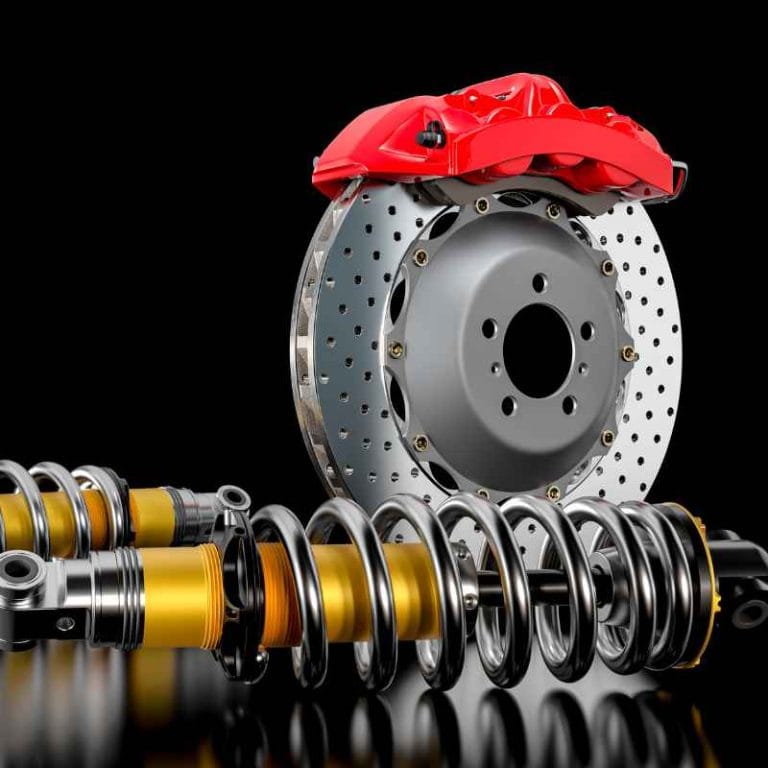
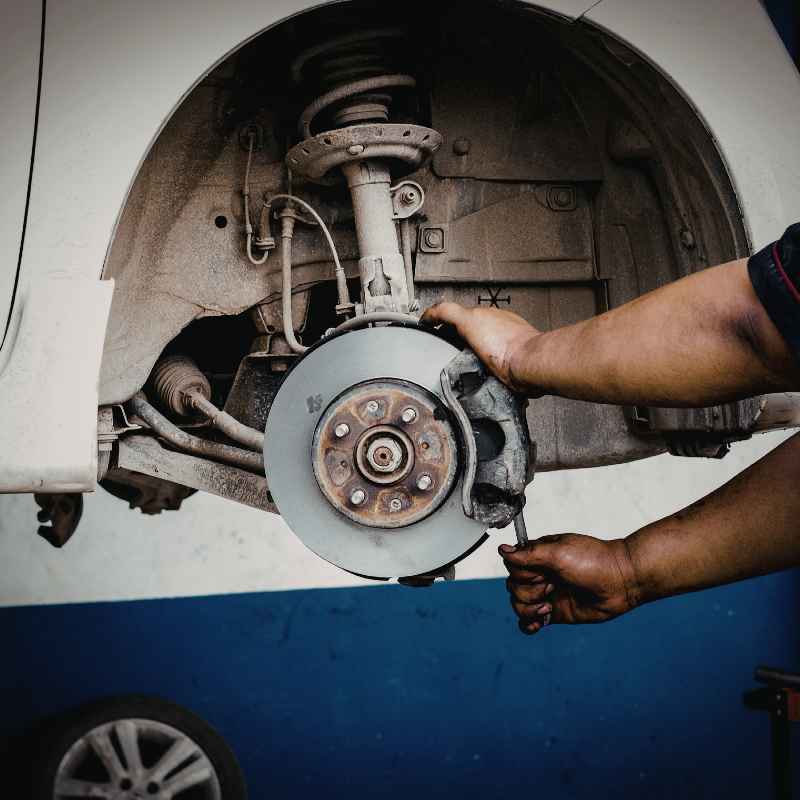
Sometimes, a malfunctioning brake component can cause problems. A seized caliper is a good example. A caliper is what squeezes the brake pads onto the rotor. If it seizes, it might keep applying pressure even when you’re not braking hard. This can lead to a wheel locking up unexpectedly.
Finally, the Anti-lock Braking System (ABS) is designed to prevent lock-up. However, if the ABS system itself is faulty, it won’t be able to do its job. You might notice a warning light on your dashboard if there’s an ABS issue. Driving with faulty ABS is risky.
ABS: Your Digital Braking Helper
What it is: ABS stands for Anti-lock Braking System. It’s a safety feature in most modern cars.
How it works: Sensors monitor each wheel’s speed. If a wheel starts to lock up, ABS rapidly pulses the brakes on that wheel. This prevents it from stopping completely.
It allows you to steer while braking hard.
What to expect: If ABS activates, you might feel a buzzing or pulsing in the brake pedal. You may also hear a grinding or chattering sound. This is normal!
Keep firm pressure on the pedal.
The Risks of Locked Brakes
When your brakes lock up, the consequences can be severe. The most immediate danger is the loss of steering control. When a tire stops rolling, it acts like a sled. You can no longer steer the car effectively. It will just slide in the direction it was going. This makes avoiding obstacles, other cars, or even staying in your lane incredibly difficult.
Your stopping distance also increases dramatically. A rolling tire has better grip than a sliding tire. When a tire slides, it loses a lot of its ability to grip the road. This means it takes much longer for the car to come to a complete stop. On dry pavement, this difference might be manageable. But on wet or icy roads, the increased stopping distance can be the difference between a near miss and a serious collision.
Tire damage is another risk. When tires slide across the pavement, they can wear down very quickly. This can cause flat spots on the tires. If you experience a significant lock-up, you might need to have your tires inspected for damage.
Beyond the physical dangers, the sheer terror of losing control can be overwhelming. The feeling of helplessness when you can’t steer or stop the car as you intend is a profound fear for any driver. It can shake your confidence on the road.
Real-World Scenarios Where Lock-Up Happens
Imagine this: you’re driving on a country road, and a patch of oil or spilled diesel fuel sits unnoticed on the asphalt. You brake gently, but suddenly, your rear wheels lose all traction. They lock up, and the back of your car starts to fishtail. This is a classic scenario where a slick patch combines with braking force to cause a lock-up.
Or consider a driver who is distracted for just a second. They look down at their phone. When they look back up, they see traffic has stopped abruptly. They panic and stomp on the brake pedal. If their tires are worn, or if it’s raining, those tires might just stop rolling. The car then skids straight ahead, unable to change direction.
Think about someone driving a classic car that doesn’t have ABS. They’re driving down a hill on a cool, damp morning. The brakes are old, and perhaps not perfectly maintained. They need to slow down for a sharp curve. They apply the brakes, but one side brakes harder than the other. That wheel locks up, and the car starts to spin. This is why modern safety features are so important.
Even experienced drivers can face this. Driving in a sudden downpour can be tricky. The road can go from good grip to very slick in moments. If you have to brake hard in these conditions, especially with older tires or without ABS, lock-up is a real possibility. The key is recognizing the signs and knowing what to do.
Contrast: Normal Braking vs. Brake Lock-Up
Normal Braking:
- Car slows down smoothly.
- You can still steer the car.
- Wheels continue to rotate.
- ABS may pulse gently.
Brake Lock-Up:
- Car may shudder or lurch.
- Complete loss of steering control.
- Wheels stop rotating.
- Loud screeching sounds are common.
- Increased stopping distance.
What to Do If Your Brakes Lock Up
The absolute most important thing to remember if your brakes lock up is to stay calm. I know that’s easier said than done, but panic makes everything worse.
If your car has ABS, keep firm pressure on the brake pedal. Don’t pump the brakes like you might have been taught in older driving courses. The ABS system will do the work for you. You might feel a pulsing or vibration in the pedal, and you’ll hear noises. This is good! It means ABS is actively preventing the lock-up. Keep steering where you want to go.
If your car does NOT have ABS, you need to “pump” the brakes. This means quickly releasing pressure on the pedal and then reapplying it. Do this in rapid succession. The goal is to get the wheels to start rolling again, even for a moment, so you can regain steering. You want to keep the car from sliding uncontrollably. This takes practice and quick reactions.
In either case, focus on steering. Try to steer the car in the direction you want it to go. If you’re sliding, you may need to counter-steer. This means turning the wheel in the opposite direction of the slide to straighten the car out.
Try to avoid jerky movements. Smooth, controlled steering is key. If you can, try to steer onto a softer surface like grass or dirt if it’s safe to do so. These surfaces can sometimes help slow the car down more gently than hard pavement.
Preventing Brake Lock-Up: Your Best Defense
The best way to deal with brake lock-up is to prevent it from happening in the first place. This involves a combination of good driving habits and vehicle maintenance.
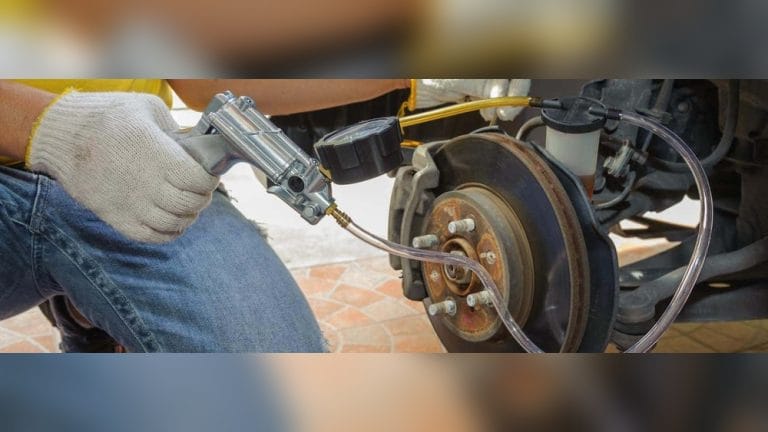
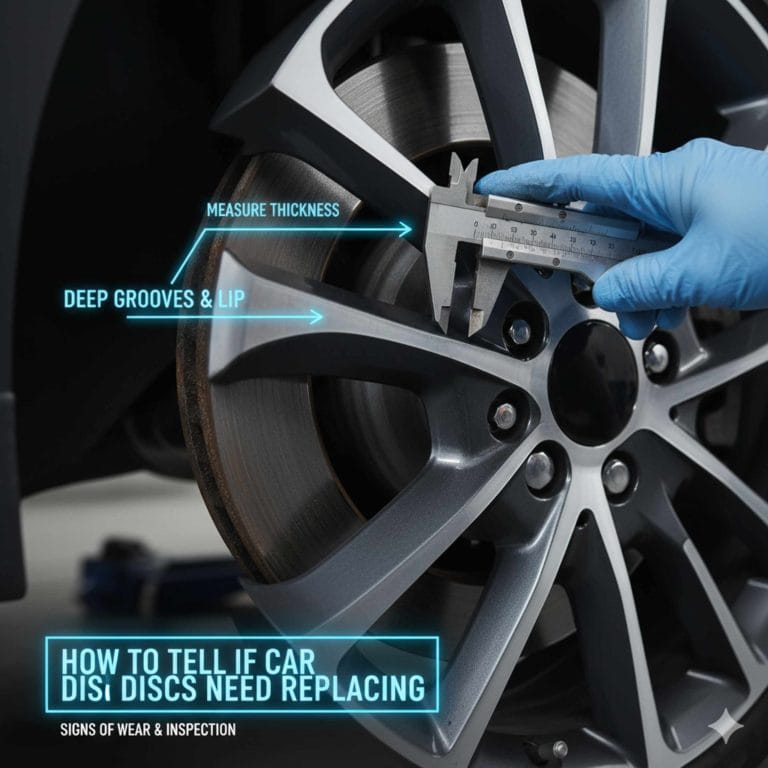
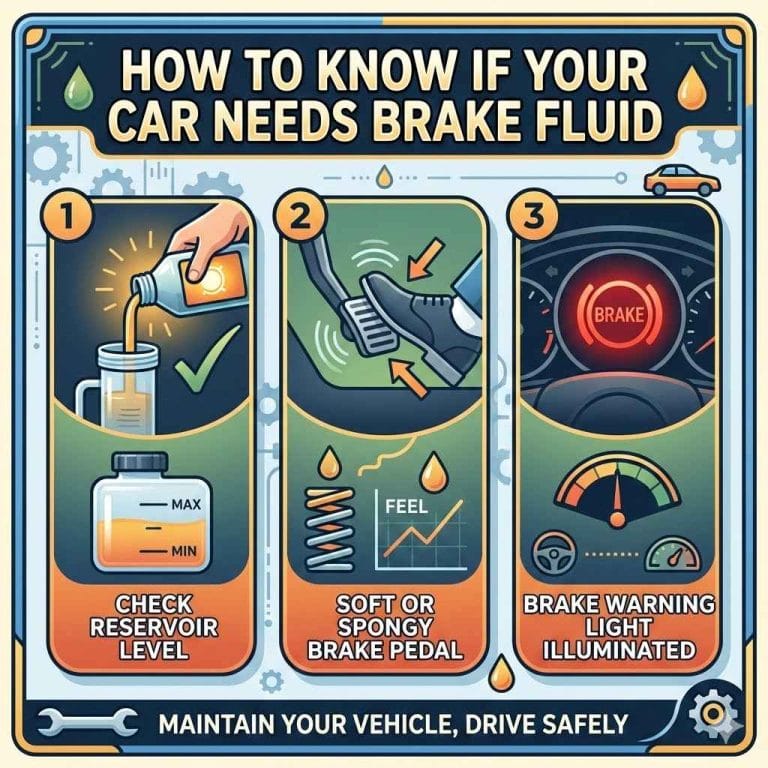
First, regular maintenance of your braking system is non-negotiable. Get your brake pads, rotors, and brake fluid checked according to your car’s maintenance schedule. Worn components are a major cause of braking issues. Ensure your brake fluid is clean and at the proper level.
Second, pay attention to your tires. Check your tire pressure regularly. Underinflated or overinflated tires don’t grip the road as well. Most importantly, check your tire tread depth. Bald tires are incredibly dangerous, especially in wet conditions. If your tires are worn, replace them. It’s an investment in your safety.
Third, adjust your driving to the conditions. On wet, icy, or gravelly roads, you need to brake earlier and more gently. Assume that your stopping distance will be much longer. Avoid sudden braking or sharp turns. Give yourself plenty of space between your car and the car in front of you.
Fourth, be aware of your surroundings. Look ahead on the road. Anticipate potential hazards like animals, debris, or sudden stops. This gives you more time to react smoothly and avoid needing to slam on the brakes.
Finally, know if your car has ABS. If it does, learn how it feels and trust it to work. If it doesn’t, practice gentle braking in safe conditions so you know how your car responds.
Quick-Scan Table: Brake Maintenance Checklist
| Item | Frequency | Why it Matters |
|---|---|---|
| Brake Pads & Rotors | Every 6 months / 7,500 miles | Wear affects stopping power & can cause lock-up. |
| Brake Fluid | Check level monthly; flush per manual (often 2-3 years) | Old fluid loses effectiveness; contamination causes issues. |
| Tire Tread Depth | Check monthly (penny test is good) | Crucial for grip; worn tires dramatically increase lock-up risk. |
| Tire Pressure | Check monthly | Proper inflation ensures best grip and tire wear. |
| ABS System | Note any dashboard warning lights | Faulty ABS cannot prevent lock-ups. |
When is Brake Lock-Up Less Concerning?
There are times when a brief moment of wheel locking might happen, and it’s less of a cause for panic. Think about very aggressive, performance-oriented driving on a closed track. Sometimes, skilled drivers intentionally push their cars to the limit. They might engage in what’s called “threshold braking,” where they brake just shy of lock-up. If they misjudge it by a tiny bit, a wheel might momentarily stop. In this controlled environment, it’s usually a minor blip.
Another scenario is when you are braking very hard on an extremely slippery surface, like thick ice or deep mud. Even with ABS, sometimes the tires have so little grip that they might momentarily stop. The ABS system will work hard to get them rolling again. The key here is that the car is designed to recover quickly.
However, it’s important to distinguish these rare, specific situations from unexpected lock-up on public roads. If you experience anything that feels like a loss of control when braking, it should always be investigated. Even a single instance can point to an underlying problem that needs fixing.
What This Means for Your Driving Safety
Understanding brake lock-up means you’re better prepared. It highlights the importance of your tires. Are they in good shape? Do they have enough tread? This is the first line of defense against skidding. It also emphasizes the need for regular brake checks. Don’t wait for a strange noise or a spongy pedal.
If your car has ABS, remember not to pump the pedal. Trust the system and keep steering. If you don’t have ABS, practice gentle braking. Know your car’s limits. When the weather is bad, slow down. Give yourself more time and space. Every second counts when you’re trying to stop safely.
Quick Fixes and Tips for Preventing Lock-Up
While there aren’t “quick fixes” for faulty brakes, there are immediate actions you can take to minimize risk.
Check Tire Tread Weekly: Use the penny test. If Lincoln’s head is fully visible, your tread is low.
Gentle Braking in Bad Weather: Always. Assume you need twice the stopping distance on wet roads.
Know Your Car: Does it have ABS? If yes, learn the feel. If no, practice safe, controlled braking.
Maintain Following Distance: A safe distance gives you buffer room.
Avoid Distractions: Your full attention is needed for safe driving.
Frequently Asked Questions about Brake Lock-Up
What is the most common cause of brake lock-up?
The most common cause is braking too hard and too suddenly, especially on slippery surfaces or with worn tires. This overpowers the tire’s ability to grip the road while still rolling.
How do I know if my car has ABS?
Most cars made after 2012 have ABS as standard. You can usually find out by checking your owner’s manual, looking for an ABS warning light on your dashboard that checks itself when you start the car, or by looking for ABS sensors on your wheels.
Can I still steer if my brakes lock up?
No, if your brakes truly lock up and the wheels stop rotating, you lose almost all steering control. The car will slide in its current direction, much like a sled.
Is it bad if my tires screech when I brake?
A screeching sound usually means the tires are close to or are experiencing lock-up. It indicates a very hard braking situation. If it happens often, it suggests you may be braking too hard or your tires are worn.
If the screech is constant and you can’t steer, your brakes are likely locked.
What should I do if my car slides after braking hard?
If you have ABS, keep firm pressure on the brake and steer where you want to go. If you don’t have ABS, release the brake pedal slightly and quickly reapply it while steering smoothly. Try to counter-steer if the car is fishtailing.
How does a faulty brake caliper cause lock-up?
A seized brake caliper can continuously apply pressure to the brake pads, even when you are not pressing the brake pedal. This constant pressure can cause the affected wheel to slow down drastically or lock up entirely.
Final Thoughts on Brake Safety
Brake lock-up is a serious event that can be avoided. By understanding what causes it and taking steps to maintain your vehicle and drive smart, you can significantly reduce your risk. Your tires and brakes are critical safety components. Treat them with care. Regular checks and mindful driving are your best allies on the road. Stay safe out there!
See also what do car brakes look like inside a visual breakdown.
Products related to this article
Sponsored / affiliate links. As an Amazon Associate I earn from qualifying purchases. I may earn additional commission from eligible campaigns.