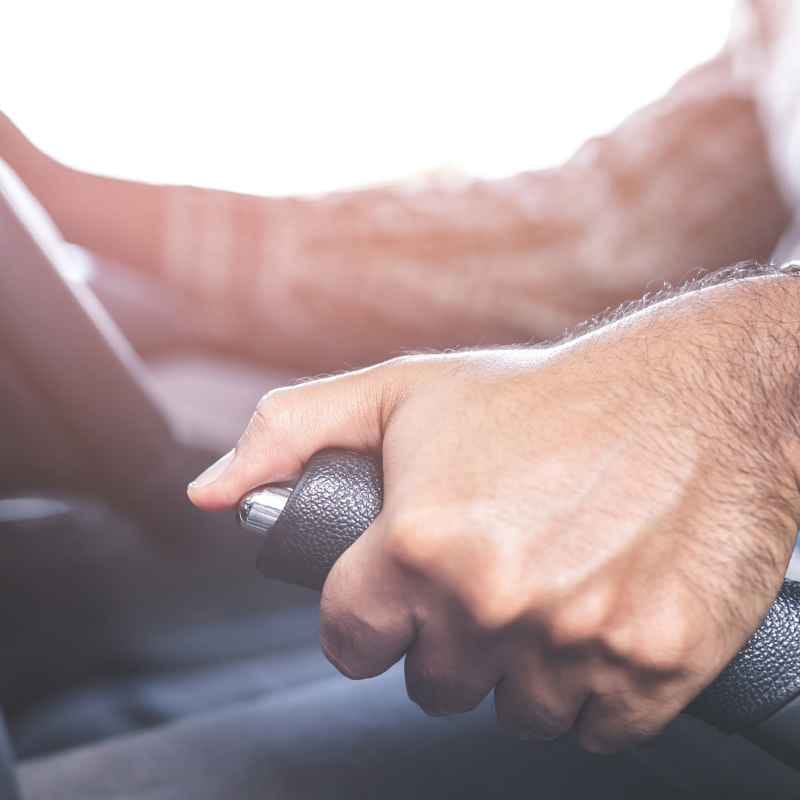
Is It Bad To Not Use Your Parking Brake? Here’S The Truth
Your parking brake, also called an emergency brake or handbrake, is more than just an extra step. It’s a key part of your car’s safety system. It helps keep your car still when parked.
This is especially true on hills.
Think of it like this: your car’s transmission has a small pin. This pin locks the gears. This pin holds the car in place.
But it’s not designed for the full weight of the car. Gravity is strong. Over time, that pin can wear down.
The parking brake takes on the load.
So, not using your parking brake can put extra stress on your transmission. It can also lead to your car rolling away. This is a serious safety risk.
It’s a simple habit that can prevent big problems.
My Near Miss with a Rolling Car
I remember one crisp autumn afternoon a few years back. I was visiting a friend in a town known for its steep streets. After a quick coffee, I headed back to my car.
I parked on a gentle incline, not thinking much of it. I’d been rushing, juggling a grocery bag and my phone. I put the car in park and got out.
As I closed the car door, I heard a faint scraping sound. My heart jumped. I looked back and saw my car slowly, silently, beginning to roll.
It wasn’t moving fast, but it was moving. Panic set in. I dashed back, fumbled with the door handle, and jumped inside.
My foot hit the brake pedal just in time to stop it from gathering speed. My hands were shaking. I looked at the empty parking spot behind me.
That’s when I realized how much I took the parking brake for granted. I’ve never forgotten to use it since then.
That day taught me a powerful lesson. It showed me how a small, often overlooked action can have big consequences. Now, using the parking brake is as automatic as putting on my seatbelt.
Parking Brake Basics: What You Need to Know
What it is: A secondary braking system. It usually works on the rear wheels.
How it works: It uses cables to physically engage the brakes. This holds the wheels still.
Why use it: Adds safety. Prevents car rolling. Protects transmission.
Types: Hand lever (center console), foot pedal (left side), electronic button.
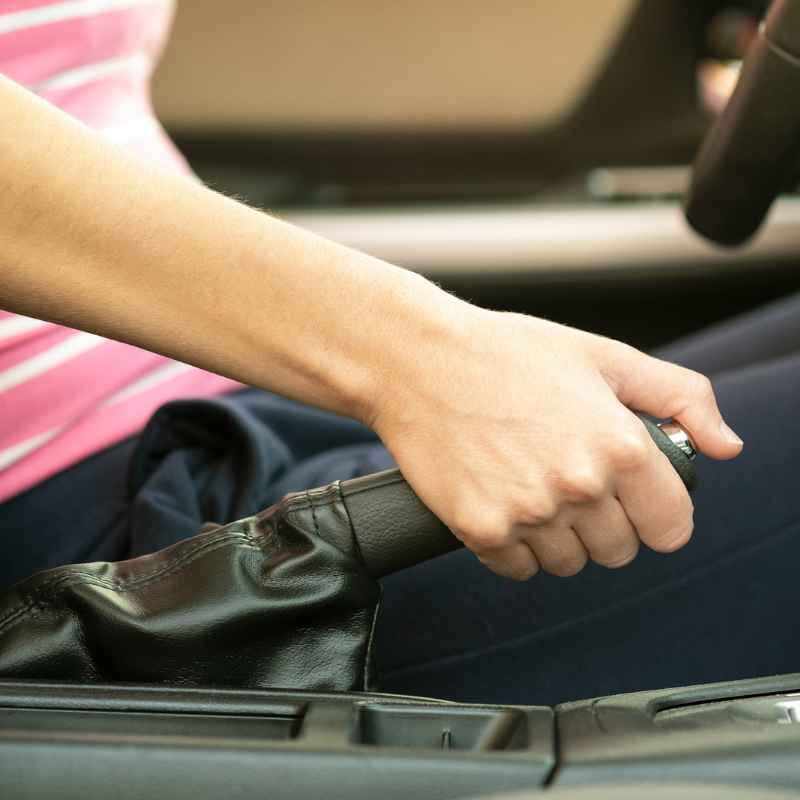
How Your Car Stays Put
When you park your car on a flat surface, you might think putting it in ‘Park’ is enough. For the most part, it is. The transmission’s parking pawl is what locks the drivetrain.
It stops the wheels from spinning. This pawl is a small metal piece. It slides into a gear.
This stops the gear from turning.
However, this pawl is tiny. It’s not built to hold the entire weight of your vehicle. Especially on an incline.
Imagine a ramp. If you lean a block against a small peg, the peg might hold. But if the ramp gets steep, the peg could break.
That’s what can happen to the parking pawl.
The parking brake, on the other hand, is designed for this job. It applies braking force directly to the wheels. This holds the car firmly.
It takes the pressure off that small parking pawl. It’s a much more secure way to keep your car from moving.
Transmission vs. Parking Brake: The Real Difference
Transmission ‘Park’ (P): Locks the drive wheels using a small metal pin (parking pawl). Good for flat surfaces. Can be stressed on hills.
Parking Brake: Applies actual brake friction to the wheels. Designed to hold the car’s weight, especially on slopes.
Combined Use: For maximum safety and to reduce wear, use both. Put car in Park after engaging the parking brake.
The Strain on Your Transmission
When you park on a hill without using the parking brake, your car’s weight presses against the transmission’s parking pawl. This puts a constant strain on it. Over time, this can cause the pawl to wear down.
It might even break.
If the pawl gets damaged, your car might not stay in ‘Park’ anymore. You might notice a clunking sound when you shift into drive or reverse. Or worse, the car might slip out of ‘Park’ without warning.
This is a dangerous situation.
Repairing a transmission can be very expensive. Replacing a damaged parking pawl is often not a simple fix. It can involve significant labor.
Using your parking brake regularly is a simple way to avoid this costly repair. It saves wear and tear on a vital part of your car.
What Happens When You Don’t Use It?
Not using your parking brake isn’t always immediately disastrous. Many people do it every day. They park on flat ground.
Their cars seem fine for years. This is because a flat surface doesn’t put much stress on the parking pawl.
But problems start to appear when you park on inclines. Even slight ones. You might not even notice them.
Your car could slowly creep forward or backward. If parked next to another car, you could nudge it. This could cause damage and dents.
On steeper hills, the risk is much higher. Your car could start to roll. It might roll into traffic.
It could hit pedestrians. It could crash into buildings or other property. This is a major safety hazard.
It’s a risk that’s easily avoided.
Signs Your Parking Pawl Might Be Stressed
Clunking noise: When shifting gears (Park to Drive, Drive to Park).
Car rolls slightly: After shifting to Park on a slight slope.
Gear shift feels loose: When in Park.
Difficulty shifting: Shifting out of Park takes extra force.
My Experience with a Worn Parking Pawl
My neighbor, a lovely older woman named Carol, told me about her car. She owned it for over fifteen years. She rarely used her parking brake.
Her reasoning was simple: “My car’s always been fine.” Her driveway was mostly level, with just a slight dip towards the garage.
One day, she parked her car after grocery shopping. She put it in Park and went inside. A few hours later, she heard a loud bang from her garage.
She ran out to find her car had rolled a few feet. It had nudged the wall, leaving a dent in her bumper. It also sounded like something inside the transmission had broken.
The mechanic told her the parking pawl had finally given way. It had cracked under the constant pressure from parking on that slight incline. She ended up needing a costly transmission repair.
It was a tough lesson for her. She learned that even small inclines can matter over time. Now, she never skips the parking brake.
She said, “It’s a small action for a big protection.”
The Impact on Your Brakes
While the parking brake’s primary job is to hold the car, it also uses your car’s braking system. Most parking brakes work by engaging the rear brake pads or shoes. When you pull the lever or push the pedal, cables are tightened.
These cables push the brake pads against the rotors or drums.
If you rely solely on the parking brake for holding the car on steep hills, you are putting extra wear on your rear brakes. The brake pads and rotors will wear out faster. This means you’ll need to replace them sooner.
However, this is usually a much smaller concern than transmission damage. The wear from using the parking brake is generally spread out over time. It’s part of the normal use of your brake system.
The critical point is that the parking brake is designed to hold the car’s weight. The transmission pawl is not.
Parking Brake Styles and How They Engage
Center Console Lever: Pulled up by hand. Usually engages rear brakes directly via cables.
Foot Pedal: Pushed down with the left foot. Often linked to the brake pedal mechanism or separate cables.
Electronic Button (EPB): Engages automatically or with a button push. Uses electric motors to apply the brakes.
How they feel: A firm click or tension usually means it’s engaged. Electronic ones often give a dashboard light.
When is it Actually Okay Not to Use It?
There are specific situations where skipping the parking brake is generally considered low risk. The main factor is the surface you are parking on. If your car is parked on a perfectly flat, level surface, and there’s no chance of it being bumped or nudged, then relying on the transmission’s ‘Park’ gear is usually fine.
Think about a secure, underground parking garage. The floors are usually very flat. The cars are parked close together, so bumping is unlikely.
In such a scenario, the risk is minimal. However, even in these places, a slight vibration from a passing truck could cause a tiny movement.
Another factor is the stability of your car. If you have a very new car with a robust transmission and parking pawl system, it might handle minor inclines better. But this is a gamble.
Relying on the parking brake is a habit that protects against these unknowns.
The True Cost of Neglect
The cost of not using your parking brake can range from minor inconvenience to major disaster. Minor issues include premature wear on your transmission’s parking pawl. This can lead to that annoying clunking sound when you shift gears.
It might also mean the car rolls a bit when you take it out of ‘Park’.
More serious costs involve transmission repairs. If the parking pawl breaks, you’re looking at significant repair bills. These can run into hundreds or even thousands of dollars, depending on your car model and the extent of the damage.
The most severe cost, however, is the potential for accidents. If your car rolls away and causes damage to other vehicles, property, or injuries to people, the financial and legal consequences can be enormous. Insurance claims, lawsuits, and fines are all possibilities.
The physical damage to your car from a collision can also be extensive.
Quick Scan: When to ALWAYS Use Your Parking Brake
On hills: Any incline, no matter how small.
In windy conditions: Gusts can move lighter cars.
When parking near traffic: Risk of being bumped.
If you have passengers: Especially children or pets who might move around.
Before servicing your car: Mechanics rely on it to be engaged.
Real-World Scenarios
Let’s look at some common places where parking habits matter:
The Grocery Store Parking Lot: Many of these lots have a slight slope towards the drainage ditches. Even if it feels flat, your car could slowly creep. If you’re parked next to a shopping cart return, a small roll could send a cart into your door.
The Street Parking Dilemma: Street parking is often on an incline. You might need to use your steering wheel turned a certain way. But the parking brake is your first line of defense.
It holds the car while your steering does its job.
The Apartment Complex Driveway: Many apartment buildings have shared driveways or parking areas that aren’t perfectly level. You might think it’s flat, but a small gradient can cause issues over time. Carol’s story is a perfect example.
The Drive-Thru Line: Even in a short drive-thru line, the car in front could move suddenly. If your parking brake isn’t on, you might roll a little. This could lead to a fender bender.
What This Means for You
So, what’s the takeaway for your daily driving? It’s pretty simple. The safest bet is to make using your parking brake a consistent habit.
Even on what looks like a flat surface, it adds a layer of security.
When it’s normal: If you park on a perfectly level surface and secure your vehicle, a minor roll might not cause immediate harm. However, this is a rare situation.
When to worry: Any time you park on an incline. If you hear unusual noises from your transmission. If your car feels like it’s not staying put.
Simple checks: After parking and putting the car in Park, gently try to rock the car back and forth with your hand on the steering wheel. If it moves, the parking brake is likely not engaged enough, or not engaged at all.
Myth vs. Reality: Parking Brake Edition
Myth: My car is new, so it doesn’t need the parking brake.
Reality: New cars still have parking pawls that can be stressed or broken. Wear and tear happens to all cars.
Myth: Parking on a flat surface means the parking brake isn’t necessary.
Reality: Even minor vibrations or slight imperfections in the surface can cause a car to roll if only ‘Park’ is used.
Myth: Using the parking brake wears out my main brakes faster.
Reality: While it uses the rear brakes, the wear is gradual and less significant than potential transmission damage or safety risks.
Quick Fixes & Tips
While there aren’t really “fixes” for the habit itself, here are some tips:
The Golden Rule: Always engage the parking brake before you shift into Park. This transfers the car’s weight to the brake system first, not the transmission.
Engage Firmly: Make sure you pull the lever or push the pedal with enough force to feel it engage securely. For electronic brakes, ensure the light confirms engagement.
Check Your Work: After you’ve parked, take a moment. Put your car in Park, release the foot brake, and see if the car stays put. If it settles back slightly, try engaging the parking brake a bit more.
Listen to Your Car: If you hear new sounds when shifting or parking, get them checked. It could be a sign of stress on the parking pawl.
Regular Checks: If you have a manual parking brake, have its tension checked during regular maintenance. Cables can stretch over time.
Frequent Questions
Is it bad if my car rolls a little when I shift out of Park?
Yes, that’s often a sign that the parking pawl in your transmission is under stress. It means the car’s weight is leaning on it. You should definitely use your parking brake every time you park to avoid this.
It helps protect your transmission from damage.
How often should I use my parking brake?
It’s best to use your parking brake every single time you park your car. This is especially true if you park on any kind of slope, even a slight one. Making it a habit is the safest approach for your vehicle.
Can the parking brake fail completely?
Yes, parking brakes can fail. Cables can snap or stretch. Brake pads can wear out.
If you notice your parking brake doesn’t hold the car as firmly as it used to, especially on a hill, have it inspected by a mechanic. It needs to be in good working order.
What’s the difference between the parking brake and regular brakes?
Your regular brakes (foot brake) are hydraulic and used for slowing down and stopping. The parking brake is a mechanical system, usually connected to the rear wheels via cables. It’s designed to hold the car stationary, not for active braking while driving.
My car has an electronic parking brake. Do I still need to worry?
Yes, absolutely. Electronic parking brakes (EPB) still engage the car’s braking system to hold it still. While they are often more robust and convenient, they can still malfunction.
It’s essential to ensure the EPB is engaged correctly every time you park.
Can I use the parking brake while driving?
You can engage the parking brake slightly while driving, but it’s not recommended. It’s designed for holding a parked car. Using it while moving will cause excessive wear on the brake components.
It can also make your car unstable. It’s best reserved for when the car is stopped.
Final Thoughts
Making the parking brake a part of your parking routine is a small effort with big rewards. It protects your transmission, prevents accidents, and keeps your car safer. It’s a simple habit that ensures your car stays where you leave it.
Don’t let convenience lead to costly repairs or dangerous situations. A quick pull or push can save you a lot of trouble.
See also how to improve brakes on your car for better stopping power. See also how much is a car brake repair in the usa 2026 prices.
Products related to this article
Sponsored / affiliate links. As an Amazon Associate I earn from qualifying purchases. I may earn additional commission from eligible campaigns.