Car Won’t Start and Brake Is Hard? Here’s What’s Wrong
Car won’t start and brake is hard — this combination often leaves drivers frustrated and uncertain about the cause. In most cases, the two symptoms are linked by a common underlying issue such as a failed brake booster, a vacuum leak, or a dead battery. This post will walk you through the most likely culprits, how to diagnose them, and what steps you can take to get back on the road safely.
Simply put, when your car won’t start and the brake pedal feels rock-hard, the problem is usually a loss of vacuum assist from the brake booster, a dead or weak battery, or a mechanical failure in the booster itself. In rare cases, a seized caliper or a stuck check valve could also be responsible.
Key Takeaways
Dorman Power Brake Check Valve (Universal Fit) — $7.29
Since a vacuum leak through the check valve is one of the most common causes this article covers, this cheap universal-fit part is worth ruling out before assuming the whole booster is bad.
- Best for: Confirming or ruling out a vacuum leak before replacing the entire brake booster
- Why picked: Universal fit and cheap enough to swap first, before a much more expensive booster replacement
- Main drawback: Won’t help if the issue is actually a dead battery or a seized caliper — confirm the cause first
- Car won’t start and brake is hard often points to a vacuum leak or a failed brake booster.
- A dead battery can make the brake pedal feel stiff because the power brake assist is electronically dependent.
- Checking the brake booster check valve and vacuum hose should be your first diagnostic step.
- If the brake light is on or the pedal sinks, you may have a hydraulic leak in the braking system.
What Causes a Hard Brake Pedal When the Car Won’t Start?
The brake pedal in most modern vehicles uses vacuum assist to reduce the effort needed to stop. When the engine is off, vacuum is lost, so the pedal naturally becomes harder to press. But if the brake stays hard after several pumps, or if it was hard before the engine died, a deeper issue is likely.
Here are the most common causes of a hard brake pedal combined with a no-start condition:
- Brake booster failure – A ruptured diaphragm leaks vacuum, making the pedal stiff.
- Vacuum leak – A cracked hose or loose fitting robs the booster of needed vacuum pressure.
- Bad check valve – The one-way valve on the booster allows air back in, eliminating reserve vacuum.
- Dead battery – Many modern cars use electric vacuum pumps for brake assist; low voltage disables them.
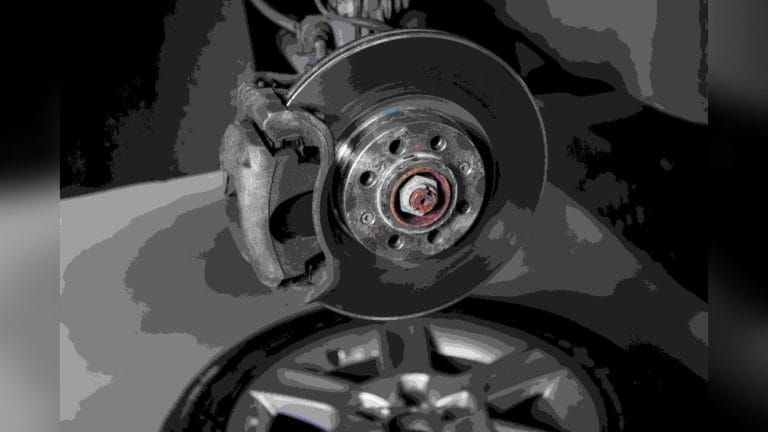
- Frozen brake caliper – A seized caliper can cause pedal hardness and also prevent the engine from cranking if the brake switch is stuck.
- Brake switch failure – The brake light switch can send a false signal, tricking the engine computer.
According to the National Highway Traffic Safety Administration (NHTSA), brake system failures contributed to roughly 2% of all vehicle-related crashes in the past decade. While that number is small, a sudden hard brake pedal can significantly increase stopping distance.
Warning: Never drive a vehicle with a hard brake pedal. Even if the engine starts, the stopping distance will be dramatically longer, and you risk a collision.
The Role of the Brake Booster in Starting and Braking
The brake booster is a canister-shaped part located between the brake pedal and the master cylinder. It uses vacuum from the engine intake manifold (or an electric pump) to multiply the force you apply to the pedal. When functioning correctly, you feel a soft, progressive pedal.
When it fails, the pedal becomes extremely hard, sometimes requiring both feet to press.
How does this affect starting? In many vehicles, the brake booster contains a reserve vacuum that lasts for one or two pedal presses after the engine stops. If that reserve is gone because of a leak, the pedal stays hard.
Some cars also have a safety interlock that prevents starting unless the brake pedal depresses far enough — a hard pedal may not trigger that switch.
| Symptom | Likely Cause | Action |
|---|---|---|
| Hard pedal, engine cranks but won’t start | Vacuum leak or failed booster | Check vacuum hose and check valve |
| Hard pedal, engine does not crank | Dead battery or brake switch issue | Test battery voltage and brake light switch |
| Pedal slowly sinks to floor | Internal booster leak or master cylinder failure | Inspect booster diaphragm and master cylinder |
Understanding this relationship helps you narrow down the root problem quickly. The table above gives you a fast reference for what symptom points to which component.
Tip: After the engine stalls, pump the brake pedal three or four times. If the pedal becomes progressively easier, the booster and check valve are likely fine — the issue is simply a loss of engine vacuum.
How a Vacuum Leak Affects Both Systems
A vacuum leak in the brake booster circuit can cause both a hard brake pedal and a no-start condition. Here’s why: the engine needs a precise air-fuel mixture to run. A large vacuum leak — like a torn booster hose — introduces extra unmetered air, leaning out the mixture.
This can prevent the engine from starting or cause it to stall immediately after starting.
At the same time, the brake booster relies on that same vacuum. With a leak, there is little to no vacuum available to assist the brakes, so the pedal feels hard. In many cars, you can hear a hissing sound from under the dash or near the booster when you press the brake pedal with the engine off.
- Cracked vacuum hose – Most common leak point. Inspect the rubber hose between the intake manifold and the brake booster.
- Loose or broken check valve – The valve should only allow air to exit the booster. If it’s stuck open, vacuum is lost immediately.
- Gasket failure at the booster – The O-ring or gasket between the booster and the firewall can leak.
- Intake manifold gasket leak – A leak elsewhere in the intake can still affect the booster if the vacuum line tees into a shared port.
According to data from the Car Care Council, vacuum leaks are one of the top five overlooked issues during routine maintenance. Mechanics often find that a simple hose replacement costing under $20 solves the problem.
Important: If you suspect a vacuum leak, use a smoke machine or a spray bottle with soapy water to locate the source. Never use flammable sprays near the engine while it’s hot.
Dead Battery or Low Voltage: Why Your Brakes Feel Hard
Many newer cars use an electric vacuum pump to maintain brake assist even when the engine is off. These pumps rely on a healthy 12-volt battery. If your battery is dead or severely discharged, the pump won’t operate, leaving you with a rock-hard pedal.
Additionally, low voltage can prevent the engine from cranking, creating the perfect storm of “car won’t start and brake is hard.”
The relationship between battery voltage and brake pedal feel is often overlooked. If your dashboard lights are dim, the headlights are weak, or you hear a clicking sound when turning the key, the battery is the prime suspect. Check the voltage with a multimeter — a healthy battery reads 12.6 volts or higher.
Anything below 12.2 volts is considered discharged.
| Battery Voltage | State of Charge | Likely Effect on Brakes |
|---|---|---|
| 12.6V+ | 100% | Brakes operate normally |
| 12.4–12.5V | 75% | Possible slow crank, brakes may still assist |
| 12.0–12.3V | 50% | Engine may not start; electric brake pump may fail |
| Below 12.0V | 25% or less | Hard brake pedal, no start, dim lights |
If your battery tests low, jump-start the car. In many cases, once the alternator recharges the battery, the electric vacuum pump will restore brake assist, and the pedal will soften. This is a quick fix, but you should also have the battery and charging system inspected to prevent recurrence.
Sticking Brake Caliper or Seized Brake Booster?
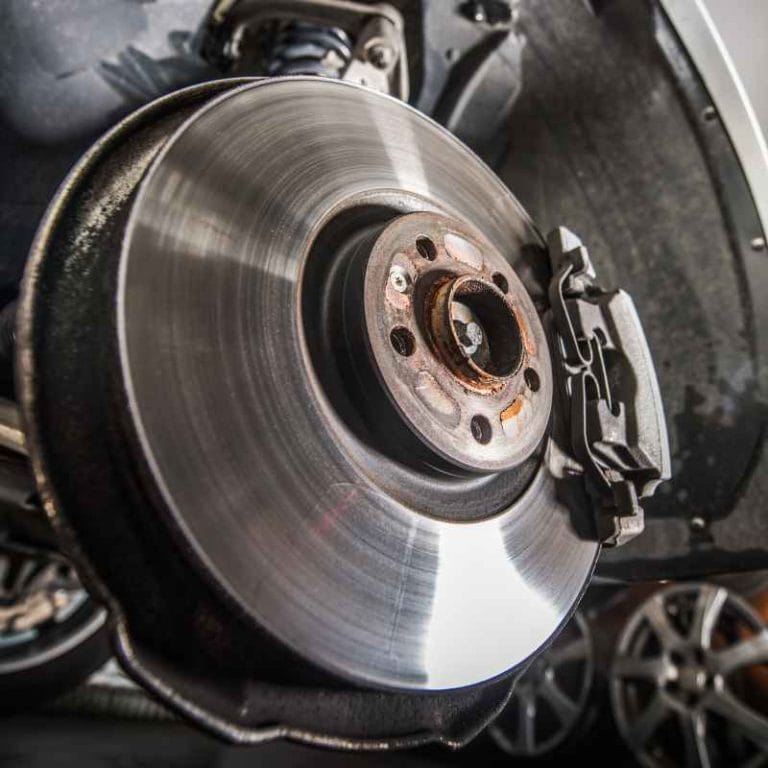
Less common but still possible is a mechanical binding in the braking system. A sticking brake caliper — where the piston does not retract fully — can put constant pressure on the brake pads, making the pedal feel hard even when the engine is off. In extreme cases, the drag from a seized caliper can drain the battery or prevent the engine from turning over because the transmission (in an automatic) is locked by the parking pawl mechanism.
A seized brake booster is rarer but can happen when the internal diaphragm tears or a pushrod binds. You may notice that the pedal feels hard before you even attempt to start the engine, and pumping it does not build any reserve vacuum.
- Check for brake drag – Jack up the car and spin each wheel by hand. A seized caliper will make the wheel very hard to turn.
- Listen for unusual noises – A grinding or squealing noise when moving the car (even rolling it in neutral) can indicate a stuck caliper.
- Look for heat damage – Touch the wheel hub gently after a short drive. Excessive heat from a stuck caliper can warp rotors.
- Test the booster by pressing the pedal with the engine off – A normal pedal should feel firm but not rock-hard. If it takes extreme force, suspect a seized booster.
Warning: A stuck caliper can overheat the brake fluid and cause a fire. If you notice a burning smell or smoke from a wheel, stop driving immediately and call for a tow.
How to Diagnose the Problem Step by Step
Before you replace any parts, run through this simple diagnostic sequence. It will help you identify whether the issue is the brake booster, the battery, or something else entirely.
- Check the brake pedal feel with the engine off – Press the pedal several times. Does it feel unusually stiff? Pump it 4–5 times. If it gets easier, the booster may be fine but low on reserve vacuum.
- Turn the key to the ON position (without starting) – Do the dashboard lights come on bright? If they are dim, the battery is low.
- Listen for the vacuum pump (if equipped) – In many cars, you will hear a whirring sound from under the hood when you first turn the key. No sound = possible electrical issue.
- Test the brake light switch – Press the brake pedal and look at the rear lights. If they don’t illuminate, the switch may be faulty, preventing the engine computer from allowing a start.
- Inspect the vacuum hose – Locate the hose running from the intake manifold to the brake booster. Look for cracks, splits, or disconnections.
- Check the check valve – Remove the valve from the booster (usually at the booster end) and blow through it. Air should only pass in one direction (toward the engine). If air flows both ways, replace it.
- Jump-start the car – If the battery is weak, jump-starting may restore brake assist. If the pedal softens after the engine runs, the battery is the culprit.
Tip: Keep a multimeter and a set of wrenches in your car. Checking battery voltage and brake booster connections can save you from expensive towing fees.
Common Mistakes to Avoid
Many DIYers and even some mechanics jump to conclusions when they see a hard brake pedal and a no-start. Avoid these errors to save time and money:
- Replacing the brake booster without checking the vacuum hose – A cracked $10 hose is often the real problem, not the $200+ booster.
- Assuming the battery is fine because the interior lights work – Interior lights can glow with as little as 9 volts, but the starter needs 10.5 volts minimum. Always measure with a multimeter.
- Ignoring the brake switch – A faulty switch can prevent the starter relay from engaging, even if the brake pedal is pressed hard enough.
- Spraying starting fluid into the intake to diagnose a leak – This is dangerous and can cause a backfire explosion. Use a smoke machine instead.
- Forcing the car into gear when the pedal is hard – On automatic transmissions, the brake must be depressed to shift out of Park. Forcing it can damage the shift interlock.
A study by the Automotive Maintenance and Repair Association found that nearly 30% of brake-related breakdowns are misdiagnosed by vehicle owners who skip basic checks. Taking 15 minutes to follow a logical diagnostic order can prevent unnecessary part replacements.
When to Call a Mechanic
If you’ve checked the battery voltage (12.6V+), inspected the vacuum hose for cracks, tested the check valve, and confirmed the brake switch works, but the car still won’t start and the brake is hard, it’s time to get professional help. Some issues require specialized tools or expertise:
- Internal booster failure – Requires removal of the booster, which often means disconnecting the master cylinder and brake lines. Air bleeding is necessary after installation.
- Electric vacuum pump failure – A failing pump can be intermittent; diagnosing it may require a scan tool to check pump activation.
- Engine computer or security system issue – Some vehicles have an immobilizer that prevents starting if the brake pedal is not sensed correctly. A mechanic can read fault codes.
- Hydraulic lock in the brake system – A clogged line or failed master cylinder can create backpressure, making the pedal hard even with good vacuum.
Important: If your car has an electronic parking brake, a hard pedal can also be caused by a failed actuator that does not release the brake. This is common on some European models. A professional diagnostic computer can confirm this.
Frequently Asked Questions
Can a bad brake booster cause a car not to start?
Yes, indirectly. A large vacuum leak from a ruptured booster diaphragm can cause an excessively lean air-fuel mixture, making the engine stall or fail to start. Also, if the brake booster is mechanically seized, it can prevent the brake pedal from fully depressing, which may block the starting circuit on vehicles with a brake pedal interlock.
Why is my brake pedal hard when my car is off?
This is normal because the vacuum assist disappears when the engine stops. However, if the pedal stays rock-hard even after several pumps, you may have a vacuum leak, a failed check valve, or a dead battery if your car uses an electric vacuum pump.
Will a dead battery make the brake pedal hard?
Yes. Many modern cars have an electric vacuum pump that provides brake assist when the engine is off. If the battery is dead or low, that pump cannot run, so the brake pedal becomes very hard.
This is especially common in hybrids and diesel vehicles.
How do I reset the brake booster after a no-start?
In most cars, simply starting the engine and letting it idle for a few seconds will restore vacuum to the booster, and the pedal will soften. If the engine won’t start, you can manually pump the brake pedal 10–15 times with the engine off to build a small amount of vacuum, but this is not a permanent fix.
Can I drive with a hard brake pedal?
No. Driving with a hard brake pedal is extremely dangerous because it requires significantly more force to stop the vehicle. Your stopping distance can increase by 50% or more.
Have the vehicle towed to a shop for inspection.
Final Thoughts
When your car won’t start and the brake is hard, the cause is usually a simple vacuum leak, a dead battery, or a faulty brake booster check valve. Start with the easiest checks — battery voltage and vacuum hose condition — before moving to more expensive components. By following the diagnostic steps outlined here, you can avoid unnecessary repairs and get your car running safely again.
Remember, if you’re ever in doubt, a professional inspection is always the best route for both your safety and your vehicle’s reliability. See also when do you bleed car brakes signs you shouldn’t ignore. See also how do car brake calipers work full breakdown explained.
Related pick: Check today's price on Amazon
Products related to this article
Sponsored / affiliate links. As an Amazon Associate I earn from qualifying purchases. I may earn additional commission from eligible campaigns.