What Does Car Brake Mean? Understanding Your Stopping System
What is the meaning of car brake? It’s a critical system designed to slow down or stop your vehicle safely. Understanding its components and how they function is essential for every driver to ensure road safety and prevent accidents.
This post will break down the fundamental aspects of your car’s braking system, explaining its purpose, key parts, and common issues.
Simply put, the meaning of car brake refers to the mechanism that converts the vehicle’s kinetic energy into heat through friction, thereby reducing its speed or bringing it to a complete stop. It’s a fundamental safety feature composed of various interconnected parts that work together to provide controlled deceleration.
Key Takeaways

Akebono
Akebono ACT1913 Proact Ultra Premium Ceramic Disc…
- Low Dust Rating
- Designed to meet original part specifications
- Exact fitment and original replacement
As an Amazon Associate I earn from qualifying purchases.
- The meaning of car brake is the system responsible for slowing down or stopping your vehicle safely by converting kinetic energy into heat.
- Key components include brake pads, rotors, calipers, master cylinder, brake fluid, and brake lines.
- Modern cars primarily use hydraulic braking systems, with anti-lock braking systems (ABS) enhancing control during emergency stops.
- Regular maintenance and checks are vital for ensuring the brake system’s effectiveness and preventing costly repairs.
- Understanding common brake issues can help you identify problems early and seek professional assistance.
What is the Meaning of Car Brake? The Core Function
At its heart, the meaning of car brake is about controlling motion. When you press the brake pedal, you initiate a chain reaction. This reaction utilizes friction to dissipate the car’s forward momentum.
Without a functioning brake system, a vehicle would simply continue moving until external forces, like friction with the road or air resistance, gradually brought it to a halt. This process is far too slow and unpredictable for safe driving.
The primary goal of any braking system is to provide reliable stopping power under various conditions. This includes not only everyday driving but also emergency situations where rapid deceleration is paramount. The engineering behind car brakes aims to balance stopping power with control, ensuring the driver can manage the vehicle effectively even during sudden stops.
The energy transformation is key here: kinetic energy (the energy of motion) is converted into thermal energy (heat) through the friction between stationary and moving parts. This heat is then dissipated into the surrounding air. The effectiveness of this process depends heavily on the condition and design of each individual component within the system.
- Converts kinetic energy into heat.
- Provides controlled deceleration.
- Ensures driver safety and vehicle control.
- Responds to driver input via the brake pedal.
- Must perform reliably in various weather conditions.
- Requires regular inspection and maintenance.
How Does a Car Brake System Work? The Hydraulic Principle
Most modern cars employ a hydraulic braking system. This system uses a fluid to transmit force from the brake pedal to the brakes at each wheel. When you press the brake pedal, it pushes a piston inside the master cylinder.
This action pressurizes the brake fluid, which is then forced through brake lines to the individual wheel brakes.
At the wheels, the pressurized fluid acts on pistons within the brake calipers (for disc brakes) or wheel cylinders (for drum brakes). These pistons then push brake pads against a rotor or brake shoes against a drum. This creates the friction necessary to slow down or stop the car.
The principle is simple: a small force applied to the brake pedal generates a much larger force at the wheels due to hydraulics, which is Pascal’s principle in action.
The brake fluid is crucial because it is practically incompressible. This means that when pressure is applied, the fluid transmits that force almost instantaneously and without significant loss. The integrity of the brake lines and the quality of the brake fluid are therefore paramount to the system’s responsiveness and effectiveness.
Leaks or air in the system can severely compromise its performance.
Components of a Hydraulic Brake System
- Master Cylinder: The heart of the hydraulic system, converting pedal force into hydraulic pressure.
- Brake Fluid: The incompressible medium that transmits pressure.
- Brake Lines/Hoses: Tubing that carries the brake fluid from the master cylinder to the wheels.
- Brake Calipers (Disc Brakes): House the pistons that clamp the brake pads onto the rotor.
- Brake Pads (Disc Brakes): Friction material that presses against the rotor.
- Brake Rotors (Disc Brakes): The spinning disc that the pads clamp onto.
- Wheel Cylinders (Drum Brakes): Push brake shoes outward against the drum.
- Brake Shoes (Drum Brakes): Friction material that presses against the drum.
- Brake Drums (Drum Brakes): The rotating drum at the wheel.
Understanding the Key Components in Detail
To truly grasp the meaning of car brake, it’s important to understand the role of each major component. The brake pedal is your interface, translating your physical effort into mechanical action. Behind it, the master cylinder is where the magic of hydraulic amplification begins.
This is typically a dual-circuit system for safety, meaning if one circuit fails, the other can still provide some braking power.
Brake fluid, often a DOT 3, 4, or 5.1 type, is specially formulated to withstand high temperatures and resist absorbing moisture, which can lead to corrosion and reduced performance. Brake lines are robust metal tubes, while flexible brake hoses are used at the wheels to allow for suspension movement. The choice between disc and drum brakes at each wheel influences the specific components involved, though disc brakes are more common on the front wheels due to their superior heat dissipation and stopping power.
Disc brakes offer better performance and are easier to maintain. The rotor is a metal disc that rotates with the wheel. When you brake, the caliper squeezes the brake pads against the rotor, creating friction.
Drum brakes, often found on rear wheels of older or less expensive vehicles, involve brake shoes that press outward against the inside of a rotating drum.
Disc Brake System Breakdown
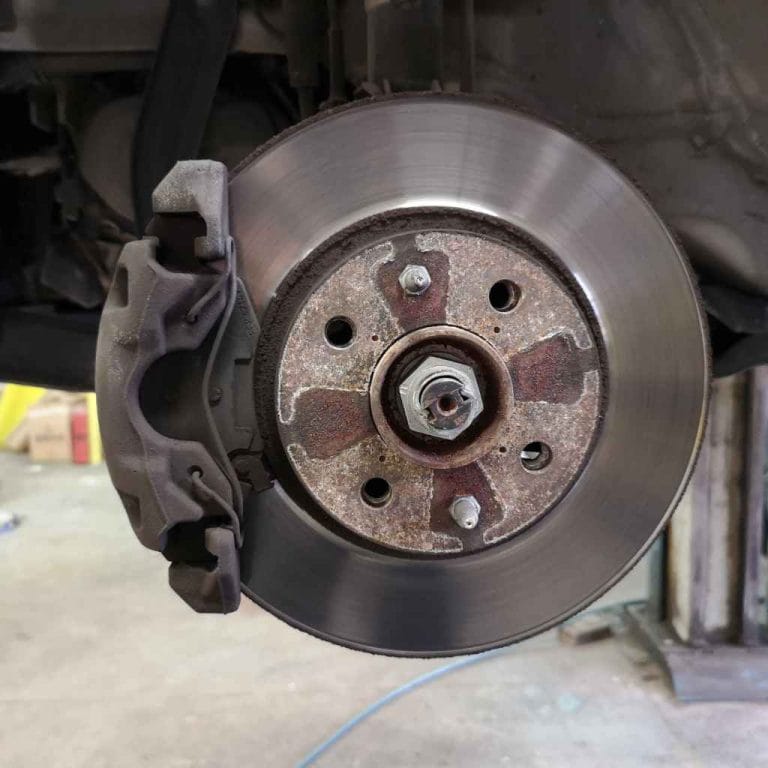
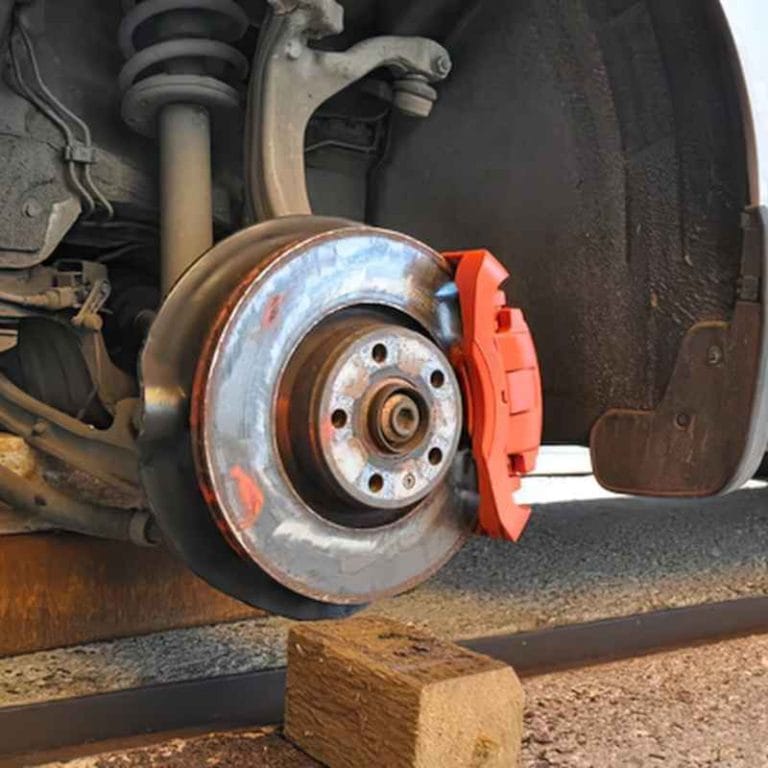
Disc brakes are the dominant technology in modern vehicles due to their superior effectiveness. They consist of a rotor, a caliper, and brake pads. The rotor is a metal disc, usually made of iron or steel, that spins with the wheel hub.
The caliper is a housing that straddles the rotor and contains one or more pistons.
When the brake pedal is pressed, hydraulic pressure forces the pistons in the caliper to extend. These pistons push the brake pads, which are made of a high-friction material, firmly against the spinning rotor. This intense friction generates heat and slows the rotor, and thus the wheel, down.
The caliper assembly also typically contains a mechanism to retract the pads slightly when the brake is released, preventing drag.
Disc brakes are known for their excellent heat dissipation capabilities, which is crucial for preventing brake fade – a dangerous situation where brakes become less effective due to overheating. They also tend to perform better in wet conditions compared to drum brakes.
| Disc Brake Component | Function | Material |
|---|---|---|
| Brake Rotor | Surface for friction with brake pads | Cast iron, steel, carbon-ceramic |
| Brake Pads | Apply friction to the rotor | Composite materials (organic, semi-metallic, ceramic) |
| Brake Caliper | Houses pistons and clamps pads onto rotor | Cast iron, aluminum |
This table illustrates the key components of a disc brake system and their typical materials, highlighting their role in generating stopping power.
Drum Brake System Explained
Drum brakes, though less common as primary brakes on modern cars, are still found on the rear wheels of some vehicles and are prevalent in heavy-duty applications. They operate on a different principle. A brake drum is a hollow, cup-shaped component that rotates with the wheel.
Inside the drum, two curved brake shoes are positioned.
When the brake pedal is depressed, hydraulic pressure acts on pistons within a wheel cylinder. These pistons push the brake shoes outwards, forcing them to press against the inner surface of the rotating brake drum. The friction generated between the shoes and the drum slows down the wheel and the vehicle.
A spring mechanism pulls the shoes back away from the drum when the brake pedal is released.
Drum brakes can be effective but are more prone to heat buildup and fade than disc brakes. They are also more susceptible to performance degradation when wet, as water can get trapped inside the drum assembly. However, they are often simpler and cheaper to manufacture.
What is Anti-Lock Braking System (ABS)?
The meaning of car brake is further enhanced by advanced safety systems like the Anti-lock Braking System (ABS). ABS is designed to prevent the wheels from locking up during hard braking. When a wheel locks, it stops rotating and starts skidding, which significantly reduces steering control and increases stopping distances, especially on slippery surfaces.
ABS works by monitoring the speed of each wheel. If it detects that a wheel is about to lock up (i.e., its speed is dropping much faster than others), it momentarily releases the brake pressure on that specific wheel. It then re-applies the pressure, often in a rapid pulsing action, allowing the wheel to regain traction and continue rotating.
This pulsing can be felt as a vibration or pulsation in the brake pedal.
The primary benefit of ABS is maintaining steering control during emergency braking. Even if the brakes are fully applied, the driver can still steer around obstacles. This capability is crucial for avoiding accidents in sudden, high-stress situations.
ABS does not necessarily shorten stopping distances on dry, predictable surfaces, but its ability to preserve steering control is invaluable.
How ABS Improves Braking Control
- Prevents Wheel Lock-up: The core function of ABS is to stop wheels from locking during heavy braking.
- Maintains Steering Ability: By keeping wheels rotating, ABS allows the driver to steer around hazards.
- Optimizes Stopping Distance: While not always shorter, it ensures a more controlled stop, especially on varied surfaces.
- Works with Other Systems: ABS is a foundational technology that integrates with Electronic Stability Control (ESC) and Traction Control Systems (TCS).
- Provides Pedal Feedback: The pulsating sensation in the brake pedal is normal and indicates the system is actively working.
- Sensors and Modulator: Relies on wheel speed sensors and a hydraulic modulator to control brake pressure individually for each wheel.
According to the U.S. National Highway Traffic Safety Administration (NHTSA), vehicles equipped with ABS are involved in fewer fatal crashes than those without it, highlighting its significant safety contribution.
Common Brake Problems and What They Mean
Understanding common issues associated with car brakes is vital for knowing when to seek professional help. These problems can range from minor annoyances to serious safety hazards. Recognizing the signs can prevent further damage and ensure your vehicle remains safe to drive.
One of the most common indicators is a squealing or grinding noise when braking. Squealing usually means the brake pads are worn down to their wear indicators. Grinding is a more serious sound, suggesting that the pad material has completely worn away, and the metal backing plate is now grinding against the rotor, potentially causing significant damage.
Another sign is a spongy or soft brake pedal. This often indicates air in the brake lines or a leak in the hydraulic system. If the pedal feels mushy, it’s not transmitting full hydraulic pressure, meaning your braking power is reduced.
A car pulling to one side when braking can also signal a problem, such as a stuck caliper or uneven wear on the brake pads or rotors.
Warning Signs of Brake Issues
- Squealing or Grinding Noises: Indicates worn brake pads or rotor damage.
- Spongy or Soft Brake Pedal: Suggests air in the brake lines or a hydraulic leak.
- Vehicle Pulling to One Side: May be due to uneven brake pad wear or a caliper issue.
- Vibrating Brake Pedal: Often caused by warped brake rotors.
- Brake Warning Light Illuminated: Signals a potential issue with the ABS system or a significant drop in brake fluid level.
- Increased Stopping Distance: A clear sign that the brakes are not performing at full capacity.
What Does “Brake Fade” Mean?
Brake fade is a condition where the braking system’s effectiveness is significantly reduced, especially during prolonged or heavy braking. It’s a common concern with performance driving or driving down steep grades. The meaning of brake fade is essentially a loss of stopping power due to overheating.
When brakes are applied repeatedly or for an extended period, the friction materials (pads and rotors) generate a lot of heat. If this heat cannot dissipate fast enough, the temperature of the components rises dramatically. At extremely high temperatures, the brake fluid can boil, creating vapor pockets within the hydraulic lines.
Since vapor is compressible, it can no longer effectively transmit the hydraulic pressure, leading to a soft pedal and reduced braking force.
In disc brake systems, the friction material itself can also degrade at high temperatures, becoming glazed or losing its grip. This is known as pad material fade. Both phenomena result in a dangerous reduction in the car’s ability to stop.
Preventing and Managing Brake Fade
- Use Lower Gears on Descents: Engine braking helps slow the vehicle, reducing reliance on the brakes.
- Pulsate Brakes: Instead of holding the pedal down continuously on long descents, release and reapply pressure intermittently.
- Ensure Proper Cooling: Vehicles with performance brakes often have improved cooling ducts to direct air to the rotors.
- Use High-Quality Brake Fluid: Ensure your brake fluid has a high boiling point (e.g., DOT 4 or DOT 5.1).
- Upgrade Brake Components: For performance vehicles or heavy towing, consider high-performance pads, rotors, and fluid.
- Regular Maintenance: Ensure brake components are in good condition and not worn beyond their limits.
Brake Maintenance and Longevity
The meaning of car brake extends to its lifespan and maintenance needs. Like any complex system, your brakes require regular attention to function optimally. Understanding typical wear patterns and recommended service intervals is key to ensuring longevity and preventing premature failure.
Brake pads are wear items and will need replacement periodically. The lifespan of brake pads varies greatly depending on driving habits, the type of pads used, and driving conditions (e.g., frequent stop-and-go traffic wears them out faster). A general guideline is that front brake pads might last between 25,000 to 70,000 miles, while rear pads can last longer.
Rotors are designed to last longer than pads but can also wear down or become warped over time. They can often be resurfaced (machined smooth) once or twice before needing replacement. Brake fluid should be flushed and replaced according to the manufacturer’s recommendations, typically every two to three years, as it absorbs moisture over time, reducing its boiling point and potentially causing corrosion.
Typical Maintenance Schedule and Costs
A proactive approach to brake maintenance can save you money and enhance safety. Most manufacturers recommend having your brakes inspected with every oil change. This allows for early detection of potential issues.
A full brake service might include inspecting pads, rotors, calipers, lines, and fluid. Replacement of worn brake pads typically costs between $150 to $300 per axle, depending on the vehicle and parts used. Rotor replacement or resurfacing can add another $100 to $200 per axle.
A complete brake fluid flush and refill usually ranges from $80 to $150.
Data from AAA shows that the average cost of brake replacement for a typical sedan can range from $400 to $600 for both front and rear brakes, including parts and labor. However, these costs can vary significantly based on the make and model of your car. For instance, luxury or high-performance vehicles often have more complex and expensive braking systems.
| Brake Service Type | Typical Cost Range (per axle/service) | Frequency Recommendation |
|---|---|---|
| Brake Pad Replacement | $150 – $300 | When worn, inspect every 6 months/5,000 miles |
| Rotor Resurfacing/Replacement | $100 – $200 (Resurface) / $200 – $400+ (Replace) | When worn or warped, inspect with pads |
| Brake Fluid Flush | $80 – $150 | Every 2-3 years |
| Full Brake Inspection | $0 – $50 (often free with other service) | With every oil change |
This table provides a general overview of brake service costs and recommended intervals, emphasizing the importance of regular checks to maintain braking system integrity.
Frequently Asked Questions
What is the primary meaning of car brake?
The primary meaning of car brake is the system that allows a vehicle to slow down or stop by converting its kinetic energy into heat through friction. It’s a fundamental safety feature essential for controlling vehicle speed and preventing accidents.
Are all car brakes hydraulic?
While most modern passenger vehicles use hydraulic braking systems, some very old or specialized vehicles might use mechanical or air brakes. However, for everyday cars, hydraulic is the standard due to its efficiency and reliability in transmitting force.
How often should I get my brakes checked?
It’s recommended to have your brakes inspected at least once a year or every 6 months, and certainly with every oil change. Many manufacturers also recommend specific intervals for brake fluid flushes, typically every 2-3 years.
What causes a car brake pedal to feel soft?
A soft or spongy brake pedal usually indicates that air has entered the hydraulic brake system, or there’s a leak in the brake lines or master cylinder. This reduces the pressure transmitted to the brakes, significantly diminishing stopping power.
Can I replace brake pads myself?
Yes, if you have mechanical aptitude and the right tools, replacing brake pads can be a DIY task. However, it’s crucial to follow proper procedures and ensure all components are correctly reassembled. If you’re unsure, it’s always safer to have a qualified mechanic perform the service.
Final Thoughts
Understanding the meaning of car brake goes beyond simply knowing what stops your car. It involves appreciating the intricate engineering, the critical components, and the vital maintenance required to keep this life-saving system functioning optimally. Regularly inspecting and maintaining your brakes is not just about prolonging their life but, more importantly, about ensuring your safety and the safety of others on the road.
Don’t hesitate to consult a professional if you notice any signs of wear or unusual performance. See also how to fix car brake squeal fast without replacing pads. See also how to get car brakes unlocked safely step-by-step fix .
Related pick: Check today's price on Amazon One habit that keeps your stopping system ready is covering the brake — see the covering-the-brake technique for how and when to use it.