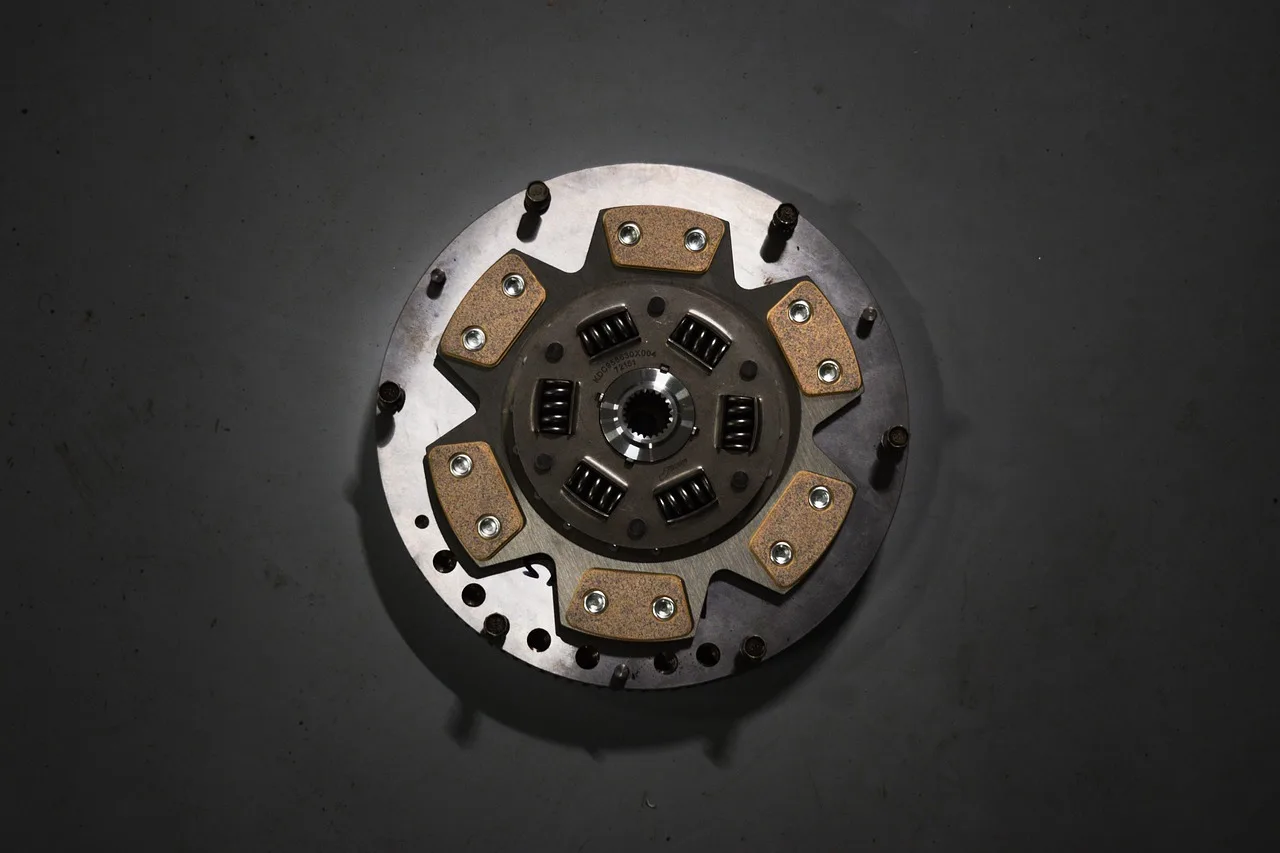
What Causes a Spongy Clutch Pedal?
A spongy clutch pedal usually comes from air in the hydraulic circuit, low fluid, a leaking master or slave cylinder, or a binding pedal pivot. Check fluid level and leaks first, then bleed the system. Ignoring it can leave you unable to disengage the clutch cleanly, which leads to hard shifts and extra wear. This guide shows how to trace the hydraulic chain and separate air, cylinder wear, and pedal-mechanism faults.
What a spongy clutch pedal means


A spongy clutch pedal feels soft, mushy, or vague under your foot. The clutch may take up late, the pedal may offer less resistance than normal, or it may sink closer to the floor before the clutch disengages. That is different from a hard pedal and different again from a pedal that stays down or returns slowly.
How it differs from a sticking pedal
A spongy pedal moves too easily or loses pressure. A sticking pedal usually hangs up, returns slowly, or stays near the floor after you release it. Those are separate faults. A sticky feel points more toward pedal pivot wear, a return problem, or a hydraulic issue that keeps the pedal from coming back cleanly.
Why is my clutch spongy?
The most common reasons are air in the clutch hydraulic system, low clutch fluid, contaminated fluid, or wear inside the master or slave cylinder. Because the system is a closed fluid circuit, any air pocket changes pedal feel. Fluid loss changes it too, and internal seal wear can make the pedal go soft even when the reservoir still looks full.
Clutch hydraulic path explained
Manual transmissions use a pedal, clutch master cylinder, hydraulic line, and clutch slave cylinder. The clutch master cylinder is the pump in that circuit. It pushes fluid to the clutch slave cylinder, which moves the clutch release mechanism. Fluid does the work because it is hard to compress. Air is easy to compress, so trapped air can cause a soft, springy pedal and weak clutch release.
Air often enters after clutch service, hose replacement, or a reservoir that ran low enough to draw in air. That is why a post-service spongy pedal is common. The system needs bleeding to clear the trapped air pocket. If the pedal improves after bleeding and stays improved, the fault was likely air intrusion rather than a worn cylinder.
A soft pedal with a reservoir that keeps dropping can point to a leak at the master cylinder, slave cylinder, line, or fittings. It can mean a leak at the master cylinder, slave cylinder, line, or fittings. Dirty or dark fluid can point to moisture absorption over time, seal wear, or neglected service. Fluid condition matters because contamination can damage seals and make the hydraulic system less consistent.
Say your pedal felt normal yesterday, but after a clutch hose replacement it now takes an extra inch of travel before it disengages. That pattern fits air introduced during service more than a mechanical pedal fault. A bleed may restore the feel, provided the system is not losing fluid.
Why fluid loss matters
Fluid loss lowers the pressure available to move the slave cylinder. On a manual gearbox, that can show up as difficulty engaging gears, grind during shifting, or a car that creeps with the pedal down. In severe failure, you may lose usable gears because the clutch no longer releases far enough.
Master cylinder failure signs
A failing clutch master cylinder can cause a mushy or spongy pedal, and a more severe fault can let the pedal sink to the floor. The master cylinder is a hydraulic pump, so seal wear or internal leakage lets fluid bypass the piston instead of building pressure. That creates an abnormal pedal even if the outside of the system looks dry.
How to tell if the master cylinder is failing
Press the pedal and hold steady pressure. If the pedal slowly sinks without any obvious external leak, the master cylinder is a likely suspect. If pumping the pedal briefly improves the feel but the problem returns, that also points toward an internal leak or air in the system. A bad master cylinder can make shifting difficult because the clutch does not fully disengage.
Look at the reservoir and the area around the master cylinder pushrod. Low or dirty fluid supports the diagnosis, but a full reservoir does not clear the master. Internal seal wear can bypass fluid inside the cylinder body, so the system loses pressure without leaving a puddle on the floor.
When the master cylinder is the likely fault
Suspect the master cylinder when the pedal sinks during a hold test, the pedal feel changes after repeated pumping, and the slave cylinder shows no obvious leak. This is a manual transmission only issue; the part exists to operate the clutch hydraulic system, not the engine or gearbox itself.
Can the slave cylinder cause it?
Yes. The slave cylinder receives hydraulic pressure from the master cylinder, and leakage there can lower fluid level, soften the pedal, and create shifting problems. A wet slave cylinder, damp dust boot, or fluid around the bellhousing area is a clue. If the slave cannot hold pressure, the pedal may feel weak even after a proper bleed.
What to look for at the slave cylinder
Check for staining on the housing, wetness at the pushrod, or fluid on the transmission case. An external leak may be small at first, then worsen under pedal pressure. If the reservoir keeps dropping after a bleed, the slave cylinder is one of the first places to inspect.
A common first-timer mistake is to bleed the system, get a short-lived pedal improvement, and stop there. If the slave cylinder is leaking, the pedal will usually go soft again because the system keeps losing fluid. Bleeding can hide the symptom for a while, but it does not stop the leak.
Clutch pedal diagnostic table
This decision table separates pedal feel faults from hydraulic leaks and post-service air. Use the symptom you can see or feel first, then follow the quickest driveway check before deciding on the next repair step.
| Symptom | Likely cause | Quick driveway check | Next repair step |
|---|---|---|---|
| Soft, mushy pedal after recent clutch work | Air in the clutch line | Pump the pedal several times. If it firms up briefly, air is likely in the system. | Bleed the clutch hydraulic system again and inspect for the source of air. |
| Pedal feel is soft and the reservoir is low | Low clutch fluid | Check the reservoir level and inspect for damp fittings, line seepage, or cylinder wetness. | Repair the leak, refill with the correct fluid, then bleed the system. |
| Pedal sinks while you hold steady pressure | Master cylinder internal leak | Hold the pedal down for about 20 to 30 seconds and watch for a slow sink with no visible external drip. | Replace the clutch master cylinder and bleed the hydraulic circuit. |
| Soft pedal with wetness near the transmission side | Slave cylinder leak | Look around the slave body, dust boot, and bellhousing area for fluid staining. | Replace the slave cylinder, refill, and bleed the system. |
| Pedal feels inconsistent and fluid looks dark or dirty | Contaminated clutch fluid | Check reservoir color and for sediment or dark discoloration. | Flush the fluid, inspect seals, and bleed until the pedal feel stabilizes. |
| Pedal stays near the floor or returns slowly | Pedal pivot fault or hydraulic sticking | With the engine off, move the pedal by hand and feel for mechanical binding or slow return. | Inspect the pedal assembly, return spring, and master cylinder pushrod area. |
| Soft pedal plus hard gear engagement or grind | Air, fluid loss, or cylinder failure reducing clutch release | Try selecting reverse or first with the engine idling and the pedal fully down. | Do not keep driving; diagnose the hydraulic source and repair before further use. |
Should you bleed the clutch now?
Bleeding helps when the problem is air in the clutch hydraulic system. It can also help after a service event or after a reservoir run-dry event. But if the pedal sinks, the fluid level keeps dropping, or the problem returns quickly, bleeding is usually only a temporary fix because a cylinder or line is still leaking.
When bleeding is the right first repair
Bleed the system when the pedal is spongy after hose work, slave replacement, master replacement, or any repair that opened the hydraulic circuit. The air-in-line symptom often shows up as a pedal that firms after pumping and then goes soft again. That is the classic compressible-air problem, and bleeding is the correct next step.
When bleeding is not enough
If the pedal sinks to the floor, the reservoir keeps dropping, or fluid appears at the master or slave cylinder, treat the bleed as diagnostic rather than final repair. Direct Brakes describes a soft pedal as a hydraulic failure, says the most common cause is air in the brake lines, and recommends not driving with a soft pedal. The clutch path is different, but the hydraulic principle is the same.
Halford’s says a soft brake pedal may indicate air in the brake lines. For a clutch, the same logic applies to trapped air in the hydraulic circuit. A bleed can restore pressure only if the system can still hold fluid. If it cannot, replace the failed part first.
Picture a car that shifts fine after a clutch bleed on Monday, then feels spongy again by Wednesday and leaves a wet spot under the transmission. That is not a “needs another bleed” pattern. It points to a leak that is returning air to the system.
Frequently asked questions
What causes a spongy clutch pedal?
The usual causes are air in the hydraulic line, low fluid, a leaking clutch master cylinder, a leaking slave cylinder, contaminated fluid, or a pedal-side binding fault. Start with the reservoir and visible leaks. If the pedal improves when pumped, air or internal bypass is more likely than a purely mechanical issue.
What does a spongy clutch feel like?
A spongy clutch feels soft, low in resistance, or vague as you press it. The clutch may engage late, the pedal may travel farther than normal, or it may sink toward the floor before the clutch releases cleanly. That feel is different from a pedal that sticks down or returns slowly.
Can air in the clutch line cause shifting problems?
Yes. Air compresses, so the slave cylinder may not move far enough to release the clutch fully. That can make first gear, reverse, and low-speed shifts difficult or noisy. In a severe case, the car may creep with the pedal down or refuse to select gears cleanly.
Is a spongy clutch pedal dangerous to drive with?
It can be. The same source recommends not driving with a soft pedal, and that caution fits a clutch too because poor release can cause missed shifts, gear grind, or sudden loss of usable gears. If the pedal sinks, the level drops, or shifting gets worse, keep the car out of service until repaired.
How do I tell if the clutch master cylinder is failing?
Look for a pedal that sinks during a steady hold, improves briefly after pumping, or feels mushy without an obvious external leak. The clutch master cylinder is the hydraulic pump, so internal seal wear and bypass leakage are common failure modes. If shifting gets difficult at the same time, the master cylinder moves higher on the list.
When should I bleed the clutch hydraulic system?
Bleed it after any repair that opened the hydraulic circuit, after a reservoir run-dry event, or when the pedal feels spongy but there is no clear sign of external leakage. If the pedal sinks, the reservoir keeps dropping, or the feel returns quickly after bleeding, inspect the master and slave cylinders before driving further.
Products related to this article
Sponsored / affiliate links. As an Amazon Associate I earn from qualifying purchases. I may earn additional commission from eligible campaigns.
 Mityvac MV7840 Hydraulic Brake and Clutch Pressure Brake Bleeding Kit, Air-Operated, 2.5 Quart Reservoir, MVA575 Flex Hose with Control Valve/Wand, Isolated Flow Control, Master Cylinder Adapter Kit
 Autoexact AC Compressor for Car, Air Conditioner Compressor w/Clutch for Chevy Silverado 1500/GMC Sierra 1500 2014-2019, Silverado 2500 2014-2017, for 2015-2020 Chevy Suburban/Tahoe/GMC Yukon XL