What is the Purpose of Pedal in Piano: Unlocking Expressive Sound
The sound of a piano can be as soft as a whisper or as grand as a thunderstorm. Many people think this magic comes only from the pianist’s fingers, but there’s another secret: the pedals. These simple-looking levers under the piano hold the power to change the music’s mood, color, and feeling. If you’ve ever wondered why pianists use their feet while playing, or what those pedals really do, you’re not alone. The purpose of pedals in a piano is a fascinating topic that opens up a new world for beginners and experienced players alike.
Let’s take a deep look at how piano pedals work, what each one does, and why they matter so much in music. We’ll also explore some clever ways pianists use pedals, share a few surprising facts, and clear up some common misunderstandings.
By the end, you’ll listen to piano music with new ears.
The Basics: What Are Piano Pedals?
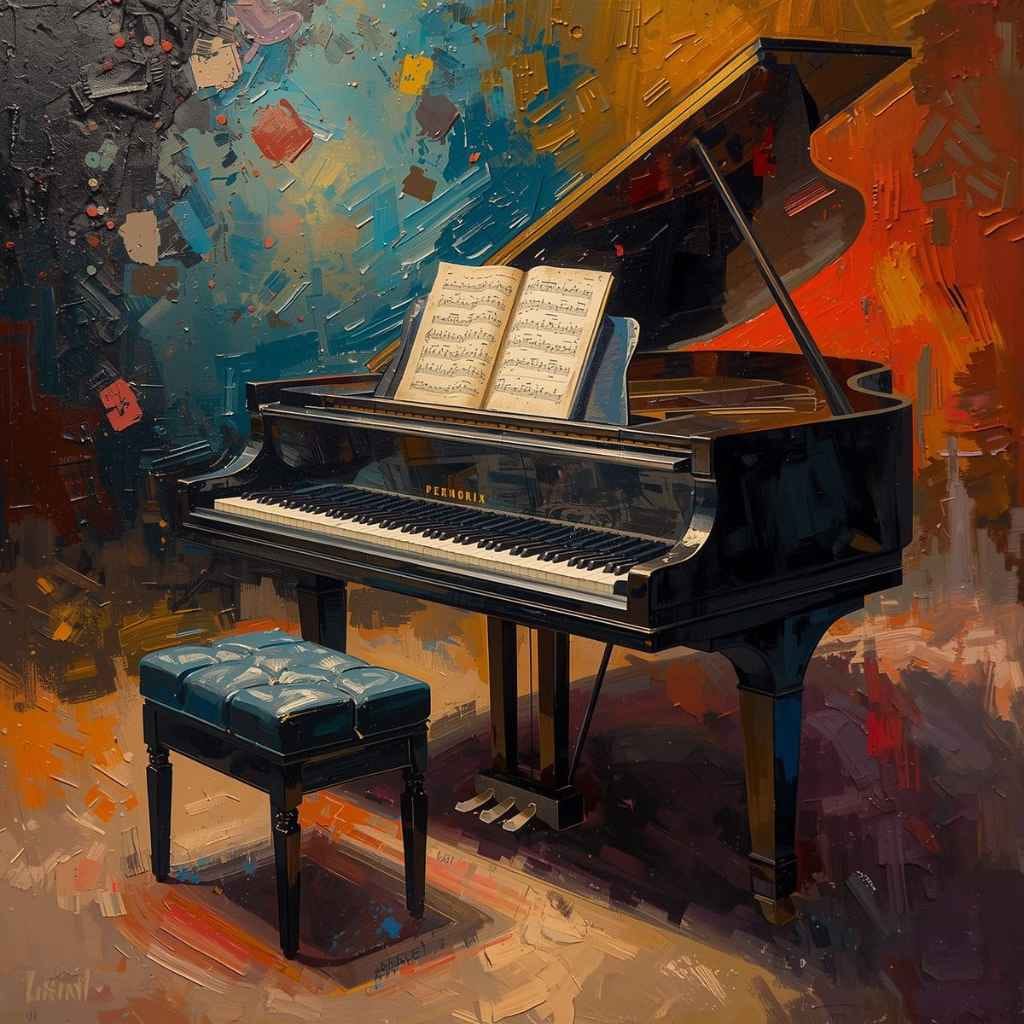
Piano pedals are foot-operated levers located under the piano. Most modern pianos have three pedals, but some older or smaller pianos might have two, or even just one. Each pedal affects the sound in a unique way. The three standard pedals (from left to right) are:
- Soft pedal (Una Corda)
- Sostenuto pedal
- Sustain pedal (Damper pedal)
The pedals are not just for professional players. Even beginners use them, and understanding their purpose helps you play and listen to the piano in a deeper way.
Why Do Pianos Have Pedals?
The main purpose of pedals is to change the sound of the piano in real time. Unlike many other instruments, the piano has a fixed sound when you press a key. Pedals let you:
- Make notes linger or fade quickly
- Change the volume and tone
- Add emotion or expression to the music
- Connect notes smoothly (called legato)
- Create special effects
Imagine reading a story without punctuation—every sentence would feel the same. Pedals are like punctuation marks for music. They help shape the meaning and feeling behind every note.
The Three Main Piano Pedals
Let’s look closely at each pedal, what it does, and when pianists use it.
1. Sustain Pedal (damper Pedal)
The sustain pedal is the rightmost pedal—the one almost every pianist uses most. When you press this pedal, it lifts all the dampers inside the piano. Dampers are small felt pieces that stop the strings from vibrating when you let go of a key. With the dampers lifted, the strings keep ringing, even after your fingers leave the keys.
Key effects of the sustain pedal:
- Notes blend together and sustain longer
- Chords sound fuller and more resonant
- Allows for legato (smooth connection) across different keys
When is it used?
Almost every piano piece uses the sustain pedal. It’s essential for romantic, expressive music and helps beginners play smoother. Without it, piano music can sound dry and disconnected.
Interesting fact:
Using the sustain pedal makes all the strings vibrate, not just the ones you play. This causes sympathetic resonance—other strings vibrate in harmony, creating a richer sound. This is why a big chord can fill the room with color.
2. Soft Pedal (una Corda)
The soft pedal is on the left. On grand pianos, pressing it shifts the keyboard and hammers slightly to the right. This means the hammers hit fewer strings (usually from three down to two), making the sound softer and a bit more muffled.
On upright pianos, the soft pedal moves the hammers closer to the strings, so they strike with less force. The result is similar—quieter sound and a different tone.
Key effects of the soft pedal:
- Reduces volume without losing musical quality
- Changes the color of the sound (more gentle, sometimes dreamy)
- Useful for quiet passages or intimate moments in music
When is it used?
Composers often write “una corda” (Italian for “one string”) in music to signal use of this pedal. It’s popular in classical, impressionist, and some jazz pieces.
Non-obvious insight:
The soft pedal isn’t just about playing quietly. It actually changes the timbre (tone color) of the notes. Professional pianists use it for special effects, not just soft dynamics.
3. Sostenuto Pedal
The sostenuto pedal is the middle pedal and is less common in beginner music. When you press and hold this pedal, only the notes you are holding at that moment will sustain. Other notes played afterwards will not be affected—they will sound normally, stopping when you release them.
Key effects of the sostenuto pedal:
- Sustains selected notes or chords while playing other notes normally
- Allows for layered textures—one set of notes can ring while others play staccato (short)
- Useful in advanced classical and contemporary pieces
When is it used?
The sostenuto pedal is rarely used in early piano lessons but becomes important in complex music, especially with overlapping melodies or when a composer wants one note to keep ringing under many others.
Practical example:
In Debussy’s “Clair de Lune,” the sostenuto pedal can hold a low note while the right hand plays a melody. This creates a dreamy, floating effect.
Non-obvious insight:
Many digital or upright pianos do not have a true sostenuto pedal. Sometimes, the middle pedal acts as a practice pedal (making all notes quieter) instead.
A Brief History Of Piano Pedals
Understanding the history of piano pedals helps us see why they matter so much. Early pianos in the 1700s had no pedals at all. Instead, players changed the sound by using their hands or knees to move levers. As music became more expressive, inventors added foot pedals to make sound changes easier and faster.
Timeline of pedal development:
- Early 1700s: No pedals; sound changed by hand or knee levers
- Late 1700s: First foot pedals appear, often two or more
- 1800s: Three-pedal system becomes standard on grand pianos
- Today: Most modern pianos have three pedals, but some still use two
Fun fact:
Some old pianos had up to six pedals, each for a different effect! Over time, builders kept only the most useful ones.
How Pedals Affect Piano Sound
Let’s see how each pedal changes the mechanics and sound of the piano. This helps you understand what’s happening inside when you step on a pedal.
| Pedal | Action Inside Piano | Main Sound Effect |
|---|---|---|
| Sustain (Damper) | Lifts all dampers off strings | Notes keep ringing, richer sound |
| Soft (Una Corda) | Shifts hammers or moves closer | Softer, warmer, less bright |
| Sostenuto | Lifts dampers only for held notes | Selective sustain, layered sound |
Why does this matter?
Knowing what’s happening inside the piano helps you use pedals more wisely. For example, overusing the sustain pedal can make music sound messy because too many notes blend together. Skilled pianists learn to lift and press the pedal at just the right moment—a technique called pedal timing.
Pedal Techniques: How Pianists Use Pedals
Pedaling is not just about pressing down and letting go. There are special techniques pianists use, each creating a different musical effect.
Half-pedaling
Half-pedaling is when the sustain pedal is pressed only partway down. This lets some dampers touch the strings lightly, so notes are sustained, but not as long or as fully as with full pedaling. Advanced players use half-pedaling to:
- Control how much the notes blend together
- Avoid a muddy sound when playing fast or with lots of notes
- Add subtle color changes
Tip:
Digital pianos with good pedal sensors can also recognize half-pedaling, but not all models do.
Syncopated Pedaling
This technique is common in romantic music. The pianist presses the sustain pedal after playing a note, then quickly lifts and represses it as the next note is played. This connects notes smoothly but keeps the sound clean.
Changing Pedal Frequently
In some pieces, the pianist changes the pedal very often—sometimes every note or chord. This keeps the music bright, especially in fast or complex passages.
Pedal Release
Letting go of the pedal at the right time is as important as pressing it. If you keep the pedal down too long, the music can sound messy. If you release too early, the sound can be dry and disconnected.
Pedal Markings In Music Notation
Composers write pedal instructions in the music. Look for:
- Ped. – means press the pedal
- * – means release the pedal
- Una corda – use soft pedal
- Sost. Ped. – use sostenuto pedal
Some modern scores use lines below the staff to show when to press and release pedals. Even if not written, experienced pianists often add their own pedal touches to suit the piece and the piano.
The Purpose Of Pedals In Different Musical Styles
Pedal use changes with the music style. Here’s how pedals matter in various genres.
Classical
In classical music, pedaling is used for expression and to help notes connect. Composers like Chopin and Beethoven wrote music that depends on careful pedal use. Too much pedal can ruin the clarity; too little can make it sound empty.
Romantic
Romantic composers loved the sustain pedal. They used it to create big, emotional effects—long chords, lush harmonies, and dramatic moments. Pieces by Liszt or Rachmaninoff are almost impossible without clever pedaling.
Impressionist
Impressionist composers like Debussy and Ravel used pedals to blur the notes, making the piano sound like water or wind. The soft pedal is especially important here to create gentle, dreamy textures.
Jazz
Jazz pianists use pedals to sustain chords and connect melodies, but they also use syncopated pedaling for rhythmic effects. The sustain pedal helps create smooth, swinging lines.
Pop And Film Music
Modern pop and film music often uses a lot of sustain pedal to make the piano sound full and atmospheric. But skilled players know when to release the pedal to avoid a muddy sound.
Pedal Differences: Grand Vs. Upright Pianos
Not all pianos are the same, and this affects how the pedals work. Here’s a quick comparison:
| Feature | Grand Piano | Upright Piano |
|---|---|---|
| Sustain Pedal | Full, rich resonance | Shorter sustain, less powerful |
| Soft Pedal (Una Corda) | Shifts hammers, changes tone | Moves hammers closer, mainly reduces volume |
| Sostenuto Pedal | Often present and functional | Rare, sometimes replaced by practice pedal |
| Pedal Sensitivity | Very responsive | Less nuanced, especially in budget models |
Insight:
If you move from an upright piano to a grand, you’ll notice a big difference in how the pedals feel and sound. Practicing on both helps develop better pedal control.
Digital Piano Pedals: How Do They Compare?
Modern digital pianos and keyboards often come with pedals, but not all are created equal. Some include only a simple on/off switch for sustain, while high-end models offer three pedals with half-pedaling and other features.
What to look for in digital piano pedals:
- Sustain pedal: Should allow half-pedaling for realistic control
- Soft pedal: Should change both volume and tone, not just volume
- Sostenuto pedal: Not all digital pianos include this; check before you buy
Some digital pianos let you assign special effects to pedals, like activating a drum loop or changing instrument sounds. This can be useful for modern music but doesn’t replace the feeling of a real acoustic pedal.
Tip:
If you care about realistic piano technique, choose a digital piano with fully functional, responsive pedals.
Common Pedaling Mistakes (and How To Fix Them)
Pedaling seems simple, but beginners often make mistakes that hurt their playing. Here are some common errors and solutions:
- Over-pedaling: Holding the sustain pedal down too long makes the music muddy. Solution: Practice changing the pedal quickly and listen for clean sounds.
- Under-pedaling: Not using the pedal enough can make music sound dry. Solution: Experiment with pedaling in simple pieces to find the right balance.
- Pedaling at the wrong time: Pressing or releasing the pedal at the wrong moment can blur melodies or break the flow. Solution: Watch videos of skilled pianists and pay attention to their feet.
- Ignoring soft or sostenuto pedals: Many players never use these pedals. Solution: Try them in your practice to discover new colors and effects.
- Forgetting to listen: Relying on habit, not on your ears. Solution: Record your playing and listen back to check pedal effects.
Pedal Use In Famous Piano Pieces
Many great piano works depend on clever pedal use. Here are a few examples:
- Beethoven’s “Moonlight Sonata”: The sustain pedal is used almost throughout the first movement to create a dreamy, haunting effect.
- Debussy’s “Clair de Lune”: Both soft and sustain pedals help blur and color the music, making it sound like moonlight on water.
- Chopin’s Nocturnes: Subtle pedal changes are required for expressive, singing melodies.
- Rachmaninoff’s Preludes: Heavy, dramatic use of the sustain pedal makes the piano sound orchestral.
Listening to professional recordings and watching concert videos can teach you how pedals shape the sound in these masterpieces.
The Science Behind Pedal Effects
Pedals don’t just change the sound; they also change the acoustics of the piano. When the sustain pedal is pressed, the whole piano vibrates more, making the sound richer and more complex. This is due to sympathetic vibration—other strings vibrate in sympathy with the ones you play.
Interesting statistic:
A grand piano has over 200 strings. Pressing the sustain pedal can make all of them ring in harmony, even if you play only a few notes.
Fun experiment:
On a grand piano, press down the sustain pedal and sing or speak into the strings. You’ll hear your voice echoed back, as the strings vibrate with the sound. This is the same effect that makes piano chords sound so rich.
Pedals In Modern Piano Design
Piano makers are always looking for ways to improve pedal action. Some concert grands offer adjustable pedals, so players can set the height and resistance to their liking. Digital piano makers are also working hard to make pedal response more realistic.
Future trends:
- Better half-pedal detection in digital pianos
- More expressive pedals for new types of sound effects
- Pedal designs for people with disabilities, using hands or remote controls
Why Pedal Mastery Matters For Every Pianist
Learning to use pedals well separates a good pianist from a great one. Pedals allow you to:
- Shape phrases and emotions
- Add depth and color to your sound
- Play a wider range of music styles
- Interpret music in your own way
Even if you only play for fun, experimenting with pedals can make your playing sound much more professional.
Frequently Asked Questions
What Happens If I Never Use The Pedals On A Piano?
If you never use the pedals, your playing will sound flat and disconnected. You’ll miss out on expressive effects like long, singing notes and smooth legato. Pedals help connect the music and make it more emotional.
Can I Use Pedals On A Keyboard Or Digital Piano?
Yes, most digital pianos have at least a sustain pedal. Some have all three. Make sure your model supports half-pedaling and has pedals that feel realistic. If you plan to play classical music, three pedals are best.
Why Do Some Pianos Have Only Two Pedals?
Some upright or older pianos have only two pedals: sustain and soft. The middle (sostenuto) pedal is less common in non-grand pianos. In these cases, the middle pedal may act as a practice pedal to make the sound very soft for quiet practice.
How Can I Practice Better Pedal Control?
Practice slowly, listening carefully. Try playing a simple melody with and without the pedal. Experiment with timing—press the pedal after you play the note, not before. Record yourself and listen for clarity versus muddiness. Watch videos of expert pianists for ideas.
Where Can I Learn More About Piano Mechanics And Pedals?
If you’re interested in the inner workings of the piano, check out Wikipedia’s page on piano pedals for detailed diagrams and history.
The pedals on a piano are more than just footrests—they are tools that can turn simple notes into stories. With practice and careful listening, anyone can master the art of pedaling and unlock the true voice of the piano. Next time you hear a beautiful piano piece, pay attention to those magical moments when the sound blooms and lingers—that’s the power and purpose of the pedals at work. See also how much does a brake pedal replacement cost in 2026 .
Products related to this article
Sponsored / affiliate links. As an Amazon Associate I earn from qualifying purchases. I may earn additional commission from eligible campaigns.