Can You Mix Different Brands of Coolant?
Yes, you can mix different brands of coolant only if the coolant specification, chemistry, and vehicle requirement match; the brand name is secondary. The vehicle maker’s approval matters more than the label on the jug. Mixing the wrong types can cause sludge, reduced corrosion protection, overheating, or expensive cooling-system repairs. This article gives you the rule set for topping off, flushing, and refilling without guessing.
Match coolant specs to your vehicle, not the brand
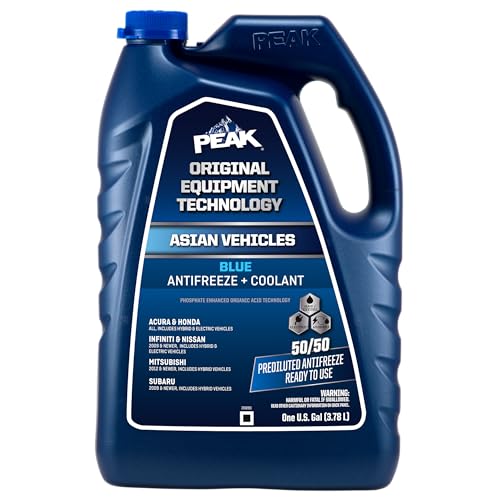

Yes, but only when both products meet the specification approved for your vehicle and are compatible with the coolant already in the system. A different brand is fine if the approval matches. If the spec does not match, treat it as a mismatch even when the bottle says “universal” or the color looks close.
Brand name is secondary
The vehicle maker’s approval matters more than the label on the jug. An approved coolant from a different brand can work for a top-off or refill. A familiar brand with the wrong chemistry family is the wrong choice.
Top-off versus full refill
A small emergency top-off is different from draining and refilling the entire system. A short-term top-off with a compatible coolant may be workable when the exact approved product is unavailable. A full refill calls for a much stricter match.
Coolant mix decision table
This table turns the decision into a quick check. Use the known coolant in the system, then compare the new coolant against the vehicle specification, not just the color or the brand name.
| Known coolant in system | New coolant you want to add | Action |
|---|---|---|
| Same spec, same brand | Same bottle or exact equivalent | Top off or refill if the label matches the approved spec. Why: this is the lowest-risk match. |
| Same spec, different brand | Different brand that lists the same OEM approval | Usually acceptable. Why: the approval matters more than the brand name. |
| Same color, different spec | Same-looking color, different chemistry family or no listed approval | Do not assume compatibility. Why: color can mislead you, and same color does not mean same chemistry. |
| Unknown coolant | Any coolant you have on hand | Check the manual first; if you still cannot identify it, use only a short emergency top-off with a compatible option or plan a flush. Why: unknown history is where mixing mistakes start. |
| Emergency top-off | Compatible coolant that meets the closest approved spec you can confirm | Acceptable only as a temporary measure. Why: getting the engine safe to drive matters, but the correct coolant should be installed later. |
| Stop and flush | Any coolant that does not meet the approved spec, or a system with visible sludge | Flush before refilling. Why: incompatible mixtures can form gel, clog passages, and reduce heat transfer. |
Why color can mislead you
Coolant color alone does not identify its chemistry. Green, orange, pink, blue, and gold coolants can appear on the shelf, though those colors do not always map one-to-one to a single formula. The label and approved specification matter more than the dye.
Used cars are the problem case
A used car may have been topped off by several owners, shops, or quick-lube visits. The tank color can be a blend of old and new coolant, so it may not tell you what is actually in the system. That is why same color is not the same as same chemistry.
Bottle labels beat color matches
Look for the vehicle maker’s approval language, not just a color match. If the bottle does not list the approved specification for your car, treat it as unverified. A matching color without the right approval is still a gamble.
Coolant types you are likely to see
Different coolant families are built for different service lives and corrosion-control packages. The main families you are likely to see are IAT, OAT, HOAT, and brand-specific formulations such as Dex-Cool. Universal coolant is a separate sales claim, not a guarantee that every OEM spec is covered.
IAT coolant
IAT coolant is the traditional green antifreeze associated with older vehicles. It is commonly treated as a shorter-service coolant and often needs more frequent replacement than newer extended-life formulas.
OAT coolant
OAT coolant uses organic acid technology and is often sold as an extended-life formula. It may appear orange, red, or dark green. One common service claim is up to 5 years or 150,000 miles, but the vehicle specification still controls what belongs in the system.
HOAT coolant
HOAT coolant is a hybrid formula commonly associated with some Ford, Chrysler, and European vehicles. It is often yellow or gold. As with any coolant family, the correct approval matters more than the general label on the front of the bottle.
Dex-Cool and GM applications
Dex-Cool is GM’s OAT coolant and is commonly orange. It can work well when used as intended, but compatibility concerns appear when it is mixed improperly with other formulas. That risk is one reason to match the approved specification instead of guessing from color alone.
Universal coolant claims
Universal or “all makes, all models” coolant is marketed as a broad-coverage option. That can help in a pinch, and some products are sold as safe to mix with all coolants in all engines. Even then, it may still not meet the exact OEM spec your vehicle requires.
What happens when coolants do not match?
Incompatible coolants can reduce corrosion protection and may create a gelatinous substance when mixed. That gel can clog the radiator and heater core, reduce heat transfer, and raise the chance of overheating. The damage risk is practical, not theoretical.
Sludge and gel formation
IAT and OAT coolants may create a gelatinous substance when mixed. That residue can thicken coolant passages and make the system work harder to move heat away from the engine.
Radiator and heater-core clogging
Clogged radiator tubes and heater-core passages are common failure points when mixed coolant turns sludgy. You may see weak cabin heat, rising temperature readings, or inconsistent coolant flow.
Overheating risk
Once heat transfer drops, the engine has less margin in traffic, at idle, or under load. The engine coolant temperature sensor may show rising temperature, but the real problem is often a cooling system that can no longer move heat efficiently.
Say your sedan has orange coolant in the overflow tank, but the manual calls for a yellow HOAT formula. Topping off with more orange OAT because the color looks close is the wrong move if the approvals do not match. A quart of the right spec is cheaper than a flush and possible hose cleanup.
Picture a minivan with an unknown coolant history and a low expansion tank on a cold morning. If the vehicle must move today, a small emergency top-off with a confirmed compatible product may be the short-term answer, but the system should be rechecked and corrected soon after.
Can you add a different brand in a pinch?
Yes, if the new coolant meets the approved specification and you need a short-term top-off to keep the car drivable. A different brand is acceptable when the label proves compatibility. If the match is uncertain, keep the car use limited and plan a proper refill or flush as soon as possible.
When a short-term top-off is acceptable
Use a compatible coolant only to restore level, not to replace a full service decision. The goal is to prevent low-coolant damage while you arrange the correct product. Do not turn a temporary top-off into a long-term mix-and-match strategy.
When to avoid mixing and drive less
If the coolant type is unknown, the bottle lacks the right approval, or the system already shows contamination, do not keep adding random coolant. Reducing driving distance lowers the chance of heat-related damage while you sort out the right service.
What to do after you get home
Check the system again, confirm the specification, and decide whether a drain and refill is needed. If the coolant was added only as a stopgap, replace it with the correct approved formula before the next full service interval.
How to check the right coolant before you buy
Start with the owner’s manual and service information. Then match the approved specification on the bottle. Do not shop by color first, and do not treat a universal label as proof that every vehicle will accept it.
Read the manual first
The manual tells you the approved coolant type or specification. That is the first filter, because vehicle-specific approval matters more than brand name.
Check the label for approval language
Look for wording that matches the OEM spec, not vague claims. A bottle that says it meets the approved specification is more useful than one that only says it is universal.
Choose a flush instead when needed
If you cannot identify the coolant already in the system, if the colors are mixed, or if the bottle does not clearly match the spec, a flush is the safer choice. The cost of the right coolant and a proper service is usually easier to justify than the cost of radiator or heater-core repairs.
Can you mix different brands of coolant if they are the same color?
Not necessarily. Same color does not mean same chemistry, same specification, or same approval. Two coolants can both appear green or orange and still be incompatible. If the label does not confirm the right spec, color alone is not a valid decision tool.
The used-car problem
Used cars often have uncertain service history, so the visible color may reflect a mix of past top-offs. That makes color especially unreliable when you need a fast answer at the parts counter.
Safer rules for quick store decisions
Match the approved specification first, then the chemistry family, and only then compare brand options. If you still cannot verify compatibility, do not guess. A short delay is better than a cooling system full of mixed formulas.
Frequently asked questions
Can you mix different brands of coolant in your car?
Yes, if both products meet the specification approved for your vehicle and are compatible with the coolant already in the system. Brand name alone is not the deciding factor. If the spec does not match, do not assume the mix is safe.
What happens if you mix different brands of coolant?
Compatible brands that meet the same specification are usually fine. Incompatible brands can reduce corrosion protection, form sludge or gel, clog the radiator or heater core, and lower heat transfer. That can lead to overheating and avoidable repair costs.
Can I use a different brand coolant in my car?
Yes, if the new coolant meets the OEM approval listed for your car. A different brand is acceptable when the specification matches. If the bottle only says universal and does not confirm your vehicle’s spec, keep looking.
Can you mix different brands of antifreeze?
Only when the antifreeze meets the same approved specification and is compatible with the coolant already installed. Antifreeze brand is less important than the chemistry family and OEM approval. If the vehicle uses a special HOAT or OAT formula, verify that first.
Can you mix different brands of coolant if they meet the same specification?
Yes. That is the cleanest rule. If both coolants meet the same approved specification for your vehicle, a different brand is generally acceptable for topping off or refilling. Keep the manual in the loop and avoid mixing by color alone.
Products related to this article
Sponsored / affiliate links. As an Amazon Associate I earn from qualifying purchases. I may earn additional commission from eligible campaigns.