Why Does My Coolant Look Rusty or Brown?
Brown coolant can sometimes be harmless rust staining, but if it appears oily, milky, sludgy, or full of flakes, stop driving and arrange a tow. Contaminated coolant can overheat the engine, damage the water pump, clog the heater core, or turn a small repair into a larger repair such as a head-gasket or radiator job. This guide shows how to tell rust from contamination, which symptoms mean “drive carefully,” and which ones mean “shut it down now.” OEM maintenance schedules and major service publishers consistently stress using the exact coolant spec and service interval listed for the vehicle, because the wrong coolant or overdue service can accelerate corrosion and deposit formation. For interval guidance, check the owner’s manual or factory maintenance schedule for your exact model and engine, and cross-check against the service literature for the cooling system components involved.
What brown coolant can mean
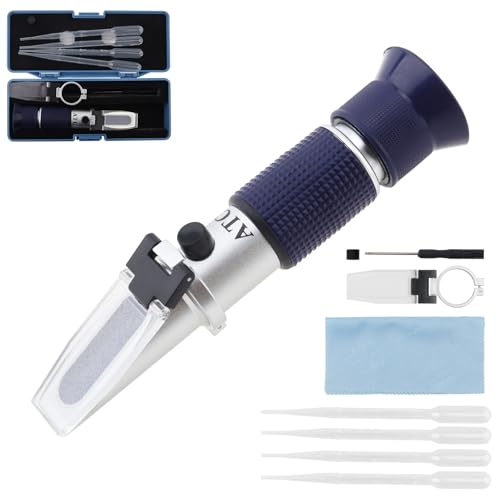
- Measures ethylene and propylene glycol freeze point
- Built-in ATC helps keep readings consistent
- Also checks DEF, battery acid, and washer fluid
Color alone does not tell the whole story. A translucent brown or orange coolant may point in one direction, while a milky opaque mix, an oily film, or a dark gel may point in another. Check both the color and the texture before you drain anything. Color by itself does not prove coolant chemistry or compatibility, because dyes vary by manufacturer and formulation.
Reservoir staining can fool you. The plastic tank may look brown on the outside or along the walls while the circulating coolant is still normal in the radiator and engine. Check the fluid itself, not only the bottle.
Brown coolant can mean rust, a chemical reaction, or a severe mechanical leak. A rusty or muddy radiator fluid is a serious warning sign, but the urgency depends on whether you are seeing simple staining, active sludge, or signs of oil or ATF intrusion. If the fluid has turned brown after a refill or top-off, the owner’s manual and OEM service procedure matter because mixing the wrong formula can create deposits that mimic contamination.
Color versus texture
Clear but tinted coolant is different from opaque coolant. Rust staining usually looks translucent and thin, though it may vary. Oil contamination often turns the coolant opaque and creamy. Mixed-coolant sludge tends to look thicker, darker, and may leave sticky residue on the cap or tank neck. Service publishers and OEM repair information treat texture and residue as more useful than color alone when diagnosing a cooling-system fault.
Reservoir stain or circulating coolant?
If the reservoir walls are brown but the coolant on a clean dip stick, turkey baster sample, or drain stream looks lighter, the tank may be stained rather than the system contaminated. If the drained coolant itself is brown, muddy, milky, or slick, the problem is inside the system.
When brown means contamination
Brown coolant becomes more serious when it is paired with overheating, poor cabin heat, floating debris, a slick film, or a thick paste. A common first-timer mistake is to flush immediately without checking whether the brown color is coming from the tank only or from the whole cooling circuit. If the vehicle is already overheating, most OEM service information and major parts-service guides advise shutting it down before additional driving can worsen gasket, cooler, or pump damage.
Coolant discoloration diagnostic matrix
Use the table below to sort the symptom before you open the drain. It separates rust staining from oil contamination, transmission fluid intrusion, and mixed-coolant sludge.
| Coolant appearance | Likely cause | Quick confirmation check | Extra clue | Urgency | Next-step action |
|---|---|---|---|---|---|
| Translucent brown/orange | Rust from corrosion or aged coolant additives, often in a cast-iron engine block | Look for thin, watery color with fine rust specks; check for old service history or neglected coolant | Smell is usually normal or slightly metallic, not oily | Monitor closely, then service soon | Plan a drain, flush, and refill with the specified coolant after confirming the correct factory formula |
| Milky brown | Oil contamination | Rub a drop between fingers; an oily feel or coffee-with-cream look points toward contamination | Oil dipstick may show a milky film or rising level | Stop driving and diagnose | Inspect for head-gasket, oil-cooler, or block-level failure before restarting |
| Oily reddish-brown film | Transmission fluid cooler leak | Check for a slick layer on the coolant surface and rising transmission issues | Transmission may shift oddly or flare between gears | Stop driving and inspect | Have the radiator, cooler circuit, and transmission fluid checked immediately |
| Dark brown gel | Coolant chemistry mismatch | Look for sticky sludge after a top-off with the wrong formula, especially mixed IAT and OAT antifreeze | Heater output may fall off before the engine fully overheats | Service soon; avoid extended driving | Drain, rinse, and refill with the exact OEM-specified coolant and bleed procedure |
| Reservoir-only staining | Old tank staining or residue on the bottle walls | Compare the tank to a drained sample from the radiator or block drain | Tank may feel stained but the drained fluid looks lighter and cleaner | Low urgency if the circulating coolant is clean | Clean the reservoir and verify the system fluid before scheduling service |
| Do not drive | Heavy sludge, milky contamination, overheating, or active coolant loss | Check temperature warning, coolant level, and oil condition before restarting | Overheat warning, sweet smell, or steam may appear with the brown fluid | Tow the vehicle | Shut it down and arrange a tow to prevent engine, radiator, or heater-core damage |
Is rust the cause?
Rust is one of the most common reasons coolant turns brown. It often starts with old coolant additives breaking down, then corrosion sheds fine particles into the fluid. Those particles can clog small passages, especially in the radiator and heater core, and they can abrade the water pump over time. Factory service schedules from major OEMs and service-data publishers tie coolant replacement to time and mileage because corrosion inhibitors wear out and rust risk rises after that point.
Older cast-iron engine blocks are more prone to this kind of staining. A translucent brown or orange coolant with no oily sheen often points to corrosion rather than a gasket failure. Even then, it should not be ignored, because rust can keep circulating until it blocks flow. Service information from OEMs and major parts publishers also notes that neglect can leave scale in narrow passages and make a simple drain-and-fill less effective than a full flush.
Corrosion in older systems
Long-neglected systems build scale, sludge, and rust. That material can settle in low spots, then break loose during temperature swings. If you see flakes or gritty particles, the coolant is moving contamination through the system, not just staining the bottle.
Aged additives and cast-iron blocks
Coolant additives do not last forever. Once they are spent, the fluid loses part of its corrosion protection and the metal starts to shed debris. Cast-iron blocks are a common place for this to begin, which is why older vehicles often show brown fluid before anything else looks wrong. OEM schedules commonly list time-and-mileage service intervals because age alone can deplete additive protection, even if the vehicle is driven lightly.
How rust can clog passages
Rust particles are abrasive and can pack into narrow tubes. That can restrict flow through the radiator, thermostat housing, and heater core. If cabin heat drops while the engine stays warm, sludge in the heater core is one possibility.
Could oil or ATF be entering the coolant?
Milky brown coolant is a red flag for contamination. Oil in the coolant can come from a blown head gasket, a cracked engine block, or a failed oil cooler. Transmission fluid can enter the cooling system through an internal cooler failure and may leave a reddish-brown slick or oily film. Major parts-service references and OEM repair data treat these failures as serious because they can affect lubrication, cooling efficiency, and, in some cases, transmission operation.
These are not “wait and see” symptoms. If the coolant looks creamy, oily, or slick, stop driving and check the oil and temperature before restarting. Severe contamination can turn a sealing problem into bearing damage or a failed radiator and heater core. If an oil cooler, ATF cooler, or head gasket has failed, the repair often includes more than one component because contaminated fluid can spread through the cooling circuit.
Oil contamination signs
Oil contamination often makes coolant opaque. The fluid may look like chocolate milk, and the inside of the reservoir can show a greasy coating. A thick milky brown look is especially concerning, because it points to coolant and oil crossing paths somewhere they should never meet. Check the oil dipstick as a confirmation clue: a milky film, rising level, or froth supports an internal leak rather than simple rust.
Head gasket, cracked block, or oil cooler
A blown head gasket is a common cause of milky brown coolant. A cracked block can do the same. A failed oil cooler is another stated cause. None of these failures can be confirmed by color alone, so check for coolant loss, oil contamination, exhaust smoke, and persistent overheating. OEM service procedures and major repair publishers warn that continued driving can overheat the engine and compound the damage, which can raise the final repair cost substantially.
Transmission cooler leak clues
A reddish-brown slick floating on the coolant is a classic clue. The film may look oily rather than creamy, and the transmission may shift poorly at the same time. If the radiator has an internal transmission cooler, a failure there can mix ATF with coolant and require more than a simple flush. A transmission cooler leak can also show up as delayed engagement, slip, or a strange transmission smell, which helps separate it from plain rust.
Say your SUV has a brown reservoir and a slight oily sheen on top of the coolant, while the temperature gauge climbs at idle. That combination is more urgent than a plain rust tint. The fluid needs diagnosis before another long drive, because the cooler leak may worsen quickly.
Did mixed coolant create sludge?
Wrong coolant can create deposits, especially when incompatible formulas are mixed. Mixing IAT and OAT antifreeze can cause a harsh chemical reaction, and in some systems that can leave dark brown gel or sludge. It does not happen every time, but it is a real mismatch problem after the wrong top-off. OEM owner’s manuals and service-data publishers typically specify the exact coolant type because “universal” assumptions can lead to deposits, reduced heat transfer, and premature seal wear.
If the sludge appeared after service, topping off, or a roadside refill, suspect chemistry mismatch before assuming a head gasket. The heater core matters here because it is a narrow path that traps sludge early, which can cut cabin heat before the engine shows the full problem.
IAT and OAT mismatch
IAT and OAT coolants use different additive packages. When they are mixed, the result can be deposits, film, or thick gel rather than a clean blend. If the fluid turned darker right after a refill, check what was added and compare it with the owner’s manual before refilling.
Why some mixes form deposits
Not every mixed batch turns to sludge, but some combinations do react badly enough to thicken the coolant. The warning sign is a sticky or gelatinous texture, not just a color change. Brown coolant that pours slowly or leaves goo on the cap deserves prompt service.
Why the heater core matters
The heater core has small passages, so sludge reaches it fast. That can reduce cabin heat even if the engine still appears to run normally. If you suspect mixed coolant, the heater core should be flushed with the rest of the system, not left full of residue.
Suppose a compact car was topped off with the wrong coolant after a low-level warning. Two days later, the overflow bottle looks dark brown and the heater output turns weak at idle. That pattern fits a chemistry issue better than a sudden gasket failure.
A flush is usually needed when the coolant is rusty, muddy, or contaminated, but the method has to fit the vehicle. Drain through the radiator petcock valve with the radiator cap removed for a gravity drain, then use a cooling system flush solvent only if it is approved for that system and label instructions call for it. Factory service procedures and major parts-service guides generally recommend following the exact drain-and-refill sequence for the specific vehicle, especially where vacuum fill or bleeder screws are required.
After the initial drain, rinse with distilled water in repeated cycles until the drained water is perfectly clear. Then refill with the manufacturer-specified 50/50 antifreeze-water mix. Follow the vehicle service procedure for bleeding air after refill, because some cars need bleeder screws, a vacuum fill, or another model-specific method. If you are unsure about the process, use the vehicle’s service information before proceeding.
Drain through the radiator petcock valve
Start with a cool engine. Open the radiator cap, then open the petcock valve and let the coolant drain by gravity. If the vehicle has block drains, use them only if the service procedure calls for them.
Use flush solvent only as directed
Some cooling system flush solvent products are meant for contaminated systems, but compatibility matters. Use one only if the label and service procedure allow it for your engine, seals, and radiator materials. If there is any doubt, skip the chemical step and follow the manufacturer procedure.
Rinse with distilled water
Refill with distilled water, run the engine with the cabin heater on maximum, then drain again. Repeat until the drained water is perfectly clear. Distilled water is preferred here because tap water can leave minerals behind.
Refill with the correct 50/50 mix
Once the system runs clear, refill with the correct 50/50 antifreeze-water mix called for by the vehicle maker. Bleed air exactly as the service procedure requires. Air pockets can cause hot spots, poor heater output, and false overheating complaints.
What should you check before driving?
Check temperature first. If the engine is overheating, the warning light is on, or the coolant level is dropping fast, do not keep driving. Brown coolant becomes an immediate towing issue when it is paired with temperature rise, sludge, or obvious contamination.
Also check the oil. A rising oil level, a milky dipstick, or coolant in the oil points to a more serious internal failure. If the coolant is only lightly rust stained and the temperature is normal, short monitoring may be reasonable until service is scheduled.
Temperature and warning lights
The engine coolant temperature sensor can alert you early, but it is only part of the picture. If the gauge climbs or the warning light comes on, stop and inspect before more driving. Do not assume the color alone tells the whole story.
Oil level and contamination checks
Pull the oil dipstick and check for a milky film, rising level, or froth. Those signs support an internal leak rather than simple rust. If the oil looks clean and the coolant only shows a light orange-brown tint, the problem is less urgent but still needs service.
Tow versus monitor
Tow the vehicle if the coolant is milky, oily, sludgy, full of flakes, or appears to be linked with overheating. Monitor only when the color looks like rust staining, the temperature stays normal, and the fluid is otherwise clear. When in doubt, the safer call is to stop and inspect.
What can it cost to fix brown coolant?
The repair range depends on the cause, and the spread can be wide. A simple flush or coolant service may be relatively modest, while head-gasket-level damage can become a major engine repair. Use the symptom pattern first, then estimate the likely job:
- Flush/service: roughly a low hundreds-of-dollars job at many shops, depending on coolant type and bleed procedure.
- Thermostat or heater-core cleaning: often a moderate repair if the part is accessible and the blockage is limited.
- Radiator replacement: usually a mid-range repair, with cost driven by parts price and labor access.
- Oil cooler failure: often a higher-cost repair because contamination can require cooler replacement and system cleaning.
- Transmission cooler leak: can range from moderate to high, especially if the radiator and transmission fluids both need service.
- Head-gasket-level repair: commonly a high-cost repair that can climb into the low-to-mid thousands or more, depending on engine design and whether overheating caused additional damage.
These are broad ranges, not quotes. The final bill depends on the vehicle, the exact leak source, whether sludge reached the heater core or radiator, and whether the engine was overheated. Reputable OEM service data and major parts publishers consistently note that delayed diagnosis tends to raise repair cost because contamination spreads through more of the cooling system.
Frequently asked questions
Why is my coolant brown?
Brown coolant usually points to rust, oil contamination, ATF intrusion, or mixed-coolant deposits. A thin translucent brown or orange tint often fits corrosion, while milky, oily, or gel-like coolant points to a bigger problem. The texture and where the color appears matter as much as the color itself.
Why is my coolant brown and thick?
Thick brown coolant often means sludge or contamination, not simple aging. Mixed coolant formulas can form deposits, and oil contamination can make the fluid creamy and heavy. If the coolant pours slowly, leaves residue, or looks like gel, avoid driving until the cause is found.
Why is my radiator fluid brown?
Radiator fluid turns brown most often from corrosion or contamination inside the cooling system. Rust from aged coolant additives can stain the fluid, especially in older cast-iron engines. If the brown color comes with an oily film, milky look, or flakes, treat it as a warning sign.
Why is my coolant red?
Red coolant may be normal for some vehicles because manufacturers use red or pink dyes for certain formulas. But red fluid can also be contaminated, especially if it is dark, oily, brownish, or has debris. Color alone does not prove the coolant type, chemistry, or compatibility, so verify the specification in the owner’s manual before topping off or mixing products.
What color does coolant burn?
Coolant that burns in the combustion chamber usually creates white or sweet-smelling exhaust more than a reliable “burn color” in the engine bay. You may also see steam, coolant loss, or a clean-looking tailpipe with unexplained overheating. Because burned coolant does not have one fixed color, the safer clue is the combination of smoke, sweet odor, and fluid loss rather than color alone.
Why does my coolant look milky?
Milky coolant usually means oil has entered the cooling system. That can happen with a blown head gasket, a cracked engine block, or a failed oil cooler. A reddish-brown slick is more consistent with transmission fluid contamination, which also needs prompt diagnosis.
Why is my coolant black?
Black coolant usually suggests heavy contamination, severe sludge, or long-term neglect. It is not a normal color for healthy coolant. If the fluid is black and opaque, or if the heater output has fallen off, the system likely needs a full inspection before any refill.
What color should coolant be?
Healthy coolant is usually clear enough to see through, though the exact color varies by formulation. Coolant color by itself is less important than clarity, consistency, and the absence of oil, sludge, or debris. A clean system should not look muddy, creamy, or oily.
Why are coolants different colors?
Coolants are different colors because manufacturers use different dye packages and additive chemistries. Color helps identify the product, but it does not guarantee compatibility. Always check the owner’s manual before topping off, because the wrong formula can create deposits or reduce protection.
Why is my radiator water brown?
Brown radiator water usually means corrosion, old coolant breakdown, or contamination from another fluid. Water should not stay brown if the system is healthy. If the brown color returns after a rinse, the source is still inside the cooling system and needs further diagnosis.
Products related to this article
Sponsored / affiliate links. As an Amazon Associate I earn from qualifying purchases. I may earn additional commission from eligible campaigns.