Why Is My Temperature Gauge Stuck in the Middle?
A temperature gauge that sits near the middle is often normal: many cars are designed to keep the display near one spot until coolant temperature moves well outside the safe range, but a fixed midpoint can also hide a cooling fault. Ignore a false-normal gauge and you can cook the engine, miss a thermostat or fan problem, and face costly damage. This guide shows how to tell normal damping from a bad sensor, thermostat, fan, or gauge before you replace parts.
Why the gauge may stay near the middle

- Reads and clears engine fault codes
- Shows live sensor data in graphs
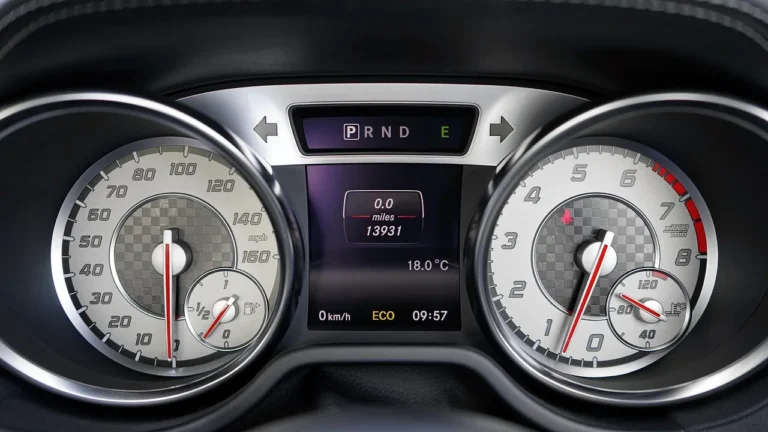
The temperature gauge shows engine coolant temperature, not just how warm the engine feels. On many vehicles, the needle is intentionally buffered so it stays near the middle across a broad normal range instead of swinging with every small change in coolant temperature.
That design has a purpose. It cuts needle chatter during traffic, hills, and steady cruising, but it also means the center mark may not mean one exact temperature on every vehicle. Some GM models, for example, are commonly reported to sit at or just below the middle mark under normal driving.
Normal buffered gauge behavior
A middle reading can be expected when the cooling system is working normally and the display is damped. The needle may move slowly after cold start, then settle near center and stay there while coolant temperature changes within a normal band.
The key is to look for the rest of the pattern, not the needle alone. Stable cabin heat, no warning light, no coolant loss, and no boilover signs point toward normal behavior more than a fault.
Why some vehicles hide exact temperature
Many dashboards are designed to avoid showing exact coolant temperature because the driver does not need a live number every second. That means a gauge may look “stuck” even though the engine is warming, cooling, and adjusting as expected.
Do not assume every middle-reading gauge is broken. The safer question is whether the engine is actually reaching operating temperature and staying there without symptoms of overheating or chronic running cold.
When a middle reading is expected
A healthy pattern usually looks like this: a cold start, gradual movement off the low end, then a steady center reading once the engine warms up. After that, the gauge may stay there through idle, stop-and-go traffic, and highway driving if the thermostat, fan, and coolant level are doing their jobs.
Say your sedan reaches cabin heat in a few minutes, never shows warning lights, and the needle stays one tick below center on the highway and one tick above at a long stoplight. That can still be normal damping, not a fault.
Is it normal for the gauge to stay there?
Often, yes. A gauge that stays in the middle may simply be doing what the cluster was programmed to do, especially on vehicles that intentionally hold the needle near center through much of the normal operating range. The question is whether the rest of the cooling system behaves like a healthy system.
Signs the reading is probably normal
Normal behavior usually includes steady cabin heat, no coolant smell, no steam, no warning light, and no noticeable loss of power from heat. The gauge may remain calm even as the engine warms and cools slightly during traffic or hill climbs.
If the gauge is centered but the engine starts, idles, and drives without heat-related symptoms, the gauge itself may be telling you very little beyond “coolant temperature is not outside the display’s normal band.”
Signs the gauge may be lying
Be suspicious if the gauge is frozen in one spot all the time, the warning light never comes on when you know there is a problem, or the display jumps up and down quickly. Those are common faulty-gauge symptoms, and they point to the sensor, wiring, cluster, or the gauge mechanism itself.
A middle needle can also be false normal if the engine is actually overheating. A dashboard that looks calm while the cooling system is losing coolant, pushing hot air, or building pressure is not giving you the full picture.
What a healthy cooling cycle should look like
On a healthy system, coolant temperature rises after startup, the thermostat opens, and the system settles into a controlled operating range. The fan may cycle on at idle or in traffic, and the gauge should not drift into the red or high zone. If it does, the engine is too hot.
A good habit is to watch for change over time, not just where the needle sits during one drive. A gauge that stays centered while heat output drops, coolant disappears, or the upper hose gets abnormally hot may be hiding a real fault.
Middle-reading gauge troubleshooting table
Use this table to separate normal buffer behavior from a real fault before replacing parts. Start with the symptom pattern, then match it to the most likely cause and the next check.
| Symptom pattern | Likely cause | Next check |
|---|---|---|
| Needle sits near the middle, engine warms normally, cabin heat is steady, no warning light | Normal buffered gauge behavior | Confirm the gauge is not showing red or high zone and watch for leaks, fan issues, or abnormal smells |
| Gauge stays near the middle but warm-up is slow, cabin heat is weak, and fuel use may rise | Thermostat stuck open | Check whether the engine reaches normal operating temperature and whether the upper radiator hose warms too soon |
| Gauge reads wrong, jumps, or stays fixed while scan data or driving symptoms do not match | Bad coolant temperature sensor | Test the engine coolant temperature sensor and its connector for incorrect data or intermittent signal loss |
| Gauge is stuck at one spot, moves erratically, or warning light behavior is inconsistent | Wiring or cluster fault | Inspect the wiring, grounds, fuse, and instrument cluster for electrical faults or a stuck display |
| Gauge looks normal, but the engine runs hot, coolant drops, fan is weak, or steam appears | Genuine overheating hidden by a normal-looking gauge | Check coolant level, radiator fan operation, leaks, and thermostat function before trusting the gauge |
What should you check first?
Start with coolant level, then check for leaks and fan operation. A low coolant level can distort temperature readings, and a fan problem can show up at idle or in traffic even when the gauge seems calm. Those checks matter before you blame the cluster or sensor.
- Park on level ground and let the engine cool enough to open the system safely.
- Check the coolant level in the reservoir and, if appropriate for the vehicle, at the radiator cap only when the engine is cold.
- Look for wet hose ends, crusty residue, a sweet coolant smell, or drips under the car.
- Start the engine and watch whether the radiator fan comes on when idle temperature rises or the air conditioning is switched on.
- Note whether cabin heat is strong, weak, or delayed, because that can point to thermostat trouble or low coolant.
Picture a compact car that idles in traffic with the needle fixed at center, but the cabin suddenly blows lukewarm air and the electric fan never kicks in. That is not a “normal gauge” story. It is a cooling-system problem until proven otherwise.
Can a bad thermostat keep the gauge in the middle?
Yes. A thermostat that sticks open can keep the engine cooler than expected, slow warm-up, and prevent the gauge from moving as it should. In some vehicles, the middle mark may still appear, but the engine may never reach true normal operating temperature.
How a thermostat affects warm-up
The thermostat controls when coolant starts flowing through the radiator. If it stays open, coolant can circulate too early and too much heat leaves the engine too soon. The result is a long warm-up, weak heater performance, and a gauge that can hover in an oddly calm spot.
What a stuck-open thermostat looks like
Look for a gauge that takes too long to climb, a heater that stays weak on cold days, and an engine that seems underheated even after a normal drive. That pattern is different from overheating, but it still means the cooling system is not regulating temperature correctly.
Why normal cabin heat matters
Strong cabin heat is one useful clue that the engine is getting warm enough. If the gauge is centered but the vents never deliver steady heat, the thermostat is a better suspect than the gauge itself.
Could a sensor or wiring issue cause this reading?
Yes. The engine coolant temperature sensor sends temperature data to the dashboard gauge, so a faulty sensor can create an incorrect reading. Loose connectors, damaged wiring, or a cluster fault can do the same thing and make the gauge seem stuck, slow, or inaccurate.
Engine coolant temperature sensor faults
A bad sensor can report the wrong temperature, which may make the needle sit in the middle, stay cold, jump around, or miss a real change. If the gauge seems inconsistent with the engine’s actual behavior, the sensor should be tested rather than assumed good.
Loose connectors and damaged wiring
A poor connection can interrupt the signal or distort it. That can mimic a cooling fault even when the engine is fine, or it can mask a problem until the gauge is already wrong for too long.
When the instrument cluster is the problem
The instrument cluster houses the display and needle. If the display is stuck, the needle does not respond, or the warning light behaves oddly, the cluster itself may need repair or replacement after the rest of the cooling system checks out.
Can a stuck temperature gauge mean my engine is overheating?
Yes. A gauge that looks normal can hide a real overheating problem, and that is the dangerous part. A cooling system can lose coolant, lose fan performance, or build heat under load while the dash still sits in the middle because the display is damped or the sender is lying.
Why false-normal readings happen
False normal happens when the dashboard is not showing the real coolant story. That can come from gauge damping, a bad sensor, wiring problems, or a cluster fault. It can also happen when the engine briefly overheats and then cools enough to make the needle look harmless again.
Heat, pressure, and coolant loss clues
Watch for steam, rising underhood temperature, coolant smell, overflow from the reservoir, or a sudden change in heater output. Those signs matter more than a needle that sits in the middle. If the engine is too hot, the gauge may not be the first thing to warn you.
When to stop driving
If the needle reaches the red or high zone, the engine is too hot. Pull over, shut the engine off if safe to do so, and let it cool before checking anything else. Do not keep driving and hope the gauge is merely “acting weird.”
How do you fix a temperature gauge that stays in the middle?
Fix the cause, not the display. A restart or reset can help after a minor electrical glitch, but it will not cure a low coolant level, bad thermostat, failed sensor, weak fan, or cluster fault. Start with basic checks before you disconnect anything.
Restart or reset only after basic checks
One suggested first reset step is to turn off the engine, wait, and restart. If the reset fails again, check coolant level. A deeper reset may involve disconnecting the battery, but only after the cooling system has been inspected.
That order matters. Resetting a gauge is pointless if the engine is actually overheating or running too cool because of a mechanical fault.
When to test parts instead of guessing
If the reading still looks wrong after basic checks, test the engine coolant temperature sensor, inspect the wiring, and verify the fan operation. Use the symptom pattern, not a guess, to decide which part to test first.
When professional diagnosis is the better next step
If the gauge stays stuck, the warning light does not behave normally, or the engine shows heat symptoms despite a normal-looking display, professional diagnosis is the better step. The cluster, sensor, and cooling hardware may all need to be checked with proper tools.
Frequently asked questions
Why is my temperature gauge stuck in the middle?
Often because the car is designed to hold the needle near center through a normal coolant-temperature range. But a stuck-in-the-middle gauge can also come from a bad thermostat, a faulty sensor, wiring trouble, or a cluster fault. Check coolant level and fan operation before assuming the display is normal.
Is it normal for my temperature gauge to stay in the middle?
Often, yes. Many vehicles damp the gauge so it sits near the middle during normal driving instead of showing exact temperature swings. It is only normal if the engine warms properly, the heater works, the fan behaves, and there are no leak or overheating signs.
Can a bad thermostat keep the temperature gauge in the middle?
Yes. A thermostat stuck open can keep the engine cooler than expected, slow warm-up, and make the gauge hover in an unhelpful middle position. Weak cabin heat and a long time before normal operating temperature are common clues that point to the thermostat.
How do I know if the temperature gauge is lying?
Compare the gauge with the rest of the cooling system. If the needle is fixed, jumps around, or does not match cabin heat, fan behavior, coolant level, or warning lights, the gauge may be lying. That can point to the sensor, wiring, or instrument cluster.
What should I check first if my temperature gauge is stuck in the middle?
Check coolant level first, then look for leaks and confirm radiator fan operation at idle. After that, judge whether the engine warms normally and whether cabin heat is strong. Those checks help separate a normal buffered gauge from a real cooling fault.
Products related to this article
Sponsored / affiliate links. As an Amazon Associate I earn from qualifying purchases. I may earn additional commission from eligible campaigns.