Best Transmission Control Module Programming Tools Reviewed
Understanding and programming your car’s Transmission Control Module (TCM) is key to fixing many transmission issues. This guide reviews the top tools available to help you diagnose, reprogram, and optimize your TCM for better performance and reliability.
What is a Transmission Control Module (TCM)?
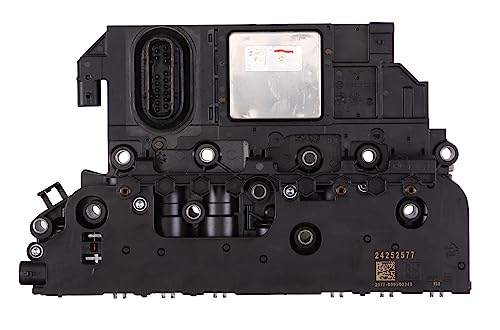
Think of the Transmission Control Module (TCM) as the brain for your car’s automatic transmission. It’s a small computer that runs everything. It gets signals from various sensors.
These sensors tell it about engine speed, vehicle speed, throttle position, and more. The TCM then makes smart decisions. It controls when to shift gears, how smoothly to shift, and when to engage the torque converter.
This little computer plays a big role. It ensures your car shifts gears at the right time. This helps your engine run efficiently.
It also makes your ride smooth and comfortable. Without a working TCM, your transmission might not shift at all. Or, it could shift very roughly.
It could even stay stuck in one gear. This is why understanding the TCM is so important for car owners and mechanics.
Why TCM Programming Matters
Cars are complex. Over time, things can wear out or change. Sometimes, your car’s computer needs an update.
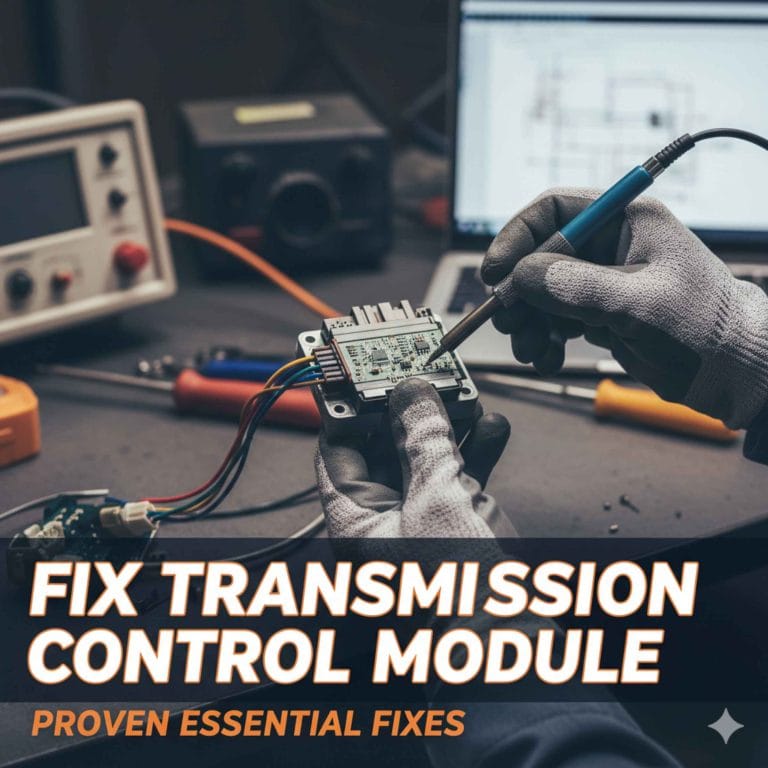
This is true for the TCM too. Programming, or “flashing,” the TCM means updating its software. This software tells it how to operate the transmission.
Why would you need to reprogram a TCM? There are a few reasons. New software updates from the car maker can improve performance.
They might fix known bugs or issues. Sometimes, after replacing a transmission part, the TCM needs to be told about it. You might also want to change how the transmission behaves.
For example, you could make shifts firmer or quicker. This is where programming tools come in handy. They let you talk to the TCM and change its settings.
Reprogramming can fix common transmission problems. This includes issues like delayed shifting, harsh shifts, or even certain error codes. It’s a way to tune the transmission to work its best.
It can also help extend the life of your transmission. It’s often a more affordable option than replacing the entire transmission. Many mechanics find it a vital part of their repair process.
My First TCM Programming Scare
I remember one summer night, working late in my garage. My neighbor, Dave, brought over his pickup truck. He was clearly worried.
His truck had been acting up for weeks. The transmission felt like it was fighting him. Shifts were jerky and loud.
He’d taken it to a big dealership. They told him he needed a new transmission. The quote was sky-high.
Dave was beside himself. He knew I tinkered with cars and asked if I could take a look.
I hooked up my basic OBD-II scanner. It showed a few transmission-related error codes. But nothing pointed to a complete failure.
I felt a knot in my stomach. What if the dealership was right? I didn’t want to give Dave false hope.
Then, I remembered reading about TCM programming. I hadn’t done it much before. It seemed a bit intimidating.
The thought of messing up the truck’s computer made me sweat. I decided to research it more. I found a forum online.
People were talking about how a simple software update fixed similar issues. That’s when I decided to get a more advanced tool. I ordered one that day.
It arrived a few days later. The moment of truth came. I connected the tool.
I followed the steps carefully. The screen showed “Programming Complete.” Dave came over later that week. He called me, excited.
His truck was running like new. The shifts were smooth. The noises were gone.
He saved thousands. That experience taught me a lot. It showed me the power of the right tools.
It also taught me that sometimes, the fix isn’t always mechanical. It can be digital.
Key TCM Programming Features to Look For
When picking a TCM programming tool, consider these important features:
- Vehicle Coverage: Does it work with your car’s make and model?
- Software Updates: Does the maker offer regular updates?
- Ease of Use: Is the interface simple and clear?
- Diagnostic Capabilities: Can it read and clear codes?
- Advanced Functions: Can it perform specific tasks like clearing learned values?
Understanding TCM Programming Tools
So, what exactly are these tools? They are essentially sophisticated computers or devices. They allow you to connect to your car’s onboard computer system.
Specifically, they communicate with the TCM. Think of it like a specialized remote control for your transmission’s brain.
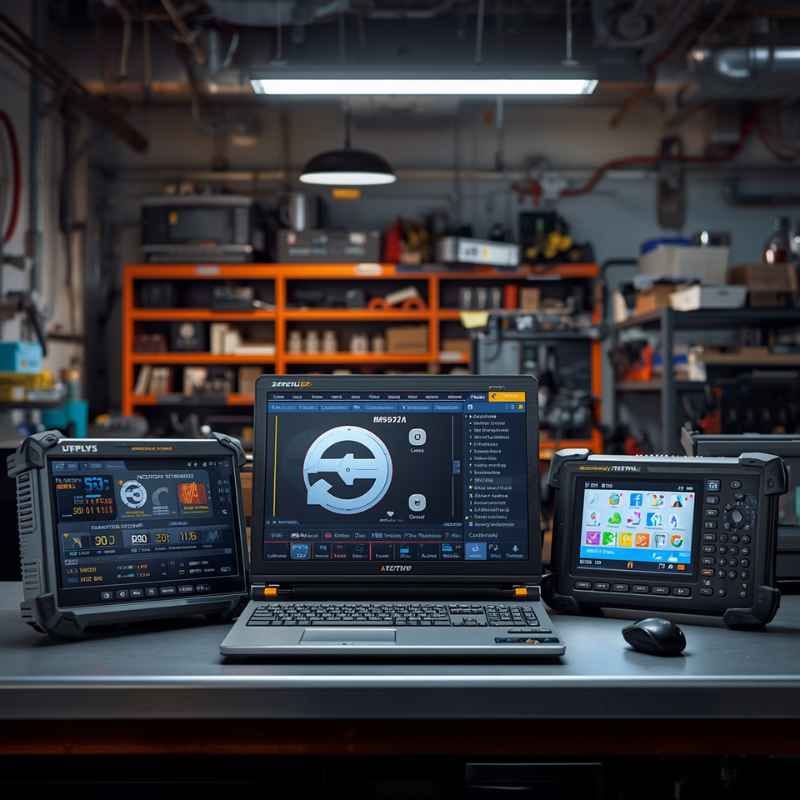
These tools come in different shapes and sizes. Some are handheld devices with screens. Others are software programs you run on a laptop or tablet.
You usually connect them to your car’s diagnostic port. This is often called the OBD-II port. It’s usually located under the dashboard on the driver’s side.
Once connected, the tool can read information from the TCM. It can also send new instructions to it.
The primary function is to load new software. This software is called a calibration file or flash file. Car manufacturers create these files.
They fix issues or improve performance. The tool helps transfer this file to the TCM. It’s a process that requires care.
You don’t want to interrupt it. Doing so could cause serious problems for the TCM. Many tools also offer other features.
These include reading fault codes, monitoring live data, and performing other resets. These extra functions make them very valuable for anyone working on cars.
How TCM Programming Works
The process of TCM programming might sound complex. But broken down, it’s quite logical. First, you need the right software.
This is the calibration file. You get this file from a reputable source. It needs to match your car’s exact make, model, year, and transmission type.
Using the wrong file can damage the TCM.
Next, you connect your programming tool to the car. You’ll plug it into the OBD-II port. Then, you turn on the car’s ignition.
The tool will communicate with the car’s computer. It will identify the TCM. You then select the calibration file you want to load.
The tool will guide you through the process. It often involves a series of steps. You might need to turn the ignition off and on.
You may also need to start the engine for a short period.
The tool then transfers the new software to the TCM. This is the “flashing” part. It’s like updating an app on your phone.
The old software is
Common Reasons for TCM Issues
Several things can cause your TCM to malfunction or need reprogramming:
- Software Glitches: Like any computer, TCMs can have bugs.
- Component Wear: Age and mileage can affect internal parts.
- Electrical Problems: Corroded connections or damaged wiring.
- Sensor Failures: Faulty sensors send bad data to the TCM.
- Impact Damage: Physical damage to the module.
- Failed Software Updates: In rare cases, an update might go wrong.
Top TCM Programming Tools Reviewed
Now, let’s look at some of the leading tools available for TCM programming. These tools vary in price, features, and complexity. They cater to different users, from DIY enthusiasts to professional mechanics.
1. Autel MaxiSYS Series
The Autel MaxiSYS series is a professional-grade diagnostic tool. It offers extensive vehicle coverage. Many models in this line, like the MaxiSYS Elite or MS906BT, can perform TCM programming.
They provide advanced diagnostics. They also offer bi-directional control. This means you can test individual transmission components.
Pros: Excellent brand recognition and support. Wide range of functions beyond TCM programming. User-friendly interface for a professional tool.
Regular software updates. Strong diagnostic capabilities. Covers many makes and models, including European and Asian vehicles.
Cons: High cost. Can be overkill for someone only needing basic TCM updates. Requires a subscription for the latest software and updates, adding to the long-term cost.
Who it’s for: Professional auto repair shops, dealerships, and serious DIYers with a significant budget.
2. Snap-on SOLUS Edge / ZEUS
Snap-on is a name synonymous with quality in the automotive repair industry. Their SOLUS Edge and ZEUS diagnostic platforms are powerful tools. They offer comprehensive TCM programming capabilities for a vast array of vehicles.
These tools are built for speed and efficiency in a professional shop environment.
Pros: Extremely robust and reliable. Advanced diagnostic features. Intuitive touchscreen interface.
Excellent technical support. Constantly updated with new vehicle data and programming files. Known for its durability in tough shop conditions.
Cons: Very expensive. The learning curve can be steep for beginners. Subscription fees are also a factor.
Who it’s for: Professional technicians and well-equipped repair facilities that demand the best.
3. Launch X431 Series
Launch is another major player in the diagnostic tool market. Their X431 series, including models like the X431 V+ or Pro3, offers impressive TCM programming features. They provide broad market coverage and are often more affordable than Autel or Snap-on, making them popular.
Pros: Good value for the price. Extensive vehicle coverage. Many models offer bi-directional control and special functions.
Regular updates are available. Relatively easy to navigate for its capabilities.
Cons: Some users report that the software can be less intuitive than top-tier brands. Update consistency can sometimes be an issue depending on the specific model and region.
Who it’s for: Independent repair shops, mobile mechanics, and advanced DIYers looking for a feature-rich tool without the highest price tag.
DIY vs. Professional Tools
DIY Tools: Generally simpler, more focused on common tasks, and less expensive. Good for occasional use.
Professional Tools: Offer extensive coverage, advanced diagnostics, and faster programming. Higher cost and steeper learning curve.
Consider your needs: Are you a hobbyist or running a business? This will guide your choice.
4. GM MDI (Multiple Diagnostic Interface) / GDS2
For GM vehicles specifically, the GM MDI is the factory tool. When paired with the Global Diagnostic System 2 (GDS2) software, it’s the definitive way to program GM TCMs. This is what dealerships use.
It offers the most accurate and up-to-date programming files for GM cars and trucks.
Pros: Official factory tool for GM. Guarantees compatibility and access to the latest updates. Highly reliable for GM vehicles.
Can perform all service functions for GM cars. Provides deep access to all modules.
Cons: Exclusively for GM vehicles. Requires purchasing the hardware (MDI) and often a software subscription from GM. Very expensive for non-dealership use.
Can be complex to set up and use without proper training.
Who it’s for: GM dealerships, specialized GM repair shops, and highly dedicated GM enthusiasts who own multiple GM vehicles.
5. Ford IDS (Integrated Diagnostic Software)
Similar to GM’s setup, Ford uses its Integrated Diagnostic Software (IDS) for its vehicles. This is the factory-level tool for Ford, Lincoln, and Mercury. When paired with a compatible interface module, it allows for full TCM programming and diagnostics for these brands.
Pros: The official factory solution for Ford vehicles. Ensures access to the most current and correct calibration files. Deep diagnostic capabilities for all Ford systems.
Supported by Ford for updates and technical info.
Cons: Limited to Ford, Lincoln, and Mercury vehicles. High initial cost for the software and hardware interface. Requires ongoing subscriptions for updates.
Complex for casual users.
Who it’s for: Ford dealerships, Ford-specific repair shops, and serious Ford hobbyists.
6. Thinkcar / Thinkdiag Tools
For those on a tighter budget, brands like Thinkcar and Thinkdiag offer more affordable options. Their tools, often smartphone-based, provide a surprising amount of functionality. Some models can perform TCM programming on specific makes and models, though coverage might be less extensive than professional tools.
Pros: Very affordable. User-friendly smartphone app interface. Good for basic diagnostic and occasional programming needs.
Compact and portable. Many models offer specific reset functions.
Cons: Vehicle coverage for TCM programming is often limited to certain brands or specific years. Software updates might not be as frequent or as comprehensive. Reliability for critical programming tasks can be less certain compared to professional tools.
Who it’s for: DIY car owners, hobbyists, and those who need a basic tool for occasional diagnostics and programming on common vehicles.
Important Note on Calibration Files
Source Matters: Always obtain calibration files from reputable sources. Using files from unofficial or unknown sites can lead to serious damage. Professional tools often have built-in access to these files or clear instructions on where to get them.
Correct File: Ensure the file matches your vehicle’s exact specifications. VIN lookup is often part of the process for professional tools.
When is TCM Programming the Right Solution?
It’s easy to jump to conclusions when your transmission acts up. But TCM programming isn’t always the answer. It’s best suited for specific situations.
These include:
Software Glitches and Performance Issues
If your transmission exhibits strange behavior without any obvious mechanical fault, it might be software-related. This could be delayed shifts, harsh engagement, or erratic gear selection. Sometimes, simply updating the TCM’s software to the latest version fixes these problems.
Manufacturers release updates to improve shift logic and smooth out operation. This is a common use case for programming tools.
After Component Replacement
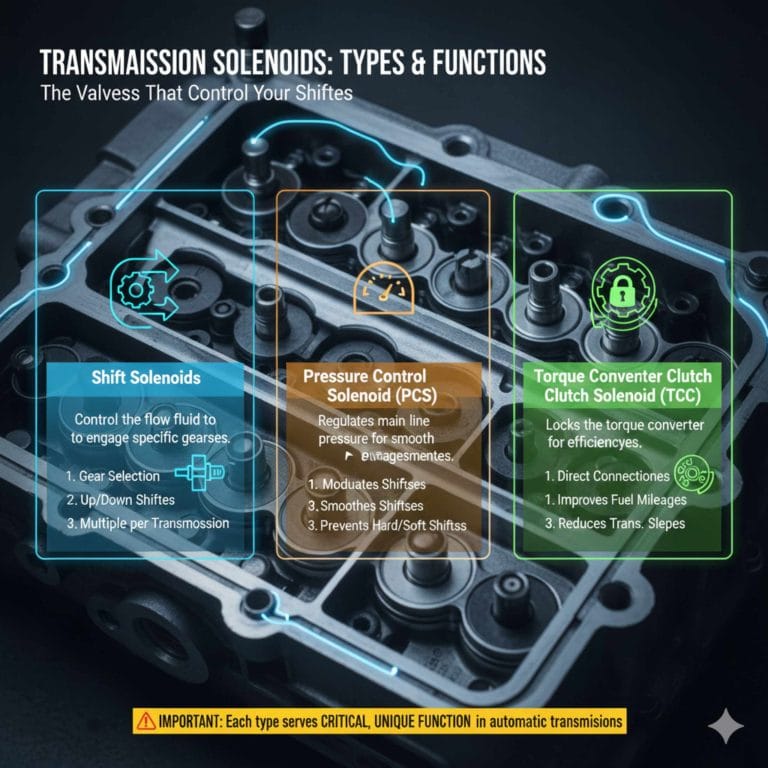
If you’ve replaced a major transmission component, like a valve body or a solenoid, the TCM might need to be reset or reprogrammed. The new component needs to “learn” how the transmission operates. Programming can help the TCM relearn its parameters.
It allows the new parts to integrate seamlessly. This ensures optimal performance and prevents premature wear.
To Improve Shifting Characteristics
Some drivers want to alter how their transmission shifts. For example, you might want crisper, firmer shifts for a sportier feel. Or perhaps you want smoother, more comfortable shifts for highway cruising.
Specialized calibration files can be loaded to achieve these desired driving characteristics. This is a form of transmission tuning.
When Diagnostic Codes Point to the TCM
If your car’s diagnostic scanner shows specific error codes related to the TCM itself, or its communication with other modules, programming might be necessary. Codes like P0700, P0701, or others related to TCM performance or communication can indicate a software issue or a need for a reset.
My Experience with a “Software” Fix
I had a customer with a newer sedan whose transmission was acting up. It was hesitant to downshift when slowing down. It would also jolt slightly when accelerating from a stop.
The car had relatively low mileage, so a full transmission rebuild seemed unlikely. We ran diagnostics and found a few minor transmission codes, but nothing major. I suspected a software glitch.
I used a professional scan tool to check for available TCM updates. We found one. The process took about 45 minutes.
After the update, the car drove like it was brand new. The shifts were smooth. The hesitation was gone.
It was a perfect example of how a digital fix can solve a seemingly mechanical problem.
When TCM Programming Might NOT Help
It’s crucial to understand that TCM programming isn’t a magic wand. It cannot fix all transmission problems. If the underlying issue is mechanical, programming will not help.
Here are situations where it likely won’t solve the problem:
Internal Mechanical Damage
If there’s physical damage inside the transmission – like worn gears, broken clutches, or a damaged torque converter – programming the TCM won’t fix it. The TCM controls the transmission, but it can’t repair broken parts. A thorough mechanical inspection is needed in these cases.
Severe Electrical Problems
While some minor electrical issues might be related to TCM communication, severe wiring harness damage, major short circuits, or internal TCM component failure (beyond software) will likely require physical repair or replacement of the module and related wiring.
Fluid Leaks or Contamination
Low transmission fluid levels or contaminated fluid (e.g., due to burnt clutches) can cause serious damage. Programming the TCM won’t resolve issues caused by lack of lubrication or debris in the fluid. The fluid and filter should always be checked first.
Problems with Other Modules
The TCM interacts with many other control modules in the car. If the problem originates in another module (like the Engine Control Module or ABS module), reprogramming the TCM might not address the root cause. Comprehensive diagnostics are needed to pinpoint the source.
Myth vs. Reality: TCM Programming
Myth: TCM programming fixes any transmission problem.
Reality: It fixes software-related issues and allows for tuning. It cannot repair internal mechanical damage.
Myth: You can use any programming tool for any car.
Reality: Tools have specific vehicle coverage. Using the wrong tool or file can cause damage.
Real-World Context: When to Call a Professional
While many DIYers can tackle some aspects of TCM programming, there are times when professional help is essential. The complexity of modern vehicles means that mistakes can be costly.
Dealerships: For specific makes like GM or Ford, dealerships have the official factory tools and software. They have technicians trained specifically on these systems. If your car is under warranty, or if you have a very new or complex vehicle, a dealership is often the safest bet.
They have access to the very latest calibration files and diagnostic procedures.
Specialized Transmission Shops: Many independent shops specialize in transmissions. They often invest in professional-grade diagnostic and programming equipment. These shops can be a great alternative to dealerships.
They might offer more competitive pricing. They also have experienced technicians who understand transmission behavior deeply. They can accurately diagnose if programming is the solution or if mechanical work is needed.
Mobile Diagnostics Services: Some mobile mechanics offer advanced diagnostic services, including TCM programming. This can be convenient if you can’t bring your vehicle to a shop. However, ensure they have the right equipment and expertise for your specific car model.
When to definitely seek professional help:
- If you are unsure about the process or the tool you are using.
- If your car is under warranty.
- If the problem is severe and has caused significant drivability issues.
- If you lack a stable power source or a quiet, clean environment for programming.
- If initial diagnostics suggest mechanical failure rather than a software issue.
Quick Scan Table: Programming Tool Factors
| Factor | Consideration | Impact on User |
| Vehicle Coverage | Which makes/models does it support? | Ensures it will work for your car. |
| Software Updates | Are they frequent and reliable? | Keeps the tool current with new vehicles. |
| Ease of Use | Is the interface intuitive? | Reduces learning curve and errors. |
| Cost | Initial price + subscription fees. | Fits your budget. |
| Support | Is technical support readily available? | Helps troubleshoot issues. |
What This Means for You
For car owners, understanding TCM programming is empowering. It means that not every transmission issue requires a costly mechanical repair. Sometimes, a software update or a reset is all that’s needed.
This can save you a significant amount of money and hassle.
When it’s normal: A transmission might feel a bit off after a battery disconnect. Or perhaps after a minor software update on another module. These are often transient.
A simple TCM reset function on a good scan tool can clear these temporary issues. Some slight changes in shifting behavior over time can also be normal. This is due to the TCM “learning” driving habits.
When to worry: If you hear loud grinding noises, experience sudden loss of power, or see fluid leaking, those are clear signs of mechanical problems. Any warning lights that stay on, especially those related to transmission failure, should be addressed immediately. Harsh, clunking shifts that happen consistently are also a cause for concern, not just a software glitch.
Simple checks you can do:
- Check Transmission Fluid: Ensure the fluid level is correct and that it looks clean. Dirty or low fluid is a common cause of transmission problems.
- Observe Shifting: Pay attention to when the issues occur. Is it when cold? When accelerating? When braking? This information is vital for diagnosis.
- Scan for Codes: Use a basic OBD-II scanner to check for any stored error codes. These codes can point you in the right direction.
Having a basic understanding of TCM programming can help you ask the right questions. It can also help you decide if a particular repair approach is suitable for your vehicle’s problem.
Quick Fixes and Tips for TCM Related Issues
While full programming requires specific tools, some minor resets can be done with basic methods. Always consult your car’s manual first. And remember, these are not fixes for mechanical problems.
- Battery Disconnect Reset: For some vehicles, disconnecting the car battery for about 15-30 minutes can reset various modules, including the TCM. This clears temporary memory glitches. It’s a very basic “hard reset.”
- Clear Learned Values: Many professional scan tools have a function to “clear learned values” or “relearn transmission parameters.” This prompts the TCM to relearn how the transmission is operating. It’s often done after fluid changes.
- Update Other Modules: Sometimes, a transmission issue can be indirectly caused by a problem in another module. Ensuring all vehicle software is up-to-date can prevent unexpected interactions.
- Keep Fluid Clean: Regular transmission fluid and filter changes are crucial. This prevents debris from affecting the TCM’s sensors or the transmission’s mechanical parts.
- Drive Consistently: If you suspect the TCM has learned undesirable habits, driving normally for a while after a reset can help it relearn smoother patterns.
Frequently Asked Questions
What is the main function of a Transmission Control Module (TCM)?
The TCM acts as the computer brain for your car’s automatic transmission. It monitors various sensors and controls gear shifting, ensuring smooth operation and optimal fuel efficiency.
Can I program my TCM myself?
Yes, with the right tools and knowledge, you can program your TCM. However, it requires specialized equipment and a clear understanding of the process. Mistakes can lead to serious issues. Professional help is often recommended for beginners.
How do I know if my TCM needs programming?
Signs include erratic shifting, harsh gear changes, delayed engagement, or specific transmission-related error codes showing up on your diagnostic scanner. If your transmission feels “off” without obvious mechanical issues, programming might be considered.
What happens if I use the wrong TCM programming file?
Using an incorrect file can corrupt the TCM’s software, rendering the transmission inoperable. It can also cause severe drivability issues, warning lights, and potentially require replacement of the TCM or transmission. Always use the exact file for your vehicle’s make, model, and year.
How long does TCM programming typically take?
The process usually takes between 15 minutes to over an hour. This depends on the tool used, the vehicle, and the amount of data being transferred. It’s important to ensure a stable power supply throughout the entire process.
Is TCM programming the same as ECU tuning?
No, they are different. ECU (Engine Control Unit) tuning modifies engine performance parameters. TCM programming specifically targets the transmission control module to adjust shifting strategies, improve shift quality, or fix software glitches related to the transmission.
Conclusion
The world of TCM programming can seem complex. But with the right information and tools, it’s manageable. Understanding what the TCM does and why programming matters is the first step.
Choosing the best programming tool for your needs is key. Whether you’re a seasoned mechanic or a dedicated DIYer, investing in a quality tool can save you time and money. It can also bring your car’s transmission back to its best performance.
See also what affects transmission performance and lifespan most .
Products related to this article
Sponsored / affiliate links. As an Amazon Associate I earn from qualifying purchases. I may earn additional commission from eligible campaigns.