How to Replace a Tire Valve Cap and Why It Matters
Replace a missing, cracked, or stuck tire valve cap by threading on a new one by hand until it seats. If it binds, back it off, clean the first thread or two, and start again. A bad cap can hold dirt and moisture against the valve, seize the threads, and hide a slow leak until the tire goes flat. This guide covers removal, replacement, cross-thread fixes, corrosion cleanup, and when the stem needs repair.
Do tire valve caps matter?
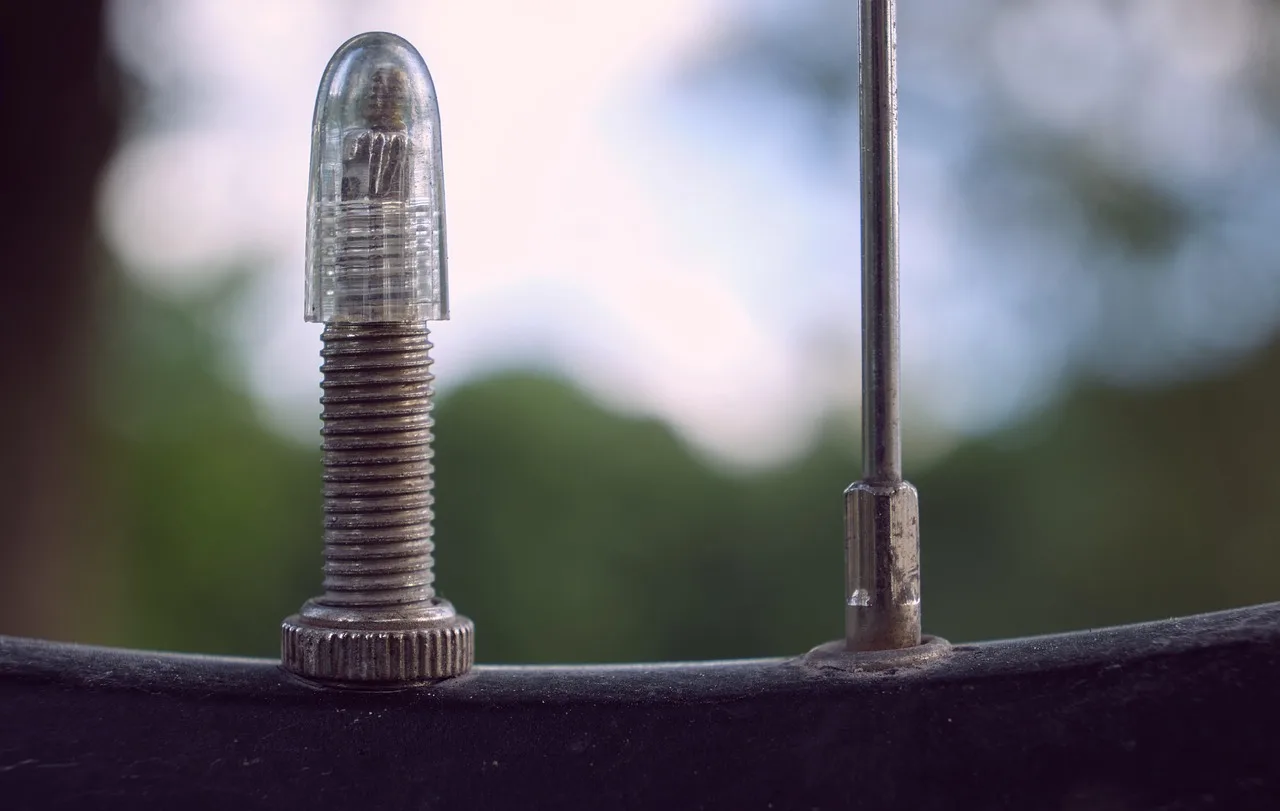


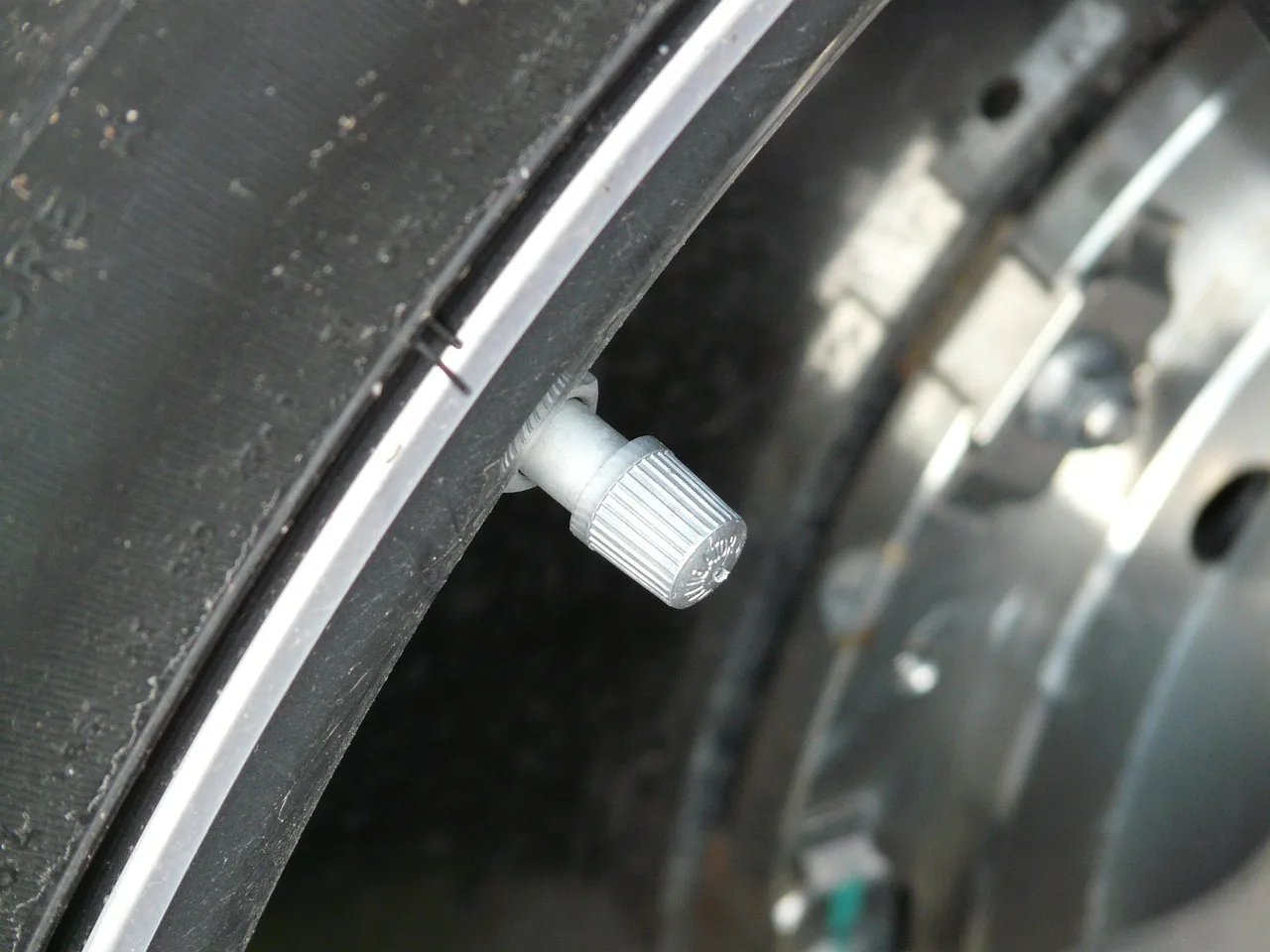
Yes. A tire valve cap is the threaded dust cap that covers the Schrader valve on many passenger cars. It helps keep dirt, water, and debris out of the valve core, which is the internal one-way air valve inside the stem. A missing cap may seem minor at first, but it turns into a problem once contamination, corrosion, or a leak appears.
The valve stem is the rubber or metal part that holds the valve core. If the cap area is dirty, damaged, or corroded, the stem can leak even when the tire still looks fine. Plastic and metal caps are both common, but metal caps can seize from corrosion or cross-threading.
What happens when the cap is missing
Replace the missing valve cap promptly. A missing cap leaves the core exposed to road grit, moisture, and winter salt. If the stem is clean and the tire holds pressure, the fix is simple: install a new cap and check pressure. If the stem is dirty, crusted, or already leaking, stop treating it as a cap-only issue.
What you’ll need
- Replacement tire valve cap that matches the valve type
- Tire pressure gauge
- Light lubricant for stubborn threads
- Pliers or locking pliers, if the cap is stuck and metal
- Valve core tool, if the valve core itself needs service
- Clean cloth or paper towel
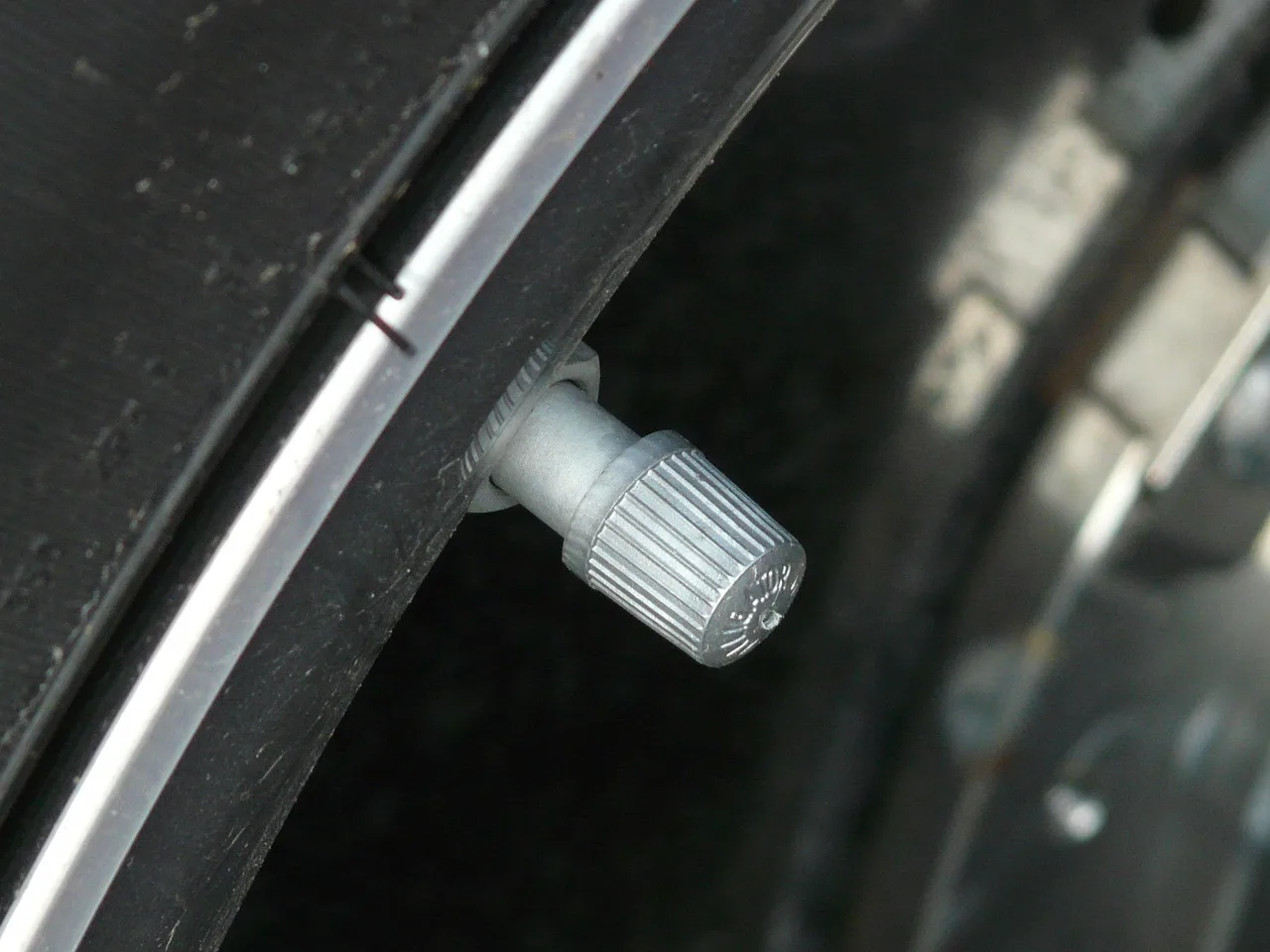
Start by turning the cap by hand. If it moves, keep the pressure light and steady. If it does not move, a drop of lubricant on the threads may help after a short wait. Use pliers only if the cap is metal and hand force fails; the goal is grip, not torque.
- Hold the stem steady and turn the cap counterclockwise by hand.
- If it binds, back off and add a drop of lubricant at the cap base.
- Wait briefly, then try again with fingertips.
- If the cap is metal and still stuck, use locking pliers with a very light grip.
- Stop if the stem twists, the cap rounds off, or the cap will not move without force.
Suppose a metal cap on a winter-driven sedan will not turn after a few finger turns. That usually points to corrosion at the threads, not a failed tire. A light lubricant and gentle pliers grip are reasonable next steps. A wrench-sized tug is not.
Tire valve troubleshooting table
| Symptom | Likely cause | Safest removal method | Replace the cap? | When to stop and visit a shop |
|---|---|---|---|---|
| Missing cap | Cap fell off or was never installed | Inspect the stem, clean the threads, install a new cap by hand | Yes, immediately | Stop if the stem is bent, cracked, or leaking |
| Stuck metal cap | Corrosion or cross-threading | Hand force first, then lubricant, then locking pliers with light pressure | Yes, if the cap survives removal | Stop if the cap rounds off or the stem starts to twist |
| Stripped threads | Cross-threading or worn cap threads | Remove gently and inspect the stem threads | Yes | Stop if the stem threads are damaged or the new cap will not start straight |
| Corroded stem | Winter road salt or moisture exposure | Clean the area carefully; do not force the cap | Yes, after cleaning | Stop if the stem body is cracked, pitted, or leaking |
| Leaking tire after cap removal | Dirty or damaged Schrader valve core, or stem damage | Check pressure and listen for a hiss at the valve | Yes, but only after the leak is addressed | Stop if air loss continues or the core needs replacement |
How do you replace a tire valve cap?
A cap that matches the valve type should be threaded on by hand until it seats. Do not use pliers to tighten a new cap. Finger-tight is usually enough for a dust cap, and forcing it can damage the cap or the stem threads. After installation, check tire pressure with a gauge.
- Inspect the valve stem threads for dirt, rust, or damage.
- Wipe the stem clean before installing the new cap.
- Start the cap straight by hand.
- Turn it clockwise until it stops.
- Stop at finger-tight; do not add extra force.
- Use a tire pressure gauge to confirm pressure after installation.
Why the cap is separate from the core
The Schrader valve core is separate from the cap. If the cap was missing long enough for dirt or moisture to enter, the core may need attention later. That is when a valve core tool matters. It is for the core itself, not for the cap.
What should you do if the cap is missing?
Clean the stem threads, inspect the area, and install a new cap soon. A missing cap is not an immediate breakdown, but it needs attention before contamination or corrosion starts. If the stem looks dirty, damp, or damaged, check pressure and listen for leaks right away.
- Wipe the stem and threads clean.
- Look for crust, rust, or a wet spot around the valve.
- Thread on a new cap by hand.
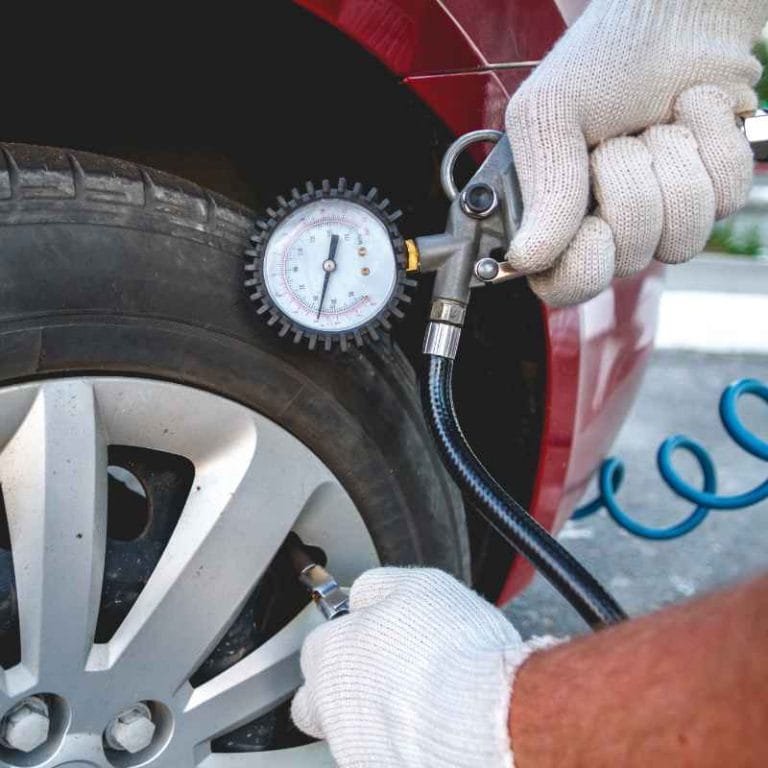
- Check tire pressure with a gauge.
- If pressure is falling, inspect for a hiss at the valve core and stop if the leak continues.
Picture a compact car parked after a snowy week with one cap gone. If the stem is dry and pressure is normal, a replacement cap and a quick gauge check are enough. If the stem is sticky or greenish from corrosion, that is a warning sign, not a cosmetic issue.
Common mistakes
Most cap problems get worse because the cap is forced, cross-threaded, or ignored. A stuck metal cap often comes from corrosion, especially after winter road salt or moisture exposure. A valve cap that will not turn easily should not be pried hard, because the stem can be damaged and the valve core can begin to leak.
- Using too much force: stop when the cap resists and switch to lubricant or careful pliers use.
- Cross-threading the new cap: start it by hand and back off if it does not turn smoothly.
- Confusing cap damage with stem damage: inspect the stem before assuming the cap is the only problem.
- Skipping the pressure check: use a tire pressure gauge after any cap issue.
- Using a valve core tool on a cap problem: the tool is for the core, not the dust cap.
If that didn’t work, try this next
If a cap still will not come off, move from the least invasive method to the next one. Start with hand removal. Then add a drop of lubricant. Then use locking pliers gently on a metal cap. If the stem twists, the cap rounds off, or air begins to escape, stop and let a shop deal with the valve stem or core.
- Back off and retry by hand after a short wait.
- Apply lubricant to the threads and try again.
- Use pliers with the lightest useful grip.
- Check pressure after removal with a tire pressure gauge.
- If the tire leaks, the stem likely needs service and the core may need replacement with a valve core tool.
Mechanics may charge upwards of $30 to replace a tire valve stem, so it is worth separating a cap issue from a stem issue before you assume the worst. A tire can lose air from the valve stem, but a cap-only problem should not require bead work or wheel removal. Shops use a machine for stem work; a cap job should stay much simpler.
Frequently asked questions
How do you remove metal tire valve caps?
Turn the cap by hand first. If it will not move, add a drop of lubricant to the threads and try again after a brief wait. Only then use locking pliers on the cap, and grip lightly to avoid marring the metal or twisting the valve stem.
How do you remove a stuck tire valve cap?
Use the least forceful method that works: hand removal, then lubricant, then careful pliers use. Stop if the stem twists or the cap rounds off. A stuck cap is usually a corrosion or debris problem, and brute force can turn a simple cap swap into stem repair.
Do you need tire valve caps?
Yes. The cap is a small part, but it keeps dirt, water, and road debris out of the valve core. Most passenger cars use standard Schrader fittings, and the cap protects that exposed end. If the cap is missing, replace it promptly and check pressure.
What tools do I need to replace a tire valve cap?
For a normal replacement, a new cap and a tire pressure gauge are enough. Add lubricant for stubborn threads, pliers for a stuck metal cap, and a valve core tool only if the core itself needs service after contamination or a leak.
Can a stuck valve cap damage the valve stem?
Yes. A cap that is seized by corrosion or cross-threading can tear at the stem threads or twist the stem when forced. If the stem starts moving with the cap, stop immediately. That usually means the problem is no longer just the cap.
Why does a tire valve cap matter if the tire already has a valve stem?
The stem holds the Schrader valve core, but the cap protects that opening from dirt and moisture. Without the cap, contamination can reach the core, and the stem area can corrode or leak. The cap is not the seal for air pressure, but it protects the parts that keep the seal working.
Products related to this article
Sponsored / affiliate links. As an Amazon Associate I earn from qualifying purchases. I may earn additional commission from eligible campaigns.