How to Maintain Car Tires on a Parked Car Without Flat Spots
Keep the tires at the driver-door placard pressure before storage, check them about every 2 to 4 weeks, and roll the car a short distance if it sits for more than about a month. Skip that care, and you can end up with flat spots, cracked sidewalls, slow leaks, and a rough or unsafe first drive. This applies to all vehicle types, and tire care belongs in the same maintenance collection that covers performance, fuel economy, sidewall reading, and flat-tire replacement guidance.
Parked tires age from time, load, sunlight, and air loss. The target is not a higher pressure than the placard lists. It is the correct cold pressure before storage and during storage, with small corrections for temperature swings and normal slow loss.
How parked-car tire care works


What you’ll need
- A reliable tire-pressure gauge
- An air source with a known working chuck
- The driver-door placard or owner’s manual
- Tire covers for outdoor storage, if needed
- A flashlight for sidewall checks
- Wheel chocks if the car must stay parked on a slope
Prepare the tires before storage
-
Record the cold pressure.
Check each tire with a gauge before storage, before the car has been driven that day. Write the readings down so you can spot slow loss later. -
Set placard pressure.
Use the driver-door placard or owner’s manual for the target cold pressure. If one tire is low, add air in 1 to 2 psi increments, then recheck. -
Choose a better parking spot.
Pick a level surface when possible. Concrete is stable; asphalt is fine if it is sound. Avoid soft ground, standing water, and any spot where the tires can sink or stay wet. -
Reduce sun and ozone exposure.
Shade helps, and outdoor storage benefits from tire covers. Keep the car away from ozone sources such as motors, welders, and battery chargers when you can. -
Move the car in place.
Roll it a short distance so the contact patch changes before long storage. A short drive matters more than starting the engine and letting it idle.
Sunlight speeds rubber aging. Ozone can crack rubber too. That is why a car stored outside needs more protection than one parked indoors, especially if it sits where the wheels get direct afternoon sun.
Say your sedan sits on the street for six weeks with tires set to the placard pressure. If the left front drops 3 psi while the others stay close, that tire deserves a leak check before the next drive. Uneven loss can point to a valve problem, a bead leak, or a small puncture.
Parked tire checklist
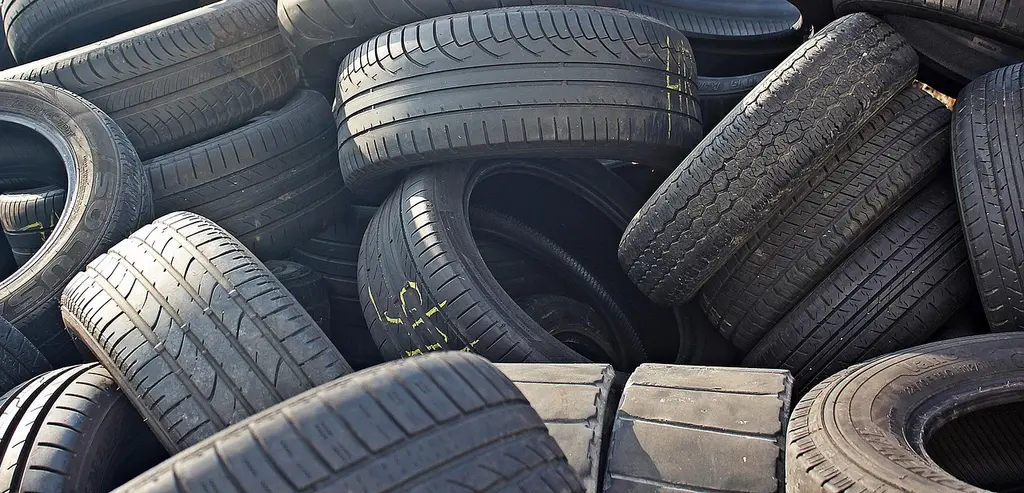
Use the timeline that matches how long the car will sit. The longer the storage, the more often you should inspect pressure and the more carefully you should watch for age-related damage.
| Storage timeline | What to check | Pressure check interval | Move the car | Do not drive if you see |
|---|---|---|---|---|
| 2 to 4 weeks | Cold pressure, visible cuts, nails, sidewall cracks, tire contact shape | Once before storage and again at 2 weeks if temperatures swing a lot | Roll it a short distance once during the period if practical | Bulges, exposed cords, deep sidewall cracks, a nail that is losing air |
| 1 to 3 months | Cold pressure, tread wear, flat-spot signs, weather cracking, valve-stem condition | Every 2 to 4 weeks | Move it every few weeks; a short drive is better than idling | Persistent vibration after a short drive, visible separation, sidewall damage |
| 3+ months | Pressure, UV damage, ozone cracking, tread age, sidewall condition, debris in tread | Monthly at minimum; weekly if temperatures change sharply | Roll the car periodically and rotate tire positions if storage is very long | Cracking across sidewalls, bulging, dry rot, cords, repeated low pressure, heavy vibration |
Flat spots can be temporary or permanent. Temporary flat spotting often eases after a few miles. Permanent flat spots are a different problem and can leave a tire rough or unsafe even after driving. Risk rises as the vehicle sits longer, and the first sign is often a vibration or thump on the first drive.
How often should you check tire pressure?
Check with a gauge before storage and then every 2 to 4 weeks during storage. Use the shorter end of that range if temperatures swing a lot, because cold snaps and heat can move pressure enough to matter. A parked tire also loses air slowly on its own.
For longer storage, monthly checks are the minimum. If the car sits outside in a place with large day-night temperature changes, weekly checks are safer. Keep the baseline reading you recorded before storage so you can compare each tire to its own starting point.
-
Read all four tires cold.
Check them before the car moves. Compare the numbers to the placard, not to the maximum molded on the sidewall. -
Add air in small steps.
Add 1 to 2 psi, then recheck. That keeps you from overshooting the target cold pressure. -
Log every change.
Write the date and the readings down. Repeated loss in one tire is a leak clue, not routine storage loss.
Common first-timer mistake: starting the engine and assuming the tires are protected. Idle time does nothing for flat-spot risk. The car needs movement, even if it is only a short roll across the driveway or around the block.
Should you move the car occasionally?

Yes, if the car sits for more than a few weeks. Rolling changes the contact patch and helps reduce static loading, which is one reason flat spots form. A short drive is better than starting the engine alone, because the tires need to rotate under load.
For a car parked about 1 to 3 months, move it every few weeks if possible. For 3+ months, use a regular schedule and consider rotating the tire positions if access allows. That spreads the load across the tires instead of keeping the same spot pinned to the ground.
-
Drive a short loop.
Move the car far enough for all four tires to rotate under normal load. A few minutes of driving is more useful than a quick idle. -
Feel for vibration.
If the steering wheel or seat shakes after storage, stop and inspect the tires before longer driving. A temporary flat spot should fade; a permanent one will not. -
Recheck pressure afterward.
Heat from driving changes the reading, so use the cold tire reading later, not the hot one, as your storage baseline.
Suppose a coupe sits for ten weeks on an outdoor driveway with the left rear tire shaded and the right rear in full sun. The sun-exposed tire may age faster, even if both started at the same pressure. That is why location and cover choice matter, not pressure alone.
How do I store a car long term without damaging the tires?
Use a storage plan that combines pressure control, load control, and weather protection. For indoor storage, keep the car on a level surface and away from direct ozone sources. For outdoor storage, use shade or covers, and inspect more often because sunlight, moisture, and temperature swings are harsher.
Do not park on soft ground if you can avoid it. Dirt can hold moisture against the tire, and soft soil can let the car settle unevenly. Standing water is worse. Concrete or stable asphalt is usually better because it keeps the tires supported evenly.
-
Park level and dry.
Choose a surface that stays firm. Move the car if water collects under the tires. -
Use covers outdoors.
Fit them snugly so they block sun and weather without trapping moisture against the rubber. -
Protect against ozone.
Keep the car away from nearby electric motors, chargers, and welding equipment when possible.
Tire covers help most when the car sits outside. Indoors, they may be less important. Outdoors, a cover that fits loosely can flap and hold damp air, so a snug fit is better than a baggy one.
Common mistakes
Most storage tire problems come from a few avoidable habits. The biggest one is assuming a parked car needs no tire attention at all. It still needs pressure checks, location checks, and a pre-drive inspection before road use.
- Using the sidewall maximum instead of the placard pressure
- Waiting until the first drive to check for cracks or bulges
- Letting the car sit on soft ground or in standing water
- Skipping covers on an outdoor car with direct sun exposure
- Ignoring repeated vibration after the car is moved again
- Relying on the engine running instead of actual wheel movement
When a tire shows deep cracking, a bulge, cords, or a sidewall cut, do not drive on it. If the car has sat so long that the rubber is weather-checked and the vibration does not go away after a short drive, replacement is safer than trying to “work it out.”
What should you check before driving a car that has been parked for months?
Check the tires for cracking, bulges, embedded debris, tread damage, and sidewall damage before the first road trip. Then listen and feel for vibration or noise during the first few miles. If a tire looks damaged or feels wrong, do not assume it will settle down.
Long storage can age a tire even when tread depth still looks acceptable. A tire that is old, cracked, or showing sidewall damage may need replacement before use. Tread depth alone does not clear a tire for driving after months of storage.
-
Inspect every sidewall.
Look for cracking, cuts, bulges, and rubbing marks. Use a flashlight if the car has been outside. -
Check the tread carefully.
Remove stones, nails, and other debris. A slow leak may be hiding in plain sight. -
Drive gently at first.
Listen and feel for vibration. If the roughness persists after a short drive, stop and inspect again.
Frequently asked questions
How do I keep car tires from going flat while the car sits?
Set them to placard pressure before storage, recheck every 2 to 4 weeks, and move the car periodically so the contact patch changes. If the car sits outside, use shade or tire covers and keep it off soft, wet ground. Slow pressure loss is normal; repeated drops need a leak check.
How often should I check tire pressure on a car that isn’t driven much?
Check weekly if temperatures swing hard, every 2 to 4 weeks for moderate storage, and at least monthly for long-term storage. Use a gauge on cold tires and compare the reading to the driver-door placard. If one tire keeps losing air, inspect the valve stem, bead, and tread area.
What tire pressure should I set for a parked car?
Use the vehicle placard or owner’s manual target for cold pressure. Do not guess and do not use the sidewall maximum as the target. If the car sits through a cold spell, the pressure may drop and need a top-up in 1 to 2 psi steps with a recheck.
Can a car get flat spots from sitting too long?
Yes. Flat spots can be temporary or permanent, and the risk rises with long stationary periods. The first clue is often a vibration or thump on the first drive. If the vibration fades after a few miles, it may have been temporary; if it stays, inspect the tires closely.
Should I move a parked car occasionally to protect the tires?
Yes. Rolling the car changes the load on the tire and can reduce static loading. A short drive is better than starting the engine only, because the tires need to turn under load. For long storage, moving it every few weeks is a practical target.
Do I need tire covers if my car sits outside?
Usually, yes. Outdoor storage exposes tires to sunlight, weather, and more temperature swing, and covers help block that exposure. Choose covers that fit snugly and do not trap moisture. If the car is indoors and away from sun and ozone, covers are less important.
When should I replace tires that have sat unused for a long time?
Replace them before driving if you find bulges, exposed cords, deep sidewall cracking, separation, or damage that stays after a short drive. Also replace a tire that vibrates badly after storage or shows weather aging severe enough to make road use questionable, even if tread depth still looks fine.
Products related to this article
Sponsored / affiliate links. As an Amazon Associate I earn from qualifying purchases. I may earn additional commission from eligible campaigns.