Which Car Sounds The Best? Engine Sound Comparison
Ever been driving and heard a car pass by, its engine note just singing? That sound can instantly grab your attention, right? It’s more than just noise; it’s a symphony. Many car lovers agree that the sound a car makes is a huge part of its charm — so much so that fans debate how to even spell it in words. It adds to the feeling of power and excitement. But what makes one engine sound better than another? And which cars actually win in the sound department? Let’s explore this fascinating topic.
The best car sounds often come from engines designed for performance and a rich exhaust note. Factors like cylinder count, exhaust system tuning, and engine displacement play key roles. While subjective, many agree that sports cars and classic muscle cars offer the most appealing engine sounds.
Understanding What Makes a Car Engine Sound Good
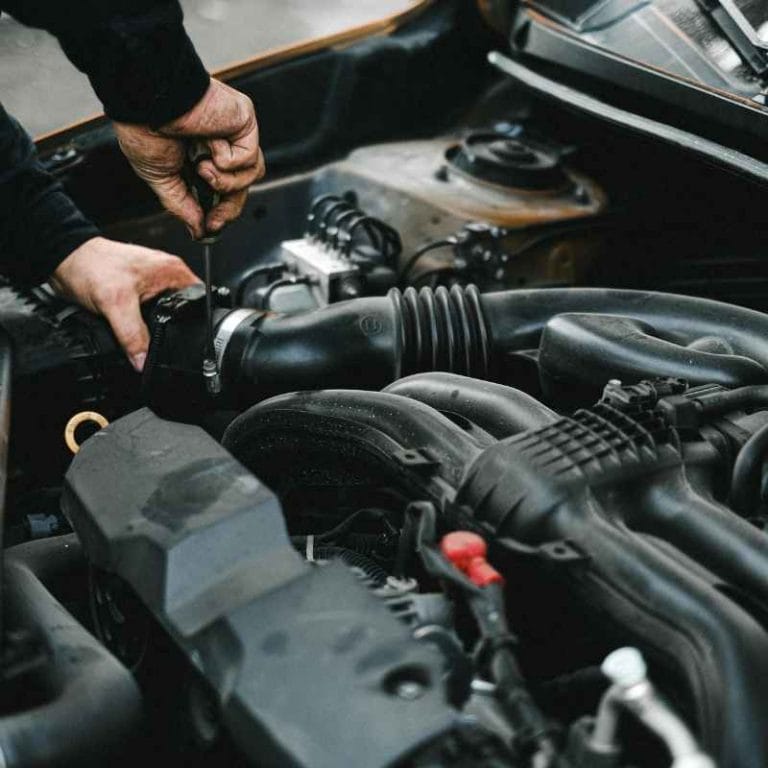
It’s interesting how different cars sound so unique. That distinct rumble or high-pitched whine isn’t random. It’s built into the engine and exhaust. Think about it like a musical instrument. A piano sounds different from a guitar. A car engine’s sound comes from several main parts working together.

PYFORE
PYFORE RC Car 2nd Generation Motor Sound…
- Improved the noisy sound of the first generation of idle speed.Increase the volume adjustment,Built-in 10 kinds of car sounds, inc…
- It can be installed in Feitian gt2, gt2b, gt3c, gt3b, Radiolink rc3s, rc3sAg, futaba 1/10 remote control car, the engine sound sim…
- Supports most 2.4G independent receivers, solves noise problems, and is equipped with volume adjustment buttons.
As an Amazon Associate I earn from qualifying purchases.
The engine itself is the first big player. How many cylinders does it have? What’s its shape? These details change the basic noise it makes. For example, a V8 engine naturally has a deeper, fuller sound than a small four-cylinder engine. This is because it has more cylinders firing. Each firing makes a small explosion that pushes air and gases out. More explosions mean a bigger, more complex sound.
Then there’s the exhaust system. This is like the muffler and pipes that carry the sound away. The design of the exhaust is super important. A straight pipe without much muffling will let a lot of the raw engine sound through. This is often loud and aggressive. A system with lots of mufflers and baffles will quiet things down a lot. It smooths out the sound, making it less sharp.
The actual shape and size of the pipes matter too. Some pipes are designed to amplify certain frequencies. This means they make certain pitches louder. It’s like tuning an instrument to a specific note. Many performance cars have exhaust systems built to make a pleasing sound. They want drivers and people nearby to hear a sporty, exciting noise.
Think about the difference between a quiet family sedan and a sports car. The sedan uses a lot of muffling. It wants to be calm and quiet inside. The sports car wants you to hear its power. It uses less muffling and sometimes special resonators. Resonators are like echo chambers for sound. They can add a certain tone or a burble to the exhaust.
So, it’s a mix of the engine’s natural sound and how the exhaust system shapes it. The goal is often to create a sound that feels powerful and exciting. It should match the car’s performance and look. This is why tuning the exhaust is a big deal for car makers and enthusiasts alike.

My First “Wow” Engine Sound Moment
I remember being a kid, maybe ten years old. My dad had this old Ford pickup truck. It was a dark green, beat-up thing. But when he started it up on a cool Saturday morning, it made a sound that still sticks with me. It wasn’t just a loud noise. It had a deep, low rumble. It felt like the ground was vibrating just a little bit.
I was sitting on the porch steps, sipping some juice. The sound hit me. It was so different from the tinny sound of our family sedan. This truck’s engine sounded strong. It sounded like it could pull anything. It had a certain grit to it. Even though it was an old truck, that rumble felt powerful. It made me feel a sense of awe.
I think that was the first time I really paid attention to how a car sounds. It wasn’t just about getting from point A to point B. It was about the feeling the sound gave me. It was rough, but honest. It told a story of hard work and capability. That simple, deep rumble of the old Ford pickup stuck with me for years. It’s one of my earliest, most vivid car memories.
What Makes Car Sounds Different? A Closer Look
So, why do we hear such a wide range of sounds from different cars? It’s more than just the engine type. Many details add up. Let’s break down the main reasons why one car’s engine note might make you smile and another might just make you wince.
Engine configuration is a big one.
Inline-4 Engines: These are very common. They are efficient and work well in smaller cars. They often have a higher-pitched, sometimes buzzy sound. It’s not bad, but it’s usually not considered a “great” sound by enthusiasts.
Inline-6 Engines: These have a smoother, more balanced sound than an inline-4. They have a more resonant tone. They were popular in many classic cars and some modern luxury sedans.
V6 Engines: These combine two banks of three cylinders. They can have a deeper sound than inline-4s. The V shape can sometimes make the sound a bit more complex or uneven.
V8 Engines: Ah, the V8. This is often the king of car sounds. With eight cylinders in a V shape, they produce a deep, muscular rumble. The firing order of a V8 is key to its iconic sound. It’s a sound many people associate with power and American muscle.
Flat-Four (Boxer) Engines: Subaru and Porsche famously use these. The cylinders lie flat and move towards each other. This gives them a unique, sometimes rough or raspy sound. It’s distinctive.
W12 Engines: These are very rare, found in ultra-luxury cars like Bentley. They have a very smooth, deep, and complex sound due to the 12 cylinders.
Then we have the exhaust system itself.
Mufflers: These are designed to quiet the sound. The more baffles and chambers inside a muffler, the quieter the sound. Performance cars often have less restrictive mufflers.
Resonators: These help tune the sound. They can remove unwanted frequencies or add specific tones. Some cars have resonators to make their exhaust note sound sportier.
Exhaust Pipes: The size and material of the pipes affect sound. Larger pipes can allow more sound through. Some exotic materials can also change the acoustics.
Catalytic Converters: While mainly for emissions, they do affect sound slightly. They break up exhaust gases.
Firing order is another subtle but important point. This is the sequence in which the engine’s cylinders ignite. A different firing order can change the rhythm and tone of the exhaust note. It’s like changing the beat of a song.
Displacement matters too. A larger engine, meaning it has a bigger volume for its cylinders, usually makes more air and gas move. This often leads to a deeper, louder sound.
Finally, there’s the design of the overall car. A lightweight sports car might sound louder because there’s less insulation. A heavy luxury car might sound very quiet.
My Garage Experiment: Tuning for Sound
Once, I got a little obsessed with exhaust sounds. I had a car with a fairly standard engine, a common inline-4. It sounded okay, but it was just… there. It didn’t excite me. I’d always loved the sound of performance cars. So, I decided to try and improve my car’s sound without spending a fortune on a brand-new, high-end exhaust.
I started by researching. I looked at different types of mufflers and resonators. I found online forums where people talked about their experiences. I learned that some mufflers are designed for a deeper tone, while others aim for a sportier rasp. I also found out that a resonator could add a nice burble at lower speeds.
It was a bit of a gamble. I ended up buying an aftermarket muffler that was described as giving a “sporty, deep tone.” I also added a small, aftermarket resonator. Getting them installed was a bit of an adventure. The mechanic wasn’t sure about my choices, but he installed them.
The first time I started the car after the work, I held my breath. It was a small car, so I didn’t expect miracles. But wow! It was different. When I started it, there was a definite, deeper rumble than before. It wasn’t super loud, but it had more character. When I drove it, there was a nice, low hum. At higher speeds, it wasn’t annoying, but when I got off the gas, there was a pleasant little burble.
It wasn’t a V8 sound, not by a long shot. But it was my sound. It made the car feel more alive. It made driving more fun. It was a simple change, but it made a big difference to my experience. It showed me how much the exhaust system can truly transform a car’s voice. I learned that you don’t always need the most expensive parts to get a sound you love. It’s about understanding what you want and finding the right parts for your specific car.
Comparing the Legends: Cars Famous for Their Engine Sounds
When car people talk about sound, certain names always come up. These are the cars that have defined what a great engine note is. They’ve been inspiring car lovers for decades.
The Symphony of the V8
Muscle Cars: Cars like the Ford Mustang GT, Chevrolet Camaro SS, and Dodge Charger R/T are famous for their V8 engines. They produce a deep, throaty roar that many people find incredibly exciting. This sound is aggressive and powerful.
It’s a sound that means “American muscle.”
Exotic Supercars: High-performance sports cars from brands like Ferrari and Lamborghini often have V8s or even V10s. Their engines are designed to rev very high. This creates a high-pitched, screaming sound that is both thrilling and melodic.
It’s a sound of pure speed and advanced engineering.
The Smoothness of Inline-6
Classic Luxury Cars: Many classic European cars, like certain BMWs and Jaguars, featured inline-6 engines. These engines offered a very smooth and refined sound. It was a deep, consistent hum that spoke of quality and effortless power.
The Unique Notes
Porsche Flat-Six: The iconic sound of a Porsche 911 is unmistakable. Its flat-six engine has a unique, sometimes raspy or howling sound, especially as it reaches higher RPMs. It’s a complex, almost mechanical music.
Rotary Engines: Mazda’s RX series cars famously used rotary engines. These engines have a distinctive high-pitched, almost buzzing sound. It’s unlike any other common engine type and has a cult following.
The Pure Performance Screamer
Formula 1 Cars: Historically, Formula 1 cars had incredibly high-revving engines that produced an ear-splitting, high-frequency shriek. This sound was a pure expression of extreme engineering and speed, though regulations have changed this over time.
These cars show how different engine designs create different sonic experiences. What one person loves, another might find too much. But these are the sounds that have captured the hearts of car fans worldwide.
Real-World Scenarios: Where Sound Really Matters
Think about where you first notice a car’s sound. It’s usually in everyday situations. How a car sounds can affect how you feel about it.
Driving on the Highway: When you’re cruising on the open road, a smooth, deep engine note can be very relaxing. It adds to the feeling of effortless travel. A car with a constant, annoying drone can make a long trip feel much longer. Many modern cars are designed to minimize highway noise inside the cabin. But the external sound is still part of the experience for others.
City Driving: In the city, with lots of stops and starts, you hear the engine more often. A car with a sporty sound can make even a trip to the grocery store feel a bit more exciting. That little growl when you accelerate from a light can be fun. However, a car that’s too loud can be disruptive. It can also attract unwanted attention from law enforcement.
Driving with the Windows Down: This is when you really get to experience the engine’s voice. On a nice day, rolling down the windows lets the full sound of the exhaust come into the cabin. It connects you directly to the machine. This is why sports car exhaust notes are so important. They are designed to be enjoyed this way.
Car Shows and Enthusiast Gatherings: At car shows, people often rev their engines. This is a chance to show off the sound they love. It’s a competitive display of automotive acoustics. The roar of multiple V8s or the howl of high-revving engines fills the air. This is where the “best sounding” debates really heat up.
Performance Driving Events: On a track or at autocross events, the sound of a car is directly linked to its performance. The high-pitched scream of an engine at its limit, the growl under hard braking, the quick exhaust pops on downshifts – these are all part of the thrill. The sound becomes a signal of speed and control.
What the Sound “Means” for Your Car
So, if your car makes a certain sound, does it tell you anything important? Yes, it can. You can learn a lot by just listening.
A Deep, Steady Rumble: This often means you have a larger engine, like a V6 or V8. It’s usually a sign of healthy power. If the rumble is smooth and consistent, that’s a good thing.
A High-Pitched Whine: This can come from smaller, four-cylinder engines or engines that rev very high. It’s common in many modern cars and some sports cars. If it’s a clean, clear sound, it’s usually normal.
A Strange Knocking or Tapping: This is when you should pay attention. A knocking sound could mean something is wrong inside the engine. It might be a problem with the pistons or bearings. You should get this checked by a mechanic right away.
A Hissing Sound: This can happen after you turn off the engine. It’s usually just hot exhaust parts cooling down. But if you hear a hiss while the engine is running, especially under the hood, it could mean a leak in a hose or a vacuum issue.
A Loud Roar or Drone: If your car suddenly becomes much louder, it could be a problem with the exhaust system. A hole in the muffler or a broken pipe will let a lot more noise escape. This can also be a sign of rust or damage to the exhaust pipes.
Popping or Backfiring: This usually happens when you let off the gas. It can sometimes be designed into performance cars for a sporty effect. But if it’s happening frequently or unexpectedly, it could mean the engine is running too rich (too much fuel) or there’s an issue with the ignition timing.
Listening to your car’s engine sound is like checking its pulse. Most of the time, it will sound normal and healthy. But if it changes suddenly or makes new, strange noises, it’s worth investigating. It can help you catch small problems before they become big, expensive ones.
Quick Tips for Enjoying Your Car’s Sound
You don’t need to be a mechanic to appreciate your car’s acoustics. Here are a few simple things you can do:
Roll Down Your Windows: This is the easiest way to connect with your car’s sound. Do it on a nice day on a quiet road.
Listen When You Start It Up: Pay attention to the initial sound. Is it smooth? Does it have a nice tone?
Listen When You Accelerate Gently: Notice how the sound changes as the engine works. Is it a pleasant build-up?
Listen When You Shift Gears: In manual cars, the sound changes are very noticeable. Enjoy the transitions.
Research Your Car’s Engine Type: Knowing if you have a V6, inline-4, etc., helps you understand what kind of sound to expect.
Consider a Mild Exhaust Upgrade (If You Want): If your car’s sound is really disappointing, a new muffler or resonator can make a big difference. But do your research first!
## Frequently Asked Questions About Car Engine Sounds
What makes a V8 engine sound so good?
V8 engines have a unique sound due to their design. They have eight cylinders firing in a specific sequence. This creates a deep, full, and often rumbling sound that many people find very appealing. The firing order and the way the exhaust gases are managed both contribute to this signature sound.
Can I make my car sound like a sports car?
You can alter your car’s sound, but it’s hard to perfectly replicate a sports car. Aftermarket exhaust systems, including mufflers and resonators, can change the tone and volume. However, the engine type (like a V6 or V8) has a much bigger impact on the fundamental sound. Adding a loud muffler might make it noisy, but not necessarily sound like a specific sports car.
Is a louder exhaust always better?
Not necessarily. What’s considered “better” is subjective and depends on personal preference. Some people prefer a subtle, refined sound, while others like a more aggressive roar. A loud exhaust can also be annoying or even illegal in some areas. The quality and character of the sound are often more important than just the volume.
What is an exhaust burble?
An exhaust burble is a series of popping or gurgling sounds heard from the exhaust system, usually when the engine is decelerating (when you lift your foot off the gas pedal). It happens because unburnt fuel ignites in the hot exhaust system. Many performance cars are tuned to produce this sound, and it’s often considered a desirable feature.
How does engine displacement affect sound?
Engine displacement refers to the total volume of the cylinders in an engine. Generally, larger displacement engines (like V8s) tend to produce deeper and louder sounds than smaller displacement engines (like inline-4s). This is because they move more air and fuel, resulting in more powerful combustion events.
Are there any safety concerns with loud exhausts?
Loud exhausts can be a safety concern. They can make it harder for drivers to hear important sounds like sirens from emergency vehicles. In some areas, excessively loud exhausts are illegal and can result in fines. It’s important to be aware of local noise ordinances.

The Final Note: Appreciating the Sound
The sound of a car’s engine is a powerful part of its identity. It’s a blend of engineering, design, and the pure joy of motion. Whether it’s the deep rumble of a classic V8, the high-pitched scream of a supercar, or the unique note of a boxer engine, each sound tells a story. It’s a story of power, heritage, and passion. What sounds “best” is a personal journey. But understanding what creates these sounds helps us appreciate the engineering and artistry involved. So next time you hear a great engine note, take a moment to really listen. You might just hear music.
Related pick: Check today's price on Amazon
Products related to this article
Sponsored / affiliate links. As an Amazon Associate I earn from qualifying purchases. I may earn additional commission from eligible campaigns.