How to Adjust Carburetor Mixture Screws the Right Way
Start with a warm engine. Set curb idle with the throttle stop, then turn each mixture screw in until rpm falls, and back it out to the highest idle or vacuum. That usually lands near 1 to 3 turns out. Skip that order and you can hide a vacuum leak, chase a choke fault, or end up with rough idle and stalling. This guide shows the tuning sequence, the symptoms that point to mixture, and when the screws are the wrong fix.
What the mixture screws actually control


Idle mixture screws control the fuel-air mix in the idle circuit. They do not set idle speed, which is the job of the idle speed screw. If you use the mixture screws to hold rpm up, you can hide another fault and end up tuning around it instead of fixing it.
Idle mixture screws versus idle speed screw
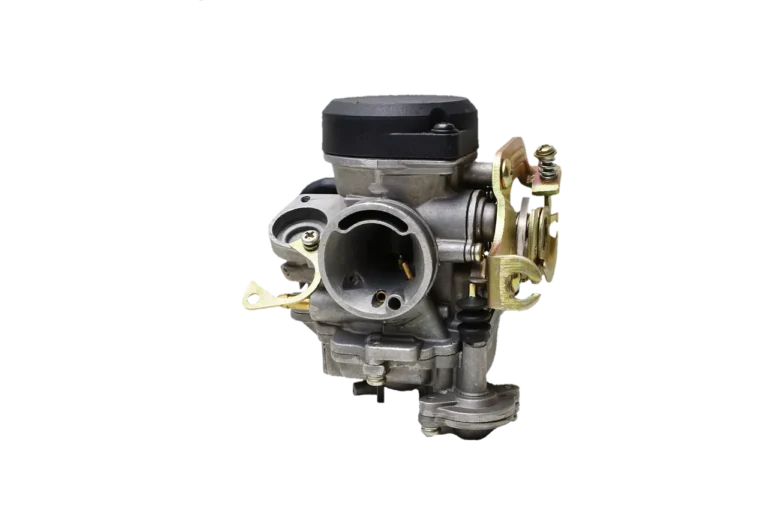
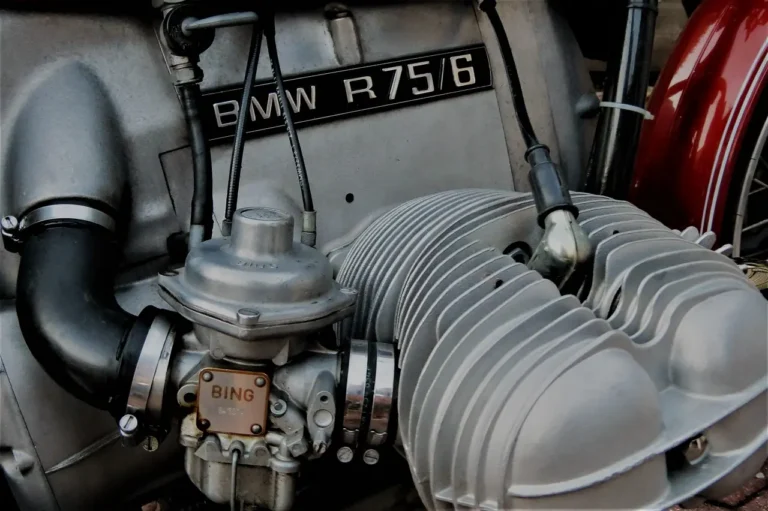
On a two-screw carburetor, the idle mixture screws are the adjustment points that control how much fuel the idle circuit feeds at closed throttle. The direction that leans or richens the mixture can vary by carburetor design, so check the service manual before turning them. The idle speed screw changes throttle blade position, so it changes rpm without changing mixture ratio.
Two-screw carburetor layouts
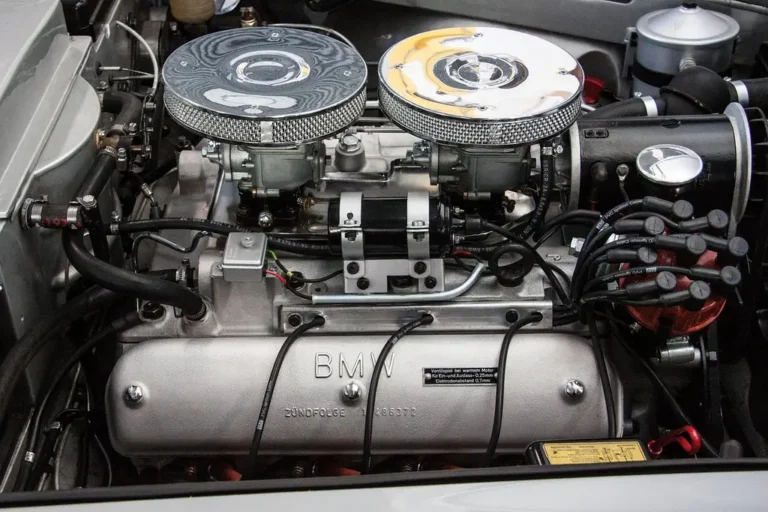
An Edelbrock AVS style carburetor uses two idle-mixture screws, one on each side. Other carb styles may use a single mixture screw, more than two screws, or a different access point entirely. Some carburetors also call for a model-specific base setting and a paired adjustment method from the service manual. The method is the same in principle: find the engine’s best idle response one circuit at a time, then reset idle speed after each mixture change.
When this method fits and when it does not
This method fits a healthy carburetor with a clean idle circuit and no major air leaks. It does not fit a sticky throttle, a choke problem that keeps the engine too rich, or a dirty passage that ignores small screw changes. If rpm does not react in a normal way, stop treating the screws as the fix.
How warm should the engine be first?
The engine should be at operating temperature before the screws are adjusted. Cold settings can be misleading because choke position, fuel vaporization, and fast-idle behavior can all change the result.
Warm it before the adjustment
- Park and secure the car. Put the transmission in Park or Neutral and set the parking brake. You want the engine running without any chance of vehicle movement while you work near the fan and belts.
- Let it reach operating temperature. Run it until it is at normal operating temperature so the choke opens and the idle circuit is working in its normal range. A warm engine gives a repeatable baseline.
- Remove the air cleaner if needed. Take off the air cleaner for access, and watch for any vacuum hoses attached to it. Some setups route hose connections through the cleaner base, so pull them free carefully before reaching for the screws.
Say your engine idles at 1,100 rpm on cold start and settles near 850 rpm after warm-up. Tune it only after the warm idle stabilizes, or the mixture screws will point you toward a setting that changes again a few minutes later.
What tools and access do you need?
You need a flathead screwdriver for the mixture screws and a tachometer to read rpm while you tune. A tachometer can be built into a timing light, which is useful if that is the only rpm display available. You also need clear access to the carb top so you can turn the screws in small, controlled moves.
Tachometer and timing light rpm readout
Rpm response is the main signal during mixture tuning. A vacuum gauge can help on some engines, but a tachometer is the cleaner starting point because you can see small rpm changes after each screw move. If you have both, use rpm first and vacuum as a cross-check for smoothness.
Flathead screwdriver access
The guide uses a flathead screwdriver for the mixture screws. Use a driver that fits the slot cleanly so you do not chew up the screw head. The idle speed screw on this carb is also adjusted with a flathead, so keep the tool handy between passes. Do not force mixture screws against their seats, or you can damage the tips and the carb body.
Air cleaner and vacuum hose removal
Remove the air cleaner if it blocks access. Check for vacuum hoses connected to the air cleaner or nearby fittings before you start turning anything. If a hose is loose, cracked, or missing, fix that first; otherwise the screw change may only hide the leak for a few minutes.
Carburetor tuning worksheet
Use this log to keep each change small and repeatable. Record the starting idle rpm, each screw position, the rpm change after each adjustment, and any symptom that appears. If rpm does not respond, do not keep turning the screws; stop and inspect for a vacuum leak, choke issue, sticky linkage, or dirty idle circuit.
| Carb type | Starting idle rpm | Left screw turns | Right screw turns | rpm change after each adjustment | Final idle rpm | Observed symptoms |
|---|---|---|---|---|---|---|
| Edelbrock AVS, two-screw | 850 | 1/8 out from seated | 1/8 out from seated | +25 rpm, then +10 rpm | 905 | Steady idle, no stumble, slight vacuum gauge rise |
| Two-screw street carb | 900 | 1/4 in from previous setting | 1/8 out from previous setting | -20 rpm, then +15 rpm | 895 | Idle smoothed after second screw correction |
| Single-screw carb | 780 | — | 1/8 out from baseline | 0 rpm change | 780 | No response; inspect for leak, choke, or dirty idle passage |
Decision box: If rpm does not change after a small screw move, stop and inspect for a vacuum leak, choke problem, throttle linkage issue, or dirty idle circuit before you continue.
How do you set the screws the right way?
Set a workable idle baseline first, then use one mixture screw at a time to find peak idle rpm. Use the manufacturer’s specified base setting and, where required, make equal paired adjustments from that baseline. Turn the screw in to lean the mixture and out to richen it, making small changes and watching for the highest rpm or strongest idle response. After each mixture change, reset idle speed again.
Start from a stable idle baseline
- Set the curb idle. Use the idle speed screw to bring the engine to the idle speed specified for the engine or carburetor, then use that as the starting point for mixture tuning. Do not chase the final rpm here; you are only giving the mixture screws a stable starting point.
- Pick one screw first. On the example procedure, the left idle-mixture screw is adjusted first. Mark its starting position mentally or with a note so you can return to it if needed.
- Move in small increments. Turn the screw about 1/8 turn at a time. Bigger moves make it harder to see the rpm response and can take you past the peak before you know it.
Turn in to lean and out to rich
Clockwise leans the mixture because it reduces fuel flow through the idle circuit. Counterclockwise richens it because it adds fuel. Lean means more air than fuel. Rich means more fuel than air. Both ends can hurt drivability and engine life if you stay there too long.
Find peak idle rpm with small changes
- Turn the screw in slowly. Watch the tachometer while the engine idles. When rpm drops, you have moved past the best point on the lean side.
- Back the screw out. Return the screw counterclockwise until rpm rises to the strongest idle. Do not keep backing it out once rpm stops improving.
- Reset the idle speed. After each mixture change, correct the idle speed again so the throttle stop does not mask the mixture result.
Suppose the engine idles at 850 rpm, then rises to 880 rpm after a 1/8-turn out, then falls to 870 rpm after another 1/8-turn out. The peak is near the middle setting, so that is the direction to keep, with idle speed reset after each pass.
How do you balance both screws on a two-screw carburetor?
On a two-screw carburetor, balance comes from alternating between screws in small corrections. Set one side to peak response from a known baseline, reset idle speed, then move the other side the same way. Keep both screws close enough that one side is not doing all the work, because that can create an uneven idle and a false rpm target.
Alternate between screws in small corrections
- Adjust the left screw first. Use the left idle-mixture screw as the first reference point, then bring it to the best rpm you can get in small steps. If rpm drops when you turn in, reverse direction slowly until the engine smooths out.
- Match the right screw. Move to the right screw and repeat the same small-increment search. Aim for similar rpm response from each side so the idle circuit feeds evenly.
- Loop back for balance. Return to the first screw and make a final small correction if the second screw changed the idle character. Two-screw carb tuning is a back-and-forth process, not a one-pass setting.
Reset idle speed after each pass
Each time the mixture changes, the idle speed will usually move. Reset the idle speed screw before judging the next mixture change, or you may think the screw made a difference when the throttle opening did the work. That is why the sequence matters: mixture first, then speed correction, then another mixture pass.
Use rpm change to judge balance
For a carb like an Edelbrock AVS, the best setting is the one that gives the strongest, most stable idle response without an unnecessary rich smell or stumble. If one screw causes a larger rpm change than the other, that side may be carrying more of the idle load and may need another small correction.
What if the rpm does not change?
If rpm does not respond to small screw changes, stop assuming the mixture screws are the problem. If rpm does not respond to small screw changes, it can point to a vacuum leak, choke fault, sticky throttle linkage, or a dirty idle passage. In that case, more screw movement can hide the real issue for a short time and leave the engine worse overall.
Vacuum leak signs
A vacuum leak often shows up as a high or unstable idle, a hissing sound, or a screw that seems to do almost nothing. If the engine reacts weakly to both richer and leaner settings, the leak may be pulling in enough extra air to overwhelm the idle circuit.
Choke problem signs
A choke that stays partly closed can make the engine too rich and make screw changes confusing. If the idle smells heavy, loads up, or clears only after opening the choke, inspect the choke linkage and opening position before touching the screws again.
Dirty idle circuit or sticky linkage
Dirty idle passages can block the fine fuel flow these screws are meant to meter. Sticky throttle linkage can also hold the blades slightly open and distort the baseline. Clean the carburetor before tuning if dirt or varnish is suspected, and make sure the throttle returns fully to the stop.
Frequently asked questions
How do I adjust carburetor mixture screws the right way?
Warm the engine, set a workable idle with the speed screw, then turn each mixture screw in small increments until rpm peaks. If you move the screw in and rpm drops, back it out a little at a time. Reset idle speed after each change so the throttle stop does not distort the result.
Which way do I turn carb mixture screws to make it leaner or richer?
The direction that leans or richens the mixture can vary by carburetor design, so use the service manual for your model before turning the screws. Use small moves, usually 1/8 turn at a time, and watch the tachometer for rpm changes. If the engine gets rough or stalls as you adjust it, return toward the peak idle point instead of forcing the setting farther.
Do I need to adjust idle speed before mixture screws?
Yes. Set a stable baseline with the idle speed screw first, then tune the mixture screws. The speed screw establishes a starting rpm, while the mixture screws fine-tune the idle circuit. If you skip that order, you can chase the throttle stop instead of the air-fuel mix.
How warm should the engine be before adjusting mixture screws?
The engine should be at operating temperature so the choke opens and the idle circuit settles into normal operation. Cold tuning can lead you to a setting that changes once the engine fully warms.
What rpm should I aim for when setting carb mixture screws?
Do not force one universal target onto every engine combination. Use the rpm range shown for the carb setup as a working baseline, then tune for the highest idle response within that range. The point is peak stability, not a fixed number that ignores camshaft, timing, and drivetrain differences.
How do I balance both mixture screws on a two-screw carburetor?
Adjust one screw, reset idle speed, then adjust the other screw in the same small steps. Return to the first screw for a final correction if needed. Balance means both sides produce similar rpm response, so the engine idles evenly instead of depending on one side of the carb.
What happens if I set the mixture screws too lean or too rich?
Too lean can cause stumbling, surging, hesitation, and higher heat under some conditions. Too rich can bring a fuel smell, rough idle, and loading up. Both can hurt the engine if you leave them out of range, which is why rpm response and symptom checks matter more than a random screw position.
Products related to this article
Sponsored / affiliate links. As an Amazon Associate I earn from qualifying purchases. I may earn additional commission from eligible campaigns.
 Air Mixture Carburetor Screw Adjusting Tool Screw Tool Hand for Snowmobile 90 Degree Angled Head Alloy Repair Tools
 Ferilter 12 PCS Carburetor Adjustment Tool Carb Adjusting Tool Kit for Husqvarna Stihl Ryobi Troy Bilt Echo Poulan Trimmer Weedeater Chainsaw Blower 2 Cycle Small Engine Fuel line Primer Bulb