How to Remove Water Spots From Car Glass and Paint
Rinse fresh spots first; use about equal parts vinegar and distilled water or about 70% to 90% isopropyl alcohol for light deposits, a clay bar or a dedicated water-spot remover for bonded residue, and polishing only if the glass or paint is etched. Ignored spots can turn into permanent marks, dull trim, and cloudy glass that reduces visibility. This guide shows which method fits glass, paint, chrome, trim, and interior stains, plus how to keep spots from coming back.
Water spots: what to check first


Fresh residue, bonded mineral deposits, and etched marks do not react the same way. Start with a wash and full dry, then match the cleaner to the surface and the age of the spot. That order matters because a strong cleaner on the wrong panel can haze trim, disturb fresh paint, or leave tint edges cloudy.
What you’ll need
- Two wash buckets: one with wash solution, one with plain rinse water
- Gentle car wash or baby shampoo
- Microfiber cloths or a soft drying towel
- Spray bottle
- White vinegar
- Distilled water
- 70% to 90% isopropyl alcohol
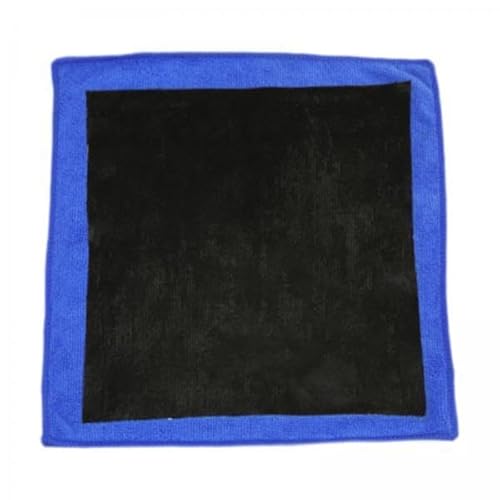
- Detailer’s clay bar and clay lubricant
- Commercial water-spot remover
- Soft interior cloth and an interior cleaner or steamer for seats and upholstery
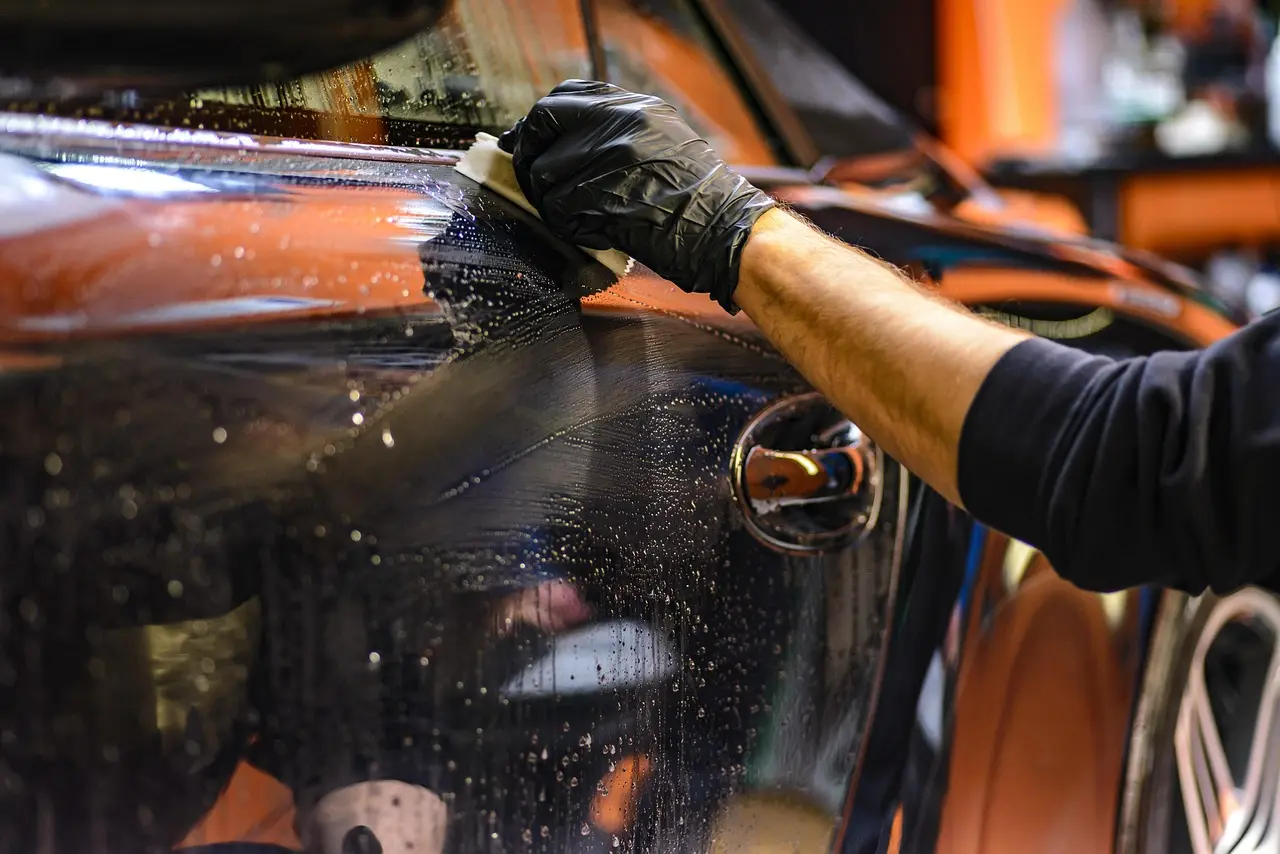
- Wash first. Clean the panel with the two-bucket wash method: one soapy wash bucket and one plain-water rinse bucket. Use a gentle car wash or baby shampoo, because this resets the surface before any spot treatment and keeps grit from being dragged across glass or clear coat.
- Dry right away. Wipe the surface with a lint-free microfiber cloth or soft drying towel as soon as you rinse it. Use a microfiber cloth or soft drying towel immediately after rinsing, before evaporation leaves more mineral residue behind.
- Check the spot type. If the mark wipes off, it was fresh residue. If it stays but feels smooth, treat it as bonded contamination. If the glass or paint still looks cloudy after cleaning, the surface may be etched and may need a spot remover or professional polishing.
- Match the cleaner. Use vinegar or alcohol only on the area that needs it, then stop if the mark does not change after the first pass. Use clay bar only after washing when the surface is clean. Use a commercial spot remover exactly as labeled only after the simpler methods fail.
Say your driver-side window shows pale rings after a sprinkler hit overnight. A quick wash plus drying may remove them if they are fresh. If the same spots remain after drying and still feel smooth to the touch, that points to bonded minerals, which is when vinegar or alcohol becomes the next step, not the first.
How do I remove water spots from car windows and paint?
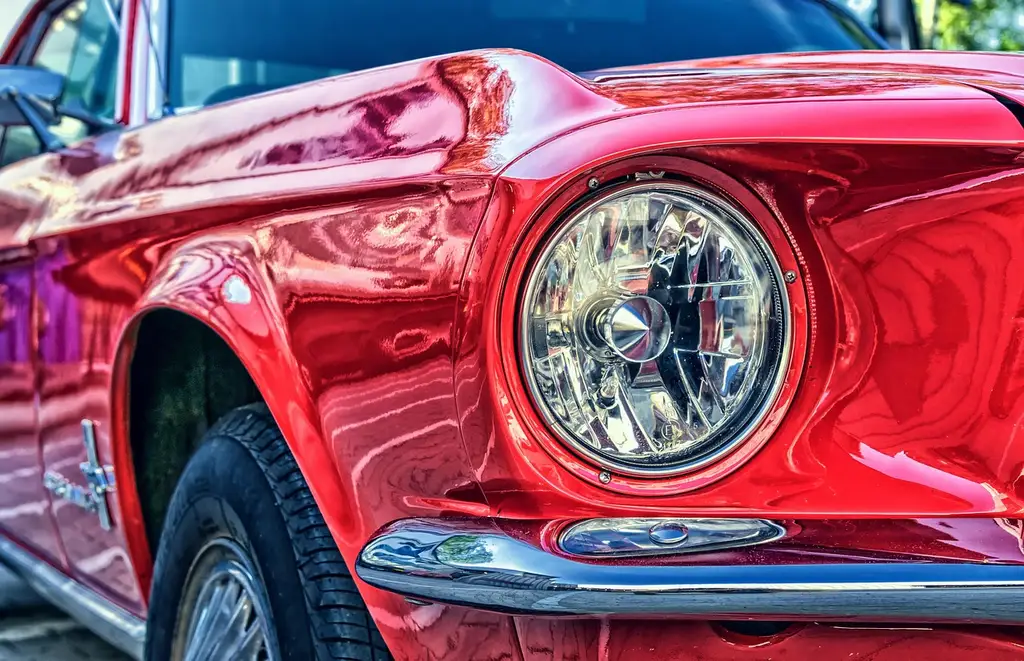
Start with a normal wash and immediate drying, then treat each surface separately. Glass can tolerate more direct spot cleaning than fresh paint, while clear coat needs a lighter touch and trim needs the most caution. If a mark survives washing, move to vinegar or alcohol only on the affected area, then escalate to clay bar or a dedicated remover if needed.
Glass
- Clean and dry the glass. Wash the window, rinse it, then dry with microfiber so new spots do not form as the water evaporates.
- Apply vinegar mix. Mix equal parts vinegar and distilled water in a spray bottle, mist the glass, and let it sit for 10 minutes before rinsing. (Wikihow)
- Repeat once if needed. If the ring is still visible after the rinse, reapply the mix once more. Stop after that and move to a spot remover if the glass still looks cloudy, because etched marks will not wipe away.
Paint and clear coat
- Test a small area. Dab about 70% to 90% isopropyl alcohol onto a microfiber cloth and work a single spot only.
- Limit contact time. Wipe the area, then follow with a clean damp cloth and dry it. Use this only in moderation and not over large areas, especially on fresh paint jobs.
- Escalate carefully. If the mark stays after a spot-only alcohol pass, try a clay bar with lubrication on bonded contamination. If the stain still remains, use a commercial spot remover exactly as labeled.
Chrome and trim
Chrome often responds like glass, but plastic trim can haze or discolor if vinegar or alcohol sits too long. Keep liquids off textured trim whenever possible. If the mark is on trim, start with soap and water, then use the mildest spot-only approach that works.
When should you use vinegar or alcohol?
Use vinegar for mineral residue on glass and other hard, nonporous surfaces when washing and drying did not clear the mark. Use alcohol for isolated stubborn spots on paint or glass, but keep it to a small area and avoid fresh paint jobs. Neither product is the right choice for large panels, soft trim, or unknown tint films.
Vinegar first, then stop
- Mix the solution. Combine equal parts vinegar and distilled water in a spray bottle.
- Apply to the spot. Spray the stained area, wait 10 minutes, then rinse clean and dry with microfiber.
- Do not keep scrubbing. If the spot remains after one repeat, move on. Repeated acid contact raises the risk of dulling trim or softening nearby coatings.
Alcohol only in tight areas
- Use spot-only contact. Put 70% to 90% isopropyl alcohol on a cloth, not directly over a broad panel.
- Wipe and dry. Work the mark once, then dry the area and inspect it in good light.
- Stop on fresh paint. If the paint job is new, skip alcohol and use a dedicated remover or professional advice instead.
When should you use a clay bar instead?
Use a clay bar after washing when the surface is clean but still has bonded contamination that vinegar and alcohol do not clear. Clay is for the material sitting on top of the surface, not for etched damage. It works best on paint and glass when paired with plenty of lubrication and a light hand.
Bonded spots on paint or glass
- Wash the panel first. Do not clay over dirt, because that can drag grit across the finish.
- Lubricate well. Spray clay lubricant on a small section and glide the clay bar gently until the surface feels smooth.
- Inspect and stop. If the spot lifts, wipe the area dry. If it does not change, the mark may be etched and needs a dedicated water-spot remover or polishing.
A common first-timer mistake is using clay on a dusty hood before washing. That turns a spot problem into a scratch risk. Another mistake is treating every ring as bonded contamination when some marks are already etched into the clear coat or glass.
Water spots decision matrix
This matrix gives the first safe move by surface and spot age. Use it before picking vinegar, alcohol, clay, or a commercial remover. If the stop/redo threshold is reached, do not keep repeating the same step on the same area.
| Surface | Spot age | Safe first-step cleaner | Dwell time | Stop/redo threshold | Warning for vinegar or alcohol |
|---|---|---|---|---|---|
| Glass | Fresh | Wash, rinse, dry with microfiber | Immediate | Redo once if marks appear as the panel dries | Vinegar is not needed if the spot wipes away after drying |
| Glass | Bonded | Equal parts vinegar and distilled water | 10 minutes | Stop after one repeat; move to spot remover if cloudy | Do not let vinegar sit on trim edges or tint film |
| Clear coat | Fresh | Wash, rinse, dry with microfiber | Immediate | Redo wash if evaporation leaves new rings | Alcohol should stay off fresh paint jobs and broad panels |
| Clear coat | Bonded | 70% to 90% isopropyl alcohol on a cloth | Spot-only pass | Stop after one small-area pass; then try clay bar | Do not use over large areas or on recently painted panels |
| Chrome | Bonded | Vinegar mix or mild soap first | 10 minutes max for vinegar | Stop if the finish dulls or the mark does not shift | Vinegar can haze adjacent trim if left too long |
| Trim | Fresh or bonded | Soap and water first | Immediate | Stop and dry right away | Skip vinegar and alcohol unless the trim maker approves it |
Common mistakes
Do not attack every spot with the strongest cleaner first. That can dull trim, haze tinted glass edges, and make fresh paint more vulnerable. Do not let rinse water air-dry in sun or on a hot panel, because evaporation leaves the minerals behind.
Do not use a clay bar before washing. Do not use rubbing alcohol over large areas. Do not keep reapplying vinegar after a clear stop point, because etched marks will not disappear with more acid.
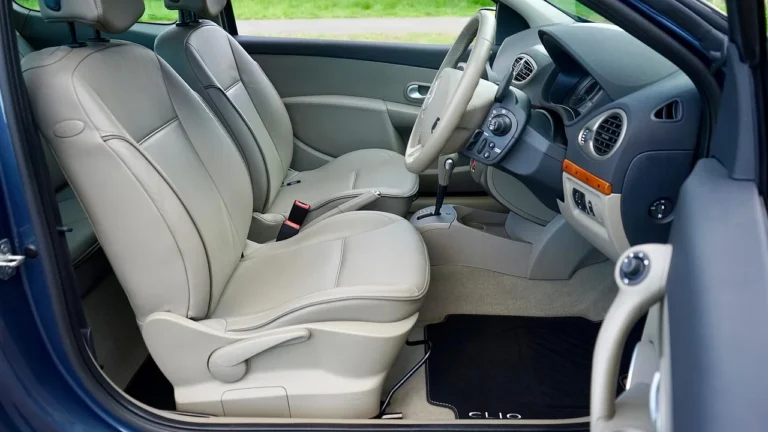
Do not forget interior fabrics. Seats can hold water stains that look like exterior spotting but need a separate interior approach.
Interior water stains
Use a steamer and cleaner only on seats, upholstery, and other interior materials. Work one section at a time and keep the tool moving so the fabric does not stay saturated. If the mark is on interior cloth, do not treat it with glass or paint products.
How do I stop water spots from coming back after washing?
Dry the car quickly after each rinse, especially in sun, hot weather, or on panels that hold standing water. A microfiber cloth or drying towel lowers the chance of fresh spots forming as water evaporates. Park in shade when possible, and do not let mineral-heavy water sit on the surface.
Practical drying workflow
- Rinse, then dry immediately. Work from roof to lower panels so water does not drip back onto cleaned areas.
- Check hot panels last. Hood and roof panels dry faster in heat, so they need the quickest wipe-down.
- Recheck hidden edges. Mirror housings, window trims, and badges trap water and often create new rings after the rest of the car looks dry.
Frequently asked questions
How do I remove water spots from my car windows?
Wash the glass, dry it with microfiber, then try equal parts vinegar and distilled water for 10 minutes. If the marks remain after one repeat, use a commercial spot remover made for automotive glass. Do not use heavy alcohol passes on tinted edges or plastic trim around the window.
How do I remove water spots from car paint?
Start with a wash and full dry, then use 70% to 90% isopropyl alcohol only on the spot, not the whole panel. If the mark stays, move to a clay bar with lubricant or a dedicated remover. If the paint looks etched, polishing may be the next step.
Can vinegar remove water spots from a car?
Yes, when the spots are light mineral deposits on glass or other hard surfaces. Mix equal parts vinegar and distilled water, spray it on, wait 10 minutes, then rinse and dry. Skip it on fresh paint jobs, soft trim, and surfaces that already look dull or damaged.
When should I use clay bar instead of vinegar?
Use clay bar after washing when the spot feels bonded to the surface or the vinegar mix does not change it. Clay works on contamination sitting on top of paint or glass. It is not the right fix for etched marks, which need a remover or polishing.
How do I remove hard water stains from car windows and paint?
Hard water stains usually need a step-up approach: wash and dry first, then vinegar on glass, alcohol for isolated paint spots, clay for bonded residue, and a commercial spot remover if the stain stays. Work one area at a time and stop as soon as the mark changes.
Products related to this article
Sponsored / affiliate links. As an Amazon Associate I earn from qualifying purchases. I may earn additional commission from eligible campaigns.