How the Brake System Works in a Car (Simply Explained)
Every time you press the brake pedal in your car, you trust an intricate system to convert your simple action into a powerful force that brings thousands of pounds of metal to a safe, controlled stop. Whether you’re navigating city traffic or coming down a steep mountain road, the brake system is working behind the scenes to keep you, your passengers, and everyone else on the road safe. Yet, despite its critical role in automotive safety, most drivers only have a vague idea of how their car’s brakes actually function.
Understanding how the brake system works isn’t just for car enthusiasts or mechanics. Knowing the basics can help you spot early warning signs of trouble, communicate more effectively with your service technician, and appreciate the sophisticated engineering that stands between routine drives and potential disaster. In this article, we’ll break down the brake system in clear, simple terms—exploring its major components, how they interact, and why regular maintenance is so important. We’ll also compare different types of brakes, debunk common myths, and answer the most frequently asked questions. By the end, you’ll have a comprehensive, practical understanding of one of your car’s most vital systems.
Key Takeaways
- The brake system converts pedal pressure into friction to safely slow or stop your vehicle.
- Modern cars use hydraulic disc brakes for most wheels, with drum brakes still found on some rear axles.
- Key components include the master cylinder, brake lines, calipers, rotors, pads, and sometimes drums and shoes.
- Routine maintenance and early detection of issues can greatly improve safety and extend brake life.
- There are significant differences between disc and drum brakes, with disc brakes offering superior performance.
- Modern braking systems often include advanced features like anti-lock braking systems (ABS) and electronic brake-force distribution (EBD).

Credit: www.youtube.com
The Fundamentals Of Car Brake Systems
All automotive brake systems share a single purpose: to safely reduce the speed of a moving vehicle or bring it to a complete stop. However, the way this is achieved involves a fascinating interplay of physics, hydraulics, and materials science.
How Brakes Convert Motion Into Heat
When you press the brake pedal, you initiate a chain reaction that converts your car’s kinetic energy (motion) into thermal energy (heat) through friction. The brake system achieves this by clamping friction materials (brake pads or shoes) against a rotating surface (rotors or drums) attached to the wheels. The resulting friction slows the wheel’s rotation and, by extension, the vehicle itself.
The Role Of Hydraulic Pressure
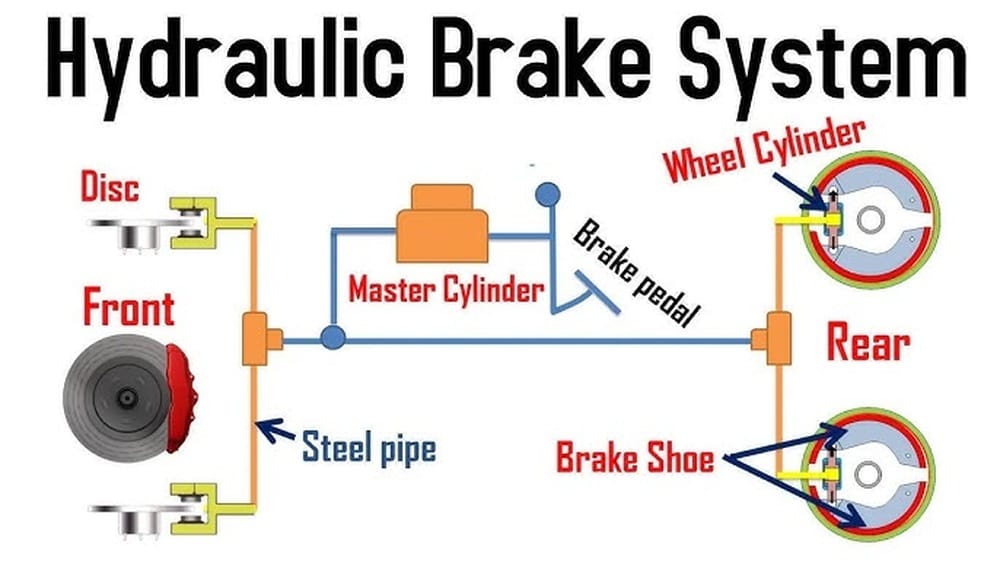
Most modern cars use a hydraulic brake system. When you press the pedal, you activate the master cylinder, which pushes brake fluid through a network of lines to the brakes at each wheel. This fluid transmits force with minimal loss, multiplying your input and ensuring consistent braking power.
Key advantages of hydraulic systems:
- Uniform pressure to all wheels.
- Self-adjusting for pad wear.
- Allows for advanced features like ABS.
Primary Types Of Car Brakes
Cars primarily use two types of brakes:
- Disc brakes – Most common, especially on front wheels.
- Drum brakes – Still used on many rear axles and as parking brakes.
Each has unique strengths and limitations, which we’ll explore in detail below.
Example: The Emergency Stop
Imagine you’re traveling at 60 mph and an obstacle suddenly appears. A typical modern car can decelerate from 60–0 mph in approximately 120–140 feet, depending on conditions. In this instant, your brake system must dissipate enough energy to stop the car safely—often converting over 100,000 Joules of kinetic energy into heat within seconds.
Main Components Of The Car Brake System
While the basic principle is simple, the modern brake system is composed of several specialized parts working in harmony. Let’s break down the essential components.
The Brake Pedal
The brake pedal acts as the driver’s interface with the braking system. When pressed, it transmits force to the master cylinder through a lever mechanism, sometimes assisted by a power brake booster.
Master Cylinder
The master cylinder is the heart of the hydraulic system. It converts the mechanical force from the pedal into hydraulic pressure, sending brake fluid through high-pressure lines to the calipers or wheel cylinders.
Brake Lines And Hoses
Brake lines (rigid metal tubes) and hoses (flexible rubber or braided lines) carry brake fluid from the master cylinder to each wheel. The integrity of these lines is crucial—any leaks or blockages can dramatically reduce braking effectiveness.
Calipers And Wheel Cylinders
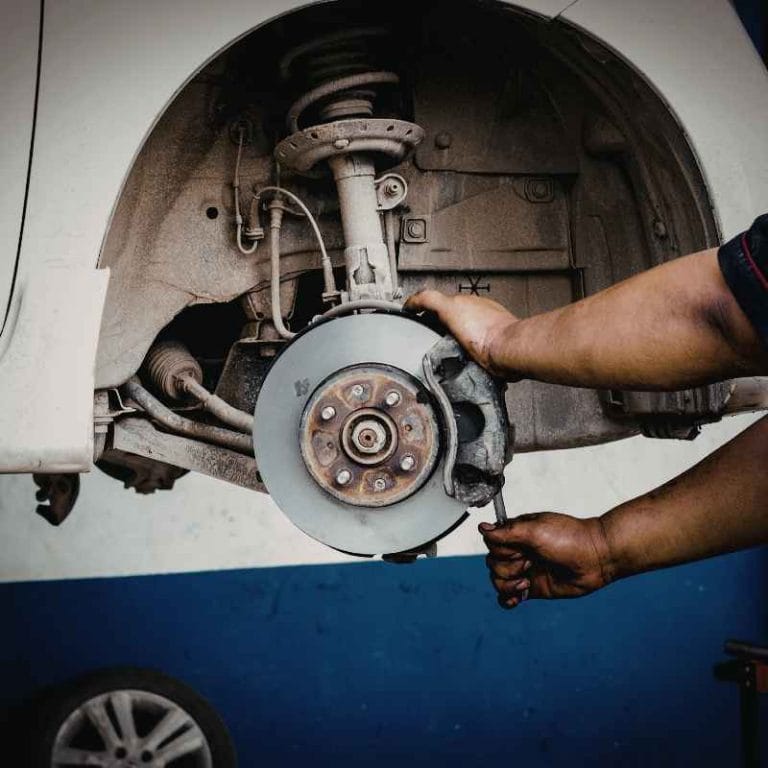
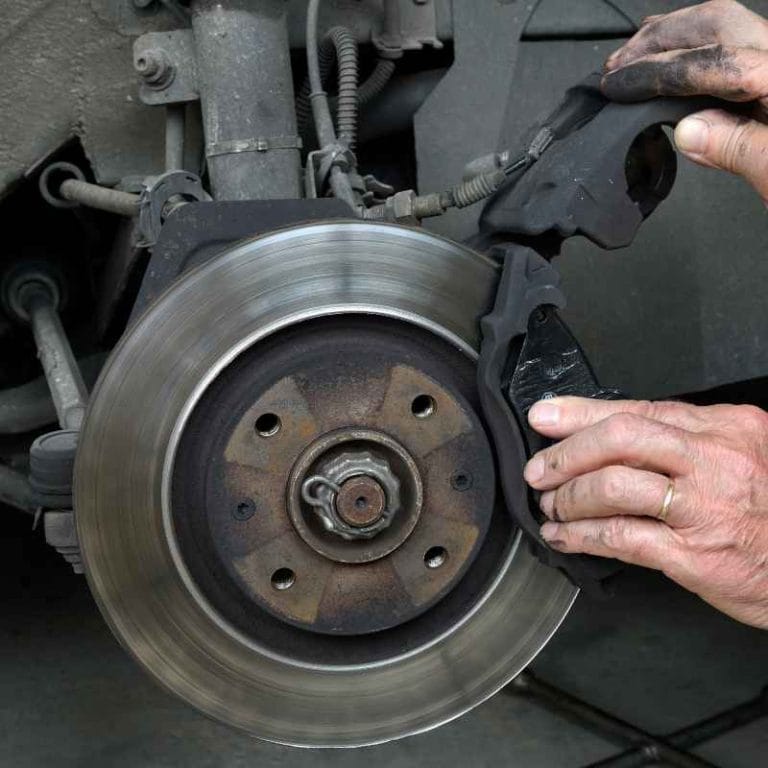
- Calipers are used in disc brake setups. They squeeze the brake pads against the rotor when pressurized fluid enters the caliper chamber.
- Wheel cylinders are used in drum brake systems. They push the brake shoes outward, pressing them against the inside of the drum.
Rotors (discs) And Drums
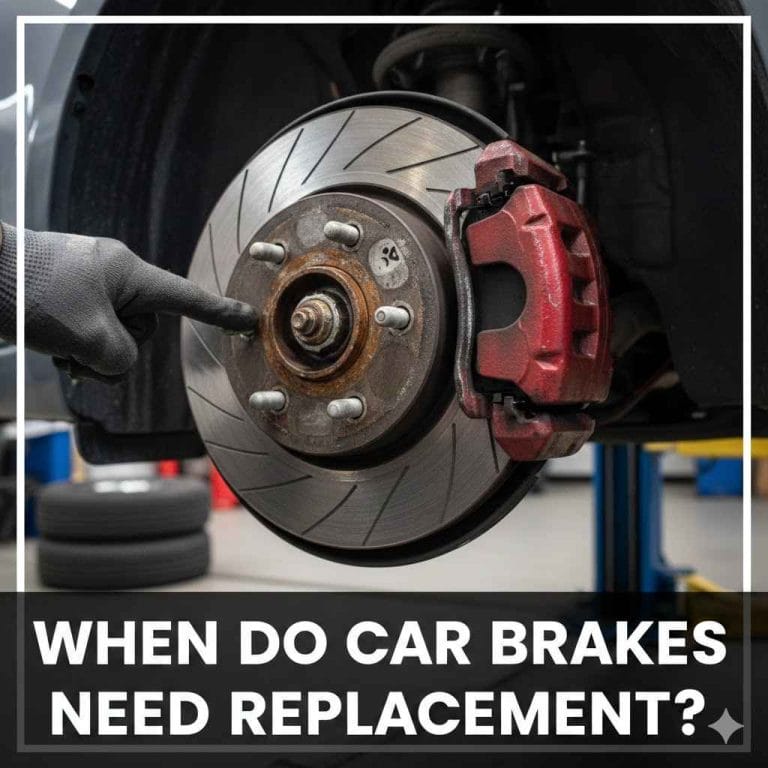
- Rotors are flat, circular discs attached to the wheel hub. They provide a surface for the brake pads to clamp onto.
- Drums are hollow, cylindrical components in which the brake shoes expand outward to create friction.
Brake Pads And Shoes
- Brake pads: Friction material in disc brakes. They are pressed against the rotor to slow the wheel.
- Brake shoes: Similar role in drum brakes, expanding outward against the inside of the drum.
Power Brake Booster
Most cars use a vacuum-assisted power brake booster to reduce pedal effort, making it easier for the driver to apply the necessary braking force.
Real-world Example: Brake Failure Due To A Leaking Line
In 2018, the National Highway Traffic Safety Administration (NHTSA) reported over 1,000 accidents in the US related to brake fluid leaks. Even a small rupture in a brake line can lead to catastrophic loss of braking ability, emphasizing the importance of regular inspections.

Credit: www.supaquick.com
How The Braking Process Works Step By Step
Let’s walk through what happens each time you press the brake pedal, from initial input to your car coming to a stop.
Step 1: Pedal Input
You press the brake pedal, which is connected to the master cylinder via a pushrod.
Step 2: Force Multiplication
The power brake booster amplifies your force using engine vacuum or an electric pump, making it easier to generate high hydraulic pressure with minimal effort.
Step 3: Hydraulic Pressure Generation
The master cylinder converts mechanical force into hydraulic pressure, pushing brake fluid through the lines.
Step 4: Pressure Transmission
Brake fluid (typically DOT 3, DOT 4, or DOT 5.1) travels through lines and hoses to each wheel’s brake assembly.
Step 5: Activation Of Brakes
- At disc brakes, fluid enters the caliper, pushing pistons that clamp the pads onto the rotor.
- At drum brakes, fluid forces the wheel cylinder’s pistons outward, expanding the shoes against the drum.
Step 6: Friction And Heat
Friction between pads/shoes and rotors/drums converts kinetic energy into heat, slowing the rotation of the wheels.
Step 7: Vehicle Slows Or Stops
As the wheels slow, so does the car, until it comes to a complete stop. The entire process can occur in less than a second during an emergency.
Example: Abs Engaged Braking
If your car is equipped with anti-lock brakes (ABS), sensors detect when a wheel is about to lock up. The system rapidly releases and reapplies pressure—sometimes up to 15 times per second—helping you maintain steering control during hard stops.

Credit: www.youtube.com
Disc Brakes Vs Drum Brakes: A Detailed Comparison
While both brake types are still in use, each offers different performance characteristics. Here’s a side-by-side comparison to illustrate their strengths and weaknesses.
| Feature | Disc Brakes | Drum Brakes |
|---|---|---|
| Friction Surface | Flat rotor (disc) | Curved inner drum |
| Heat Dissipation | Excellent (exposed to air) | Poor (enclosed, retains heat) |
| Performance When Wet | Good (self-cleaning) | Poor (can fade or slip) |
| Maintenance | Simple pad replacement | More complex shoe replacement |
| Cost | Generally higher | Lower, especially for rear brakes |
| Usage | Front & rear (most cars) | Rear (some cars, trucks) |
Which Is Better?
Most modern vehicles use disc brakes on all four wheels due to their superior performance, especially under hard or repeated braking. However, drum brakes remain popular on rear axles of budget cars and light trucks for cost reasons and integrated parking brake mechanisms.
Case Study: Transition To Four-wheel Disc Brakes
In the early 2000s, the Toyota Camry switched from rear drum to four-wheel disc brakes. Stopping distances improved by an average of 10%, and brake fade was reduced significantly in independent tests by Consumer Reports.
Advanced Brake Technologies In Modern Cars
Automotive brake systems have evolved far beyond basic hydraulics. Here are some of the most important advancements enhancing safety and performance today.
Anti-lock Braking System (abs)
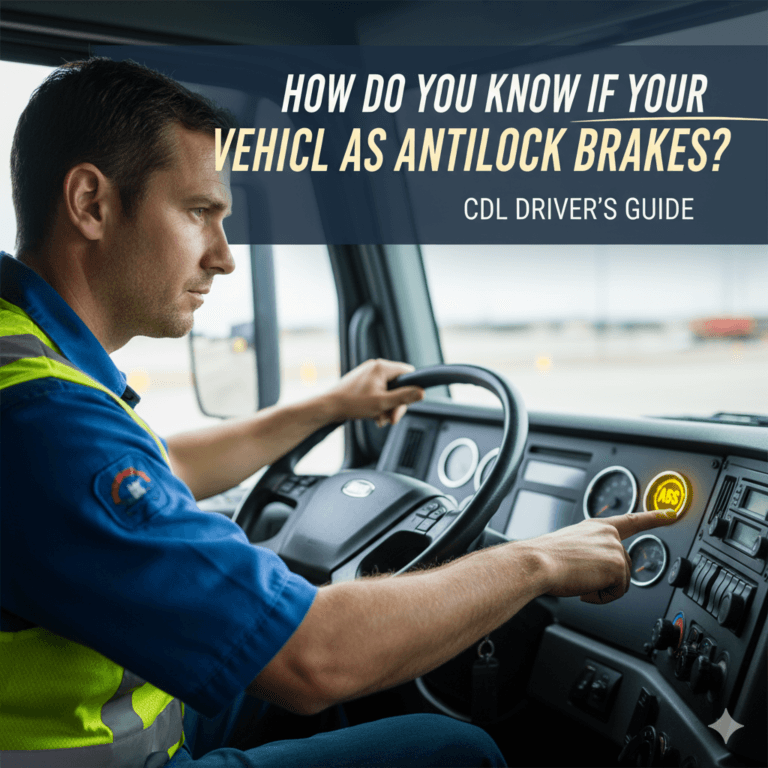
ABS prevents wheel lockup during hard braking, allowing you to steer while stopping. It uses sensors at each wheel and a central control unit that modulates brake pressure multiple times per second.
- Benefit: Maintains control and reduces stopping distances on slippery surfaces.
- Fact: According to the NHTSA, ABS-equipped cars are 35% less likely to be involved in certain types of crashes.
Electronic Brakeforce Distribution (ebd)
EBD automatically adjusts the braking force sent to each wheel based on load, speed, and road conditions. This ensures optimal stopping power and stability even when the car is heavily loaded or cornering.
Brake Assist
Brake Assist detects emergency braking and applies maximum pressure—even if the driver doesn’t fully depress the pedal. This feature can reduce stopping distances by up to 20% in panic situations.
Regenerative Braking
Found in hybrid and electric vehicles, regenerative braking captures kinetic energy during braking and converts it back into electrical energy, extending battery range and reducing wear on traditional brakes.
Real-world Example: Regenerative Braking In The Toyota Prius
The Toyota Prius uses a blended braking system where regenerative braking provides up to 60% of stopping force under normal conditions, significantly reducing wear on mechanical components.
Table: Common Brake System Technologies
| Technology | Function | Vehicle Types |
|---|---|---|
| ABS | Prevents wheel lockup | All modern cars |
| EBD | Balances brake force | Many mid/high-end cars |
| Brake Assist | Boosts emergency braking | Most new vehicles |
| Regenerative Braking | Recovers energy | Hybrids, EVs |
Common Brake System Problems And Warning Signs
Even the most advanced brake system will eventually require attention. Recognizing early warning signs can prevent minor issues from becoming dangerous failures.
Spongy Or Soft Brake Pedal
A spongy pedal often indicates air in the hydraulic lines or a brake fluid leak. Both conditions reduce braking efficiency and require immediate inspection.
Squealing Or Grinding Noises
- Squealing usually means the pads are worn and need replacement.
- Grinding may indicate pads have worn down to the metal, risking rotor damage.
Brake Warning Light
If the brake warning light comes on, check brake fluid level and consult your owner’s manual. Persistent warnings mean you should have the system professionally inspected.
Pulling Or Vibration
- Pulling to one side may be due to uneven pad wear or a stuck caliper.
- Vibration during braking is often a sign of warped rotors.
Example: The Dangers Of Ignoring Brake Noises
A 2026 AAA study found that 20% of breakdowns due to brake failure were preceded by audible warning noises that drivers ignored for weeks. Early intervention could have prevented most of these incidents.
Brake System Maintenance: Best Practices
Routine maintenance is essential for safety and optimal performance. Here’s how to keep your brake system in top condition.
Inspecting Brakes
Have your brakes inspected every 12,000 miles or at least once a year. Mechanics will check pad thickness, rotor condition, fluid level, and look for leaks or damaged lines.
Replacing Brake Pads And Rotors
- Pads: Replace when worn to 3 mm or less. Most last 30,000–70,000 miles depending on driving habits.
- Rotors: Replace or resurface if warped or below minimum thickness.
Flushing Brake Fluid
Brake fluid absorbs moisture over time, which can cause internal corrosion and reduce effectiveness. Flush and replace fluid every 2–3 years, or as recommended by your owner’s manual.
Keeping Brake Lines And Hoses Healthy
Check for rust, cracks, or bulges in lines and hoses during routine maintenance. Replace any suspect components immediately.
Table: Typical Brake Maintenance Intervals
| Component | Service Interval | Notes |
|---|---|---|
| Brake Pads | 30,000–70,000 miles | Depends on driving style |
| Rotors | 50,000–70,000 miles | Resurface or replace as needed |
| Brake Fluid | 2–3 years | Flush and replace |
| Brake Lines/Hoses | Inspect annually | Replace if damaged |
Real-world Example: Cost Of Neglect
According to RepairPal, drivers who delay brake maintenance pay an average of $350 more per repair due to collateral damage (e.g., ruined rotors, calipers) than those who follow manufacturer guidelines.
The Science And Engineering Behind Braking Performance
Understanding the engineering principles behind braking can help you appreciate why components are designed the way they are and how simple actions can impact overall safety.
Friction Materials
Brake pads and shoes use specialized friction materials, such as semi-metallic, ceramic, or organic compounds, to optimize stopping power, durability, and noise levels.
- Semi-metallic pads: Best for performance, but can be noisy.
- Ceramic pads: Quieter, cleaner, and longer-lasting.
- Organic pads: Softer, less durable, but gentle on rotors.
Heat Management
Repeated braking generates intense heat. High-performance cars use ventilated or drilled rotors to dissipate heat quickly, preventing brake fade (loss of effectiveness due to overheating).
Weight Distribution
Since weight shifts forward during braking, front brakes handle up to 70% of stopping force. That’s why front pads and rotors often wear out faster and are larger than those at the rear.
Braking Distance Factors
Several variables affect how quickly a vehicle can stop:
- Vehicle weight
- Tire condition
- Road surface (dry, wet, icy)
- Brake system condition
- Driver reaction time
Example: Emergency Braking On Wet Roads
A 2026 study by the Insurance Institute for Highway Safety (IIHS) found that wet pavement increases average stopping distance by 25–35%. Properly maintained brakes and tires can reduce this risk.
Frequently Asked Questions
How Often Should I Replace My Brake Pads?
Brake pads should generally be replaced every 30,000 to 70,000 miles, but this interval varies based on your driving style, vehicle type, and pad material. If you hear squealing or notice reduced braking performance, have them inspected immediately. For more details, see the official recommendations at NHTSA.
What Is Brake Fade And How Can I Prevent It?
Brake fade occurs when brakes overheat and lose effectiveness, typically after repeated hard stops or descending long hills. To prevent it, use lower gears for engine braking, avoid riding the brakes, and ensure your system is well-maintained. Learn more from Wikipedia.
Can I Mix Different Types Of Brake Pads On The Same Car?
Mixing different pad types (e.g., ceramic front, semi-metallic rear) is possible but not always recommended. It can alter braking balance and noise characteristics. Always consult your vehicle manufacturer’s guidelines or an expert mechanic. More technical details are available at Cars.com.
What Does The Brake Warning Light Mean?
The brake warning light can indicate low brake fluid, worn pads, or a malfunction in the hydraulic or ABS system. Check fluid level first; if the light remains, seek professional inspection. See troubleshooting steps at Consumer Reports.
How Does Abs Help In Emergency Braking?
ABS prevents wheel lockup during hard stops, allowing you to maintain steering control and avoid skidding. It’s especially useful on wet or slippery roads. Studies by the NHTSA show ABS reduces certain collision types by 35%. For an in-depth explanation, visit NHTSA.
Additional Resources
For further reading and technical diagrams, visit:
Modern brake systems are a marvel of engineering, blending physics, materials science, and electronics to deliver safety and peace of mind on every journey. By understanding how your car’s brakes work and the importance of maintenance, you’re better equipped to make smart decisions, stay safe on the road, and get the most from your vehicle.
Whether you’re a daily commuter or a weekend road-tripper, never underestimate the critical role of a well-functioning brake system.