Where Are Car Fog Lights Located? (Quick Answer)
Every driver has encountered dense fog, blinding rain, or swirling snow that makes standard headlights seem ineffective. In these moments, the value of car fog lights becomes clear. But have you ever wondered exactly where these crucial lighting components are located on your vehicle, and why placement matters so much? Understanding the location and purpose of fog lights is not just an exercise in automotive trivia; it’s a key factor in road safety and optimal vehicle performance during adverse weather conditions.
Knowing the precise location of fog lights, how they differ from headlights, and the rationale behind their placement can help drivers make better decisions about usage, maintenance, and upgrades. In this comprehensive guide, we’ll explore everything you need to know about where car fog lights are located, their function, and how they compare to other lighting systems on modern vehicles.
Key Takeaways
- Fog lights are typically located low on the vehicle’s front bumper, below the headlights, to minimize glare and improve visibility during foggy or poor weather conditions.
- The placement and design of fog lights vary among vehicle types, makes, and models, with some cars also offering rear fog lights.
- Proper alignment and use of fog lights are essential for road safety and compliance with traffic laws.
- Fog lights differ significantly from standard headlights and driving lights in terms of beam pattern, angle, and intended use.
- Regular maintenance and upgrades can enhance fog light performance, but improper installation can reduce effectiveness or violate regulations.
- Knowing where your fog lights are located helps with safe operation, troubleshooting, and potential customization.
Credit: www.escoauto.com
The Purpose Of Fog Lights: Function And Importance
Fog lights are specialized automotive lighting devices designed to cut through fog, heavy rain, snow, and dust, conditions where standard headlights may reflect back and reduce visibility. Unlike high-beam or low-beam headlights, fog lights emit a wide, bar-shaped beam with a sharp cutoff at the top, illuminating the road immediately ahead without bouncing light into the driver’s eyes or those of oncoming traffic.
How Fog Lights Work
Fog lights function by projecting a wide, flat beam that stays close to the road surface. This beam pattern is intentional: fog tends to hover a few feet above the ground, so mounting lights low and directing the beam downwards helps illuminate the road without amplifying glare from moisture or particles in the air.
Why Standard Headlights Aren’t Enough
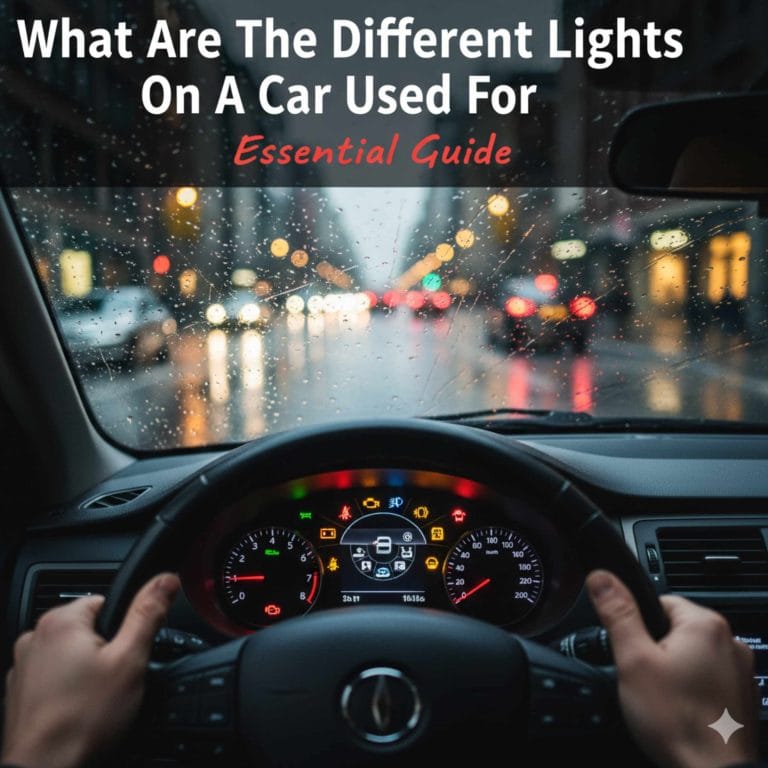
Standard headlights, especially high beams, can be counterproductive in foggy conditions. Their upward-angled beams reflect off fog droplets, creating a dazzling white wall that reduces visibility. Fog lights avoid this issue by their lower placement and precise beam pattern, making them an essential tool for safe driving in inclement weather.
Legal And Safety Considerations
Many countries and states have specific regulations regarding fog light usage. In some regions, improper use, such as running fog lights in clear conditions, can result in penalties. Proper understanding of fog light location and operation is vital for compliance and safety.
Where Are Car Fog Lights Located? (quick Answer & Detailed Breakdown)
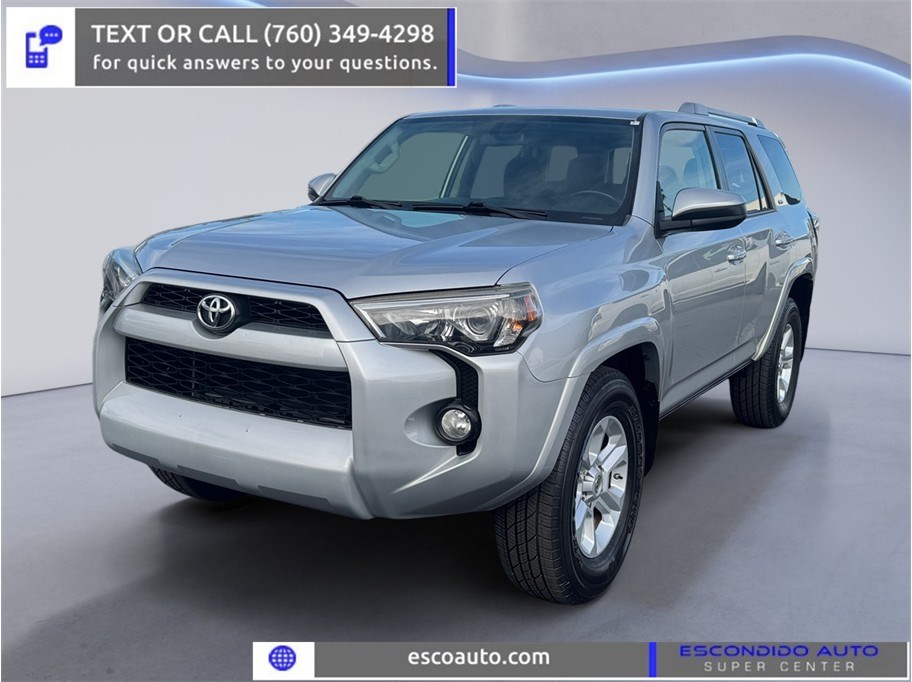
The quick answer: Fog lights are typically located low on the vehicle’s front bumper, below the headlights, and angled toward the ground. Some vehicles also feature rear fog lights, which are mounted on the rear bumper or integrated into the taillight assembly.
Standard Placement On Passenger Vehicles
On most sedans, hatchbacks, and SUVs, fog lights are embedded in the lower front bumper, usually on both the left and right sides. This position is crucial for:
- Reducing the amount of light reflected back by fog
- Illuminating the road directly in front of the vehicle
- Minimizing glare for the driver and oncoming traffic
Variations By Vehicle Type
While the general rule applies across most vehicles, there are exceptions and variations:
- Trucks and SUVs: Due to higher ground clearance, fog lights may be integrated into a slightly higher portion of the bumper, but still well below the main headlights.
- Sports Cars: Aerodynamic designs may incorporate fog lights into front air dams or specialized housings.
- Luxury Vehicles: Some feature adaptive fog lights that can swivel or adjust beam angle based on steering input and vehicle speed.
Rear Fog Light Locations
Though less common in North America, rear fog lights are standard in many European and Asian vehicles. These are usually:
- Integrated into one or both sides of the rear bumper
- Sometimes combined with brake or taillight assemblies
- Used to make the vehicle more visible from behind in poor weather
Table: Fog Light Locations By Vehicle Category
| Vehicle Type | Front Fog Light Location | Rear Fog Light Location |
|---|---|---|
| Sedan/Hatchback | Lower front bumper, below headlights | Occasionally in rear bumper or taillight cluster |
| SUV/Truck | Lower or mid-level front bumper | Rare; if present, in rear bumper |
| Sports Car | Front air dam or custom housing | Usually integrated into taillights |
| Luxury Vehicle | Lower bumper, sometimes adaptive/swiveling | Often present, in rear bumper or taillight |
Real-world Example: Toyota Camry Vs. Ford F-150
- The Toyota Camry places its fog lights within the lower corners of the front bumper, below the main headlight assembly.
- The Ford F-150, a popular pickup, integrates fog lights into the mid-section of the front bumper, between the headlights and the tow hooks.
Both placements are intended to maximize road illumination while minimizing glare.

Credit: www.tustintoyota.com
Fog Light Design: Shapes, Beam Patterns, And Mounting
The effectiveness of a fog light depends not just on its position but also on its design, shape, and beam pattern. Manufacturers tailor these aspects to complement the vehicle’s overall lighting strategy and aesthetic.
Common Shapes And Housings
Fog lights come in a variety of shapes, including:
- Round: Classic look, common on many vehicles
- Rectangular: Often found on trucks and SUVs for a broader beam
- Oval: Popular on sports and luxury cars for a sleek appearance
The housing is often designed to blend seamlessly with the bumper, sometimes accented with chrome or black trim.
Beam Pattern And Angle
Fog lights utilize a wide, horizontal beam pattern with a sharp upper cutoff. The angle is typically set between 10-25 degrees downward from the horizontal axis, ensuring light remains close to the road surface. This minimizes upward scatter and glare.
Mounting Techniques
- Flush Mount: Set into the bumper for a smooth, integrated look.
- Surface Mount: Slightly protruding, common on aftermarket or utility vehicles.
- Bracket Mount: Adjustable mounts allow for fine-tuning beam direction, often used in off-road applications.
Example: Bmw Adaptive Fog Lights
BMW’s adaptive fog lights can swivel up to 15 degrees in the direction of a turn, helping illuminate winding roads in foggy conditions. This technology, while not universal, demonstrates how mounting and beam control can enhance safety.
Table: Comparison Of Fog Light Designs
| Design Type | Shape | Mounting Method | Typical Application |
|---|---|---|---|
| Standard OEM | Round/Rectangular | Flush mount | Most passenger vehicles |
| Aftermarket | Round/Rectangular/Oval | Surface or bracket mount | Custom upgrades, off-road |
| Adaptive | Round/Oval | Motorized swivel | Luxury vehicles |
Fog Lights Vs. Headlights Vs. Driving Lights
Understanding where fog lights are located is only part of the story; knowing how they differ from other automotive lights is equally important. Each serves a specific role in ensuring visibility and safety.
Key Differences In Placement
- Headlights: Positioned higher on the vehicle’s front, usually at eye level with the driver, providing both high and low beams for general road illumination.
- Fog Lights: Located lower on the bumper, as discussed, to cut under fog and prevent reflection.
- Driving Lights: Sometimes installed as auxiliary lights, typically at or above headlight level, intended to enhance long-distance visibility on open roads.
Table: Lighting System Comparison
| Type | Placement | Beam Pattern | Primary Use |
|---|---|---|---|
| Headlights | High on front fascia | Narrow/wide, adjustable | General nighttime driving |
| Fog Lights | Low on front bumper | Wide, flat, downward | Fog, rain, snow |
| Driving Lights | At or above headlights | Long-range, narrow | Rural/highway driving |
Example: Subaru Outback Lighting Configuration
The Subaru Outback features high-mounted LED headlights for general illumination and low-mounted halogen fog lights, demonstrating a clear separation of function and placement.
Pro Tip:
Always use fog lights in conjunction with low-beam headlights, never with high beams, to optimize visibility and comply with most legal requirements.
Installation, Adjustment, And Maintenance Of Fog Lights
Proper installation and maintenance of fog lights are critical for optimal performance and adherence to safety standards. Poorly installed or misaligned fog lights can reduce effectiveness and cause glare for other drivers.
Installing Fog Lights: What To Know
Factory-installed fog lights are designed to fit seamlessly into designated bumper cutouts. For vehicles without factory fog lights, aftermarket kits are available, but:
- Ensure compatibility with your vehicle’s make and model
- Follow manufacturer instructions for wiring and mounting
- Confirm that the mounting height is legal in your jurisdiction
Adjustment And Alignment
Fog lights should be:
- Aligned so the beam is parallel to the road and not angled upward
- Positioned to illuminate the road 10-25 meters ahead of the vehicle
- Checked regularly, especially after bumper repairs or off-road driving
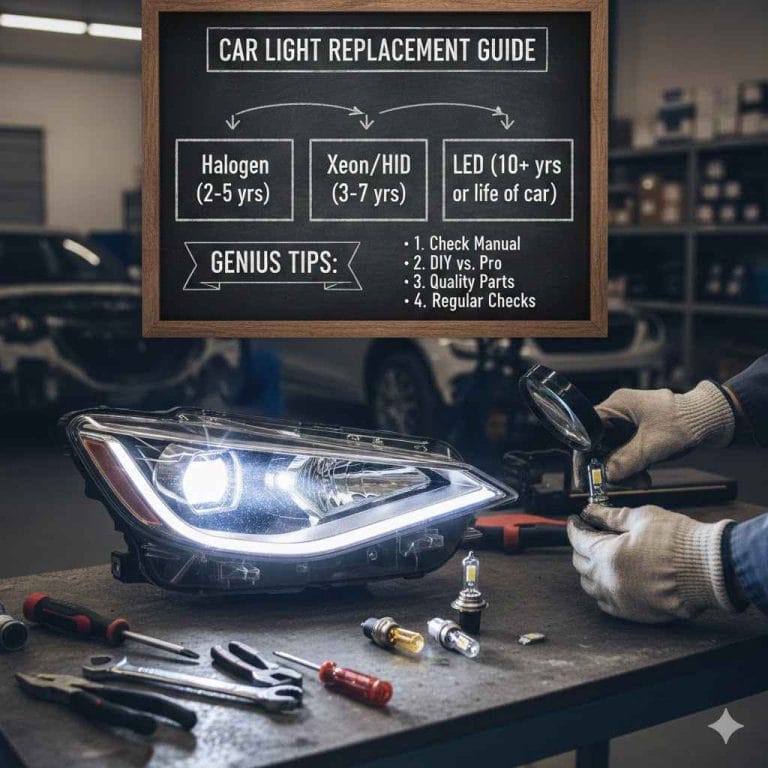
Maintenance Tips
- Clean fog light lenses regularly to remove grime and road debris
- Replace bulbs as soon as they dim or burn out
- Inspect wiring for corrosion or wear
In my experience, even a slight misalignment can cause significant glare or render the fog lights ineffective. Taking the time to properly install and adjust fog lights pays dividends in safety and visibility.
Warning:
Improperly installed fog lights may violate local traffic laws and result in fines. Always consult your vehicle manual and local regulations before making changes.
Legal Regulations And Regional Differences
Fog light regulations vary widely depending on your location, affecting both placement and use. Understanding these laws is essential for compliance and road safety.
United States
In the U.S., federal regulations (FMVSS 108) specify:
- Fog lights must be mounted no higher than 16-30 inches above the ground
- Amber or white color is required for front fog lights
- Rear fog lights are rare and not required on most vehicles
State laws may further restrict when fog lights can be used, typically only in low-visibility conditions.
Europe
European regulations, such as those outlined by the Economic Commission for Europe (ECE), are stricter:
- Rear fog lights are mandatory on all new cars
- Placement must be symmetrical and within a certain height range
- Only one rear fog light is required, but two are allowed
Asia And Other Regions
Countries like Japan and Australia often follow a hybrid of U. S. and European standards, but local differences still apply.
Example: Uk Rear Fog Light Requirement
In the United Kingdom, vehicles must have at least one rear fog light, mounted no less than 250mm above the road and on the vehicle’s centerline or offside (driver’s side).
Pro Tip:
Always check your local traffic authority’s website or the vehicle manual for the latest fog light regulations. For reference, see Wikipedia’s fog lamp article for a global overview.
Upgrading And Customizing Fog Lights
Many drivers seek to upgrade or customize their fog lights for improved performance, style, or to add features like LED or HID technology.
Oem Vs. Aftermarket Options
- OEM (Original Equipment Manufacturer) fog lights are designed specifically for your vehicle and meet all legal requirements.
- Aftermarket fog lights offer more choices in design, color, and technology but require careful selection and installation to ensure legality and compatibility.
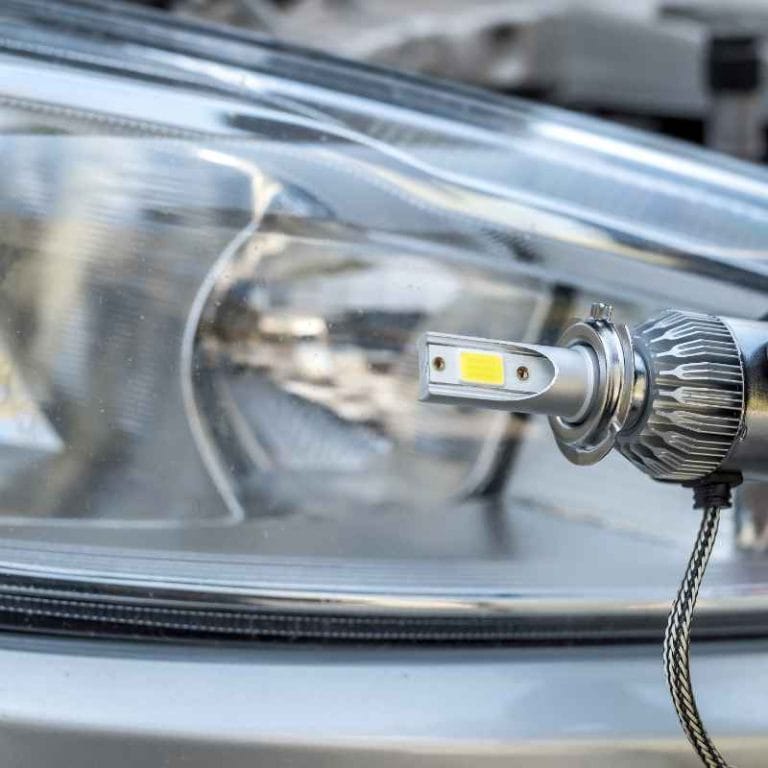
Led And Hid Upgrades
LED fog lights are popular for their:
- Brighter, whiter light
- Longer lifespan
- Lower power consumption
However, not all LED or HID kits are street-legal. Look for products with DOT or ECE certification.
Custom Housings And Mounts
Some enthusiasts opt for custom housings, unique lens colors, or integrated daytime running lights (DRLs). These modifications can enhance appearance but may impact compliance and effectiveness if not done correctly.
Example: Jeep Wrangler Fog Light Upgrades
The Jeep Wrangler community often replaces factory fog lights with high-output LED units for off-road use. These are typically mounted in the stock bumper cutouts, preserving correct placement while improving output.
Pro Tip:
Choose upgrades that match your driving needs and local regulations. For authoritative guidance on headlamp and fog lamp upgrades, see NHTSA’s official guidance.
Common Issues And Troubleshooting Fog Lights
Fog lights, like all automotive components, can encounter problems ranging from simple bulb failures to complex electrical faults. Identifying and resolving these issues promptly is key to maintaining optimal visibility.
Common Problems
- Burned-Out Bulbs: The most frequent issue; replace with the correct wattage and type.
- Condensation in Housing: Can reduce light output and cause corrosion; check for cracked seals or housings.
- Wiring Faults: Broken or corroded wires can cause intermittent operation or total failure.
- Lens Damage: Chips or cracks can scatter light and reduce effectiveness.
Troubleshooting Steps
- Visual Inspection: Check bulbs, wiring, and connectors for visible damage.
- Test Operation: Activate fog lights with the vehicle running; observe for flickering or failure.
- Check Fuses and Relays: Consult the vehicle manual for fuse box location and specifications.
- Seek Professional Help: For persistent electrical or alignment issues, consult a qualified mechanic.
Example: Diagnosing A Faulty Fog Light Switch
A 2019 Honda Accord experienced intermittent fog light operation. Inspection revealed a worn switch in the dashboard control panel, which was replaced to restore full function.
Warning:
Attempting electrical repairs without proper knowledge can cause damage or personal injury. If in doubt, seek professional assistance.
Frequently Asked Questions
What’s The Difference Between Front And Rear Fog Lights?
Front fog lights are designed to improve the driver’s view of the road in poor visibility by cutting under fog and illuminating the surface ahead. Rear fog lights, less common in North America, are intended to make your vehicle more visible to drivers behind you in fog, rain, or snow. Rear fog lights are usually brighter than standard tail lights and are typically integrated into the rear bumper or taillight assembly.
Are Fog Lights Necessary If My Car Has Good Headlights?
Even the best headlights are often inadequate in dense fog because their beams can reflect off suspended water droplets, creating glare and reducing visibility. Fog lights provide a low, wide beam that helps you see the road’s edge and lane markings in conditions where headlights alone may be counterproductive.
Can I Install Fog Lights On A Vehicle That Didn’t Come With Them?
Yes, aftermarket fog light kits are available for most vehicles. However, you should ensure the kit is compatible with your car, follow all installation instructions, and check that placement and wiring comply with local laws. Improper installation can result in ineffective lighting or legal issues.
How Can I Tell If My Fog Lights Are Aligned Correctly?
Properly aligned fog lights should illuminate the road immediately in front of your car without shining upward or into the eyes of oncoming drivers. You can check alignment by parking on a level surface facing a wall and observing the beam pattern: it should be wide, low, and have a sharp upper cutoff.
Do All Vehicles Come Equipped With Fog Lights?
Not all vehicles come standard with fog lights. They are common on higher trim levels, SUVs, and vehicles marketed for harsh weather or off-road use. In some regions, rear fog lights are required by law, but in others, they are optional or omitted entirely.
Fog lights are often available as an add-on package or can be installed aftermarket to meet specific driver needs.
Understanding the placement, purpose, and maintenance of fog lights ensures safer driving in poor weather and helps you get the most from this essential safety feature. Whether you’re looking to upgrade your current lighting system, troubleshoot a problem, or simply use your vehicle’s fog lights more effectively, the insights above can guide you to better performance and compliance.
Stay safe, and always drive according to the conditions.
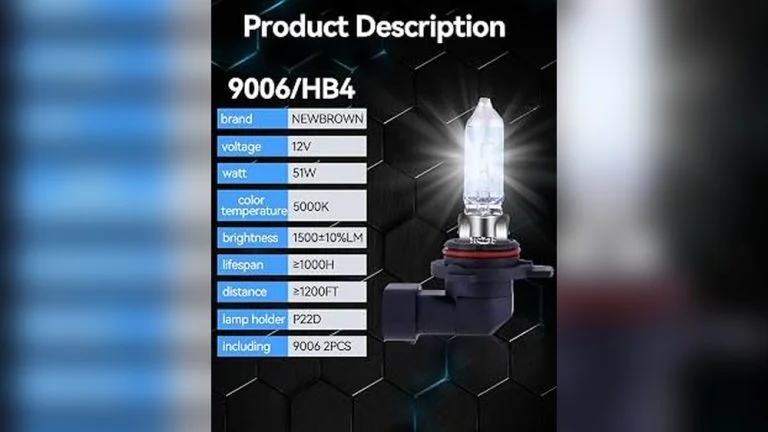
Products related to this article
Sponsored / affiliate links. As an Amazon Associate I earn from qualifying purchases. I may earn additional commission from eligible campaigns.