What Does The Car Light With A Spanner Mean? Explained
The car light with a spanner icon typically indicates a problem with the engine or transmission system. It signals that the vehicle’s onboard computer has detected a fault. This requires attention, though not always an immediate emergency stop. It’s best to have your car checked by a mechanic.
Understanding the Spanner Symbol
This warning light is more official than just a simple check engine light. It’s often tied to your car’s powertrain. This includes the engine and the transmission.
It can also relate to other electronic systems. Think of it as a communication tool from your car. It’s telling you its computer found something unusual.
It’s not necessarily telling you the car will break down right now. But it is telling you to pay attention. Ignoring it can lead to bigger, more expensive problems down the road.
It’s a signal that something needs a closer look.
Different car brands might use this symbol slightly differently. However, the core message is usually the same. It points to a system malfunction.
This isn’t just a minor glitch. It’s something the car’s computer system has flagged. This system constantly monitors many parts of your car.
When it detects a reading outside its normal range, it triggers this light. It’s like a little digital alarm bell.
Why Does It Come On?
There are many reasons this light might appear. Some are simple. Others can be more complex.
Often, it relates to emissions control systems. These systems help keep your car from polluting too much. A faulty oxygen sensor is a common culprit.
The mass airflow sensor is another. These sensors tell the engine computer how much air is entering. This helps the computer decide how much fuel to add.
If they aren’t working right, the engine won’t run as smoothly.
The spark plugs and ignition coils are also part of this. They create the spark that ignites the fuel. If one of these fails, your engine might misfire.
This can trigger the spanner light. The catalytic converter is another part. It cleans up the exhaust gases.
If it gets clogged or fails, this light will likely come on.
Transmission issues can also cause this light. Modern cars have complex automatic transmissions. These have sensors and computers too.
If the transmission fluid is low or dirty, or if a sensor fails, the computer will know. It will then light up the spanner symbol. Sometimes, it’s as simple as a loose gas cap.
This might not seem like much. But it can affect the pressure in your fuel system. This can trick the computer into thinking there’s a problem.
It’s always good to check your gas cap first.
Common Triggers for the Spanner Light
- Faulty Oxygen Sensor: Affects fuel mixture and emissions.
- Mass Airflow (MAF) Sensor Issue: Incorrect air intake readings.
- Spark Plug or Ignition Coil Failure: Leads to engine misfires.
- Catalytic Converter Problems: Impacts exhaust efficiency.
- Transmission Malfunctions: Issues with gears or sensors.
- Loose Gas Cap: Affects fuel system pressure.
- Thermostat Failure: Engine temperature regulation issues.
My Own Dashboard Drama
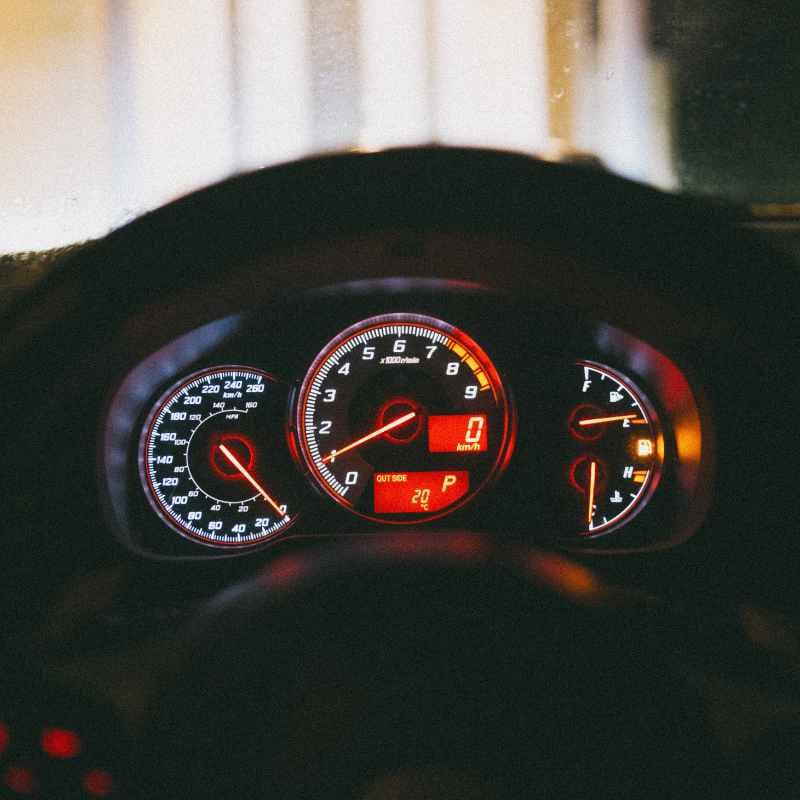
I remember one time, I was driving my old sedan. It was a sunny Saturday afternoon. I was heading out for a weekend trip.
All of a sudden, that dreaded spanner light popped on. My stomach dropped. I was miles from home.
I started to panic a little. Was I going to break down in the middle of nowhere? My mind raced through all the worst-case scenarios.
I pulled over at the next safe spot. I turned off the engine. I waited a minute.
Then I restarted it. The light stayed on. I had a moment of frustration.
I’d just had the car serviced. I checked my gas cap. It was on tight.
I decided to drive slowly and carefully. I drove to the nearest town. I found a mechanic.
I explained the situation. He plugged in his scanner.
It turned out to be a minor issue. The sensor for the exhaust gas recirculation (EGR) valve was a bit dirty. It wasn’t a serious breakdown risk.
But it needed cleaning. The mechanic fixed it in about 30 minutes. I was so relieved.
That experience taught me a valuable lesson. That spanner light is a warning. It’s important to listen to it.
But it doesn’t always mean the end of the world. It’s good to know what to do when it appears.
What To Do When You See the Light
So, you see the spanner light. What’s your next move? The first thing to do is not to panic.
Most of the time, this light isn’t an immediate emergency. Your car can likely still be driven safely. But you shouldn’t ignore it.
It’s your car telling you it needs attention. The best course of action is to get it checked out soon. This usually means taking it to a qualified mechanic.
If the light is flashing, that’s a different story. A flashing spanner light usually means something more serious. It often indicates a severe engine misfire.
This can damage your catalytic converter. If the light is flashing, try to reduce your speed. Avoid hard acceleration.
Find a safe place to pull over as soon as you can. Turn off the engine. Call for a tow truck.
Don’t try to drive with a flashing warning light.
If the light is steady, you have a bit more time. You can try to drive to your mechanic. Pay attention to how your car is behaving.
Are there any other symptoms? Is the engine making strange noises? Is it running rough?
Is the car losing power? Any of these additional signs can help the mechanic diagnose the problem. Write down any unusual behavior you notice.
This information is very helpful.
Spanner Light Action Plan
- Steady Light:
- Don’t panic.
- Check your gas cap is tight.
- Observe car’s behavior for other symptoms.
- Schedule an appointment with a mechanic soon.
- Drive gently to avoid worsening the issue.
- Flashing Light:
- This is an emergency.
- Reduce speed immediately.
- Avoid hard acceleration.
- Pull over safely as soon as possible.
- Turn off the engine.
- Call for roadside assistance or a tow truck.
- Do not drive further.
Exploring Specific Scenarios
Let’s look at some common real-world situations where the spanner light might appear. This can help you understand the context better. Imagine you’re driving on a cold morning.
Your car takes a little longer to start than usual. Then, the spanner light comes on. This might be related to the engine’s cold start system.
Or it could be a battery issue. A weak battery might not provide enough power. This can affect various engine sensors.
Another scenario: you’re driving on the highway. You try to accelerate to pass another car. You notice your car isn’t picking up speed as it should.
The spanner light comes on. This could be a transmission problem. Or it might be an issue with the engine’s performance under load.
The computer might detect that the engine isn’t producing the expected power.
Consider this: you’ve just refueled your car. Shortly after, the spanner light illuminates. This is where checking the gas cap becomes really important.
If it wasn’t sealed properly, fumes can escape. The car’s system can detect this as a fault. Tightening the cap might turn the light off after a few driving cycles.
But if it stays on, another issue might be present.
In some cases, the light might come on after you hit a large pothole. Or if you drive through deep water. This could mean a sensor got jostled or damaged.
Or perhaps an electrical connection got wet. These are often temporary issues. But it’s still wise to have them checked to ensure no permanent damage occurred.
Contextual Clues for the Spanner Light
Situation: Cold start, rough idle.
Possible Cause: Ignition system issue or fuel delivery problem. The engine needs a perfect mix and spark when cold.
Any hiccup here is easily detected.
Situation: Loss of power during acceleration.
Possible Cause: Transmission fault or engine performance issue. The computer monitors engine output.
If it’s low, the light comes on.
Situation: Light appears after refueling.
Possible Cause: Loose gas cap is common. If not, it might be related to the fuel system or evaporative emissions.
This system is sensitive to leaks.
Situation: Light appears after hitting a bump or water.
Possible Cause: Physical shock to sensors or water ingress. Connections might be loose or damaged.
What This Means For Your Car’s Health
The spanner light is more than just an annoying dashboard light. It’s a key indicator of your car’s internal health. When it comes on, it’s a signal that something isn’t operating as it should.
This could range from a minor inconvenience to a serious mechanical flaw.
If the light is steady and there are no other symptoms, it might be a less urgent issue. For example, a problem with the anti-lock braking system (ABS) sensor. Or a fault in the tire pressure monitoring system (TPMS).
These systems are important for safety. But they don’t usually cause the car to stop working immediately. However, they do need repair.
On the other hand, if the light is accompanied by other problems, it’s more concerning. A rough engine, strange noises, or smoke are serious. These often point to major engine or transmission damage.
Continuing to drive in such conditions can turn a repairable problem into a catastrophic failure. This is where the cost of repairs can skyrocket.
It’s also important to consider your car’s age and mileage. Older cars may develop issues more frequently. But even new cars can have unexpected problems.
Modern cars have complex computer systems. These systems monitor hundreds of data points. A small anomaly in one sensor can trigger the light.
When to Worry and When to Wait (A Little)
Concerning Signs:
- Flashing spanner light.
- Engine making loud knocking or grinding noises.
- Significant loss of power.
- Smoke coming from the exhaust or engine bay.
- Car is driving erratically or shaking.
- Overheating engine.
Less Urgent (but still needs attention):
- Steady spanner light with no other symptoms.
- Slightly rough idle or engine running.
- Intermittent issues that disappear on their own.
- Specific system warnings like ABS or TPMS might also activate with the spanner.
Quick Checks and Tips
Before you rush to the mechanic, there are a few simple things you can check yourself. These might save you a trip or at least help you communicate better with your mechanic. Remember, these are basic checks.
They won’t diagnose complex electronic issues.
1. Check the Gas Cap: As mentioned, this is the easiest fix. Pull over safely.
Turn off your engine. Unscrew the gas cap. Screw it back on until it clicks at least once, preferably twice.
Some cars have systems that need a few driving cycles to reset the light after a cap issue. So, don’t expect it to go off instantly.
2. Consult Your Owner’s Manual: Every car comes with an owner’s manual. It’s a treasure trove of information.
Find the section on dashboard warning lights. It will show you the specific symbol for your car. It will also give you a general idea of what it means.
It might even suggest immediate actions.
3. Look for Other Symptoms: Pay close attention to how your car is driving. Is the steering stiff?
Are the brakes soft? Is the engine making odd sounds? Is there a weird smell?
Note down anything unusual. This information is invaluable for diagnosis.
4. Consider Recent Work: If the light came on soon after a recent repair or service, contact that shop. It’s possible something wasn’t reconnected properly or a new issue arose related to the work done.
They should be able to help diagnose this.
DIY Checks Before the Mechanic
Task: Gas Cap Inspection
Action: Unscrew, inspect seal, tighten until it clicks. Wait for light to reset (may take time).
Task: Owner’s Manual Review
Action: Locate the warning light section. Understand your car’s specific symbols and alerts.
Task: Driving Behavior Observation
Action: Listen, feel, and smell for anything unusual. Note down details like speed, engine sound, and steering feel.
Task: Recent Service History
Action: Recall any recent repairs or maintenance. Contact the service provider if the light appeared soon after.
Frequently Asked Questions About the Spanner Light
What does the spanner symbol on my car dashboard mean?
The spanner symbol, often looking like a wrench or tool, typically indicates a problem with the engine, transmission, or other critical powertrain systems. It means the car’s onboard computer has detected a fault that requires attention.
Is it safe to drive with the spanner light on?
If the light is steady and your car is driving normally, it is usually safe to drive to a mechanic. However, if the light is flashing, or if you notice other serious symptoms like loss of power or strange noises, you should pull over safely and not drive further.
How can I find out what the specific problem is?
The best way is to have a mechanic scan your car’s computer with a diagnostic tool. This tool reads error codes that pinpoint the exact system or component that is causing the light to come on.
Could a loose gas cap cause the spanner light to come on?
Yes, a loose or faulty gas cap is a very common cause for the spanner light to illuminate. This is because the fuel system is pressurized, and a leak can be detected by the car’s sensors.
How much does it cost to fix the problem if the spanner light is on?
The cost varies greatly depending on the cause. Simple fixes like tightening a gas cap cost nothing. Repairing a faulty sensor might cost a few hundred dollars.
Major engine or transmission repairs can cost thousands.
How long can I drive with the spanner light on before serious damage occurs?
It depends on the severity of the underlying issue. For minor issues, you might drive for a while without immediate harm. For more serious problems, continuing to drive could quickly lead to expensive damage, especially if the light is flashing.
Final Thoughts on Your Dashboard’s Message
Seeing that spanner light on your dashboard can be unsettling. But as we’ve explored, it’s a vital communication from your car. It’s not always a sign of imminent disaster.
Often, it points to issues that need prompt attention. Getting it checked out by a professional is always the best approach. This way, you can ensure your car stays safe and reliable.
Remember to note any other symptoms. This helps the mechanic diagnose the issue faster. And never ignore a flashing spanner light.
Listening to your car’s warnings keeps you informed. It also helps protect your investment. Drive safely, and stay aware of what your dashboard is telling you!
See also where are car fog lights located quick answer . See also when to use pass light in car and why it matters.