Can You Use Car Engine Oil In Lawn Mower
Lawn mowers keep our gardens neat, but their engines need care to run smoothly. One question often comes up: can you use car engine oil in a lawn mower? At first glance, oil is oil—right? But engines are not all the same. What works for your car might not work for your mower. Using the wrong oil can shorten engine life, reduce performance, or even cause permanent damage. This article will dive deep into the differences between car and lawn mower oils, when (if ever) you can use them interchangeably, and what you really need to know to keep your lawn mower running safely.
Why Engine Oil Matters For Lawn Mowers
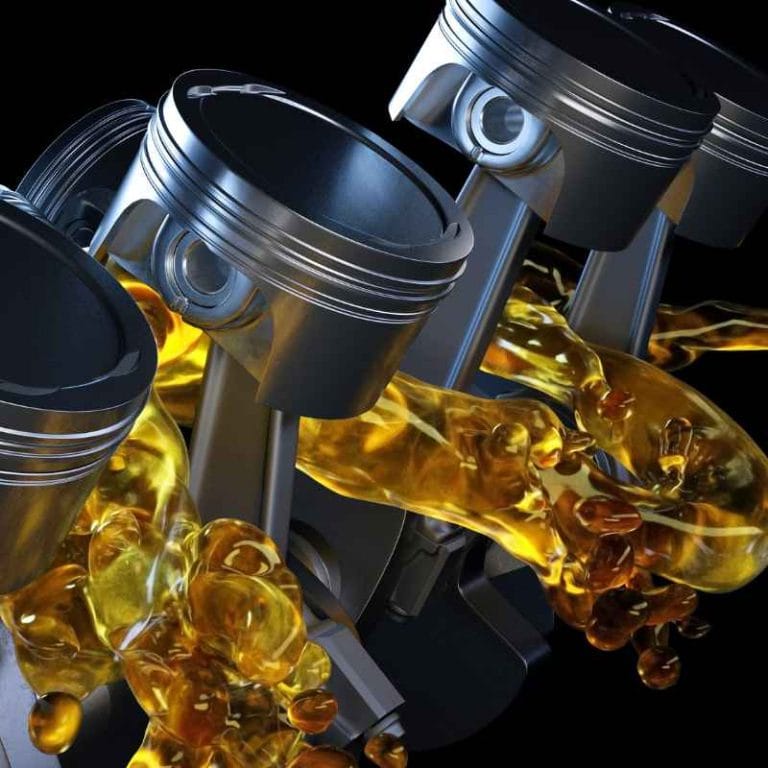
Engine oil plays a big role in every engine. It lubricates moving parts, reduces friction, carries heat away, and keeps the engine clean by trapping dirt. In lawn mowers, oil is even more important because these small engines often work hard in hot, dirty conditions. If you use the wrong oil, the engine can overheat, wear out faster, or even fail.
A small engine, like the one in your mower, is not as advanced as a car engine. It usually has fewer parts and less cooling. So, the oil you choose must match what the engine was designed for. Otherwise, you risk problems that can be expensive to fix.
Differences Between Car Engine Oil And Lawn Mower Oil
Let’s break down the key differences that matter most.
Oil Viscosity
Viscosity means how thick or thin the oil is. Car oils often have multi-viscosity labels, like 5W-30 or 10W-40. This means they stay thin in cold weather but thick enough when hot. Most modern cars use these oils for better protection and efficiency.
Lawn mowers—especially older models—often use straight-weight oils, like SAE 30. These are thicker and designed for small engines that run hot for short periods. Using oil with the wrong viscosity can make it hard for the engine to start, reduce lubrication, or cause excess smoke.
Additives And Formulation
Car engine oils have special additives to clean the engine, handle extreme pressure, and protect emission systems. For example, they may include detergents, anti-wear agents, and friction modifiers. These are great for cars but not always needed—or even safe—for small engines.
Lawn mower oils are simpler. They focus on basic lubrication, as small engines don’t have complex emission systems. Sometimes, car oils’ additives can damage or clog mower parts, especially in older or basic engines.
Detergent Vs. Non-detergent Oils
Older lawn mowers often need non-detergent oil. This type does not clean the engine but instead lets dirt settle at the bottom, since there is no oil filter in many small engines. Car oils are almost always detergent oils, which keep dirt floating so a filter can catch it. Using detergent oil in a mower without a filter can cause dirt to circulate, increasing wear.
Zinc Content (zddp)
Some older engines need higher levels of zinc (ZDDP) to protect metal parts. Modern car oils have less zinc because it can harm catalytic converters. Some small engine oils still use more zinc, which is better for flat tappet camshafts and other parts found in old mowers.
Emission And Environmental Standards
Modern car oils are designed to meet strict emission standards. They are made to work with sensors and filters. Lawn mowers have simpler emission systems, so their oil is not held to the same standards. Sometimes, car oil’s additives can form ash or deposits in small engines.
Types Of Lawn Mower Engines And Their Oil Needs
Not all lawn mowers are the same. Knowing the type of engine helps you choose the right oil.
Two-stroke Engines
These engines mix oil with gasoline. You cannot use regular car oil or lawn mower oil for four-stroke engines. Two-stroke oil is special—it burns cleanly and is made for mixing with fuel. Using car engine oil in a two-stroke mower will cause smoke, clogging, and damage.
Four-stroke Engines
Most modern lawn mowers use four-stroke engines. Here, oil goes into a separate tank and is not mixed with fuel. These engines need oil for lubrication, cooling, and cleaning. Four-stroke mower oil is similar to car oil in some ways but is made for smaller engines.
Push Vs. Riding Mowers
Push mowers (walk-behind) have smaller, air-cooled engines. They usually need SAE 30 or 10W-30 oil.
Riding mowers (lawn tractors, zero-turns) have larger engines, often with oil filters. They may handle car oil better, especially if the manual allows it.
Manufacturer Recommendations: Always The Gold Standard
Every lawn mower comes with a user manual. It lists which oil to use, how often to change it, and how much you need. Manufacturers test their engines with specific oils. If you use a different oil, you could void your warranty or cause damage.
Some brands, like Briggs & Stratton, say you can use 10W-30 oil in newer engines, but SAE 30 is best above 40°F (4°C). Others, like Honda, recommend 10W-30 for most conditions. The key is always to check the manual first.
Can You Use Car Engine Oil In A Lawn Mower? The Full Picture
The short answer: sometimes, but not always. Here’s a closer look.
When It’s Acceptable
- If your lawn mower uses a four-stroke engine and the manual says 10W-30 or similar, you can usually use the same oil as your car.
- Modern mowers with oil filters are less sensitive to detergent oils.
- If you use your mower in cool weather, multi-viscosity oils like 5W-30 help with cold starts.
When It’s Risky
- Older mowers without oil filters may not handle car oil well due to detergents.
- Two-stroke mowers never use car oil.
- Using the wrong viscosity can lead to poor lubrication, overheating, or hard starts.
- If your engine is under warranty, using the wrong oil can void it.
Oil Grades At A Glance
Here’s a quick comparison of common oil grades used in cars and lawn mowers:
| Oil Grade | Car Use | Lawn Mower Use | Best Temperature |
|---|---|---|---|
| SAE 30 | Rare (older cars) | Common (push mowers) | Above 40°F (4°C) |
| 10W-30 | Very common | Common (some mowers) | 0°F to 100°F (-18°C to 38°C) |
| 5W-30 | Very common | Some new mowers | Below 40°F (4°C) |
| Two-Stroke Oil | No | Yes (two-stroke mowers) | Any |
Potential Risks Of Using Car Oil In Lawn Mowers
Poor Lubrication
If you use oil that’s too thin or thick for your mower, it might not reach all moving parts. This causes excess wear and shortens engine life. For example, using 5W-30 in hot weather can make the oil too thin, reducing its protective film.
Smoking And Carbon Buildup
Detergent oils can keep dirt suspended. In mowers without oil filters, this dirt circulates and can burn, causing smoke and carbon buildup. Over time, this can clog the exhaust or foul the spark plug.
Sludge And Deposits
If the oil’s additives do not match the engine’s needs, sludge (thick, sticky deposits) can form. This blocks oil passages, overheats the engine, and leads to expensive repairs.
Warranty Problems
Most mower makers require you to use a specific oil type. If you ignore this and use car oil, you could void the warranty. This means you pay for repairs yourself, even if the engine fails early.
Shorter Oil Life
Car oils are made for engines with filters and longer change intervals. In a mower without a filter, oil gets dirty faster. If you use car oil, check and change it more often to be safe.
Benefits Of Using The Right Oil
The right oil keeps your mower working well. Here’s why:
- Better lubrication: Fewer moving parts wear out.
- Cleaner engine: Less dirt and sludge build up inside.
- Longer engine life: The engine lasts more seasons.
- Fewer problems: Less smoking, stalling, or hard starts.
- Warranty stays valid: Repairs are covered if something goes wrong.
Real-world Examples: What Can Go Wrong
Consider this: A user in a gardening forum shared that he used leftover 5W-20 car oil in his old push mower. After one summer, the mower began to smoke, and the spark plug was dirty. When he checked inside, there was black sludge in the crankcase.
Another case: A homeowner with a new Honda riding mower used 10W-30 car oil as the manual allowed. The mower ran smoothly for years, with regular oil changes. This shows that using car oil is sometimes safe—if it matches the manual’s guidance.
How To Check And Change Lawn Mower Oil
Changing your oil is simple and keeps your mower healthy. Here’s what you should do:
- Check the oil level: Use the dipstick. If oil looks dark or smells burnt, it’s time to change.
- Warm up the engine: Run it for a few minutes. Warm oil drains faster and carries out dirt.
- Turn off the engine and disconnect the spark plug.
- Drain the oil: Remove the oil drain plug or tip the mower (spark plug up) to pour out the old oil into a container.
- Add fresh oil: Use a funnel to pour in the right type and amount. Don’t overfill.
- Check the level: Wipe the dipstick, reinsert, and check again.
- Dispose of old oil responsibly: Most auto shops or recycling centers accept used oil.
Comparing Car Oil And Lawn Mower Oil: Key Factors
Here’s a side-by-side look at important differences.
| Factor | Car Engine Oil | Lawn Mower Oil |
|---|---|---|
| Viscosity | Multi-viscosity (5W-30, 10W-30) | Mainly SAE 30 or 10W-30 |
| Additives | Detergents, anti-wear, friction modifiers | Basic detergents or non-detergent |
| Zinc (ZDDP) | Lower (modern oils) | Higher (in some oils) |
| Designed for | Complex, filtered engines | Simple, unfiltered engines |
| Emission standards | Strict (cars) | Less strict |
What If You Have No Lawn Mower Oil?
Sometimes you run out of the right oil and need to mow urgently. If you must use car oil as a one-time emergency measure, follow these steps:
- Check the mower manual for allowed oil types.
- Use an oil with the closest viscosity (e.g., 10W-30 if SAE 30 is not available).
- Avoid synthetic oils unless the manual allows.
- Change the oil as soon as you get the correct type.
This should not become a habit. The right oil is always better for engine health.
Synthetic Oils: Can They Be Used?
Synthetic oils are made from chemical compounds rather than crude oil. They offer better stability, less breakdown at high temperatures, and longer life. Some lawn mower oils are synthetic or synthetic blends.
- If your mower manual allows synthetic oil, you can use it.
- Synthetic 5W-30 or 10W-30 can give better protection in extreme temperatures.
- They are often more expensive but can be worth it for larger or commercial mowers.
Oil Change Frequency: How Often Is Enough?
Changing oil regularly is crucial. Most experts suggest:
- After the first 5 hours of use for a new mower (break-in oil).
- Every 25–50 hours of use, or at least once per season.
- Change more often in dusty or hot conditions.
If you use car oil in your mower, change it more often (every 20–25 hours) as it may get dirty faster.
Myths And Misconceptions
Let’s clear up some common misunderstandings:
- Myth: All oils are the same.
Truth: Formulation, viscosity, and additives differ. The wrong oil can cause damage.
- Myth: Synthetic oil is always better.
Truth: Not all engines are designed for synthetics. Follow the manual.
- Myth: Car oil is “better quality.”
Truth: It’s made for different engines. Quality depends on the right match.
Environmental Impact
Using the right oil also helps the environment. The wrong oil can lead to more smoke, oil leaks, or incomplete burning. Always dispose of used oil at a recycling center. Never pour it on the ground or down a drain. Oil pollution is harmful to soil and water.
For more about used oil recycling, see the U.S. EPA’s guide.
Advanced Tips And Non-obvious Insights
- Always check for oil leaks after changing oil. Overfilling can cause leaks or smoking.
- If your mower sits unused for months, change the oil before starting the new season. Old oil collects moisture and acids, even if not used.
- If you have a mower with an oil filter, replace it with every oil change for best results.
- Never mix old and new oils, even if they have the same viscosity.
- If your mower is under heavy use (commercial), consider synthetic oil for longer change intervals and better protection.
Choosing The Right Oil: Quick Decision Guide
If you’re unsure which oil to use, follow these steps:
- Check the owner’s manual first.
- If lost, check the manufacturer’s website for your model.
- For most push mowers: SAE 30 or 10W-30.
- For riding mowers: 10W-30 or what the manual suggests.
- Two-stroke mowers: Only use two-stroke oil made for air-cooled engines.
Frequently Asked Questions
What Happens If I Use Car Oil In A Lawn Mower?
If the oil matches the mower’s required viscosity and the engine has a filter, it may work fine. But using the wrong oil (wrong thickness or additives) can cause smoke, carbon deposits, or even engine damage. Always check your mower’s manual before using car oil.
Can I Use Synthetic Car Oil In My Lawn Mower?
If your mower’s manual allows synthetic oil, you can use synthetic car oil of the correct viscosity. Synthetic oil can provide better protection, especially in extreme temperatures. However, some older engines may not be designed for synthetics.
How Often Should I Change Lawn Mower Oil If I Use Car Oil?
Change the oil more often—every 20–25 hours of use—if you use car oil, especially if your mower does not have an oil filter. Car oils get dirty faster in small engines without filters.
Is Sae 30 The Same As 10w-30?
No. SAE 30 is a single-grade oil, good for warm temperatures. 10W-30 is multi-grade, meaning it works better in both cold and warm weather. Use the grade recommended by your mower’s manufacturer.
Can I Use Leftover Car Oil In An Emergency?
If you have no lawn mower oil, you can use car oil of the correct viscosity as a one-time emergency solution. But change back to the correct oil as soon as possible, and always follow the manual.
Taking care of your lawn mower means using the right oil. While car engine oil and lawn mower oil look similar, they are not always the same. Small differences in viscosity, additives, and design can make a big difference in engine life and performance.
Always check your manual, use the oil that matches your engine, and change it on time. This way, your mower will start easily, run smoothly, and keep your yard looking great for years.
Products related to this article
Sponsored / affiliate links. As an Amazon Associate I earn from qualifying purchases. I may earn additional commission from eligible campaigns.