How Long Does Car Engine Oil Really Last? Full Breakdown
Every driver has faced the dashboard warning: time for an oil change. But how long does car engine oil really last? Is the “3,000-mile rule” a myth, or does modern science support it? With advances in oil formulation and engineering, the lifespan of engine oil is no longer one-size-fits-all. Understanding the reality behind oil longevity means saving money, protecting your vehicle, and avoiding unnecessary maintenance.
This comprehensive breakdown explores the factors that truly determine oil life, from oil type and driving habits to manufacturer recommendations and real-world data. Whether you drive a compact commuter or a high-mileage workhorse, you’ll discover how to maximize oil intervals without compromising engine health.
Let’s separate fact from fiction and empower you with actionable knowledge for smarter vehicle maintenance.
Key Takeaways
- Engine oil life depends on oil type, driving conditions, and your vehicle’s specifications.
- Synthetic oils typically last longer than conventional, with some intervals up to 15,000 miles.
- Manufacturer maintenance schedules and oil life monitors are more reliable than old “3,000-mile” advice.
- Severe driving (short trips, towing, extreme temperatures) shortens oil life significantly.
- Regular oil analysis provides the most accurate picture of oil condition and engine wear.
Understanding Engine Oil Lifespan
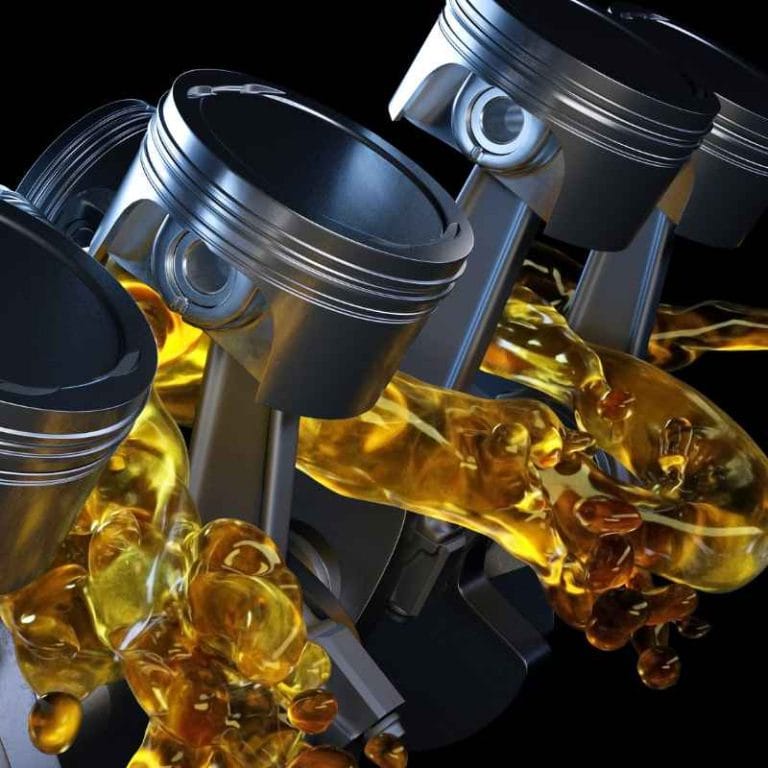
Engine oil is the lifeblood of your car’s engine, lubricating moving parts, reducing friction, and carrying away contaminants. But how long does it remain effective? The answer depends on several interrelated factors.
The Role Of Oil Type
There are three main categories of engine oil:
- Conventional oil, Mineral-based, less refined, typically lasts 3,000, 5,000 miles.
- Synthetic oil, Chemically engineered for higher stability, generally good for 7,500, 15,000 miles.
- Synthetic blends, A mix of conventional and synthetic, with lifespans in between.
Each oil type contains additives that fight wear, prevent sludge, and control acids. Over time, these additives degrade, and the oil’s ability to protect your engine diminishes.
Manufacturer Recommendations
Modern vehicles come with owner’s manuals specifying oil change intervals tailored to each engine’s needs. While the “3,000-mile rule” originated in the 1960s, advances in metallurgy, fuel injection, and oil chemistry have rendered it obsolete for most cars. Many automakers now recommend intervals of 7,500, 10,000 miles or more, especially when using synthetic oil.
Example: Toyota typically recommends oil changes every 10,000 miles for newer models using synthetic oil, while older models using conventional oil may still require changes every 5,000 miles.
The Impact Of Driving Conditions
How and where you drive drastically affects oil life:
- Short trips: Engines rarely reach optimal temperature, allowing moisture and contaminants to accumulate.
- Stop-and-go traffic: Increases engine load and operating temperature, accelerating oil breakdown.
- Extreme temperatures: Both hot and cold weather stress oil more than moderate climates.
- Towing and hauling: Place extra demands on the engine, requiring more frequent oil changes.
Pro Tip: Even if you don’t reach the mileage threshold, oil should be changed at least once per year due to moisture and additive breakdown.
Oil Life Monitoring Systems
Many modern vehicles are equipped with oil life monitors that use sensors and algorithms to estimate oil condition. These systems track engine revolutions, temperature, driving patterns, and more, providing a more personalized oil change interval than mileage alone.
According to Wikipedia, oil life monitors can extend intervals safely, but they should not be ignored or reset without performing the recommended maintenance.
Comparing Oil Types: Lifespan And Performance
Choosing the right oil is crucial for engine longevity and cost efficiency. Let’s compare the most common oil types in terms of lifespan, protection, and cost.
| Oil Type | Typical Lifespan (Miles) | Protection Level | Average Cost (USD/Quart) |
|---|---|---|---|
| Conventional | 3,000, 5,000 | Good | $3, $5 |
| Synthetic Blend | 5,000, 7,500 | Better | $4, $7 |
| Full Synthetic | 7,500, 15,000 | Best | $7, $12 |
| High-Mileage Synthetic | 7,500, 15,000 | Best for older engines | $8, $13 |
Conventional Oil
Conventional oil is the least refined and most affordable. It’s suitable for older vehicles or those with basic engines. However, it deteriorates faster under heat and stress, requiring more frequent changes.
Synthetic Blend Oil
Synthetic blends combine the cost advantage of conventional oil with improved performance from synthetic components. They offer longer life and better protection, making them a popular choice for drivers seeking a balance.
Full Synthetic Oil
Full synthetics are engineered to resist breakdown in high temperatures and severe conditions, offering the longest intervals. They are ideal for high-performance engines or those subjected to heavy loads.
High-mileage Oils
Specially formulated for vehicles with over 75,000 miles, high-mileage oils contain additives to rejuvenate seals and reduce leaks. They typically share the extended life of full synthetics.

Credit: ericscarcare.com
Factors That Shorten Or Extend Oil Life
While oil type and manufacturer recommendations are the starting point, real-world factors often dictate when you should actually change your oil.
Driving Habits
Your driving style plays a significant role:
- Aggressive driving (rapid acceleration, hard braking) increases engine stress.
- Frequent short trips prevent oil from reaching temperature, leading to condensation and sludge.
- Highway driving at steady speeds is the easiest on oil, often supporting longer intervals.
Environmental Conditions
- Heat: Accelerates oxidation and breakdown of both base oil and additives.
- Cold: Causes condensation, which mixes with oil and forms acids.
- Dust and humidity: Introduce contaminants that filter into the oil.
Engine Age And Condition
Older engines or those with worn seals may burn oil or allow contaminants to bypass filters, reducing oil life. High-mileage vehicles often benefit from more frequent changes and high-mileage formulas.
Oil Filter Quality
The oil filter traps debris and contaminants. A clogged or low-quality filter can circulate dirty oil, shortening its effective lifespan. Always replace the filter with every oil change.
Fuel Quality
Poor fuel quality can increase soot and carbon deposits, contaminating oil more quickly.
Real-world Examples And Case Studies
How do these factors play out in everyday scenarios? Let’s examine three real-world examples.
Example 1: The Daily Commuter
Sarah drives a 2018 Honda Accord, commuting 40 miles daily on the highway. She uses full synthetic oil and changes it every 10,000 miles, as recommended by her owner’s manual. After 150,000 miles, oil analysis consistently shows minimal wear and clean internals.
Her experience reflects the benefits of highway driving and synthetic oil’s resilience.
Example 2: The City Delivery Vehicle
A local pizza shop’s delivery car, a 2012 Toyota Corolla, operates almost exclusively in stop-and-go city traffic. Despite using synthetic blend oil, the shop owner noticed sludge buildup after following the 7,500-mile interval. Switching to changes every 4,000 miles solved the issue, highlighting how severe service can dramatically reduce oil life.
Example 3: The Weekend Warrior Truck
John’s 2015 Ford F-150 tows a camper on weekends and sits idle during the week. He follows the truck’s oil life monitor, which sometimes recommends changes at 5,000 miles after towing, but up to 12,000 miles after long highway stretches without heavy loads.
This demonstrates how modern monitoring systems adapt to real driving demands.
The Science Of Oil Degradation
Understanding why oil wears out helps drivers make informed decisions. Engine oil degrades due to several chemical and physical processes.
Oxidation
Exposure to oxygen at high temperatures causes oil molecules to break down, thickening the oil and forming sludge.
Contamination
- Fuel dilution: Unburned fuel can leak into the oil, reducing its viscosity and protection.
- Water and coolant leaks: Can cause milky oil and rapid engine wear.
- Soot and dirt: Enter through the air intake, especially in dusty environments.
Additive Depletion
Modern oils contain:
- Detergents: Clean internal engine parts.
- Dispersants: Prevent sludge formation.
- Anti-wear agents: Protect critical surfaces.
As these additives are used up, the oil’s ability to protect declines, even if it looks clean on the dipstick.
Viscosity Breakdown
Over time, heat and contamination cause oil to thin (lose viscosity) or thicken (gain viscosity), both of which can harm the engine.
How To Check And Interpret Oil Condition
Relying solely on mileage is outdated. Assessing oil condition can prevent premature changes and avoid engine damage.
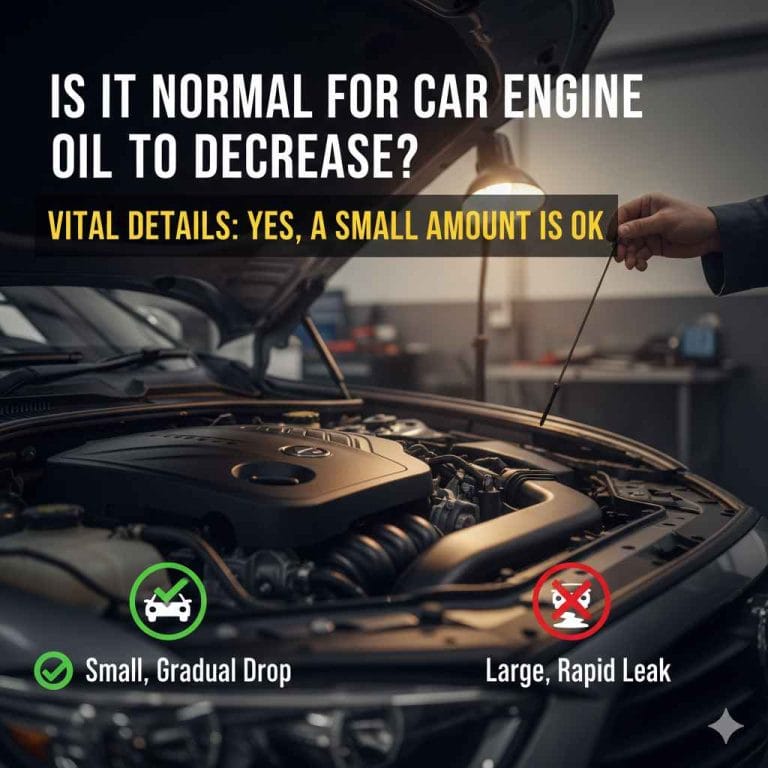
The Dipstick Test
- Wait until the engine is cool and parked on level ground.
- Pull the dipstick, wipe clean, reinsert, then check the level and color.
- Healthy oil is amber and smooth; dark, gritty, or milky oil signals problems.
Oil Life Monitors
Trust the vehicle’s system, but always confirm with the owner’s manual. Never ignore a low oil warning.
Laboratory Oil Analysis
For fleets or critical vehicles, oil analysis offers the most precise insight. A lab can detect:
- Contaminant levels
- Additive depletion
- Metal particles from wear
This approach is standard in aviation and heavy industry and increasingly popular with enthusiasts.
Smell And Texture
If oil smells burnt or feels gritty between your fingers, it’s overdue for a change.
Manufacturer Guidelines Vs. Real-world Practice
While automaker recommendations are a solid baseline, they assume average conditions. Tailoring intervals to your reality saves money and protects your engine.
Comparing Automaker Recommendations
| Make/Model | Recommended Interval (Synthetic) | Special Notes |
|---|---|---|
| Honda Accord (2018+) | 7,500, 10,000 miles | Uses oil life monitor |
| Toyota Camry (2020+) | 10,000 miles | Annual change required if not reached |
| Chevrolet Silverado (2019+) | 7,500, 12,000 miles | Interval varies by driving conditions |
| BMW 3 Series (2017+) | 10,000, 15,000 miles | Uses condition-based service system |
Severe Service Schedules
Manufacturers outline “severe service” conditions, often requiring oil changes at half the normal interval. These include:
- Frequent short trips
- Extreme temperatures
- Dusty or sandy environments
- Towing or carrying heavy loads
Example: Ford recommends 3,000-mile changes for trucks under severe service, versus 7,500 for normal use.
Warranty Implications
Following the manufacturer’s schedule is crucial for warranty compliance. Document all oil changes, keep receipts, and use approved oils. Neglecting maintenance can void coverage.
The Financial Impact Of Oil Change Intervals
Optimizing oil change intervals isn’t just about engine health, it’s also about cost.
Cost Comparison Table
| Interval | Annual Changes (12,000 miles/year) | Annual Oil Cost (Synthetic, $40/change) | Annual Oil Cost (Conventional, $25/change) |
|---|---|---|---|
| 3,000 miles | 4 | $160 | $100 |
| 5,000 miles | 2.4 | $96 | $60 |
| 7,500 miles | 1.6 | $64 | $40 |
| 10,000 miles | 1.2 | $48 | $30 |
Over-maintenance Vs. Under-maintenance
Changing oil too frequently wastes money and resources, while stretching intervals too far risks costly engine repairs. The sweet spot is following a schedule that matches your vehicle, oil type, and driving conditions.
Resale Value
A well-documented maintenance history increases your vehicle’s resale value. Buyers and dealerships look for records of regular oil changes using recommended products.
Environmental Considerations
Frequent oil changes generate waste oil and filters, creating an environmental burden.
Used Oil Disposal
According to the U.S. Environmental Protection Agency, used oil from one oil change can contaminate 1 million gallons of fresh water. Always recycle used oil at authorized collection centers.
Synthetic Vs. Conventional
Synthetic oils, with longer intervals, reduce overall oil consumption and waste. However, their production is more energy-intensive.
Biodegradable And Eco-friendly Oils
Some manufacturers are developing biodegradable oils for specific applications, though they’re not yet mainstream for automotive engines.
Pro Tip: If you want to minimize your environmental impact, select a high-quality synthetic oil and maximize intervals within safe limits.
How Oil Life Monitoring Systems Work
Oil life monitors are now standard in most new vehicles, but how do they actually determine when an oil change is due?
Algorithm-based Systems
Early systems used simple mileage and time counters. Modern monitors use complex algorithms that consider:
- Engine temperature cycles
- RPM patterns
- Cold starts
- Trip length
- Fuel consumption
By tracking these variables, the system estimates additive depletion and oil degradation.
Sensor-based Systems
Some advanced vehicles use sensors to directly measure oil conductivity, viscosity, or contamination. These provide even more accurate assessments, although they are more expensive.
Resetting And Following The System
Always reset the monitor after an oil change. Ignoring or tampering with the system can lead to missed maintenance and voided warranties.
Limitations
Oil life monitors are not foolproof. They may not detect coolant leaks or extreme contamination. Always supplement with regular inspections and follow severe service recommendations if applicable.
Frequently Asked Questions
How Does Oil Age Even If I Don’t Drive Much?
Even if your car is mostly parked, oil absorbs moisture from the air and its additives degrade over time due to temperature fluctuations. This can lead to sludge formation and acid buildup, which can corrode engine parts. Most manufacturers recommend changing oil at least once a year, regardless of mileage, to combat time-based degradation.
Are Extended-life Oil Filters Necessary For Longer Oil Intervals?
Yes, if you plan to extend oil change intervals, you should use an extended-life oil filter. Standard filters are designed for 3,000, 5,000 miles, while premium filters can last 10,000 miles or more. Using an inadequate filter can allow contaminants to circulate, shortening oil life and risking engine damage.
Can I Switch Between Conventional And Synthetic Oil?
Switching between conventional and synthetic oil is generally safe for most modern vehicles. However, always check your owner’s manual for compatibility. Some high-mileage or older engines may leak when switching to synthetic due to its superior cleaning properties, which can dislodge existing deposits.
Does Oil Color Always Indicate When It Should Be Changed?
No, oil color alone is not a reliable indicator of oil condition. Dark oil doesn’t necessarily mean it’s worn out, modern detergents keep contaminants in suspension, which darkens the oil. The only way to accurately assess oil health is through laboratory analysis or by following manufacturer recommendations.
Is It Worth Getting An Oil Analysis For My Car?
For everyday vehicles, routine oil analysis may not be cost-effective. However, for high-value cars, commercial fleets, or performance engines, oil analysis provides valuable insights into engine wear, contamination, and oil quality. It can help you optimize change intervals and detect problems early, saving money on repairs.
Oil is the unsung hero of engine longevity, but its lifespan depends on more than just mileage. By understanding the interplay between oil type, driving habits, environmental factors, and modern monitoring systems, you can tailor maintenance to your real-world needs. This saves money, reduces waste, and keeps your engine running at peak performance. Whether you follow the owner’s manual, trust your oil life monitor, or invest in periodic oil analysis, informed decisions are the key to reliable, efficient motoring. For the latest research and official guidelines, always consult your owner’s manual and resources such as the American Petroleum Institute.
Products related to this article
Sponsored / affiliate links. As an Amazon Associate I earn from qualifying purchases. I may earn additional commission from eligible campaigns.