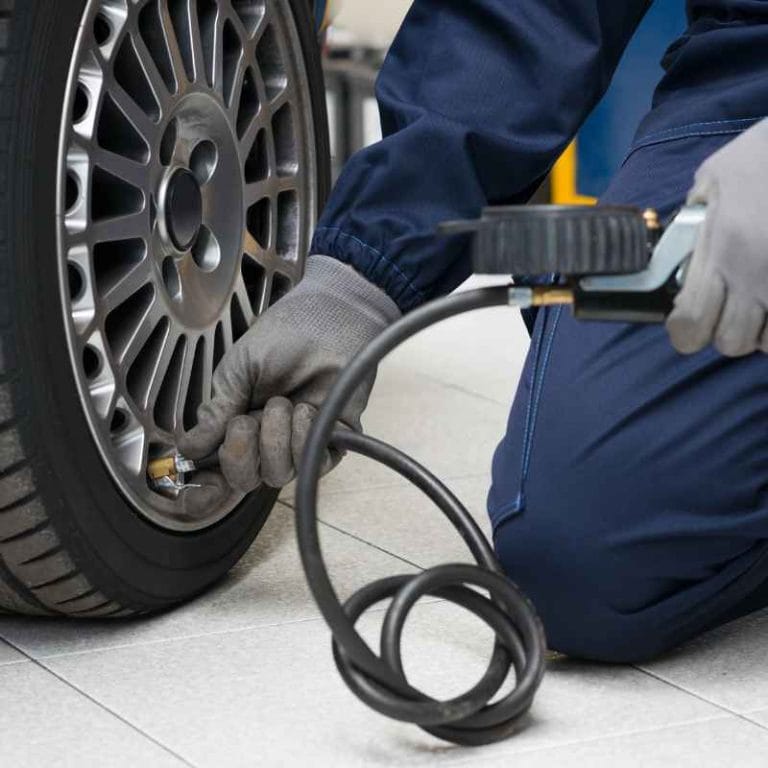
Car Tire Vs Trailer Tire: Key Differences You Must Know
When it comes to road safety and performance, the differences between car tires and trailer tires are often misunderstood or overlooked. Whether you’re towing a boat, hauling a camper, or simply driving your daily vehicle, choosing the right tire type can impact everything from fuel efficiency to handling and load capacity. The distinctions are more than just tread patterns or sizes—they’re rooted in design, construction, and intended use. This article dives deep into the key differences between car tires and trailer tires, helping you make informed decisions for your vehicle or trailer setup.
With millions of Americans towing trailers for work and leisure, understanding tire technology is more important than ever. Improper tire selection can lead to premature wear, poor towing performance, and even dangerous blowouts. We’ll explore real-world examples, compare specifications, and provide actionable insights to ensure you stay safe on the road and maximize your investment. Whether you’re a seasoned RV owner or new to towing, this comprehensive guide will clarify everything you need to know.
Key Takeaways
- Car tires and trailer tires serve different purposes, with unique construction and performance attributes.
- Trailer tires are designed for heavy loads, straight-line stability, and minimal sidewall flex, while car tires prioritize handling and comfort.
- Choosing the wrong tire type can lead to safety hazards, reduced performance, and increased maintenance costs.
- Understanding tread patterns, sidewall strength, and load ratings is crucial for optimal tire selection.
- Real-world examples illustrate how tire choice affects towing and driving experiences.
- Regular maintenance and proper inflation are essential for both tire types to ensure longevity and safety.

Credit: www.motomember.com
Understanding Tire Fundamentals
Before delving into the differences between car and trailer tires, it’s essential to grasp basic tire anatomy and terminology. Both tire types share certain elements, but their construction and purpose diverge significantly.
Tire Anatomy And Key Features
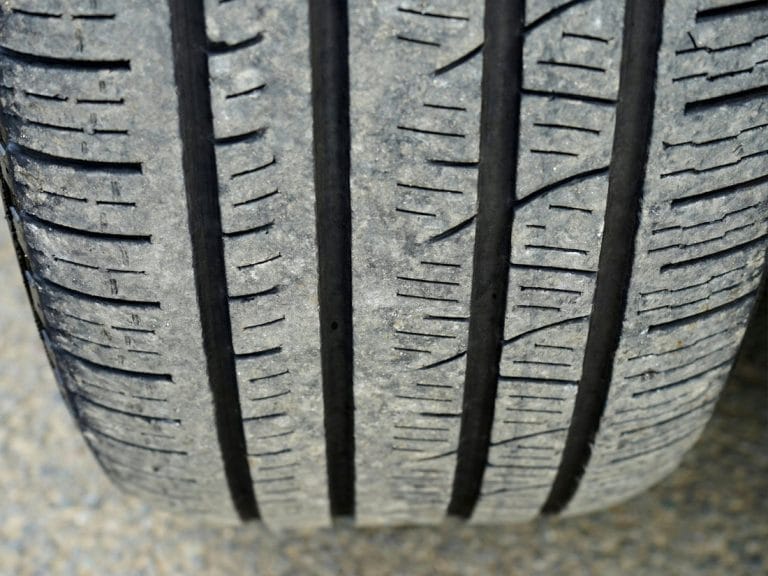
Every tire consists of several key components: tread, sidewalls, bead, and inner liner. The tread is the rubber portion that contacts the road surface, providing traction and channeling water away to prevent hydroplaning. The sidewalls are the vertical sections between the tread and bead, impacting both ride comfort and strength. The bead comprises bundles of high-tensile steel wires coated in rubber, ensuring a secure fit on the wheel rim. The inner liner is a layer of rubber that prevents air from leaking out, maintaining tire pressure.
- Car tires typically feature flexible sidewalls and advanced tread patterns for grip and maneuverability. Modern car tires might also integrate silica compounds and sophisticated siping (tiny slits) for improved wet weather performance, noise reduction, and even better fuel efficiency.
- Trailer tires (often labeled “ST” for Special Trailer) have stiffer sidewalls and simpler tread designs for stability and durability. These tires are engineered to prevent flexing under heavy loads and resist heat buildup, which is crucial when towing over long distances.
Tire construction technology continues to evolve. Some car tires now use ultra-high performance compounds for sports cars, while trailer tires may utilize UV-resistant rubber to withstand sun exposure during storage.
Tire Markings And Codes
Tire markings are not just numbers—they’re a coded language that reveals size, load rating, speed rating, and type. For example:
- P215/65R16 (Passenger car tire): The “P” stands for passenger, “215” is the tire width in millimeters, “65” is the aspect ratio (height to width), “R” means radial construction, and “16” is the wheel diameter in inches.
- ST205/75R15 (Special Trailer tire): “ST” stands for Special Trailer, “205” is the width, “75” is the aspect ratio, “R” is radial, “15” is the wheel diameter.
Additional codes include load index (e. g. , 98, which corresponds to maximum load capacity), speed rating (e. g. , “T” for up to 118 mph), and manufacturing date (important for trailer tires, which can age out even if tread remains).
Understanding these codes is vital for selecting the right tire for your needs. The “ST” designation is exclusive to trailer tires, signifying their unique construction. Mistaking a passenger tire for a trailer tire can lead to catastrophic failure due to load mismatches.
Real-world Example: Tire Misidentification
A family towing their RV mistakenly replaced worn trailer tires with passenger car tires, resulting in sway and instability on the highway. After switching to proper ST-rated trailer tires, their towing experience improved dramatically, underscoring the importance of correct tire identification.
This scenario is common among new RV owners who might not realize that visual similarities do not equate to functional interchangeability. The right tire markings and codes prevent these costly mistakes.
Construction And Design Differences
The most critical distinctions between car tires and trailer tires stem from their construction and intended use. These differences influence performance, safety, and lifespan.
Sidewall Strength And Flexibility
- Car tires: Built for flexibility, allowing better handling and cornering. Softer sidewalls absorb road bumps, providing a smoother ride. This flexibility is essential for passenger comfort and maintaining traction during sharp turns or evasive maneuvers.
- Trailer tires: Feature reinforced, rigid sidewalls to minimize flex under heavy loads. This enhances stability and prevents sway during towing. The stiffer construction also helps resist damage from curbs and road debris, which is critical when trailers are loaded to capacity.
Sidewall rigidity in trailer tires is achieved with additional plies and sometimes even special reinforcing materials. This helps keep the tire shape intact under fluctuating loads, reducing the risk of blowouts.
Tread Design And Patterns
- Car tires: Designed for traction, wet/dry performance, and noise reduction. Complex tread patterns with sipes and grooves improve grip. Some car tires, such as all-season or performance tires, feature multi-directional tread blocks that enhance cornering and braking.
- Trailer tires: Simple, straight tread patterns prioritize longevity and reduce rolling resistance, since trailers don’t need aggressive cornering. Many trailer tires use ribbed or symmetrical patterns to ensure even wear and reliable tracking behind the tow vehicle.
The simplicity in trailer tire tread is deliberate; it reduces heat buildup and prolongs lifespan. Aggressive tread, while beneficial for cars, can actually increase rolling resistance and reduce trailer stability.
Internal Construction Materials
Car tires use advanced compounds for comfort and performance, including silica, carbon black, and sometimes Kevlar for extra puncture resistance. Trailer tires employ robust materials for durability and load support. Trailer tires often include more plies and thicker rubber.
For example, a typical car tire might have two polyester plies and a steel belt, while a trailer tire could have four or more plies, using thicker layers to withstand heavy loads and long storage periods.
Comparison Table: Construction Attributes
| Attribute | Car Tire | Trailer Tire |
|---|---|---|
| Sidewall Flexibility | High (for comfort and handling) | Low (for load stability) |
| Tread Pattern | Complex (traction-focused) | Straight/simple (longevity-focused) |
| Internal Ply Count | Fewer plies (performance) | More plies (durability) |
| Rubber Compound | Flexible, performance-oriented | Stiff, load-oriented |
Case Study: Construction Impact
A commercial landscaper hauling equipment noticed frequent trailer tire blowouts using car tires. After switching to high-quality ST tires, blowouts ceased, and load stability increased, saving costs and downtime. The landscaper also reported improved fuel economy and fewer service interruptions, demonstrating the practical benefits of selecting the right tire construction.

Credit: neotires.com
Performance And Usage Scenarios
Choosing the right tire is not just about construction—it’s about performance in real-world situations. Each tire type excels in specific scenarios.
Handling And Comfort
- Car tires: Engineered for responsive steering, cornering, and ride comfort. They perform best under dynamic driving conditions. Sports cars, for example, rely on car tires with high grip and soft sidewalls to maintain control at high speeds and during sharp turns.
- Trailer tires: Prioritize straight-line stability, minimizing sway and fishtailing during towing. Their predictable tracking prevents sudden lateral movements, which can be dangerous when towing heavy or tall loads.
Trailer tires sacrifice cornering ability for stability. This means that while the tow vehicle handles the curves, the trailer follows in a controlled manner, reducing the risk of jackknifing or loss of control.
Load Capacity And Weight Distribution
Trailer tires are rated for higher loads and distributed weight, critical for hauling heavy cargo. Car tires, despite their grip, are not designed to sustain prolonged heavy loads. For example, a tandem axle trailer carrying construction materials may require each tire to support over 1,500 lbs, far exceeding typical car tire ratings.
Proper weight distribution is also crucial. Overloading a single tire, especially a car tire used on a trailer, can cause rapid overheating, tread separation, and catastrophic failure.
Speed Ratings
- Car tires: Often rated for higher speeds (up to 149 mph or more), suitable for highway and sports driving.
- Trailer tires: Typically rated for lower speeds (max 65–75 mph), as trailers are not designed for high-speed travel. Exceeding these ratings can cause excessive heat buildup and increase the risk of blowouts.
Fuel Efficiency
Trailer tires often feature lower rolling resistance, aiding fuel efficiency during towing. Car tires may have higher resistance due to tread complexity. When towing, the right trailer tire can reduce drag and save on fuel costs, especially over long distances.
Example: Towing A Boat Vs Daily Driving
A driver uses car tires for daily commuting, enjoying smooth handling. When towing a boat, switching to trailer tires improves stability and prevents dangerous sway, especially at highway speeds. In addition, the trailer tires’ reinforced sidewalls prevent the trailer from “walking” or leaning during lane changes and turns, enhancing safety for both the driver and other motorists.
Comparison Table: Performance Metrics
| Performance Metric | Car Tire | Trailer Tire |
|---|---|---|
| Handling | High (maneuverability) | Moderate (straight-line) |
| Comfort | Excellent | Basic |
| Load Capacity | Standard | High |
| Speed Rating | High | Moderate |
| Fuel Efficiency | Varies | Often better when towing |

Credit: www.discountedwheelwarehouse.com
Safety Implications And Risks
Safety is paramount when selecting tires, and mismatched tires can pose significant risks. Understanding the implications of tire type is crucial for preventing accidents.
Blowouts And Tread Separation
Trailer tires are engineered to withstand sustained heavy loads and heat buildup. Using car tires on a trailer increases the risk of blowouts and tread separation, especially during long-distance travel. Such failures can lead to loss of control, property damage, or even injuries.
Blowouts are typically caused by excessive heat generated from overloaded or improperly matched tires. Trailer tires, with their higher ply count and heat-resistant compounds, are specifically designed to mitigate this risk.
Sway And Stability Issues
Incorrect tires can cause sway, fishtailing, and instability, particularly at high speeds or in crosswinds. Trailer tires’ stiff sidewalls reduce these risks. For example, a boat trailer equipped with passenger car tires may sway violently when passing large trucks, while proper ST tires hold their shape and track straight.
Braking Performance
Car tires offer superior braking for passenger vehicles, but on trailers, their softer sidewalls can degrade braking efficiency. Trailer tires maintain shape under load, improving braking stability. This is especially important with surge or electric brakes, which rely on consistent tire contact and minimal flex to stop effectively.
Real-world Example: Camper Tire Failure
A camper owner installed car tires on their trailer, leading to a dangerous blowout on the interstate. The incident resulted in property damage and highlighted the importance of proper tire selection. The owner later learned that the car tires could not handle the trailer’s weight, especially under sustained speeds, and switched to ST-rated tires with enhanced heat resistance.
Regulatory And Legal Considerations
Many states mandate the use of ST tires on trailers for safety. Violating these regulations can lead to fines and insurance complications. Refer to official guidelines at NHTSA. Additionally, insurance policies may exclude coverage for damages caused by improper tire use, making compliance not just a legal but financial necessity.
Safety Checklist
- Always match tire type to vehicle/trailer
- Check load ratings and inflation pressure
- Inspect tires regularly for wear and damage
- Adhere to speed ratings and regulations
- Rotate tires and check for dry rot, especially if trailer is stored outdoors
Longevity, Maintenance, And Cost
The lifespan and maintenance requirements of car tires and trailer tires differ considerably. These differences impact overall cost and value.
Lifespan And Wear Patterns
- Car tires: Typically last 40,000–60,000 miles, depending on usage and maintenance. Wear is usually measured by tread depth; once the tread reaches 2/32” (about 1.6 mm), replacement is necessary.
- Trailer tires: Often last 5–7 years, regardless of mileage, due to exposure and load stress. Tread wear is less relevant than age and sidewall condition. Trailer tires may develop cracks and dry rot from UV exposure, even if the tread appears unworn.
Trailer tires can age out before wearing out, making regular inspections for sidewall integrity and date codes crucial.
Maintenance Practices
Both tire types require regular inspection and proper inflation. Trailer tires are more prone to dry rot and UV damage, demanding additional care. Using tire covers, parking on gravel instead of pavement, and rotating tires can extend their life. Car tires benefit from routine alignment and rotation to ensure even wear.
Neglecting trailer tire maintenance can result in catastrophic failures, especially during seasonal use. Best practices include checking pressure before every trip, storing tires out of sunlight, and removing tires during long-term storage.
Replacement Costs
- Car tires: Average replacement cost ranges from $100–$250 per tire, with premium brands or performance tires costing more.
- Trailer tires: Generally $75–$200 per tire, but may require more frequent replacement due to aging. Some specialty trailer tires, such as those for horse trailers or heavy-duty equipment, may cost more.
Considering replacement intervals and maintenance, trailer tire costs can add up over time, especially for frequent haulers or RV owners.
Comparison Table: Longevity And Cost
| Attribute | Car Tire | Trailer Tire |
|---|---|---|
| Average Lifespan | 40,000–60,000 miles | 5–7 years (age-based) |
| Wear Patterns | Tread wear | Sidewall degradation |
| Replacement Cost | $100–$250 per tire | $75–$200 per tire |
| Maintenance Frequency | Moderate | High (UV/age concerns) |
Case Study: Rv Tire Maintenance
An RV owner implemented a routine maintenance schedule for trailer tires, including UV protection and annual inspections. This practice extended tire lifespan and prevented costly breakdowns during cross-country trips. The owner also kept detailed records of tire age and replaced tires proactively, avoiding roadside emergencies and ensuring peace of mind for every journey.
Environmental And Technological Considerations
Modern tire design incorporates sustainability and technology advancements. Both car and trailer tires are evolving, but their focus areas differ.
Environmental Impact
Car tire manufacturers are increasingly using eco-friendly compounds and sustainable materials. Innovations include using recycled rubber, bio-based oils, and minimizing carbon emissions during production. Trailer tires focus on durability, but are also adopting greener production methods, such as energy-efficient manufacturing and improved waste management.
The environmental impact of tires extends beyond production. Proper disposal and recycling are essential to prevent landfill pollution. Both car and trailer tires can be repurposed for playground surfaces, construction materials, or fuel.
Technological Innovations
- Car tires: Advances include run-flat designs, noise reduction technology, and improved traction compounds. Smart tire systems are emerging, which monitor air pressure, temperature, and even tread depth, alerting drivers to potential issues before they become dangerous.
- Trailer tires: Innovations emphasize heat resistance, load stability, and extended life under heavy loads. Some premium trailer tires now feature reinforced bead designs and advanced compounds to resist ozone and UV damage.
Additionally, tire pressure monitoring systems (TPMS) are increasingly available for trailers, providing real-time data to prevent blowouts and improve safety. Advanced trailer tires may also integrate RFID tags for fleet management.
Recycling And Disposal
Proper disposal of worn tires is essential for environmental protection. Many states have tire recycling programs—learn more at EPA. Participating in these programs ensures that tires are processed responsibly, reducing environmental impact and supporting the circular economy.
Future Trends
Expect continued improvements in tire compounds, manufacturing processes, and smart tire monitoring systems. Trailer tires may soon feature integrated sensors for real-time pressure and temperature monitoring. Autonomous vehicles and electric trailers are likely to push tire innovation further, requiring tires that adapt to new driving and towing dynamics.
Choosing The Right Tire For Your Needs
Selecting the proper tire is a balance of safety, performance, and cost. Here’s how to make the best choice for your vehicle or trailer.
Assessing Vehicle Or Trailer Requirements
- Identify your vehicle or trailer’s weight, load distribution, and usage patterns.
- Consult manufacturer recommendations and verify tire codes.
- Consider usage frequency and conditions—occasional hauling may require different tires than daily commercial use.
Matching Tire Type To Usage
- For daily driving, prioritize car tires with high comfort and handling ratings.
- For towing, select ST-rated trailer tires with appropriate load and speed ratings.
- For specialty applications (off-road, heavy-duty), seek tires designed for those environments.
Checking Certifications And Ratings
- Look for DOT certification and relevant load/speed ratings.
- Verify warranties and lifespan expectations.
- Check for additional certifications, such as RVIA for recreational vehicle tires, ensuring compliance with industry standards.
Real-world Example: Fleet Management
A logistics company optimized its fleet by matching tire types to vehicle roles, reducing maintenance costs and improving safety. This strategy demonstrated the value of informed tire selection. Fleet managers also reported fewer downtime incidents and improved driver satisfaction due to tailored tire choices.
Tips For Tire Selection
- Always match tire type to application.
- Check load and speed ratings.
- Consult expert reviews and manufacturer guidelines.
- Inspect tire age and condition.
- Consider environmental factors (UV exposure, storage).
- Review maintenance recommendations and warranty terms.
- Seek advice from professional tire dealers or mechanics, especially for specialty trailers.
External Resources
For further guidance, visit:
- Consumer Reports Tires Guide
- Tire Rack
- Wikipedia: Tire
- Local tire shops and dealer websites often provide vehicle-specific recommendations.
Common Myths And Misconceptions
Misinformation about car and trailer tires can lead to costly mistakes. Let’s debunk prevalent myths.
Myth 1: Car Tires Can Substitute Trailer Tires
Despite similarities in appearance, car tires lack the load stability and durability required for trailers. Using car tires on a trailer can lead to dangerous failures. The right tire ensures not just safety, but optimal towing performance.
Myth 2: Trailer Tires Are Just Cheaper Versions
Trailer tires are purpose-built for specific demands. Their construction is tailored for load support, not cost-cutting. While some trailer tires may cost less than high-end car tires, this is due to their specialized design, not inferior quality.
Myth 3: Tire Age Doesn’t Matter
Both car and trailer tires degrade over time, even if tread appears intact. Age-related sidewall deterioration is a major safety concern. Always check the manufacturing date and replace tires as recommended.
Myth 4: More Expensive Tires Always Perform Better
Price doesn’t always correlate with suitability. The right tire for your application is more important than brand or price. Consult expert reviews and performance data to guide your selection.
Myth 5: All Tires Are Created Equal
Each tire type is engineered for unique requirements. Never assume interchangeability based on size or appearance. Matching the tire to its intended use prevents accidents and maximizes lifespan.
Frequently Asked Questions
What Happens If I Use Car Tires On My Trailer?
Using car tires on a trailer increases the risk of blowouts, sway, and premature wear due to their flexible sidewalls and lower load capacity. Always use ST-rated trailer tires for safety. Insurance claims may also be denied if the wrong tire type is used.
How Can I Tell If My Trailer Tires Need Replacing?
Inspect for sidewall cracks, bulges, and tread separation. Trailer tires should be replaced every 5–7 years, regardless of tread depth, due to age-related degradation. Check the date code (four-digit number) on the sidewall to determine tire age.
Are Trailer Tires Suitable For Driving On Highways?
Yes, trailer tires are designed for highway use but typically have lower speed ratings (65–75 mph). Always adhere to the manufacturer’s recommended speed to avoid overheating and potential failure.
Can I Use Trailer Tires On My Car?
No, trailer tires are not designed for passenger vehicles. Their stiff sidewalls and simple tread patterns compromise handling, comfort, and braking on cars. Only use tires as recommended by the vehicle manufacturer.
How Should I Maintain My Trailer Tires For Maximum Lifespan?
Keep tires properly inflated, avoid overload, protect from UV exposure, store in cool/dry places, and inspect annually for signs of wear or aging. Use tire covers during storage, and rotate tires periodically if possible.
References
- Wikipedia: Tire
- NHTSA Tire Safety
- Consumer Reports Tires Guide
- Tire Rack
- EPA: Sustainable Management of Used Tires
- RVUSA Trailer Tire Guide
Choosing between car tires and trailer tires goes far beyond price or appearance—it’s a matter of safety, performance, and long-term value. By understanding their unique construction, usage scenarios, and maintenance needs, you’ll ensure smooth travels, safer journeys, and fewer unexpected repairs.
Make your tire choices wisely, and enjoy the road ahead with confidence.
Products related to this article
Sponsored / affiliate links. As an Amazon Associate I earn from qualifying purchases. I may earn additional commission from eligible campaigns.