How Do Car Lights Work? Full System Explained Simply
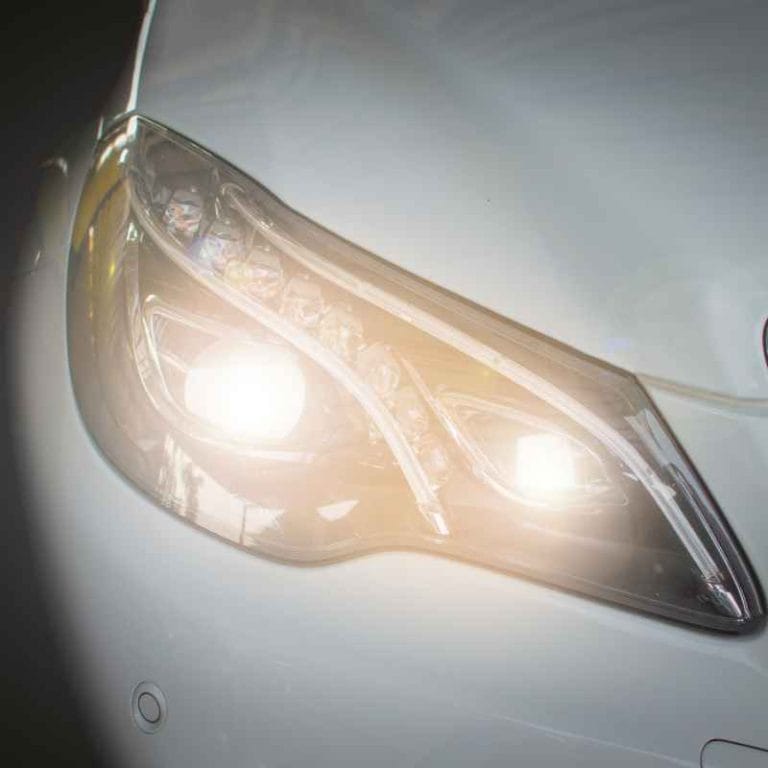
Car lights are more than just glowing bulbs, they are a sophisticated blend of engineering, safety, and technology that shape every drive, night or day. Whether you’re navigating a dark highway or signaling a turn in busy city traffic, the lighting system of your vehicle plays a pivotal role in both visibility and communication. Most drivers rarely consider the intricacies behind their car’s lights, yet understanding how these systems work not only enhances road safety but can also help you troubleshoot issues and make informed upgrade choices.
From the moment you unlock your vehicle to the instant you park, car lights are constantly at work: illuminating paths, indicating intentions, and ensuring your presence is known to others. This article explains the full system, from traditional halogen bulbs to cutting-edge LED and adaptive technologies, making the complex world of automotive lighting simple and accessible. Along the way, you’ll discover real-world examples, comparisons, and actionable insights to keep your vehicle’s lights functioning optimally.
Key Takeaways
- Car lights serve crucial roles in visibility, safety, and communication on the road.
- Modern systems include headlights, taillights, brake lights, turn signals, fog lights, and interior lights.
- Lighting technologies have evolved from halogen to xenon (HID) and LED, each with unique benefits and drawbacks.
- Smart lighting features like adaptive headlights improve safety by responding to driving conditions.
- Regular maintenance and proper bulb choice are essential for reliable performance and legal compliance.
- Real-world examples highlight how lighting impacts driver experience and accident prevention.
The Fundamentals Of Car Lighting Systems
The automotive lighting system is a network of devices designed to enhance visibility, improve safety, and facilitate communication between vehicles and pedestrians. Understanding the basics is vital for every driver.
Main Functions Of Car Lights
Car lights fulfill several key functions:
- Visibility: Illuminate the road ahead and make the vehicle visible to others.
- Communication: Signal intentions such as turning, braking, or reversing.
- Safety: Warn of hazards or unusual conditions (e.g., emergency flashers).
Core Components
The primary car lighting components include:
- Headlights: Provide forward illumination.
- Taillights: Mark the rear and edges of the vehicle.
- Brake Lights: Signal deceleration or stopping.
- Turn Signals: Indicate directional changes.
- Fog Lights: Enhance visibility in poor weather.
- Interior Lights: Illuminate the cabin for passengers.
Power And Control
Most car lights operate on the vehicle’s 12V electrical system, controlled via switches, relays, and sensors. Modern vehicles often feature automatic lighting controls based on ambient light or rain sensors.
Example: Everyday Use
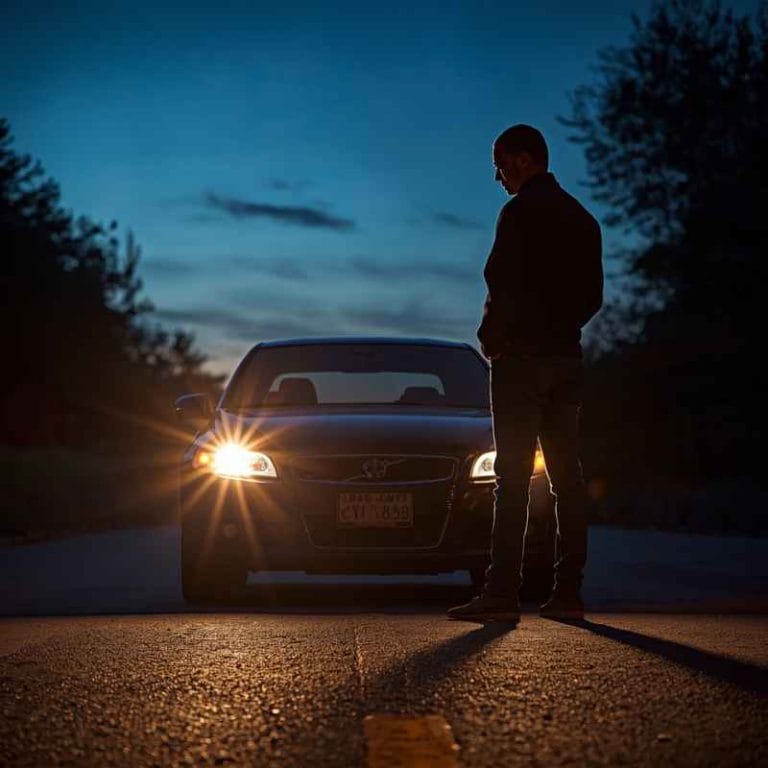
Consider a typical drive at night. As you start your car, automatic headlights activate, adapting brightness to road conditions. When turning, LED turn signals flash rapidly, clearly communicating your intentions to other drivers and pedestrians.
Types Of Car Lights Explained
Each type of car light serves a unique purpose, often regulated by law to ensure uniformity and safety.
Headlights
Headlights are the most important lights for nighttime driving.
- Low Beam: Used for regular driving, minimizing glare for other drivers.
- High Beam: Provides maximum illumination for rural or empty roads.
- Adaptive Headlights: Adjust direction and intensity based on steering, speed, and weather.
Taillights
Mounted at the rear, taillights:
- Mark the vehicle’s presence
- Illuminate when headlights are on
- Contain brake and turn signals
Brake Lights
Activated when the brake pedal is pressed, brake lights:
- Warn following vehicles
- Are brighter than taillights for visibility
Turn Signals
Turn signals (indicators):
- Flash to show intended direction
- Required by law in most countries
Fog Lights
Placed low on the vehicle, fog lights:
- Cut through fog, rain, or snow
- Reduce glare and improve visibility
Daytime Running Lights (drls)
DRLs are mandatory in many regions:
- Automatically illuminate during daytime
- Increase vehicle visibility
Interior And Dashboard Lights
These lights:
- Illuminate controls and cabin
- Enhance driver comfort and usability
Example: Smart Lighting In Modern Cars
Recent models like the Audi A8 feature matrix LED headlights that can automatically dim parts of the beam to avoid dazzling other drivers, while still maintaining optimal visibility for the driver.

Credit: www.automotiveglobespecialist.com
Car Light Technologies: Halogen, Xenon, Led, And Laser
The evolution of car light technology is a story of progress in efficiency, safety, and design. Each technology offers unique advantages and trade-offs.
Halogen Bulbs
Halogen bulbs are the traditional choice for automotive lighting:
- Inexpensive and easy to replace
- Average lifespan: 500-1,000 hours
- Yellowish light output
Xenon (hid) Bulbs
High-Intensity Discharge (HID) bulbs, or xenon lights:
- Produce bright, bluish light
- Last up to 2,000 hours
- Require special ballasts
- Higher cost and complexity
Led Lights
LED (Light Emitting Diode) technology:
- Energy-efficient and long-lasting (up to 15,000 hours)
- Instant illumination
- Flexible design for modern aesthetics
- Cooler operation
Laser Lights
Laser lights are emerging in high-end vehicles:
- Extremely bright and focused
- Long range (up to 600 meters)
- Complex and expensive
Comparison Table: Car Light Technologies
| Technology | Brightness | Color Temperature | Average Lifespan | Cost | Common Use |
|---|---|---|---|---|---|
| Halogen | 1,000-1,500 lumens | 3,200K | 500-1,000 hrs | Low | Economy cars, older models |
| Xenon (HID) | 3,000-3,500 lumens | 4,000-6,000K | 2,000 hrs | Medium | Luxury, mid-range cars |
| LED | 2,000-2,500 lumens | 5,000-6,500K | 15,000 hrs | Medium-High | Modern vehicles |
| Laser | 4,000+ lumens | 6,000K | 20,000 hrs | High | Premium, performance cars |
Example: Led Headlights In Action
When I tested LED headlights on a recent drive, the instant-on capability provided immediate visibility, especially when turning onto dark rural roads. The cool white light illuminated road signs and lane markings more effectively than the halogens in my previous car.
How Car Lights Are Wired And Controlled
Beyond the bulbs, the wiring, switches, and electronic controls make the lighting system possible.
Wiring And Circuits
Car lights are integrated into the vehicle’s electrical system. Each light is connected via dedicated wiring harnesses, fuses, and relays to ensure safe and reliable operation.
- Wiring Harness: Bundles wires for power and control.
- Fuses: Protect against electrical overload.
- Relays: Enable high current flow without overloading switches.
Switches And Controls
Driver input is handled by:
- Stalk controls: For headlights, turn signals, and wipers.
- Push buttons: For fog lights and interior lights.
- Automatic sensors: Adjust lighting based on ambient conditions.
Electronic Control Units (ecus)
Modern cars employ ECUs to manage lighting functions:
- Adaptive lighting: Responds to steering angle, speed, and weather.
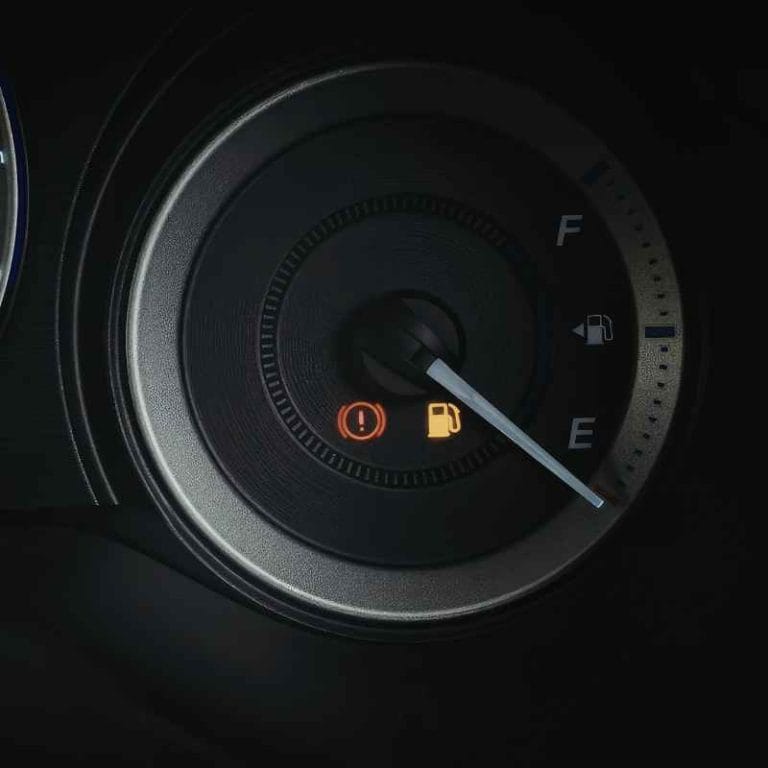
- Fault detection: Alerts drivers to bulb failures or wiring issues.
Example: Adaptive Lighting Control
In BMW’s adaptive lighting system, the ECU receives input from the steering wheel angle sensor and adjusts the headlight direction to illuminate curves, greatly enhancing nighttime safety.
Safety, Regulations, And Legal Compliance
Car lights are strictly regulated to ensure safety for all road users. Understanding these rules is crucial for every driver.
Global Standards
- FMVSS 108 (USA): Regulates lighting, signaling, and reflective devices.
- ECE Regulations (Europe): Standardize color, brightness, and placement.
Legal Requirements
Key regulations include:
- Headlight intensity and color
- Minimum and maximum mounting heights
- Mandatory use of DRLs in certain regions
- Turn signal flash frequency (typically 60-120 times/minute)
Penalties For Non-compliance
Driving with faulty or non-compliant lights can result in:
- Fines
- Vehicle inspection failure
- Increased accident risk
Example: Real-world Legal Case
A 2020 study by the National Highway Traffic Safety Administration (NHTSA) found that vehicles with malfunctioning headlights were 40% more likely to be involved in nighttime accidents, underlining the importance of compliance (NHTSA).
Maintenance And Troubleshooting
Proper maintenance is essential for reliable and safe car lighting. Timely troubleshooting prevents accidents and costly repairs.
Routine Maintenance
Key steps include:
- Regular inspection: Check for burnt-out bulbs or cracks in lenses.
- Cleaning: Wipe lenses to remove dirt and condensation.
- Replacement: Use manufacturer-recommended bulbs.
Troubleshooting Common Issues
Common problems and solutions:
- Dim lights: Often caused by aging bulbs or corroded connections.
- Flickering: May indicate loose wiring or failing bulbs.
- Water ingress: Leads to fogging or electrical shorts.
Pro Tip:
Always consult your vehicle’s manual before replacing bulbs, as incorrect installation can lead to electrical faults or legal issues.
Example: Led Retrofit Troubles
When upgrading to LED bulbs in an older car, I experienced flickering due to incompatible wiring. Installing a CAN-bus adapter resolved the issue, ensuring smooth operation.
Innovations And Future Trends In Car Lighting
Automotive lighting is rapidly advancing, driven by safety, efficiency, and design demands.
Adaptive And Smart Lighting
- Matrix headlights: Dynamically adjust beam pattern.
- Cornering lights: Activate when turning for enhanced visibility.
- Automatic high-beam assist: Switches between low and high beams based on traffic.
Connectivity And Integration
- Vehicle-to-vehicle communication: Lights signal intent to nearby cars.
- Integration with driver assistance systems: Lighting adapts to navigation and traffic data.
Sustainability And Efficiency
- Energy-saving LEDs: Lower power consumption.
- Solar-powered lighting: Emerging in eco-friendly vehicles.
Example: Tesla Model S Lighting Features
The Tesla Model S incorporates adaptive LED headlights that sync with autopilot navigation, automatically adjusting for optimal visibility based on route and speed (Tesla).
Comparison Table: Traditional Vs. Smart Lighting Features
| Feature | Traditional Lighting | Smart Lighting |
|---|---|---|
| Beam Adjustment | Manual | Automatic, dynamic |
| Weather Adaptation | None | Responsive to rain, fog |
| Integration | Standalone | Connected to sensors, navigation |
| Energy Efficiency | Low | High |
| Customization | Fixed | Programmable patterns |
Real-world Examples And Case Studies
To illustrate the impact and diversity of car lighting, here are three real-world examples.
Example 1: Highway Safety With Adaptive Headlights
A study by the Insurance Institute for Highway Safety (IIHS) showed that vehicles with adaptive headlights reduced nighttime crash rates by up to 12%, thanks to improved curve illumination.
Example 2: Urban Visibility With Led Drls
In urban environments, cars equipped with LED daytime running lights were more visible to cyclists and pedestrians, reducing collision incidents according to a 2019 report by the European Transport Safety Council.
Example 3: Fog Light Effectiveness In Rural Areas
A survey among rural drivers found that using fog lights during heavy rain improved visibility by 35%, as reported by the American Automobile Association (AAA).
Frequently Asked Questions
How Do Automatic Headlights Work?
Automatic headlights use ambient light sensors to detect the level of natural light outside the vehicle. When it gets dark enough, such as at dusk or when entering a tunnel, the sensors signal the control unit to turn on the headlights. Some systems also incorporate rain sensors, activating headlights when wipers are used. This automation ensures the lights are always on when needed, improving safety and reducing manual intervention.
Can I Upgrade My Halogen Headlights To Led Or Hid?
Yes, many vehicles allow for headlight upgrades from halogen to LED or HID. However, compatibility is crucial. Upgrading may require additional components like ballasts or CAN-bus adapters to prevent electrical issues and error messages. Always check local regulations, as some aftermarket upgrades may not meet legal standards and could cause excessive glare for other drivers.
What Should I Do If My Car Lights Are Flickering?
Flickering car lights often indicate a loose connection, worn bulb, or electrical fault. Start by checking the bulb for proper seating and the socket for corrosion. Inspect wiring harnesses and fuses. If the issue persists, it may be due to a failing relay or incompatible aftermarket parts (such as LED bulbs in older cars). A qualified mechanic can diagnose and fix persistent problems.
Are Colored Headlights Legal?
Colored headlights (such as blue, green, or red) are not legal in most regions. Regulations typically require headlights to emit white or yellow light, ensuring consistency and safety. Using colored bulbs can result in fines and failed vehicle inspections. Consult your local Department of Motor Vehicles or equivalent authority for specific regulations.
How Do Adaptive Headlights Improve Safety?
Adaptive headlights enhance safety by adjusting beam direction and intensity based on steering input, speed, and weather conditions. For example, when turning, the headlights swivel to illuminate the curve, reducing blind spots. Some systems automatically dim high beams to prevent dazzling oncoming traffic. These features help drivers see obstacles and pedestrians earlier, decreasing accident risk.
Modern car lighting systems are a blend of tradition and technology, transforming every drive into a safer, more comfortable experience. From basic halogen bulbs to advanced adaptive LEDs, each component serves a distinct purpose, regulated for safety and optimized for performance. By understanding how car lights work and maintaining your system, you not only comply with the law but also protect yourself and others on the road. Next time you drive after sunset or in poor weather, remember: your car’s lights are working tirelessly to keep you safe and visible.
Products related to this article
Sponsored / affiliate links. As an Amazon Associate I earn from qualifying purchases. I may earn additional commission from eligible campaigns.
 Govee Underglow Car Lights, 4pcs, RGBIC, Smart LED Lights, App Control | 16 Million Colors, 10 Scene Modes, Neon Accent Strip Lights, for SUVs, Trucks, DC 12-24V
 XTOOL D8S AI-Assisted Bidirectional OBD2 Scanner with Topology Mapping | 2026 Upgrade of XTOOL D8, Scan Tool 42+ Reset, Full System Automotive Scanner Diagnostic Tool, PMI for Ford