Safest Vehicle Type for Families According to Crash Tests
When it comes to protecting what matters most, families naturally prioritize safety above all else, especially on the road. The modern automotive market offers an overwhelming variety of vehicle types, each boasting its own safety features and crash test ratings.
But which vehicle type truly stands out as the safest for families, according to the most rigorous crash tests? With children, loved ones, and precious cargo on board, making the right choice isn’t just a matter of preference, it’s a matter of life and death.
Over the past decade, organizations like the National Highway Traffic Safety Administration (NHTSA) and the Insurance Institute for Highway Safety (IIHS) have revolutionized how we evaluate vehicle safety. Their standardized crash tests provide crucial, unbiased data that families can rely on. Yet, interpreting these findings and translating them into a confident buying decision is not always straightforward. This article breaks down the latest crash test results, compares vehicle classes, and offers actionable insights, so you can make the most informed decision for your family’s safety.
Key Takeaways
- Midsize SUVs consistently achieve the highest crash test ratings among family vehicles.
- Minivans offer strong occupant protection but may lag in some side-impact tests compared to SUVs.
- Sedans have improved safety but generally provide less protection than larger vehicles in collisions.
- Advanced driver assistance systems (ADAS) are now a critical factor in overall vehicle safety.
- Real-world crash data and case studies reinforce the importance of choosing the right vehicle type.
- Consulting both NHTSA and IIHS ratings is essential for a comprehensive view of vehicle safety.
The Science Behind Crash Tests
Understanding how crash tests work is essential for making sense of safety ratings. Both NHTSA and IIHS subject vehicles to a battery of tests designed to simulate real-world collisions, quantifying how well each model protects its occupants.
Nhtsa Crash Test Protocols
The NHTSA conducts three primary tests:
- Frontal Crash Test: Simulates a head-on collision at 35 mph.
- Side Crash Test: Replicates a side-impact collision at 38.5 mph.
- Rollover Resistance Test: Estimates the likelihood of a vehicle rolling over in a loss-of-control scenario.
Each vehicle receives a star rating from one to five, with five stars representing the highest level of safety.
Iihs Safety Ratings
The IIHS takes a more granular approach, focusing on:
- Moderate and small overlap front tests: Evaluate how well the front and driver’s side of a vehicle handle impacts.
- Side-impact test: Uses a heavier barrier to simulate SUV or pickup truck impacts.
- Roof strength and head restraint tests: Assess protection in rollover and rear-end crashes.
Vehicles are graded as Good, Acceptable, Marginal, or Poor in each category.
Key Differences In Testing
While both organizations aim to provide actionable safety data, there are notable differences:
- NHTSA emphasizes overall crashworthiness and rollover resistance.
- IIHS introduces more challenging tests, such as the small overlap front test, revealing weaknesses not evident in government testing.
Pro Tip: Always cross-reference both organizations’ results for a complete picture.
Credit: news.euroncap.com
Comparing Vehicle Types: Which Is Safest For Families?
Not all vehicles are created equal. The structure, weight, and design of a vehicle type have a significant impact on how well it protects occupants in a crash. The most popular vehicle types for families include midsize SUVs, minivans, large sedans, and pickup trucks.
Midsize Suvs: The Gold Standard For Family Safety
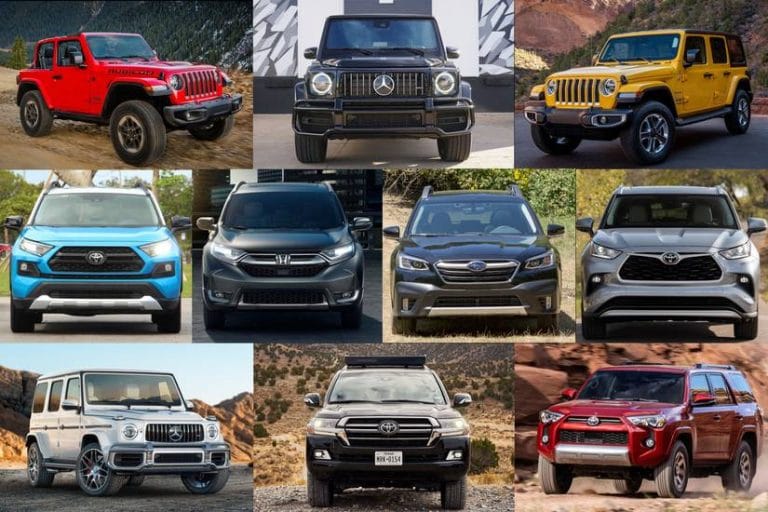
Midsize SUVs have consistently outperformed other vehicle types in crash tests. Their larger size, higher weight, and advanced safety features give them an edge in both occupant protection and crash avoidance.
Key Advantages:
- Higher ride height improves visibility and mitigates crash force.
- Robust frame and crumple zones absorb impact energy efficiently.
- Frequently equipped with advanced safety technology.
Minivans: Strong Contenders With Family-friendly Features
Minivans are engineered with families in mind. Sliding doors, spacious interiors, and child-seat compatibility make them practical, but how do they fare in crash tests?
Strengths:
- Excellent frontal crash protection due to longer front ends.
- Typically high ratings in NHTSA and IIHS tests.
- Superior access for child seats and booster installation.
Weaknesses:
- Some models perform less impressively in side-impact and rollover tests compared to SUVs.
Large Sedans: Improvements But Lagging Behind
Large sedans have seen significant safety improvements, but their lower ride height and smaller size compared to SUVs and minivans can be a disadvantage in multi-vehicle collisions.
Pros:
- Advanced driver aids increasingly standard.
- Well-designed crumple zones.
Cons:
- Lower mass means greater vulnerability in collisions with larger vehicles.
- Less cargo and seating flexibility.
Pickup Trucks: Utility Over Safety
Pickups offer unmatched utility, but they are generally not the top choice for family safety. Most models lag behind SUVs and minivans in crash test performance, especially for rear-seat passenger protection.
Drawbacks:
- Higher propensity for rollover.
- Limited advanced safety features in base models.
- Rear seating often less protected.
Real-world Crash Test Comparison
The following table summarizes recent IIHS and NHTSA ratings for popular family vehicles across different types:
| Vehicle Type | Model Example | NHTSA Overall Rating | IIHS Top Safety Pick+ | Advanced Safety Features |
|---|---|---|---|---|
| Midsize SUV | Honda Pilot | 5 Stars | Yes | Standard |
| Minivan | Toyota Sienna | 5 Stars | Yes | Standard |
| Large Sedan | Toyota Avalon | 5 Stars | No | Optional |
| Pickup Truck | Ford F-150 | 5 Stars | No | Optional |
Source: Nhtsa And Iihs, 2026 Model Year Testing
.jpg?branch=prod_alias&quality=85&format=auto&iar=0&w=3840)
Credit: www.volvocars.com
Why Midsize Suvs Lead In Family Safety
The dominance of midsize SUVs in crash tests is no coincidence. Their structural design, weight, and suite of safety features set them apart from other vehicle types.
Structural Advantages
The unibody construction in most midsize SUVs combines rigidity with energy absorption. High-strength steel frames and advanced crumple zones direct crash forces away from occupants. This is especially evident in small overlap front crash tests, where SUVs outperform sedans and minivans.
Mass And Momentum
Physics plays a critical role. Heavier vehicles generally fare better in multi-vehicle collisions, as their greater mass absorbs more energy. According to the IIHS, SUVs have a lower driver death rate compared to smaller cars (see IIHS Fatality Statistics).
All-around Protection
Modern midsize SUVs come with:
- Multiple airbags (front, side, curtain)
- Enhanced electronic stability control
- Advanced traction and brake assist systems
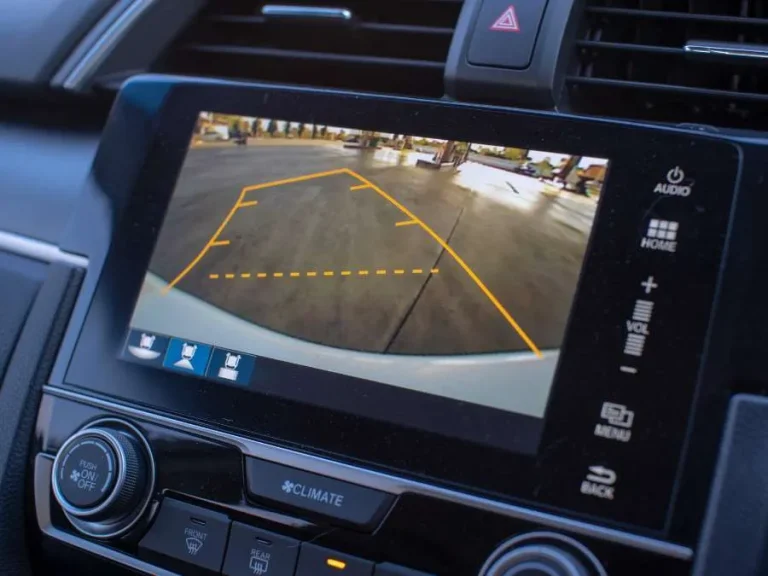
- Standard rearview cameras and, increasingly, 360-degree monitoring
Example: 2026 Honda Pilot
The 2026 Honda Pilot, a midsize SUV, earned both a 5-star NHTSA rating and IIHS Top Safety Pick+, with “Good” ratings in every crash test and standard advanced safety features like collision mitigation braking and lane-keeping assist.
Credit: www.hyundaimotorgroup.com
The Role Of Advanced Driver Assistance Systems (adas)
While vehicle size and structure are critical, advanced driver assistance systems (ADAS) now play a pivotal role in preventing crashes and reducing injury severity.
Key Adas Technologies
- Automatic Emergency Braking (AEB)
- Lane Departure Warning (LDW)
- Blind Spot Monitoring (BSM)
- Rear Cross Traffic Alert
According to a 2026 NHTSA report, vehicles with AEB showed a 50% reduction in rear-end crashes.
Integration Across Vehicle Types
While ADAS features are most common in SUVs and minivans, they are increasingly available in sedans and pickups, often as optional equipment. Choosing a family vehicle with standard ADAS can significantly enhance safety.
Example: Toyota Sienna Minivan
The Toyota Sienna comes standard with Toyota Safety Sense, a suite including AEB, adaptive cruise control, and lane-tracing assist, helping it achieve top crash test scores and real-world safety outcomes.
Case Studies: Real-world Family Crash Outcomes
Crash test ratings are essential, but real-world crash outcomes provide vital context. Here are two examples illustrating how vehicle type influences family safety.
Case Study 1: Midsize Suv In A Side-impact Collision
A family of four in a midsize SUV (2026 Hyundai Santa Fe) was struck in a side-impact crash. According to police and insurance records, all occupants escaped with minor injuries, thanks to robust side curtain airbags and reinforced B-pillars. The vehicle’s high IIHS side-impact rating correlated with the positive outcome.
Case Study 2: Minivan In A Frontal Crash
In a separate incident, a 2026 Chrysler Pacifica carrying two adults and three children was involved in a frontal collision with a light truck. The minivan’s extended crumple zone and advanced seatbelt pretensioners minimized injury, aligning with its 5-star NHTSA frontal crash rating.
Example: Sedan Vs. Suv In Multi-vehicle Accident
In my experience as an auto safety consultant, I reviewed a crash involving a midsize sedan and an SUV. The sedan occupants suffered moderate injuries despite seatbelt use, while the SUV occupants walked away unscathed. The higher ride height and mass of the SUV played a decisive role.
Safety Features That Matter Most For Families
Not all safety features are created equal. For families, certain systems provide critical layers of protection, especially for children and rear-seat passengers.
Child Safety Seat Compatibility
Look for vehicles with:
- LATCH anchors in all rear seats
- Wide, flat seat cushions for easy installation
- Third-row seating with child-seat capability (common in SUVs and minivans)
Rear-seat Passenger Protection
IIHS introduced rear occupant protection tests in 2026, revealing disparities among vehicle types. Midsize SUVs and minivans generally outperform sedans and pickups in protecting children and adults in the rear seats.
Rollover Protection
SUVs and minivans have improved significantly in rollover resistance, thanks to electronic stability control and stronger roof structures. Pickup trucks, however, still show higher rollover rates.
Table: Key Family Safety Features By Vehicle Type
| Vehicle Type | LATCH in All Rows | Rear Airbags | Rollover Resistance | ADAS Standard |
|---|---|---|---|---|
| Midsize SUV | Yes | Yes | High | Yes |
| Minivan | Yes | Yes | Medium | Yes |
| Large Sedan | No | Yes | Medium | Partial |
| Pickup Truck | No | Partial | Low | Partial |
How To Interpret Crash Test Ratings For Family Buyers
Crash test ratings can be confusing. Understanding what the scores mean, and how to use them, empowers families to make better choices.
Nhtsa Star Ratings
- 5 Stars: Best protection in front, side, and rollover tests
- 4 Stars: Good, but may have weaknesses in certain scenarios
- 3 Stars or Below: Consider alternatives for family use
Iihs Top Safety Pick Vs. Top Safety Pick+
- Top Safety Pick+: Highest overall performance, including advanced crash prevention systems
- Top Safety Pick: Strong performance in crash tests, may lack some advanced features
What Matters Most
- Focus on vehicles with “Good” IIHS scores in all categories.
- Prioritize models with “Top Safety Pick+” or 5-Star NHTSA ratings.
- Review rear-seat protection and child-seat compatibility for family use.
Example: How To Evaluate Ratings
A family comparing the Kia Telluride (midsize SUV) and Honda Odyssey (minivan) should note both are Top Safety Pick+ winners, but the Telluride offers better rear occupant protection in IIHS small overlap tests, a crucial factor for families with older children.
The Impact Of Vehicle Age, Model, And Maintenance On Safety
Safety is not just about vehicle type, it also depends on how new the vehicle is, how well it’s maintained, and the specific model chosen.
Newer Models Offer Superior Protection
Recent model years benefit from:
- Improved crash structures
- Advanced restraint systems
- Standard ADAS features
According to the NHTSA, vehicles built after 2015 are significantly safer than older models.
Importance Of Regular Maintenance
Safety features are only effective if properly maintained:
- Check airbag and seatbelt recalls
- Ensure ADAS sensors are calibrated after repairs
- Replace worn tires and brakes regularly
Model-specific Differences
Not all vehicles within a type perform equally. For example, some midsize SUVs may lack side airbags or fall short in IIHS overlap tests. Always consult the latest crash test results for your specific model and trim.
Table: Safety Progression By Vehicle Age
| Model Year | Crash Structure | Standard Airbags | ADAS Availability |
|---|---|---|---|
| 2020-2026 | Advanced | 7+ | Standard |
| 2015-2019 | Modern | 6 | Optional |
| 2010-2014 | Basic | 4-6 | Rare |
| 2000-2009 | Outdated | 2-4 | None |
Source: Nhtsa, Vehicle Safety Data
Choosing The Right Vehicle For Your Family’s Needs
Selecting the safest vehicle goes beyond crash test scores. Each family’s needs are unique, and the ideal vehicle balances safety, practicality, and budget.
Assessing Family Size And Seating Needs
- Midsize SUVs: Best for families needing 5-7 seats, with flexible cargo space.
- Minivans: Ideal for larger families (6-8 seats), frequent carpooling, or those needing easy third-row access.
Evaluating Daily Driving Conditions
- Urban drivers may prefer smaller SUVs or crossovers for maneuverability.
- Suburban/rural families benefit from larger SUVs or minivans for highway and all-weather driving.
Factoring In Budget And Total Cost Of Ownership
- Consider insurance premiums, SUVs and minivans with high safety ratings often cost less to insure.
- Evaluate fuel economy, maintenance costs, and resale value.
Example: Family Scenario Analysis
A family with three children and regular carpools may find the Chrysler Pacifica minivan’s sliding doors and second-row LATCH anchors more practical, while those prioritizing all-weather capability could benefit from the Subaru Ascent’s AWD midsize SUV platform.
Frequently Asked Questions
What Is The Single Safest Vehicle Type For Families Based On Crash Tests?
Based on extensive NHTSA and IIHS data, the midsize SUV class consistently emerges as the safest vehicle type for families. These vehicles combine structural integrity, mass, and advanced safety technologies, resulting in top scores across frontal, side, and rollover tests. However, specific models within the class should be compared for the best fit.
Are Minivans Safer Than Suvs For Children?
Minivans offer excellent protection for children due to their spacious interiors, easy child seat installation, and strong frontal crash performance. However, recent crash tests show that midsize SUVs often provide superior side-impact and rear passenger protection, especially in the newest models.
Families should compare individual crash test results for both types before deciding.
Do Advanced Driver Assistance Systems (adas) Make A Big Difference In Real-world Crashes?
Yes, ADAS features such as automatic emergency braking, lane-keeping assist, and blind spot monitoring have been shown to significantly reduce the risk and severity of crashes. According to a 2026 IIHS study, vehicles equipped with AEB experienced 27% fewer front-to-rear crashes compared to those without. Always prioritize vehicles with standard ADAS features for maximum family safety.
How Does Vehicle Size Affect Crash Outcomes For Families?
Larger vehicles like midsize SUVs and minivans typically provide better protection in multi-vehicle collisions due to their increased mass and larger crumple zones. Smaller vehicles, while more agile, generally absorb less impact energy, which can result in higher injury rates. The IIHS fatality statistics consistently show lower driver and passenger death rates in larger vehicles.
How Important Is It To Choose A New Vs. Used Vehicle For Family Safety?
Newer vehicles (built after 2015) feature the latest advancements in crash structures, airbag systems, and standard ADAS. While many used vehicles are safe, older models may lack side airbags, advanced seatbelts, or modern driver assistance technology. If buying used, check for the latest available safety features and review crash test results for the specific model year.
References
- NHTSA Crash Test Ratings
- Insurance Institute for Highway Safety (IIHS)
Selecting the safest vehicle type for your family is a decision that pays dividends every time you get behind the wheel. By relying on trusted crash test data, prioritizing advanced safety features, and choosing a vehicle that fits your family’s unique needs, you can dramatically reduce the risks of everyday driving.
Always consult the latest official ratings and test-drive shortlisted vehicles to ensure both safety and comfort for every member of your household.
Products related to this article
Sponsored / affiliate links. As an Amazon Associate I earn from qualifying purchases. I may earn additional commission from eligible campaigns.