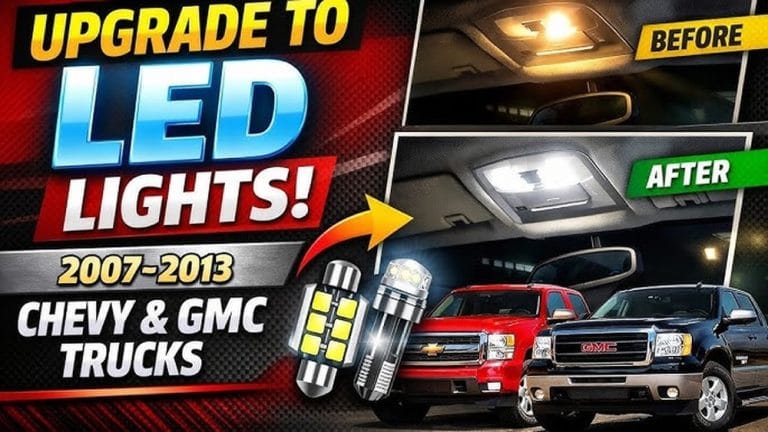
How Do Car Lights Work? Everything You Need to Know
Car lights are more than just aesthetic features, they are critical safety components that illuminate the road, signal intentions, and keep drivers and pedestrians safe. Whether you’re navigating a dark highway, maneuvering through heavy rain, or parking in a crowded lot, the right lighting can make all the difference.
Yet, few drivers truly understand how their car’s lighting systems operate, what technologies they use, and why certain choices matter for safety and performance.
In this comprehensive guide, you’ll learn exactly how car lights work, from the basics of headlamps and tail lamps to advanced adaptive and LED lighting systems. We’ll break down the science, highlight real-world examples, compare technologies, and show you how to keep your lights performing their best.
Whether you’re a curious car owner or an automotive enthusiast, this guide will illuminate everything you need to know, clearly and concisely.
Key Takeaways
- Car lights are essential for safety, communication, and visibility in all driving conditions.
- There are several main types: Headlights, tail lights, signal lights, and interior lights, each serving a unique function.
- Modern lighting technologies include halogen, HID (xenon), LED, and laser systems, with LED and laser providing superior efficiency and longevity.
- Adaptive lighting and automatic systems enhance safety by adjusting light patterns based on speed, weather, and road conditions.
- Regular maintenance, prompt bulb replacement, and proper alignment are vital to ensure optimal performance and compliance with regulations.
Credit: www.cloud10smartwash.com
The Fundamentals Of Car Lighting Systems
Understanding how car lights work starts with recognizing the different types of lighting systems found in most vehicles. Each light serves a specific function, governed by strict regulations to promote road safety.
Headlights: The Primary Source Of Illumination
Headlights are the most critical exterior lights on any vehicle. Positioned at the front, they provide forward visibility during low-light conditions and alert other drivers to your presence.
- Low Beam (Dipped Beam): Designed for regular night driving, these provide adequate illumination without blinding oncoming traffic. They use a shield or pattern to direct light downward and away from other drivers.
- High Beam (Main Beam): These offer maximum visibility for dark, empty roads by projecting a straight, intense beam. High beams should only be used when no vehicles are ahead or approaching from the opposite direction.
Tail Lights And Brake Lights: Communicating Your Movements
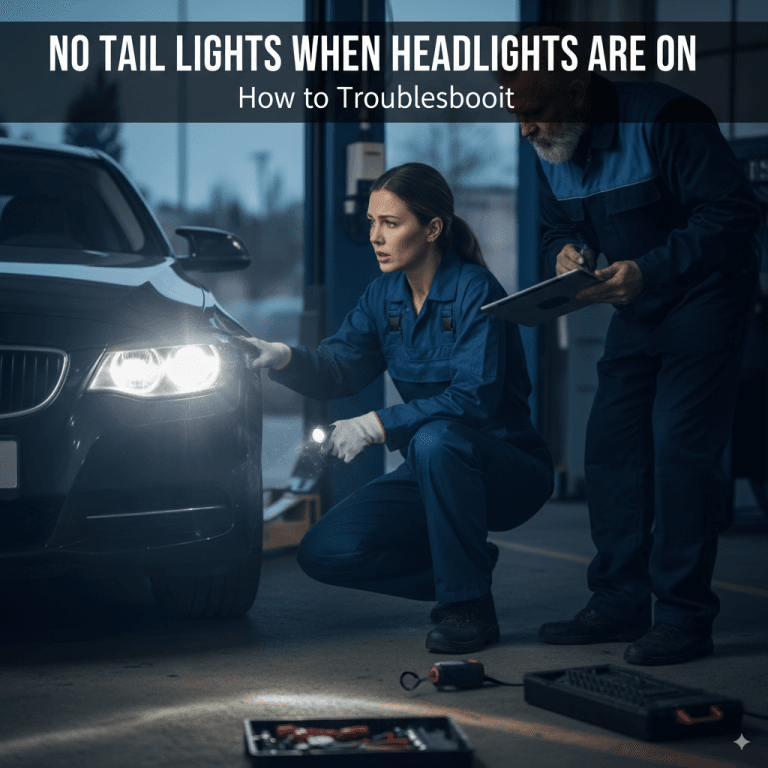
At the rear, tail lights stay on whenever your headlights are on, marking your vehicle’s position. Brake lights are activated by pressing the brake pedal, glowing brighter to signal slowing or stopping.
- Tail Lights: Red in color and less intense than brake lights, ensuring visibility from behind without causing glare.
- Brake Lights: Brighter red, activated only when braking, to alert following drivers.
Turn Signals And Hazard Lights: Indicating Intentions
Turn signals, also known as indicators or blinkers, are used to show your intent to turn or change lanes. Hazard lights flash all indicators simultaneously to warn of a stopped or slow-moving vehicle.
- Amber or Orange Color: Universally recognized for signaling.
- Flashing Pattern: Required by law to be clearly visible and distinguishable from other lights.
Fog Lights: Cutting Through Adverse Weather
Fog lights are mounted low on the vehicle and emit a wide, flat beam. They’re designed to minimize reflection in fog, rain, or snow, improving visibility close to the ground.
- Selective Use: Only for adverse weather, as their beam can dazzle other drivers in clear conditions.
Daytime Running Lights (drls): Enhancing Daytime Visibility
Many modern cars feature DRLs, which automatically switch on during the day to increase visibility to other drivers. These are not a substitute for headlights at night or in poor weather.
Interior And Dashboard Lights: Illuminating The Cabin
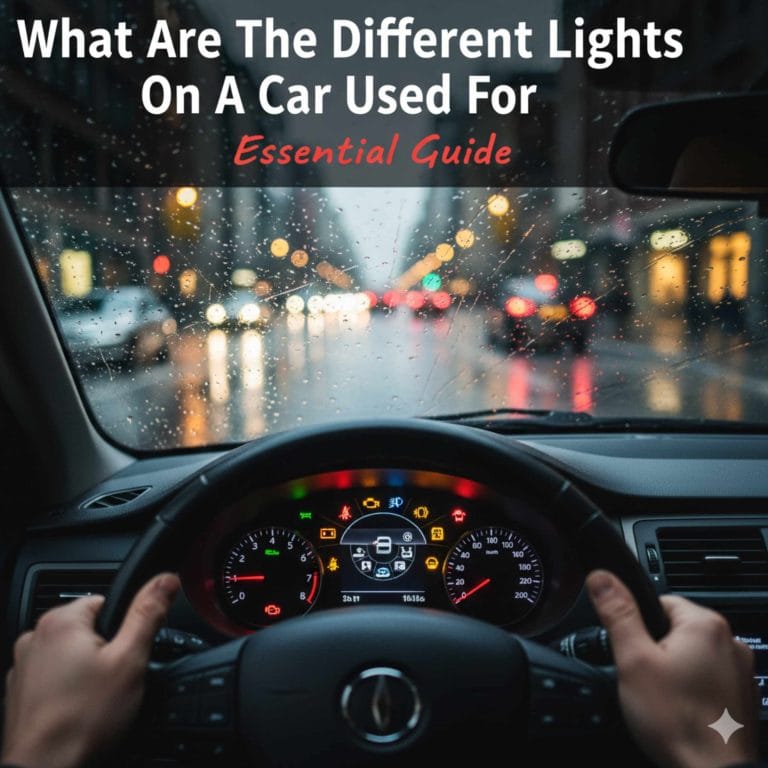
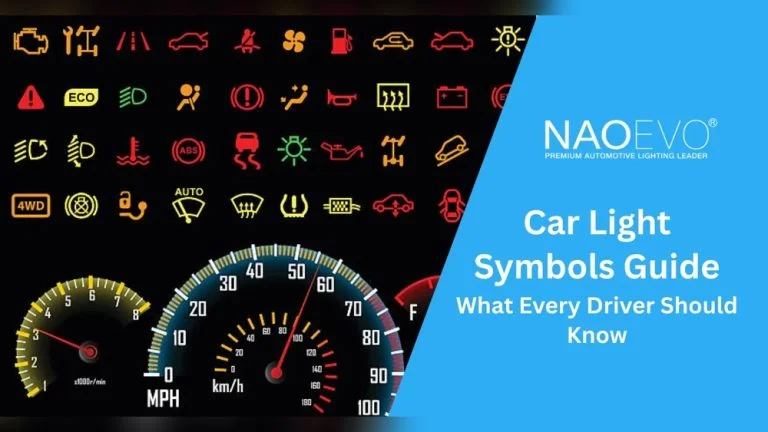
Interior lights help with activities like reading maps or finding items, while dashboard lights provide information about vehicle status and warnings.

Credit: www.sydneyfamilycriminaldefencelawyers.com.au
How Do Different Car Light Technologies Work?
Car lighting technology has evolved from basic incandescent bulbs to sophisticated, energy-efficient systems. Each type offers distinct advantages and trade-offs.
Halogen Bulbs: The Traditional Standard
Halogen lights are the most common in older vehicles. They operate by passing electricity through a tungsten filament encased in a halogen gas-filled bulb, producing a warm yellowish light.
- Pros: Inexpensive, easy to replace, and compatible with most vehicles.
- Cons: Shorter lifespan (typically 500-1,000 hours) and lower efficiency compared to newer technologies.
Hid (xenon) Lights: Brighter And Whiter
High-Intensity Discharge (HID) lights, often called xenon lights, use an electrical arc between electrodes within a xenon gas-filled tube. They generate a bright, white-blue light that covers more area.
- Pros: Greater brightness, improved visibility, and longer lifespan than halogen.
- Cons: More expensive, complex installation, and potential glare for other drivers if misaligned.
Led Lights: Efficient And Versatile
Light Emitting Diodes (LEDs) have become the default in many modern vehicles. Electricity passes through semiconductor materials, emitting light in a controlled, directional pattern.
- Pros: Highly energy-efficient, long lifespan (up to 25,000 hours), instant illumination, and flexible design options.
- Cons: Higher upfront cost, but lower maintenance and energy costs in the long run.
Laser Lights: The Cutting Edge
Laser headlights are the latest innovation, found in high-end models. They use laser diodes to stimulate a phosphor material, creating an intense, focused beam.
- Pros: Unmatched brightness, precise control, and compact design.
- Cons: Very expensive and limited to luxury vehicles due to cost and regulatory concerns.
Comparison Table: Halogen Vs Hid Vs Led Vs Laser
| Technology | Lifespan (Hours) | Brightness (Lumens) | Energy Efficiency | Cost | Common Usage |
|---|---|---|---|---|---|
| Halogen | 500, 1,000 | 700, 1,200 | Low | Low | Older vehicles |
| HID (Xenon) | 2,000, 3,000 | 3,000, 3,500 | Medium | Medium | Mid/high-end models (2000s, 2010s) |
| LED | 15,000, 25,000 | 2,000, 4,000 | High | High | Modern vehicles |
| Laser | 20,000+ | Up to 6,000 | Very High | Very High | Luxury cars |
Example: Led Adoption In Real-world Cars
The 2015 BMW 7 Series was among the first to feature full LED headlights, improving energy efficiency by up to 50% compared to halogen. This allowed for more creative designs and advanced features, like adaptive beam patterns.

Credit: www.kbb.com
Core Functions And Safety Features Of Car Lights
Beyond simple illumination, modern car lighting systems are packed with features that enhance safety, communication, and comfort for all road users.
Adaptive Headlight Systems
Adaptive headlights automatically adjust the beam direction and intensity based on steering angle, speed, and ambient light. This ensures optimal illumination in curves, on hills, or during overtaking.
- Dynamic Bending Lights: Headlights that swivel with the steering wheel to illuminate around corners.
- Matrix LED and Pixel Light Systems: Allow for precise control over individual LEDs, dimming or brightening sections to avoid dazzling other drivers.
Automatic High Beam Control
Many new cars have automatic high beam systems that switch between low and high beams based on detected traffic, weather, and surrounding light. This maximizes visibility without requiring driver intervention.
Cornering Lights And Side Assist
Cornering lights activate additional side lamps when turning, improving visibility at intersections or tight bends. Side assist lights can also illuminate nearby pedestrians or cyclists.
Brake Force Display And Emergency Braking Signals
Some cars feature brake force display systems, which flash the brake lights rapidly during emergency stops to warn drivers behind. This can reduce rear-end collisions by up to 90%, according to studies cited by the National Highway Traffic Safety Administration (NHTSA).
Example: Adaptive Lighting In The Audi A8
The Audi A8 uses a matrix LED headlight system that can dim specific sections of the beam to avoid dazzling oncoming drivers while still providing maximum illumination elsewhere. This is achieved through a camera that detects traffic patterns and road conditions in real time.
Electrical And Mechanical Aspects: How Car Lights Are Powered And Controlled
Understanding the electrical and mechanical components behind car lights is key to troubleshooting and upgrading lighting systems.
Power Supply And Wiring
Car lights operate on the vehicle’s 12-volt electrical system, with dedicated fuses and relays for each lighting circuit. High-power lights, such as HIDs and LEDs, may require special ballasts or drivers to regulate current.
- Fuses: Protect the circuit from overload.
- Relays: Allow low-current switches to control high-current devices, improving reliability.
Switches, Sensors, And Control Modules
Modern cars use a combination of manual switches (like headlight stalks), ambient light sensors, and electronic control units (ECUs) to automate lighting functions.
- Light Sensors: Automatically activate headlights at dusk or in tunnels.
- Rain Sensors: Can trigger headlights and wipers simultaneously in some models.
- CAN Bus System: Digital communication network that links all lighting modules for coordinated operation.
Bulb Replacement And Compatibility
Replacing bulbs requires matching the correct wattage, voltage, and socket type. Installing incompatible bulbs can cause electrical faults or reduced performance.
Example: Diagnosing A Faulty Tail Light
When testing a car with a non-working tail light, a quick check often reveals a blown fuse, which is easily replaced for less than $1. This simple fix restored full function and avoided a potential ticket.
Regulations, Standards, And Legal Considerations
Car lighting is tightly regulated to ensure safety and uniformity on the roads. Understanding these standards is crucial for compliance and avoiding fines.
Federal And International Standards
In the US, the Federal Motor Vehicle Safety Standards (FMVSS 108) defines the requirements for all exterior and interior lights. Globally, the United Nations Economic Commission for Europe (UNECE) sets similar regulations.
- Color Codes: White for headlights, red for tail and brake lights, amber for signals.
- Minimum and Maximum Brightness: Ensures visibility without causing glare.
- Position and Height: Specifies the mounting location for each light type.
Aftermarket Modifications And Compliance
Upgrading to HID or LED headlights may require DOT-approved kits to meet legal standards. Non-compliant modifications can result in failed inspections or fines.
- Check Local Laws: Some states prohibit aftermarket colored bulbs or underglow lighting.
- Proper Aim: Headlights must be aligned to avoid dazzling other drivers.
Inspection And Enforcement
During annual vehicle inspections, faulty lights are a common reason for failure. Law enforcement may issue citations for non-functioning or illegally modified lights.
Example: Legal Impact Of Improper Lighting
A driver in California was fined $197 for using unauthorized blue-tinted headlights, which violated state law and posed a safety risk due to excessive glare.
Real-world Applications: Lighting For Different Driving Conditions
Car lighting systems are designed to perform under a wide range of environments and scenarios. The right usage can dramatically improve safety and comfort.
Nighttime And Rural Driving
On unlit roads, high beams are essential for maximum visibility. When driving through rural Pennsylvania, using high beams (when safe) reduces the risk of animal collisions and improves confidence in navigating winding roads.
Urban And City Environments
In cities, low beams and DRLs are usually sufficient due to ample street lighting. Adaptive headlights can help spot pedestrians and cyclists at intersections, while automatic systems reduce distraction.
Fog, Rain, And Snow
Fog lights and properly adjusted low beams are crucial in poor weather. Using high beams in fog can reflect light back, reducing visibility. Side marker and rear fog lights further enhance visibility to other drivers.
Parking And Maneuvering
Reverse lights and parking lamps illuminate the area behind the vehicle when backing up. Some advanced models feature 360-degree lighting for improved maneuverability in tight spaces.
Towing And Trailers
Towing a trailer requires connecting additional lights for brake, signal, and marker functions. Failure to do so is not only dangerous but also illegal in many jurisdictions.
Maintenance And Troubleshooting: Keeping Your Car Lights Working
Proper care and timely repairs ensure your car lights remain effective and compliant with the law.
Routine Inspection And Cleaning
- Check all lights weekly: Walk around your car with lights on to inspect for outages.
- Clean lenses: Dirt, road salt, and oxidation can reduce light output. Use a soft cloth and appropriate cleaner.
- Look for condensation: Moisture inside the lens can indicate a broken seal, which may require professional repair.
Bulb Replacement: Diy Or Professional?
Most halogen bulbs can be replaced at home with simple tools, but HID and LED systems may require specialized knowledge.
- Pro Tip: Always wear gloves when handling bulbs to avoid transferring oils that can cause premature failure.
Headlight Alignment And Aiming
Misaligned headlights can reduce visibility and dazzle oncoming drivers. Many auto shops offer headlight aiming services, or you can use a wall and measuring tape to adjust at home.
Electrical Fault Diagnosis
If a light fails, check the following in order:
- Bulb condition
- Fuse integrity
- Wiring connections
- Switch operation
If all else fails, consult a professional or a trusted repair manual.
Example: Headlight Restoration
A case study by the Consumer Reports demonstrated that DIY headlight restoration kits can improve light output by up to 80% in oxidized lenses, enhancing nighttime safety and appearance.
Comparing Car Lighting Systems By Vehicle Type
Different vehicle classes have unique lighting requirements and technologies. The following table illustrates key differences:
| Vehicle Type | Common Lighting Features | Special Considerations |
|---|---|---|
| Passenger Cars | Halogen/LED headlights, DRLs, adaptive systems | Focus on aesthetics and efficiency |
| Trucks/SUVs | LED/HID headlights, fog lights, auxiliary lamps | Higher mounting, increased glare risk |
| Motorcycles | Single headlight, LED signals, DRLs | Small size, visibility critical for safety |
| Commercial Vehicles | Heavy-duty bulbs, marker/clearance lights | Regulations on size and placement |
Example: Motorcycle Lighting Upgrades
Switching to LED headlights and brighter turn signals on a motorcycle can enhance visibility to other drivers and reduce the risk of collisions, especially at intersections.
The Future Of Car Lighting: Emerging Trends And Innovations
Car lighting is rapidly evolving, driven by advances in electronics, automation, and safety standards.
Oled And Laser Lighting
Organic Light Emitting Diode (OLED) technology offers ultra-thin, flexible lighting panels for tail and interior lights. Laser lighting systems are making their way into more luxury vehicles, providing unmatched range and brightness.
Smart And Connected Lighting
Future systems will communicate with other vehicles and infrastructure to warn of hazards, change light patterns based on traffic, and even project symbols onto the road.
- Vehicle-to-Everything (V2X) Communication: Enables real-time coordination of brake and hazard lights in emergency situations.
Energy Efficiency And Sustainability
Automakers are focusing on energy-saving LEDs and recyclable materials to reduce the environmental impact of vehicle lighting.
Integration With Autonomous Driving
Autonomous vehicles require advanced lighting to “see” the environment and communicate with pedestrians and other cars, such as projected crosswalks or dynamic signals.
Example: Mercedes-benz Digital Light
The Mercedes-Benz Digital Light system can project warning symbols, navigation arrows, and even pedestrian crossings onto the road, providing information to both the driver and other road users.
Frequently Asked Questions
What Should I Do If My Headlights Seem Dim Even After Bulb Replacement?
Dim headlights after a bulb change can result from oxidized or foggy lenses, poor electrical connections, or a weak alternator. Clean or restore the lenses and check wiring for corrosion or loose connections. If the issue persists, have a technician check your vehicle’s charging system.
Can I Upgrade My Halogen Headlights To Leds Or Hids Without Legal Issues?
Upgrading to LEDs or HIDs is possible, but you must use DOT-approved conversion kits to comply with regulations. Improperly installed or non-compliant lights can lead to failed inspections and fines. Always verify local laws before making modifications.
Why Do Some Cars Have Blue-tinted Or Purple Headlights?
Blue or purple headlights are typically HID (xenon) lamps that emit a higher color temperature light. While legal in many areas if factory-installed, aftermarket blue-tinted bulbs may be illegal or unsafe due to excessive glare. Always use lights that meet your region’s standards.
How Often Should I Check Or Replace My Car Lights?
It’s recommended to inspect all exterior lights at least once a month and replace bulbs at the first sign of dimming or failure. Regular checks are especially important before long trips or during seasonal weather changes.
Are Automatic Headlights Reliable In All Conditions?
Automatic headlights are generally reliable, but extreme weather, dirt, or sensor obstructions can affect their performance. Always be prepared to manually switch on lights in fog, heavy rain, or snow if the system doesn’t respond appropriately.
Whether you drive a compact sedan or a high-tech SUV, understanding how your car lights work empowers you to make informed choices for safety, upgrades, and maintenance. As lighting technology continues to evolve, staying informed will help you get the most out of every drive, day or night.
Products related to this article
Sponsored / affiliate links. As an Amazon Associate I earn from qualifying purchases. I may earn additional commission from eligible campaigns.