Is a Car Light Considered a Motor Vehicle Component?
Every year, millions of vehicles traverse American highways, and each car is equipped with a range of lights, headlights, taillights, turn signals, and interior illumination. But when discussing automotive parts, is a car light actually considered a motor vehicle component? This question holds surprising significance for car owners, manufacturers, legal experts, and regulatory bodies. Understanding the classification of car lights is essential for safety standards, insurance claims, and vehicle maintenance.
The automotive industry is a complex ecosystem where the definition of a motor vehicle component affects everything from manufacturing to warranty coverage. For instance, the National Highway Traffic Safety Administration (NHTSA) regulates certain parts differently based on whether they’re deemed critical components. If car lights are classified as such, they become subject to stringent safety standards, recalls, and even legal liabilities. This article explores the technical, regulatory, and practical aspects of car lights, providing clarity for consumers, mechanics, and industry professionals.
Key Takeaways
- Car lights are universally classified as motor vehicle components by industry standards and regulations.
- Their classification impacts safety requirements, legal responsibilities, and insurance policies.
- Regulatory bodies like the NHTSA set detailed standards for car lights due to their critical role in road safety.
- Understanding the component status of car lights helps consumers make informed decisions about maintenance and upgrades.
- Real-world examples show how car light classification affects recalls, legal cases, and aftermarket modifications.
- The distinction between car lights and accessories is crucial for compliance and warranty coverage.
Credit: carlightvision.com
Defining Motor Vehicle Components
Motor vehicle components are the building blocks that enable a vehicle to operate safely and efficiently. The classification of such components has legal, technical, and practical implications for manufacturers and consumers alike.
What Is A Motor Vehicle Component?
A motor vehicle component is any part or system necessary for the functioning, safety, or compliance of a vehicle. According to the NHTSA, components include both mechanical and electrical parts, ranging from the engine and brakes to airbags and lighting systems. The key criteria are:
- Essential for operation: Parts required for the vehicle to move, steer, or stop.
- Critical for safety: Components that protect occupants or ensure visibility.
- Regulated by law: Items subject to mandatory standards or recalls.
Regulatory Definitions
Regulatory bodies such as the NHTSA and the Federal Motor Vehicle Safety Standards (FMVSS) provide clear definitions. The FMVSS explicitly lists lighting equipment as regulated components under standards like FMVSS 108, which covers lamps, reflective devices, and associated equipment (NHTSA FMVSS).
- FMVSS 108: Governs the performance, durability, and placement of automotive lighting.
- European ECE Regulations: Similar standards in Europe, ensuring cross-border consistency.
Common Examples Of Motor Vehicle Components
- Engine
- Transmission
- Brakes
- Suspension
- Lighting systems (headlights, taillights, turn signals)
- Airbags
- Seat belts
Technical Classifications
Manufacturers and repair shops use standardized codes (like SAE and ISO) to identify components. Lighting systems are assigned specific codes and categories, further solidifying their status as motor vehicle components. This technical classification affects everything from repair manuals to insurance claims.
The Role Of Car Lights In Vehicle Functionality
Car lights are far more than mere accessories; they are integral to a vehicle’s operation and safety. Their classification as components is rooted in their functional necessity.
Types Of Car Lights
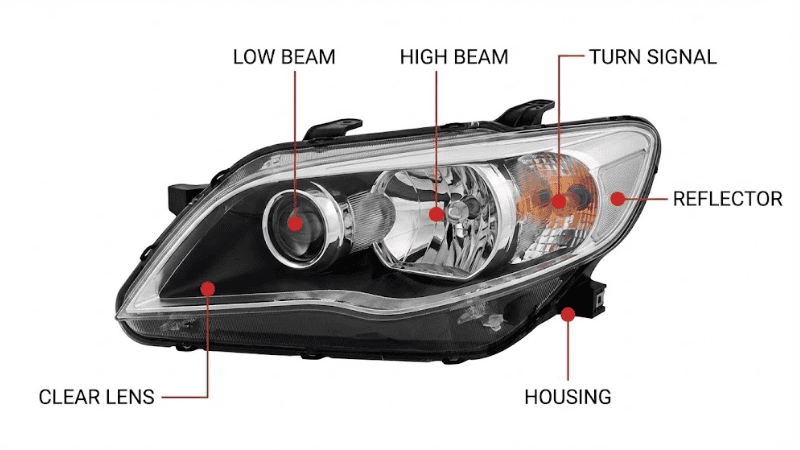
Automotive lighting covers a broad spectrum, including:
- Headlights: Illuminate the road ahead and signal presence to others.
- Taillights: Indicate the rear of the vehicle, especially at night.
- Turn signals: Communicate directional changes.
- Brake lights: Alert other drivers to slowing or stopping.
- Fog lights: Improve visibility in adverse weather.
Each light serves a specific purpose and is required by law in most countries.
Safety And Visibility
The primary function of car lights is to enhance road safety. According to the Insurance Institute for Highway Safety (IIHS), vehicles with properly functioning lights are 30% less likely to be involved in nighttime accidents. Lights ensure:
- Visibility: For the driver and surrounding vehicles.
- Communication: Through signals and brake lights.
- Compliance: With traffic laws and regulations.
Integration In Vehicle Systems
Modern vehicles integrate lighting into advanced systems, such as:
- Adaptive lighting: Adjusts beam direction based on steering angle.
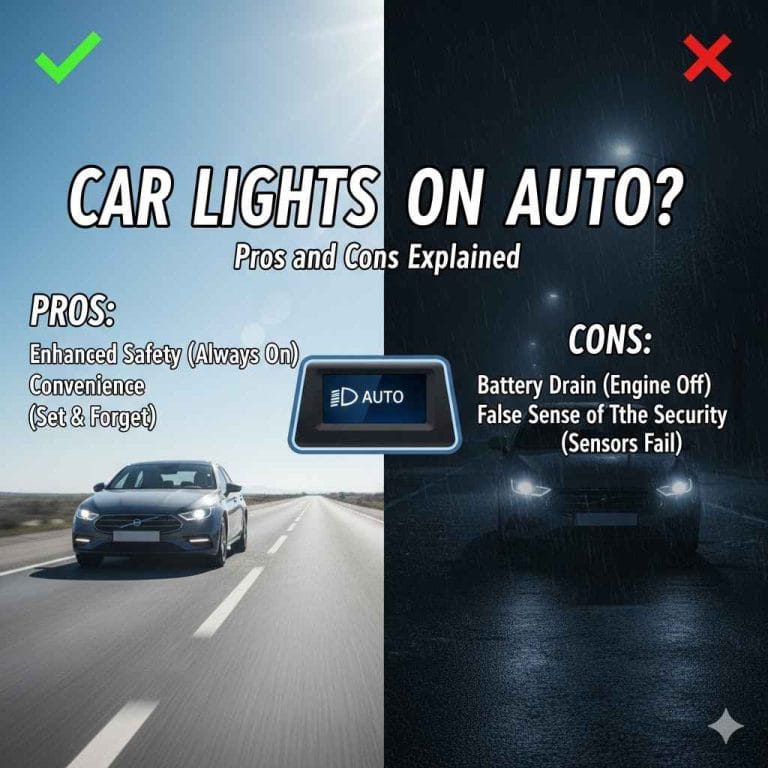
- Automatic high beams: Sensors detect oncoming traffic and adjust intensity.
- Daytime running lights: Improve visibility during daylight hours.
The integration of car lights with onboard electronics further underscores their status as essential components.
Maintenance And Replacement
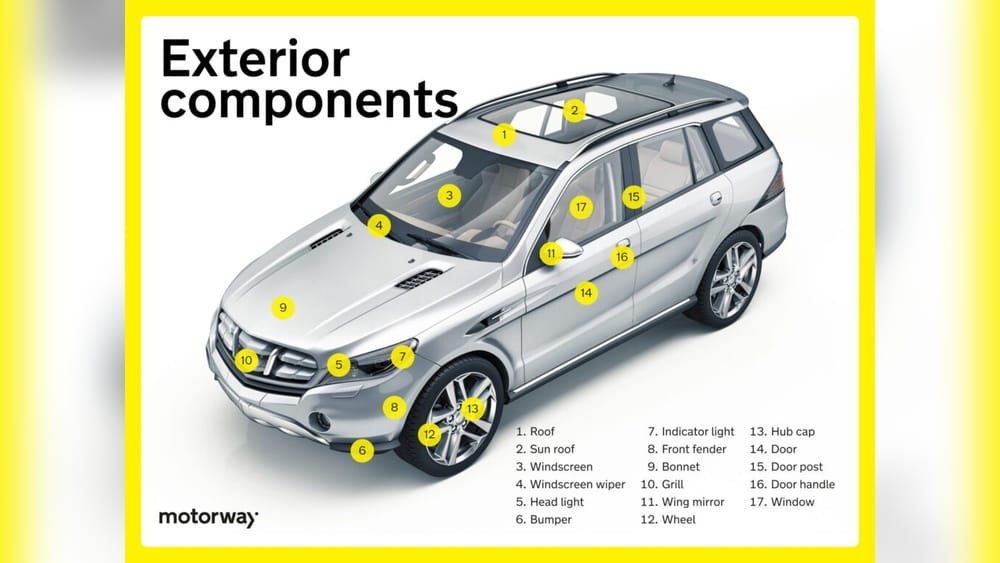
Car lights require regular maintenance and, occasionally, replacement due to wear, damage, or upgrades. Manufacturers supply detailed instructions for handling lighting components, and repair shops stock OEM and aftermarket parts. The prevalence of lighting in maintenance routines highlights their importance as vehicle components.

Credit: motorway.co.uk
Legal And Regulatory Perspective
The legal classification of car lights as motor vehicle components carries significant weight. It determines how laws are applied, which standards must be met, and what liabilities exist.
Federal And State Regulations
In the United States, regulations governing car lights are extensive:
- FMVSS 108: Mandates requirements for visibility, durability, and placement.
- State laws: Often mirror federal standards but may introduce additional requirements.
Failure to comply with these regulations can result in fines, failed inspections, or even recalls.
Insurance Implications
Insurance companies consider car lights as critical components when assessing claims. For instance:
- Damage claims: If a car light is damaged in an accident, its repair or replacement is covered under collision policies.
- Safety violations: Non-functioning lights can lead to denial of claims if they contributed to an accident.
Recalls And Liability
Manufacturers are legally obligated to issue recalls for defective lighting components. A notable example is the recall of faulty headlight assemblies by Toyota in 2018, affecting over 1.2 million vehicles (Cars.com). Such recalls underscore the legal responsibility associated with lighting as a motor vehicle component.
International Standards
Globally, lighting systems are regulated by bodies like the United Nations Economic Commission for Europe (UNECE). Countries adhering to UNECE standards treat car lights as essential components, ensuring uniformity in safety and design across borders.

Credit: steelcraftautomotive.com
Technical Specifications And Standards For Car Lights
Car lights are governed by rigorous technical standards, which dictate their design, performance, and installation. These standards reinforce their classification as motor vehicle components.
Sae And Iso Standards
The Society of Automotive Engineers (SAE) and the International Organization for Standardization (ISO) set detailed specifications:
- SAE J578: Defines color requirements for automotive lights.
- ISO 26262: Addresses functional safety, including lighting electronics.
Compliance with these standards is mandatory for manufacturers selling vehicles in regulated markets.
Performance Criteria
Key performance metrics for car lights include:
- Luminosity: Measured in lumens, ensuring adequate brightness.
- Beam pattern: Must illuminate specific areas without blinding other drivers.
- Durability: Resistant to vibration, moisture, and temperature extremes.
Comparison Table: Car Light Types And Specifications
| Type of Car Light | Required by Law | Typical Lumens | Regulatory Standard |
|---|---|---|---|
| Headlight | Yes | 700-1,200 | FMVSS 108, SAE J578 |
| Taillight | Yes | 80-120 | FMVSS 108, SAE J585 |
| Turn Signal | Yes | 200-400 | FMVSS 108, SAE J588 |
| Fog Light | No (Optional) | 300-500 | SAE J583 |
| Daytime Running Light | Varies by region | 500-1,000 | FMVSS 108, ECE R87 |
Installation And Design Requirements
Manufacturers must adhere to strict guidelines for the placement and wiring of car lights. Improper installation can lead to non-compliance, safety hazards, and warranty voidance.
Testing And Certification
Before a vehicle is sold, lighting components undergo extensive testing for:
- Impact resistance
- Waterproofing
- Electrical safety
Certification ensures that car lights meet all regulatory and technical requirements, further validating their status as motor vehicle components.
The Impact Of Car Light Classification On Consumers And Industry
The classification of car lights as motor vehicle components affects multiple aspects of the automotive industry and consumer experience.
Consumer Benefits
For vehicle owners, the component status of car lights means:
- Warranty coverage: Lights are included in standard vehicle warranties.
- Safety assurance: Regular inspections and recalls keep vehicles safe.
- Ease of replacement: Components are widely available and standardized.
Manufacturer Obligations
Automakers must invest in the design, testing, and certification of lighting systems, which increases production costs but improves safety and reliability.
Aftermarket Industry
The aftermarket industry thrives on the replacement and upgrading of car lights. High demand for LED and HID upgrades illustrates how lighting is viewed as a core component.
Example: Headlight Recall Case Study
In 2018, Toyota issued a recall for defective headlight assemblies in over 1. 2 million vehicles. The recall was mandated by regulatory authorities, demonstrating that headlights are not only components but also subject to legal scrutiny and consumer protection measures.
Owners received free replacements, and manufacturers faced penalties for non-compliance.
Example: Insurance Claim Scenario
A driver involved in an accident had a broken taillight, which contributed to reduced visibility. Insurance investigators classified the taillight as a motor vehicle component, and its condition affected the claim outcome. This illustrates how component status impacts real-world situations.
Car Lights Vs. Accessories: Understanding The Distinction
Not all items installed in or on a car are classified as motor vehicle components. Understanding the difference between components and accessories is crucial for compliance and consumer expectations.
What Are Car Accessories?
Accessories are items that enhance comfort, style, or utility but are not essential for operation or safety. Examples include:
- Floor mats
- Seat covers
- GPS navigation units
- Air fresheners
Comparison Table: Components Vs. Accessories
| Criteria | Car Light (Component) | Accessory (e.g., Seat Cover) |
|---|---|---|
| Essential for Operation | Yes | No |
| Regulated by Law | Yes | No |
| Safety Impact | High | Low |
| Warranty Coverage | Included | Usually Excluded |
| Replacement Frequency | Moderate | Low |
Legal And Warranty Implications
If a part is classified as a component, it is covered under federal safety regulations and manufacturer warranties. Accessories, by contrast, may void warranties if improperly installed.
Pro Tip
Always verify whether a part is a regulated component before installing aftermarket upgrades. Improper modifications to lighting systems can result in fines or failed inspections.
Example: Aftermarket Led Installation
Testing an aftermarket LED headlight kit reveals that installation requires compliance with FMVSS 108 standards. Failure to meet these requirements could have resulted in legal penalties and insurance claim denials, reaffirming the importance of distinguishing components from accessories.
Real-world Applications And Case Studies
Examining real-world scenarios highlights the practical consequences of classifying car lights as motor vehicle components.
Manufacturer Recalls
Recalls for defective lighting systems are common. For example, Honda recalled over 600,000 vehicles in 2019 due to malfunctioning brake lights. The recall process involved notifying owners, providing free replacements, and reporting compliance to federal authorities.
Legal Disputes
In 2020, a legal dispute arose when a driver was fined for having dim headlights. The court upheld the fine, citing federal regulations that classify headlights as motor vehicle components, which must meet minimum brightness standards.
Insurance Outcomes
Insurance companies routinely assess the condition of lighting systems in accident investigations. Claims may be reduced or denied if non-functioning lights contributed to the incident, highlighting their classification as critical components.
Example: Fleet Maintenance Programs
Major fleet operators, such as UPS, include lighting systems in their preventive maintenance schedules. By treating car lights as motor vehicle components, they ensure compliance, minimize downtime, and enhance safety.
Innovations In Automotive Lighting
Advancements in automotive lighting technology continue to shape industry standards and consumer expectations. Innovations further reinforce the essential role of car lights as motor vehicle components.
Led And Hid Technology
Modern vehicles increasingly use LED and HID lights, which offer:
- Higher luminosity
- Lower energy consumption
- Longer lifespan
Manufacturers must certify these technologies under existing component standards, ensuring safety and compatibility.
Adaptive Lighting Systems
Adaptive lighting systems adjust beam patterns based on speed, steering, and ambient light. These systems are integrated into vehicle electronics, making them inseparable from other components.
Smart Lighting And Connectivity
Connected vehicles utilize smart lighting, which interfaces with sensors and communication systems. For example, brake lights can flash rapidly during emergency stops, signaling danger to following vehicles.
Comparison Table: Traditional Vs. Modern Lighting Technologies
| Technology | Lifespan (hours) | Energy Use (watts) | Regulatory Compliance |
|---|---|---|---|
| Halogen | 500-1,000 | 55-60 | FMVSS 108 |
| LED | 15,000-30,000 | 20-30 | FMVSS 108, SAE J578 |
| HID | 2,000-3,000 | 35-40 | FMVSS 108, SAE J578 |
Environmental And Efficiency Benefits
LED and HID lights reduce energy consumption and environmental impact. Regulatory bodies are updating standards to accommodate these technologies, confirming their status as regulated components.
Industry Trends
Automakers are investing heavily in lighting innovation, driven by consumer demand and regulatory pressure. The classification of lighting as a component shapes research, development, and market offerings.
Frequently Asked Questions
Is A Car Light Legally Considered A Motor Vehicle Component In All States?
Yes, car lights are classified as motor vehicle components in all US states, as federal regulations (FMVSS 108) provide nationwide standards. State laws may add requirements, but the basic classification is consistent. Always check local laws for any additional stipulations.
How Does The Classification Of Car Lights Affect Insurance Claims?
Insurance companies treat car lights as essential vehicle components, so their condition can affect claims. If a non-functioning light contributed to an accident, coverage may be reduced or denied. Ensuring all lights are operational is crucial for maintaining full insurance protection.
Are Aftermarket Car Lights Covered Under Vehicle Warranties?
Aftermarket car lights may void manufacturer warranties if they fail to meet regulatory standards or are improperly installed. OEM lights are generally covered, but aftermarket installations should be verified for compliance. Consult your vehicle’s warranty booklet or a professional mechanic for guidance.
What Are The Penalties For Non-compliant Car Lights?
Penalties for non-compliant car lights range from fines to failed vehicle inspections. In some cases, vehicles may be impounded or insurance claims denied. Regulatory agencies enforce these penalties to ensure road safety and compliance.
Can I Upgrade My Car’s Lighting System Without Violating Regulations?
Upgrading is possible if new lights meet all federal and state standards. Use certified products, follow installation guidelines, and retain documentation for inspections. Consulting a professional installer can help avoid legal and warranty issues.
Car lights are undeniably considered motor vehicle components by regulatory bodies, manufacturers, insurance companies, and consumers alike. Their essential role in safety, operation, and compliance places them at the heart of vehicle design and maintenance. Whether you’re replacing a broken headlight or upgrading to LED technology, understanding the component status of car lights empowers you to make informed, legal, and safe choices on the road.
Products related to this article
Sponsored / affiliate links. As an Amazon Associate I earn from qualifying purchases. I may earn additional commission from eligible campaigns.