How Does a Car Light Work? Simple Explanation Inside
Car lights are essential for safety, visibility, and communication on the road. Yet, few drivers truly understand how these crucial components work. From the subtle glow of dashboard indicators to the powerful beams cutting through foggy nights, car lights embody a blend of engineering, physics, and smart design.
Whether you’re a curious car owner, a budding mechanic, or simply want to make sense of your vehicle’s lighting systems, understanding how car lights work can help you drive safer and troubleshoot issues with confidence.
This article breaks down the inner workings of car lighting in clear, practical terms. We’ll explore the various types of lights, the science behind their operation, real-world examples, and the latest innovations shaping automotive lighting. If you’ve ever wondered how a simple flick of a switch transforms darkness into clarity, or how modern cars use advanced lighting for both style and function, you’ll find answers here.
Let’s shed light on this everyday technology that keeps us all moving safely.
Key Takeaways

FIBRAVE
Rechargeable Work Light for Mechanic, Christmas Dad…
- Durable Construction & Compact Design: Crafted from high-quality hard rubber, anti-sweat and anti-slip, the grooved handle ensures…
- 5 Practical Lighting Modes & Rechargeable: Bright LEDs provide 1200 Lumens white light (comparable to standard workshop lights), f…
- Adjustable Positioning Options: Whether you're working on car repairs, camping, or reading, this flashlight ensures your hands-fre…
As an Amazon Associate I earn from qualifying purchases.
- Car lights serve critical roles in safety, signaling, and driver visibility.
- There are several types of car lights, each with unique functions and technologies.
- Car lighting has evolved from traditional halogen bulbs to LED and laser systems.
- Understanding car light mechanics helps with maintenance and troubleshooting.
- New smart lighting features are transforming modern driving experiences.
- Regular inspection and correct use of car lights are crucial for road safety.
Credit: www.howacarworks.com
The Basics Of Car Lighting Systems
Car lighting systems may seem simple, but they are carefully engineered to ensure reliability and effectiveness under a range of conditions. Let’s break down the fundamental principles behind these systems.
Electrical Circuits And Power Sources
At the heart of every car lighting system is the electrical circuit. Most car lights operate on a 12-volt direct current (DC) system supplied by the vehicle’s battery. When you activate a light switch or control stalk, it completes a circuit, allowing current to flow to the bulb or LED unit.
- Wiring harnesses distribute power from the battery to each light.
- Fuses protect against electrical overloads.
- Relays often control high-power lights, like headlights, to prevent damage to switches.
Types Of Bulbs: Halogen, Hid, Led, Laser
The light source determines brightness, efficiency, and longevity. Here’s a quick comparison:
| Type | Technology | Brightness (Lumens) | Efficiency | Lifespan (Hours) |
|---|---|---|---|---|
| Halogen | Heated tungsten filament in halogen gas | 700-1,200 | Moderate | 500-1,000 |
| HID (Xenon) | Arc between electrodes in xenon gas | 2,000-3,000 | High | 2,000-3,000 |
| LED | Light Emitting Diodes | 1,500-2,500 | Very High | 10,000-30,000 |
| Laser | Laser-excited phosphor | Up to 4,500 | Extremely High | 10,000+ |
Light Distribution And Reflectors
The reflector and lens shape and direct the light beam. Reflectors are typically parabolic or multifaceted, focusing light in specific patterns required by law (e.g., low vs. high beams). Lenses may diffuse, focus, or color the light as needed.
Controls And Automation
Modern cars feature:
- Manual switches for headlights, fog lights, and interior lights.
- Automatic sensors that detect darkness or rain and activate lights.
- Adaptive systems that adjust beam direction based on steering or speed.
Types Of Car Lights And Their Functions
Cars use a variety of lights, each engineered for a specific role in safety and communication.
Headlights
Low Beam Vs. High Beam
- Low beams (dipped headlights) illuminate the road ahead without blinding other drivers.
- High beams offer maximum brightness for rural or unlit roads but must be dimmed for oncoming traffic.
Real-world Example
Driving through rural Pennsylvania at night, proper use of high beams makes the difference between spotting a deer in time and a near miss. Misuse, however, risked dazzling other drivers.
Daytime Running Lights (drls)
DRLs are low-intensity lights that increase a vehicle’s visibility during daylight. They turn on automatically with the ignition in many cars.
- Pro Tip: DRLs are not a substitute for headlights in poor visibility.
Turn Signals And Hazard Lights
Turn signals (indicators) flash to signal lane changes or turns, while hazard lights warn of a stopped or slow-moving vehicle.
- Most use amber bulbs or LEDs for clear visibility.
- Flash rate is regulated for consistency.
Fog Lights
Fog lights emit a wide, low beam pattern that cuts beneath fog, rain, or snow, reducing glare and improving close-range visibility.
Tail Lights And Brake Lights
- Tail lights glow red when headlights are on, marking the rear of the vehicle.
- Brake lights shine brighter when the brake pedal is pressed.
Reverse Lights
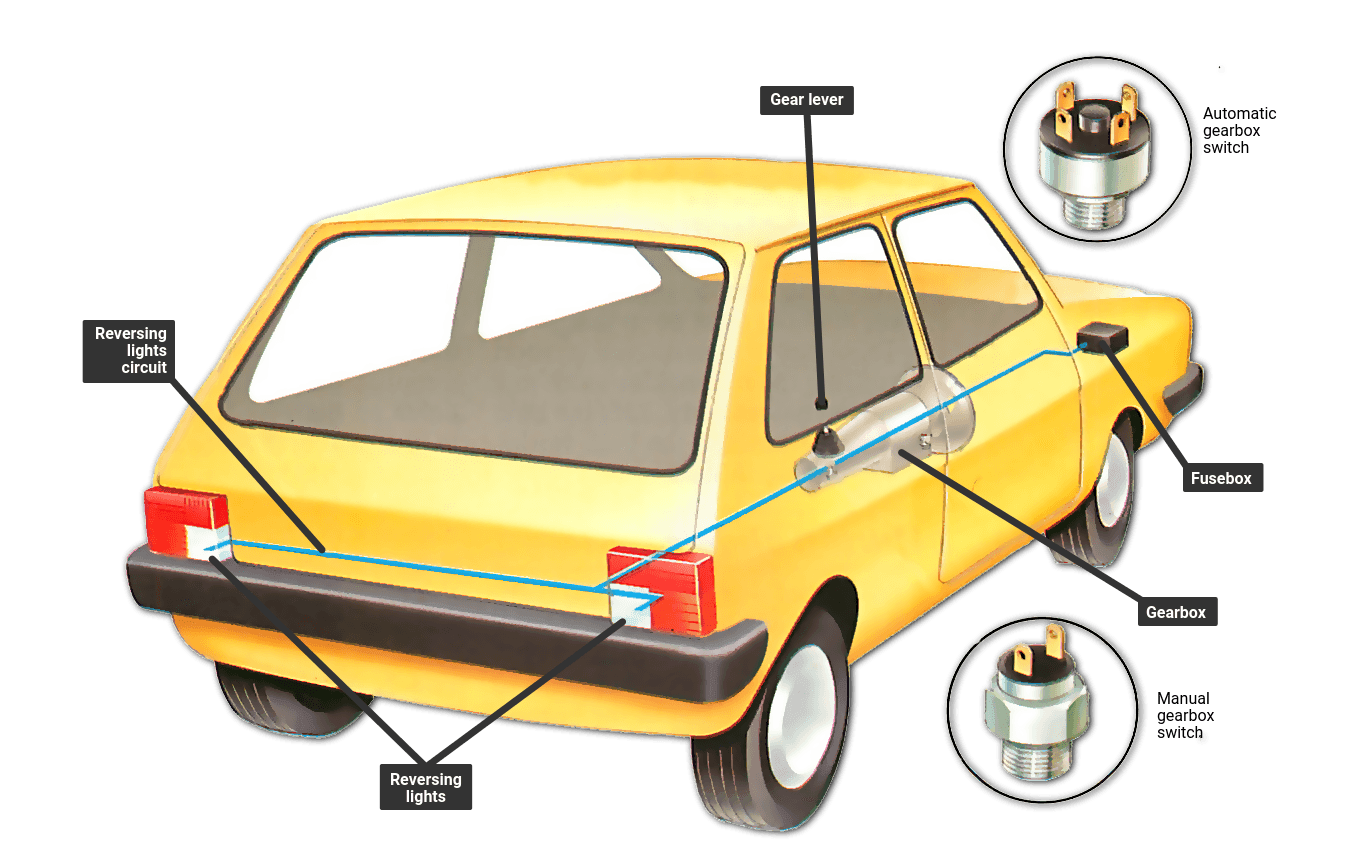
Reverse lights are white and illuminate the area behind the vehicle when reversing, also signaling intentions to others.
Interior And Dashboard Lights
- Instrument cluster lights help you read gauges at night.
- Courtesy lights assist with entry, exit, and finding items in the cabin.
Comparison Table: Exterior Vs. Interior Lights
| Light Type | Location | Main Function |
|---|---|---|
| Headlights | Front | Road illumination |
| Turn Signals | Front/Rear/Sides | Signaling direction |
| Tail Lights | Rear | Vehicle visibility |
| Brake Lights | Rear | Indicate braking |
| Interior Lights | Cabin | Passenger visibility |
| Instrument Lights | Dashboard | Gauge illumination |

Credit: www.wiltonautoandtire.com
How Car Lights Actually Produce Light
Understanding the science behind car lights can help you appreciate why different bulbs behave the way they do.
Halogen Bulbs: Tried And True
Halogen bulbs work by passing an electric current through a tungsten filament encased in halogen gas. The filament heats up and emits light. The halogen gas increases efficiency and lifespan compared to older incandescent bulbs.
- Color temperature: Typically 3,000-3,500K (warm white)
- Pros: Low cost, easy replacement
- Cons: Generate heat, shorter lifespan
Hid (xenon) Bulbs: Brighter And Whiter
HID bulbs use an electric arc between two electrodes in a xenon gas-filled tube. This produces a bright, white-blue light with higher efficiency than halogen.
- Color temperature: 4,000-6,000K (cool white)
- Pros: High brightness, longer life
- Cons: Slower warm-up, complex installation
Led Lights: The Modern Standard
LEDs create light by moving electrons through a semiconductor, releasing energy as photons. They’re highly efficient, long-lasting, and allow for creative designs (e.g., DRLs, light bars).
- Color temperature: 5,000-6,500K (daylight)
- Pros: Low power draw, instant-on, flexible shapes
- Cons: Higher initial cost
Laser Lights: Cutting-edge Innovation
Laser headlights use a focused laser beam to excite a phosphor, producing intense white light. Seen in high-end vehicles, they offer exceptional range and efficiency.
- Example: BMW’s i8 and Audi’s R8 LMX feature laser headlights, allowing beams up to 600 meters, nearly twice that of LED systems.

Credit: blog.headlightrevolution.com
Evolution Of Car Lighting: From Incandescent To Intelligent Systems
Car lighting technology has evolved dramatically over the past century.
Early Days: Incandescent Bulbs
Early vehicles used simple incandescent bulbs, inefficient and short-lived, but revolutionary for their time.
The Halogen Era
By the 1970s, halogen lights became standard, offering better output and durability.
Hid And Xenon Rise
The late 1990s saw the rise of HID (xenon) lamps, especially in luxury vehicles. Their bluish-white light improved nighttime visibility.
The Led Revolution
The 2010s marked widespread adoption of LEDs. They enabled new shapes (light strips, adaptive beams) and improved energy efficiency.
Smart Lighting: Adaptive And Matrix Systems
Modern cars offer adaptive headlights that swivel based on steering input, and matrix LED lights that selectively dim portions of the beam to avoid dazzling other drivers.
- Example: Audi’s matrix LED system can create “light tunnels” around oncoming cars while maintaining maximum road illumination.
Data Table: Timeline Of Major Car Lighting Milestones
| Year | Technology | Impact |
|---|---|---|
| 1908 | Incandescent Bulbs | First electric headlights (Cadillac) |
| 1962 | Halogen Bulbs | Longer life, brighter output |
| 1991 | HID/Xenon | Superior brightness, luxury cars |
| 2004 | LED Headlights | Flexible design, high efficiency |
| 2014 | Laser Headlights | Extreme range, premium vehicles |
| 2016+ | Adaptive/Matrix LEDs | Smart, automated lighting control |
Common Car Light Problems And Troubleshooting
Even the best lighting systems can encounter issues. Here’s how to identify and address common car light problems.
Burned-out Bulbs
Symptoms:
- Light does not turn on
- “Bulb out” warning on dashboard
Solutions:
- Replace the bulb (halogen, HID, or LED module as appropriate)
- Check wiring and connectors for corrosion or damage
Flickering Or Dim Lights
Possible causes:
- Failing bulb or LED unit
- Loose wiring or poor ground connection
- Alternator or battery issues
Pro Tip: If multiple lights flicker, test your battery and alternator.
Fogged Or Dirty Lenses
Cloudy headlight lenses reduce output by up to 80%. Clean with a headlight restoration kit or polish.
Faulty Switches Or Relays
If lights don’t respond to controls, check:
- Fuses in the fuse box
- Light switch assembly
- Relay modules
Example: Diagnosing A Flickering Headlight
When testing a used sedan, the right headlight may flicker and dim unpredictably. After checking the bulb and fuse, a corroded ground wire is often found. Cleaning the connection restored full brightness.
Smart Lighting Technologies And Future Trends
The future of car lighting is intelligent, adaptive, and highly integrated.
Adaptive Headlights
Adaptive headlights use sensors to “see” the road ahead, adjusting beam shape and direction for corners, hills, or traffic. This improves visibility without dazzling other drivers.
- Example: Mercedes-Benz’s Multibeam LED system features 84 individually controlled LEDs per headlight.
Matrix And Pixel Lighting
Matrix systems split the light into multiple segments that can be individually dimmed or brightened. Pixel lighting takes this further, creating complex patterns for communication or warnings.
Communication Via Lighting
Some advanced cars use external lights to communicate with pedestrians or other vehicles, such as projecting crosswalks or warning symbols.
Integration With Driver Assistance
Modern lighting systems often integrate with ADAS (Advanced Driver Assistance Systems), using cameras and sensors to optimize lighting for conditions like rain, snow, or curves.
The Road Ahead: Laser, Oled, And Beyond
- Laser headlights are moving from luxury to mainstream.
- OLED (Organic LED) technology allows for ultra-thin, flexible lighting surfaces.
Warning: As lighting systems become more complex, repairs often require professional service and diagnostic tools.
For more information on cutting-edge automotive lighting, visit the Automotive lighting Wikipedia page.
Maintenance Tips And Legal Considerations
Proper maintenance and understanding of legal requirements are essential for safe and compliant car lighting.
Regular Inspection
- Check all exterior and interior lights monthly.
- Replace burned-out bulbs promptly.
- Clean lenses and housings to maximize output.
Bulb Replacement And Upgrades
- Use manufacturer-recommended bulb types and wattages.
- Upgrading to LED or HID may require conversion kits and legal compliance checks.
Alignment And Aiming
Misaligned headlights can blind other drivers or reduce your visibility. Many service shops offer headlight alignment checks.
Road Laws And Regulations
Each country or state has specific regulations regarding:
- Color and intensity of lights
- Aftermarket modifications
- Use of fog or auxiliary lights
Pro Tip: Always check local vehicle codes before installing new lighting equipment.
Example: Legal Issues With Aftermarket Led Kits
A study by the U. S. Department of Transportation found that many aftermarket HID or LED kits did not meet federal standards, risking fines and reduced safety. Always choose DOT-approved products.
For more legal guidance, consult your local DMV or read the NHTSA’s headlight regulations.
Real-world Examples And Case Studies
Nothing illustrates the importance and variety of car lights like real-world scenarios.
Example 1: The Impact Of Drls On Accident Rates
A study in Canada found that vehicles equipped with daytime running lights experienced a reduction in daytime multi-vehicle accidents. Increased visibility, even in clear conditions, helps prevent collisions.
Example 2: Adaptive Lighting In Urban Vs. Rural Settings
When testing adaptive headlights in a city, their value is limited due to street lighting. However, on rural roads, the system’s ability to “bend” light around curves and dim for oncoming traffic greatly increased safety.
Example 3: Led Tail Lights And Driver Reaction Times
Research from the University of Michigan showed that LED brake lights illuminate 200 milliseconds faster than incandescent bulbs. At highway speeds, this can reduce stopping distance by over 15 feet, potentially preventing rear-end collisions.
Frequently Asked Questions
What’s The Difference Between Halogen, Hid, And Led Headlights?
Halogen headlights use a heated tungsten filament, are affordable, and easy to replace. HID (High-Intensity Discharge) lamps use an electric arc in xenon gas for brighter, whiter light, common in luxury cars. LED (Light Emitting Diode) headlights are highly efficient, long-lasting, and increasingly standard in new vehicles, offering flexible design and rapid illumination.
Are Aftermarket Led Or Hid Conversion Kits Legal?
Legality depends on your location. Many aftermarket conversion kits do not meet DOT (U.S.) or ECE (Europe) standards, especially if not installed in compatible housings. Using non-compliant kits can lead to fines or inspection failures. Always verify local regulations and choose certified products.
How Do Automatic Headlights Work?
Automatic headlights use sensors, typically photocells or light sensors, mounted on the dashboard or windshield. When ambient light drops below a set threshold (e.g., at dusk or in tunnels), the system activates the headlights. Some systems also factor in rain or fog using wiper or humidity sensors.
Why Do My Headlights Fog Up Inside?
Internal fogging usually results from moisture entering the headlight assembly due to a failed seal, crack, or vent issue. Moisture condenses when the temperature drops or humidity rises. Removing the headlight, drying it out, and resealing should solve the problem. Persistent issues may require professional inspection.
What Is The Advantage Of Adaptive Or Matrix Headlights?
Adaptive headlights adjust their beam pattern in real-time, swiveling during turns or dimming select segments for oncoming traffic. Matrix systems go further, using dozens of LEDs to selectively illuminate or shade parts of the road. This enhances visibility in all conditions without dazzling other drivers and can even project warnings or navigation cues onto the road.
Understanding how car lights work empowers you to use them more effectively, maintain your vehicle, and stay safe on the road. From simple bulbs to advanced adaptive systems, each component plays a distinct role in modern driving. Whether you’re troubleshooting a faulty headlight, considering an upgrade, or simply appreciating the engineering behind your car’s glow, this knowledge helps you make informed, safe decisions behind the wheel.
Safe travels! For more on this, see what a red dashboard light means.
Related pick: Check today's price on Amazon
Products related to this article
Sponsored / affiliate links. As an Amazon Associate I earn from qualifying purchases. I may earn additional commission from eligible campaigns.