What Are Car Lights Called? Every Type Explained Simply
Every time you drive at night, in fog, or during rain, your car’s lights are working overtime to keep you safe and visible. But have you ever wondered what each of those lights is actually called, and what purpose they serve? Whether you’re a new driver, a car enthusiast, or simply curious, understanding the names and functions of every type of car light is essential for safety, legal compliance, and even vehicle maintenance. Knowing the difference between headlights, fog lights, and daytime running lights can affect how you drive and how others perceive you on the road.
This comprehensive guide breaks down every kind of car light simply, no jargon, no confusion, just clear explanations. We’ll cover main lighting types, their subcategories, and real-world examples of how they’re used. You’ll find practical tables comparing different technologies, learn how to spot malfunctioning lights, and discover why upgrading your car’s lighting can make a measurable difference.
By the end, you’ll have a complete grasp of what car lights are called, what they do, and how they impact your driving experience.
Key Takeaways
- Car lights serve distinct purposes, from visibility to signaling intentions.
- There are over a dozen unique light types, each with specific legal and safety requirements.
- Modern vehicles use advanced lighting technologies like LED and Xenon for better efficiency and brightness.
- Knowing each light’s function helps in maintenance, driving safety, and avoiding fines.
- Real-world examples and comparison tables clarify differences and help with upgrades.
- The FAQ section answers uncommon questions about car lighting systems.
Credit: www.britannica.com
The Core Types Of Car Lights Explained
When it comes to vehicle lighting, there are several main categories, each designed for a specific function. Understanding these is crucial for safe driving and proper vehicle maintenance.
Headlights
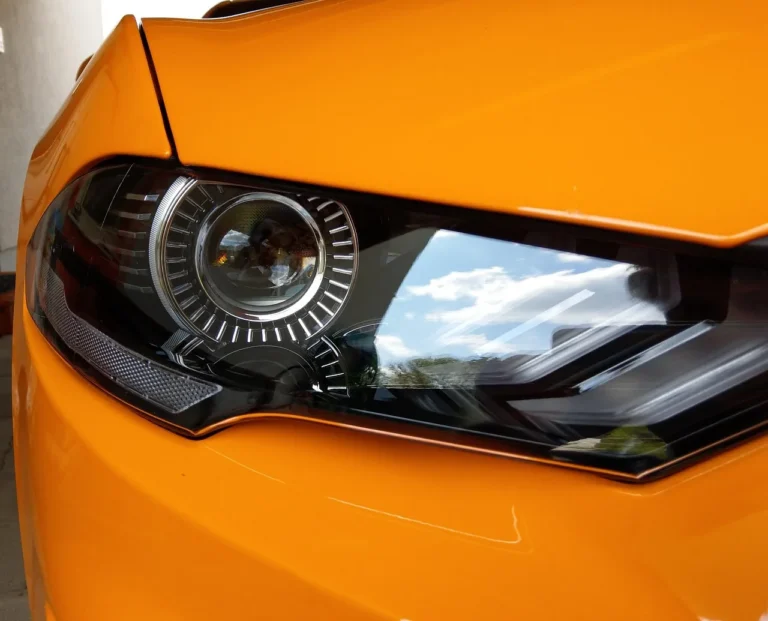
Headlights are the most recognizable car lights, providing forward illumination for night driving and poor visibility conditions.
- Low Beam (Dipped Beam): Used in regular night driving and urban areas. Offers moderate brightness without dazzling oncoming drivers.
- High Beam (Main Beam): Used in rural or unlit areas. Provides maximum brightness but must be turned off when other vehicles are nearby.
Headlights are legally required in all vehicles, and their proper function is critical for safety. According to the National Highway Traffic Safety Administration (NHTSA), headlight failures are a leading cause of nighttime accidents.
Daytime Running Lights (drl)
Daytime Running Lights are designed to increase vehicle visibility during daylight hours. They are automatically activated when the car is in motion but do not provide significant illumination.
DRLs became standard in many countries to reduce daytime accidents. Research from Transport Canada indicates that DRLs can reduce daytime collision rates by up to 10%.
Fog Lights
Fog lights are mounted low on the vehicle and produce a wide, flat beam to cut through fog, rain, or snow. Unlike headlights, they minimize glare and improve visibility near the ground.
- Front Fog Lights: Used in dense fog or heavy rain.
- Rear Fog Lights: Make the vehicle more visible from behind in poor conditions.
Fog lights are not mandatory everywhere, but they are especially useful in regions prone to fog or heavy precipitation.
Turn Signal Lights
Turn signals, also known as indicator lights, alert other road users to the driver’s intention to turn or change lanes.
- Front Turn Signals: Located near the headlights.
- Rear Turn Signals: Integrated with tail lights or brake lights.
The color and placement of turn signals are regulated by law, typically amber for front and rear in the US.
Tail Lights
Tail lights are red lights located at the rear of the vehicle. They illuminate when the headlights are on, making the car visible from behind.
- Brake Lights: Activate when the brake pedal is pressed, signaling a stop.
- Reverse Lights: Illuminate when the car is in reverse, warning others and lighting the area behind.
Tail lights are essential for nighttime driving and signaling.
Parking Lights
Parking lights are small, low-intensity lights used when parked to increase visibility in dark or hazardous locations. They’re often integrated with the tail light assembly.
Side Marker Lights
Side marker lights are amber or red lights located on the sides of the vehicle, helping others see your car from different angles, especially at night or in poor weather.
Hazard Warning Lights
Hazard lights (emergency flashers) use both front and rear turn signals to flash simultaneously, warning others of a breakdown or emergency situation.
Technologies Behind Car Lights: Halogen, Led, Xenon, And Laser
Car lights have evolved dramatically over the past decades. Understanding the technology behind them helps drivers make informed choices about upgrades and replacements.
Halogen Lights
Halogen bulbs have been the standard for decades. They’re inexpensive and easy to replace, but less efficient than newer alternatives.
- Lifespan: ~500-1,000 hours
- Color temperature: ~3,000K (yellowish light)
- Cost: Low
Led Lights
LED (Light Emitting Diode) lights are now common in modern vehicles. They offer high efficiency, longer life, and instant illumination.
- Lifespan: ~10,000-30,000 hours
- Color temperature: 5,000-6,000K (white to bluish)
- Cost: Moderate to high
- Energy consumption: Lower than halogen
Xenon (hid) Lights
Xenon HID (High-Intensity Discharge) lights produce extremely bright, bluish-white light. Used in luxury and performance cars, they provide excellent visibility but require complex installation.
- Lifespan: ~2,000-5,000 hours
- Color temperature: 4,000-6,000K
- Cost: High
Laser Lights
Laser lights are cutting-edge, found in top-tier vehicles. They’re ultra-bright, energy-efficient, and offer longer range, but are expensive and less common.
- Lifespan: Comparable to LEDs
- Range: Up to 600 meters
- Cost: Premium
Comparison Table: Car Light Technologies
| Technology | Lifespan (Hours) | Color Temp (K) | Energy Use | Cost | Typical Use |
|---|---|---|---|---|---|
| Halogen | 500, 1,000 | 3,000 | High | Low | Headlights, Tail Lights |
| LED | 10,000, 30,000 | 5,000, 6,000 | Low | Moderate/High | Headlights, DRL, Interior |
| Xenon (HID) | 2,000, 5,000 | 4,000, 6,000 | Moderate | High | Headlights |
| Laser | 10,000+ | 6,000+ | Very Low | Premium | High-End Headlights |
Real-world Example: Led Headlights In Modern Cars
The Toyota Camry and Tesla Model 3 both feature standard LED headlights, which provide superior brightness and longevity compared to halogen. This contributes to improved safety ratings and lower maintenance costs.

Credit: en.wikipedia.org
Specialty Car Lights And Their Functions
Beyond the standard lights, many vehicles feature specialty lighting for unique purposes. These lights add functionality, style, and safety.
Cornering Lights
Cornering lights illuminate the area beside the car when turning, providing better visibility of pedestrians, cyclists, or obstacles. They’re typically activated by the steering wheel or turn signal.
Adaptive Headlights
Adaptive headlights pivot or adjust based on steering input, speed, or road conditions. This technology improves visibility on curves and hills.
- Example: The BMW Adaptive Headlight System uses sensors to direct beams where needed, reducing blind spots.
Puddle Lights
Puddle lights are mounted under side mirrors or doors, shining downward to illuminate the ground. They help drivers avoid stepping into puddles or hazards when entering/exiting the vehicle.
Interior And Ambient Lights
Interior lighting includes dome lights, map lights, and ambient lighting strips. While not crucial for driving, these lights improve comfort and aesthetics.
License Plate Lights
License plate lights are required by law to illuminate the rear plate, ensuring legibility at night.
Comparison Table: Specialty Car Lights
| Light Type | Location | Purpose | Activation | Common in |
|---|---|---|---|---|
| Cornering Lights | Front corners | Turn visibility | Steering/Signal | Mid/high-end cars |
| Adaptive Headlights | Front | Dynamic beam direction | Automatic | Premium cars |
| Puddle Lights | Side mirrors/doors | Ground illumination | Door opening | Luxury cars |
| License Plate Lights | Rear plate | Plate visibility | Headlights on | All cars |

Credit: www.theengineeringchoice.org
Car Light Regulations And Safety Standards
Understanding legal requirements is vital for compliance and safety. Regulations differ by country and state, but most focus on brightness, color, and positioning.
Us Car Light Regulations
- Headlights: Must be white or yellow, positioned at specified height.
- Tail Lights: Must be red, visible from 500 feet.
- Turn Signals: Amber or red (rear), amber (front).
- Brake Lights: Must be red and brighter than tail lights.
- License Plate Lights: White, must illuminate plate fully.
Failure to comply can result in fines or failed vehicle inspections. The NHTSA and Department of Transportation (DOT) set standards for automotive lighting in the US.
European Standards
European Union regulations require automatic daytime running lights, stricter adaptive lighting standards, and specific light colors. For more details, refer to the Automotive Lighting Wikipedia page.
Safety Impact
Properly functioning lights reduce accidents, especially at night. The Insurance Institute for Highway Safety (IIHS) found that vehicles with advanced lighting systems had 15% lower crash rates in low-light conditions.
Pro Tip:
Always check your lights before a long trip. Replace bulbs as soon as they dim or fail, many stores offer free installation with purchase.
Diagnosing And Maintaining Car Lights
Routine inspection and maintenance ensure that all car lights function optimally. This section covers how to spot issues and perform basic upkeep.
Common Issues With Car Lights
- Burned-out bulbs: Most frequent issue, especially in halogen lights.
- Corroded sockets: Moisture can cause electrical problems.
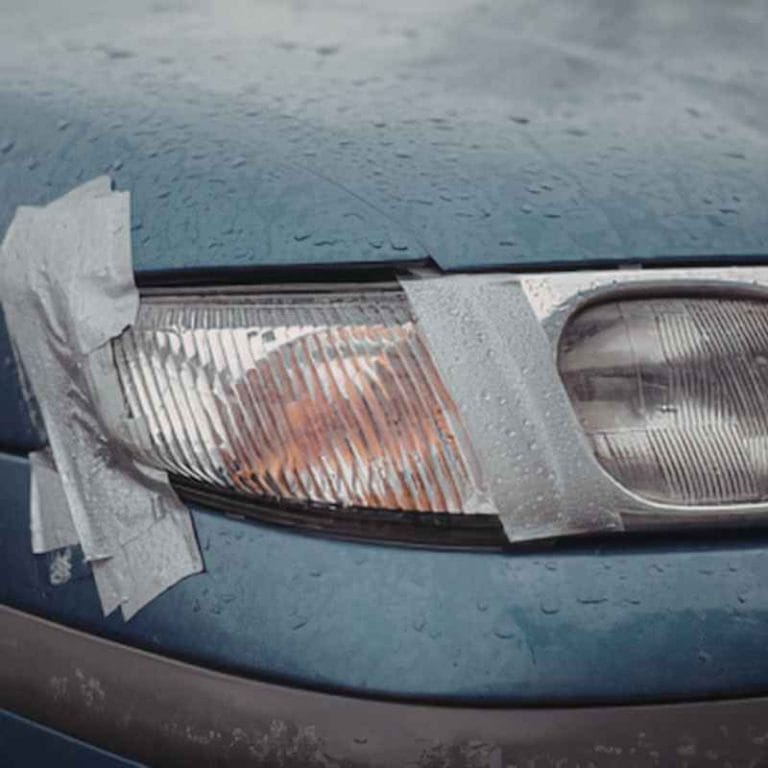
- Cracked lenses: Reduces effectiveness and may cause legal issues.
- Wiring faults: Can lead to flickering or non-functional lights.
Maintenance Tips
- Check lights monthly, walk around your car, activate each light, and inspect brightness.
- Clean lenses regularly to remove dirt and debris.
- Replace bulbs with manufacturer-recommended types.
- Ensure all lights are properly aligned for optimal visibility.
Example: Diagnosing A Faulty Tail Light
On a car, a tail light may fail to work because of a corroded socket. Cleaning the contacts and replacing the bulb fixed the issue immediately.
Upgrading Lights
Many drivers upgrade to LED or Xenon bulbs for improved visibility and efficiency. Always ensure upgrades meet local regulations and are compatible with your vehicle.
Car Lights In Real-world Scenarios
Understanding how different car lights perform in various driving conditions is key to safety.
Night Driving
Headlights and tail lights are essential for visibility. Low beams prevent glare, while high beams illuminate dark roads.
Fog And Rain
Fog lights cut through dense weather, providing clarity close to the ground. Using high beams in fog is discouraged, as it increases glare.
Urban And Highway Driving
Daytime running lights and turn signals are critical in heavy traffic. They make your car more visible and communicate intentions to other drivers.
Case Study: Rear Fog Lights In European Cars
In countries like Germany, rear fog lights are mandatory. They help prevent pile-ups in thick fog by making vehicles more visible from behind. According to the European Transport Safety Council, rear fog lights reduce rear-end collisions by up to 20% in foggy conditions.
Example: Led Upgrades In Fleet Vehicles
A delivery fleet switched from halogen to LED headlights, resulting in fewer replacements and improved nighttime safety for drivers. The company reported a 30% reduction in lighting-related maintenance costs.
Car Light Names And Their Functions: Quick Reference
To simplify the terminology, here’s a quick reference table of car light names and their primary functions.
| Light Name | Function | Activation | Location |
|---|---|---|---|
| Headlights (Low/High Beam) | Forward illumination | Manual/Automatic | Front |
| Daytime Running Lights | Visibility in daylight | Automatic | Front |
| Fog Lights | Cut through fog/rain | Manual | Front/Rear |
| Turn Signals | Indicate turning | Manual | Front/Rear/Sides |
| Tail Lights | Rear visibility | Automatic | Rear |
| Brake Lights | Indicate stopping | Automatic | Rear |
| Reverse Lights | Warn when reversing | Automatic | Rear |
| Parking Lights | Stationary visibility | Manual | Front/Rear |
| Side Marker Lights | Side visibility | Automatic | Sides |
| Hazard Lights | Emergency signaling | Manual | Front/Rear/Sides |
| License Plate Lights | Plate illumination | Automatic | Rear |
| Puddle Lights | Ground illumination | Automatic | Under doors/mirrors |
| Interior Lights | Cabin illumination | Manual/Automatic | Interior |
Upgrading And Customizing Car Lights
Upgrading your car’s lighting is a popular modification. It can improve safety, aesthetics, and even resale value.
Led And Xenon Upgrades
Switching to LED or Xenon bulbs offers:
- Greater brightness and clarity
- Lower energy use
- Longer lifespan
Before upgrading, consult your vehicle manual and local regulations. Improper installations can cause glare or legal issues.
Custom Lighting Options
- Ambient lighting: Adds color and style to the interior.
- Sequential turn signals: Enhance visibility and modern aesthetics.
- Colored accent lights: Used in show cars, but may be illegal on public roads.
Example: Custom Led Tail Lights
A car enthusiast installed custom LED tail lights, improving visibility and giving the vehicle a modern look. After careful alignment and wiring, the modification passed inspection and enhanced both safety and style.
Legal Considerations
Always ensure customizations comply with local laws. For authoritative guidance, see the NHTSA Lighting Equipment Page.
Frequently Asked Questions
What’s The Difference Between Low Beam And High Beam Headlights?
Low beams are designed for regular night driving and urban areas, providing moderate brightness without blinding oncoming drivers. High beams offer maximum brightness and are intended for rural or unlit roads, but should be switched off when other vehicles are nearby to prevent glare.
Are Led Headlights Better Than Halogen Headlights?
LED headlights are generally superior to halogen in terms of brightness, energy efficiency, and lifespan. However, they are more expensive and may require special installation. LED lights also provide instant illumination, making them safer in emergency situations.
Why Do Some Cars Have Rear Fog Lights?
Rear fog lights are used in regions with frequent fog, heavy rain, or snow. They emit a bright red light to make the vehicle more visible from behind, reducing the risk of rear-end collisions in poor visibility conditions.
Is It Legal To Install Colored Lights On My Car?
Colored lights, such as blue or green accent lights, are usually restricted to emergency vehicles and may be illegal on public roads. Always check local regulations before installing colored lighting, as violations can result in fines or failed inspections.
How Can I Check If All My Car Lights Are Working Properly?
Perform a monthly inspection: turn on each light, walk around your vehicle, and observe brightness and function. For lights that require two people (like brake lights), ask someone to help. Replace any malfunctioning bulbs promptly and clean lenses for optimal performance.
Whether you’re driving at night, through fog, or simply parking on a busy street, understanding what car lights are called and how they function is vital. From headlights to license plate lights, each plays a critical role in keeping you and others safe. With technological advancements like LED and adaptive headlights, modern cars offer better visibility and efficiency than ever. By knowing the names, functions, and legal requirements of every car light, you’ll be equipped for safer driving, easier maintenance, and smarter upgrades.
Products related to this article
Sponsored / affiliate links. As an Amazon Associate I earn from qualifying purchases. I may earn additional commission from eligible campaigns.