When to Put Car Lights On: Rules Every Driver Must Know
Modern road safety isn’t just about defensive driving or obeying speed limits, it’s also about visibility. Whether you’re navigating city streets at dusk, heading out on a foggy morning, or caught in a sudden downpour, knowing when to put car lights on can mean the difference between a safe journey and a dangerous one. Yet, many drivers either underestimate the importance of timely light usage or misunderstand the rules governing their activation. The consequences are real: thousands of accidents annually are attributed to poor visibility, much of which can be mitigated by proper lighting.
This article provides a comprehensive guide to the rules every driver must know about car lights. From legal requirements across states, practical tips for various weather conditions, to the latest in automotive lighting technology, we’ll explore why, when, and how to use your vehicle’s lights for maximum safety.
Whether you’re a new driver or a seasoned motorist, mastering these rules will help protect you, your passengers, and everyone sharing the road.
Key Takeaways
- Car lights are not just for seeing, they’re for being seen, especially in low visibility.
- State and national laws mandate specific times and conditions for light usage; compliance reduces accident risk.
- Weather conditions like fog, rain, and snow require different lighting strategies.
- Modern cars offer advanced lighting technology, but drivers must still understand basic rules.
- Knowing the distinctions between headlights, high beams, fog lights, and daytime running lights is critical.
- Use of car lights is central to road safety, with real-world examples illustrating the importance.

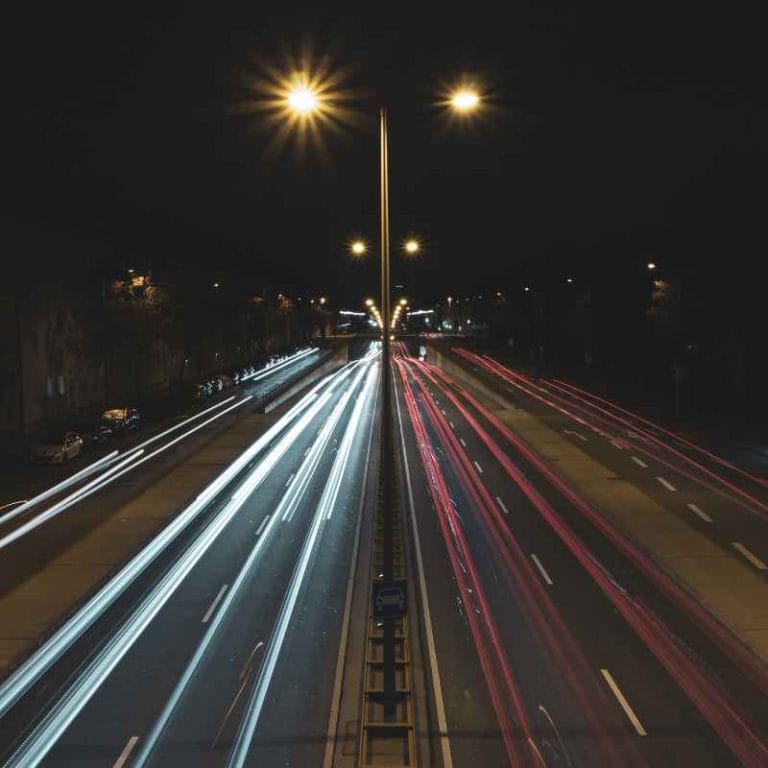
Credit: driving-tests.org
Understanding Car Light Types And Their Functions
Every vehicle is equipped with multiple types of lights, each serving a distinct purpose. Knowing the differences and proper usage is essential for every driver.
Headlights
Headlights are the primary source of illumination for the road ahead. Most vehicles have two settings: low beam and high beam. Low beams are designed to illuminate the road without blinding other drivers, while high beams provide more intense light for longer distances but should only be used in certain conditions.
High Beams
High beams offer maximum visibility and are ideal for rural or unlit roads. However, using them in traffic or when approaching other vehicles can cause glare and is prohibited by law in most jurisdictions. High beams should be switched off within 500 feet of oncoming traffic and 200 feet behind another vehicle, according to the National Highway Traffic Safety Administration (NHTSA).
Fog Lights
Fog lights are mounted lower and emit a wide, flat beam that cuts through fog, rain, or snow. They are used in conditions where headlights alone are insufficient due to light scattering caused by weather elements.
Daytime Running Lights (drls)
DRLs are automatically activated in many modern vehicles and enhance visibility during daylight hours. While not always legally required, studies by the Insurance Institute for Highway Safety (IIHS) suggest DRLs reduce daytime multi-vehicle crashes by up to 10%.
Taillights And Brake Lights
Taillights illuminate the rear of the vehicle whenever the headlights are on, ensuring drivers behind you can see your car. Brake lights activate when you apply the brakes, signaling your intention to slow down or stop.
Turn Signals
Turn signals communicate your intention to change direction, turn, or merge, and are a legal requirement in all states.
| Light Type | Primary Function | Typical Usage Scenario |
|---|---|---|
| Headlights (Low Beam) | Illumination without glare | Night driving, tunnels, dusk |
| High Beams | Maximum visibility | Rural roads, unlit highways |
| Fog Lights | Cut through fog/rain | Heavy fog, snow, rain |
| Daytime Running Lights | Daytime visibility | All daylight hours |
| Taillights | Rear visibility | Night, rain, tunnels |
| Brake Lights | Signal slowing/stopping | Whenever braking |
| Turn Signals | Signal direction change | Turning, merging, lane changes |
Understanding these functions is fundamental to safe driving and legal compliance.

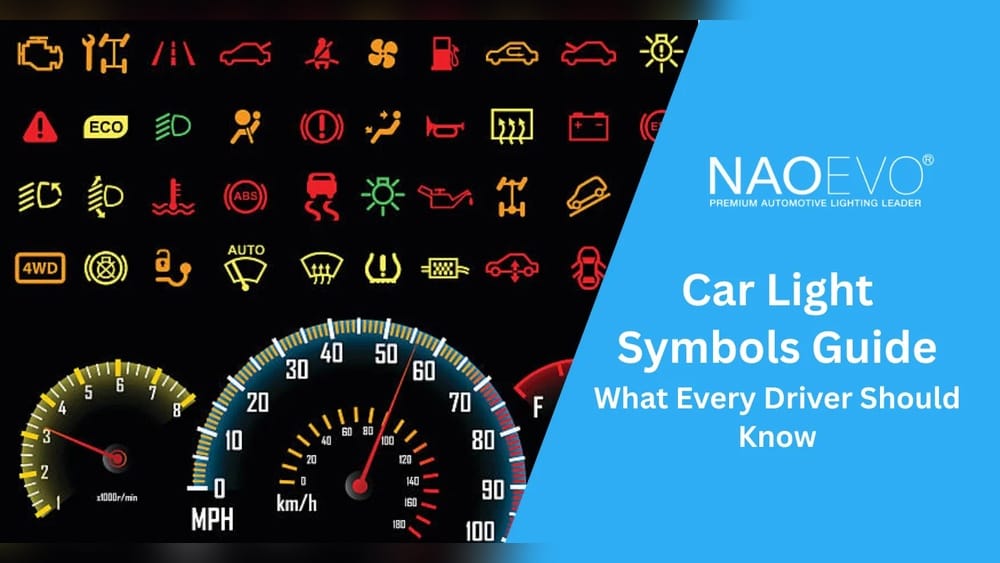
Credit: www.naoevo.com
Legal Requirements And Regulations For Car Light Usage
Car light rules are governed by a mix of federal guidelines and state-specific laws, with some variations. Ignorance of these laws can result in fines or accidents.
Federal Guidelines
The NHTSA sets minimum standards for automotive lighting, requiring all vehicles to have functioning headlights, taillights, brake lights, and turn signals. The Federal Motor Vehicle Safety Standard No. 108 outlines these requirements, but individual states may add further rules.
State-specific Laws
States differ in their mandates for when car lights must be used. For example:
- California: Headlights must be turned on 30 minutes after sunset until 30 minutes before sunrise, and during any weather condition that reduces visibility to less than 1,000 feet.
- Texas: Similar rules apply, but also require headlights in tunnels.
- New York: Requires headlights whenever windshield wipers are in use, regardless of visibility.
Consult your state’s Department of Motor Vehicles (DMV) for specifics. For a detailed, up-to-date table of state requirements, see the IIHS Headlight Laws Database.
International Standards
European countries often require daytime running lights year-round, reflecting stricter safety standards. Canada also mandates DRLs, citing improved collision rates.
Consequences Of Non-compliance
Failure to follow lighting laws can result in:
- Fines ranging from $50 to $500, depending on the state and infraction.
- Increased liability in the event of an accident.
- Points against your license.
Pro Tip: Always check local laws when driving in a new state or country.
| State | Headlight Requirement | Penalty for Violation |
|---|---|---|
| California | 30 min after sunset to 30 min before sunrise; poor visibility | $100-$200 fine |
| Texas | Same as CA, plus tunnels | $150-$250 fine |
| New York | Headlights when wipers are on | $50-$100 fine |
| Florida | Headlights from sunset to sunrise | $75-$125 fine |

Credit: sunstoppers.com
When To Activate Car Lights: Situational Guidance
Knowing the rules is only part of the equation; understanding situational best practices ensures maximum safety.
Nighttime And Low Light Conditions
Night driving is the most obvious scenario for light activation. Headlights should be on from sunset until sunrise. According to the NHTSA, nearly half of all fatal car accidents occur at night, underscoring the importance of proper lighting.
- Activate low beams in urban areas.
- Use high beams on open highways, but dim them for oncoming traffic.
Dusk And Dawn
Visibility drops significantly during dusk and dawn. Even if you can see clearly, other drivers may not see you. Many states require headlights during these periods.
- Turn on headlights at least 30 minutes before sunset and keep them on until 30 minutes after sunrise.
Adverse Weather Conditions
Weather is a critical factor in light usage. Rain, fog, snow, and dust storms demand different strategies.
- Rain: Use headlights whenever rain reduces visibility; in some states, headlights are required whenever windshield wipers are in use.
- Fog: Activate fog lights and low beams; avoid high beams as they reflect off fog and impair visibility.
- Snow: Use low beams and fog lights; high beams can cause glare.
Example: In my experience driving through the Sierra Nevada during a snowstorm, activating fog lights and low beams significantly improved visibility and reduced the risk of skidding.
Tunnels And Underpasses
Even in daylight, tunnels and underpasses can be dark. Most states require headlights in these areas, regardless of outside conditions.
- Always switch on low beam headlights before entering a tunnel.
Rural And Unlit Roads
High beams are permitted and encouraged on rural, unlit roads where visibility is low and there is no oncoming traffic.
- Switch to low beams if another vehicle approaches within 500 feet.
Parking And Emergency Situations
When stopped on the roadside or in an emergency, activate hazard lights. For parking at night, keep your parking lights on if required by local law.
- Use hazard lights to alert other drivers to your presence.
Weather And Environmental Factors Affecting Light Usage
Environmental conditions dramatically impact visibility and dictate the need for proper lighting.
Rain And Storms
Heavy rain reduces visibility and makes roads slippery. According to the Federal Highway Administration, nearly 21% of all vehicle crashes are weather-related, with rain being the most common cause.
- Activate headlights, not just DRLs.
- Avoid high beams, as rain can reflect the light and cause glare.
Fog
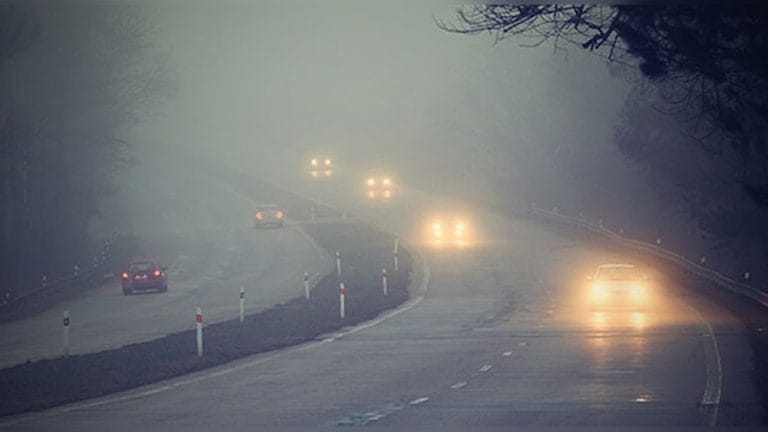
Fog is one of the most hazardous conditions for drivers. The IIHS recommends fog lights, which are specifically designed to cut through dense fog.
- Use fog lights and low beams.
- Do not use high beams; they scatter light and worsen visibility.
Snow And Ice
Snow and ice not only obscure the road but also reflect light, causing glare.
- Use low beams and fog lights.
- Clean your lights frequently to prevent snow buildup.
Dust And Smoke
Wildfires and dust storms are increasingly common. Both reduce visibility and require immediate activation of headlights.
- Use low beams and hazard lights if visibility drops below 1,000 feet.
- Prepare to stop if conditions worsen.
Daylight Variations
Shorter days in winter and longer days in summer can affect when lights are needed. Always err on the side of caution.
Pro Tip: If you are unsure whether lights are needed, turn them on. It’s better to be visible than invisible.
Technological Advances In Car Lighting
Modern vehicles are equipped with advanced lighting systems that improve safety and convenience.
Led And Xenon Headlights
LED and Xenon (HID) headlights provide brighter, more focused light than traditional halogen bulbs. They last longer and consume less power.
- LED headlights are standard in many new vehicles.
- Xenon lights offer superior brightness but are more expensive to replace.
Adaptive Lighting Systems
Adaptive headlights adjust their angle and intensity based on steering, speed, and road conditions. Studies from the Insurance Institute for Highway Safety show adaptive lights reduce nighttime accidents by up to 20%.
Example: The Audi Matrix LED system automatically dims sections of the beam to avoid blinding other drivers while maintaining maximum road illumination.
Automatic Light Sensors
Many cars now feature sensors that automatically activate headlights when visibility drops. These sensors detect ambient light and adjust accordingly, reducing the chance of human error.
- Automatic systems are useful but drivers must still know manual controls for emergencies.
Daytime Running Lights (drls)
DRLs are now standard in many regions and are proven to reduce daytime collisions. According to the European Commission, mandatory DRLs cut road deaths by 6% in participating countries.
Smart Lighting And Connectivity
Emerging technologies include smart lighting connected to vehicle-to-vehicle (V2V) communication, warning other vehicles of hazards.
- Smart lights can flash to alert drivers of sudden stops or road conditions.
| Technology | Benefits | Drawbacks |
|---|---|---|
| LED Headlights | Bright, energy-efficient, long-lasting | Higher upfront cost |
| Adaptive Lighting | Reduces glare, improves safety | Complex, more expensive repair |
| Automatic Sensors | Convenience, error reduction | May malfunction in rare cases |
| Smart Lighting | Enhanced communication, safety | Still emerging, not widespread |
Real-world Examples And Case Studies
Examining real incidents illustrates the crucial role of proper car light usage.
Example: Fog-related Multi-car Crash
In 2018, a multi-car pileup occurred on Interstate 80 in Nebraska during heavy fog. Investigators found that several vehicles lacked activated headlights or fog lights, making them nearly invisible. Proper use of lights could have prevented the severity of the crash.
Example: Rain-induced Collision
A study by the University of Michigan found that 40% of rain-related accidents involved vehicles without headlights. In one case, a driver failed to activate headlights during a heavy downpour, leading to a rear-end collision.
Example: Tunnel Safety
A report from the California Department of Transportation highlighted reduced accidents in tunnels after mandatory headlight laws were enforced. Visibility inside tunnels improved, and rear-end accidents decreased by 30%.
Example: Adaptive Lighting Saves Lives
The IIHS reported that vehicles equipped with adaptive headlights had a 16% lower rate of nighttime pedestrian collisions compared to conventional lights. This shows the tangible impact of technological advances.
Best Practices For Car Light Usage
Following best practices ensures compliance with the law and maximizes safety.
Routine Maintenance
- Check all lights regularly for functionality.
- Replace bulbs promptly when they burn out.
- Clean light covers to prevent dirt and grime from reducing brightness.
Manual And Automatic Controls
- Familiarize yourself with your car’s lighting controls.
- Do not rely solely on automatic sensors; manually activate lights when needed.
Proper Use Of High Beams
- Use high beams on open roads with no traffic.
- Dim high beams for oncoming vehicles or when following another car.
Fog Light Etiquette
- Only use fog lights in poor visibility conditions.
- Turn them off in clear weather to avoid dazzling other drivers.
Daytime Running Lights
- Ensure DRLs are functioning.
- Supplement DRLs with headlights in poor weather.
Communicate Intentions
- Use turn signals well before changing lanes or turning.
- Activate hazard lights in emergencies.
Know Local Laws
- Review state-specific lighting laws before traveling.
- Consult the DMV or official sources for updates.
Pro Tip: Carry spare bulbs and fuses in your car for quick replacements.
Common Mistakes And How To Avoid Them
Mistakes in car light usage are frequent and can be hazardous.
Forgetting To Activate Lights
Drivers often forget to turn on headlights during twilight or in tunnels. Automatic lights help, but manual activation is still necessary.
- Set reminders to check lights before driving.
Using High Beams Improperly
High beams are often misused, causing glare for other drivers and increasing accident risk.
- Follow legal guidelines for high beam usage.
Overusing Fog Lights
Fog lights are helpful in poor visibility but can blind other drivers if used improperly.
- Only use fog lights when conditions warrant.
Neglecting Maintenance
Dirty or malfunctioning lights reduce visibility and are a legal violation.
- Clean and inspect lights weekly.
Relying Solely On Drls
DRLs are not a substitute for headlights in poor conditions.
- Activate headlights in rain, fog, and low light.
Example: A driver in Pennsylvania failed to turn on headlights during heavy rain, relying on DRLs. The result was a collision due to reduced rear visibility.
Frequently Asked Questions
What Is The Difference Between Daytime Running Lights And Headlights?
Daytime running lights (DRLs) are designed for visibility during daylight and are typically less bright than headlights. Headlights are used for illuminating the road in low-light or night conditions and are required by law in many scenarios. DRLs alone are insufficient for night or adverse weather driving.
Are Automatic Headlights Always Reliable?
Automatic headlights rely on sensors to detect ambient light. While generally reliable, they can malfunction or fail in unusual conditions (e. g. , heavy fog, smoke, or tunnels). It’s important for drivers to know how to manually activate headlights if necessary.
Can I Use High Beams In Foggy Conditions?
No, high beams should not be used in fog. They can reflect off the fog and worsen visibility for you and other drivers. Instead, use low beams and fog lights specifically designed for such conditions.
What Should I Do If One Of My Car Lights Fails While Driving?
If a light fails during driving, safely pull over and activate hazard lights. Replace the bulb as soon as possible, and avoid night or poor weather driving until all lights are functioning. Regular maintenance can prevent unexpected failures.
How Often Should I Check My Car Lights?
It’s recommended to check all car lights at least once a week. This includes headlights, taillights, brake lights, fog lights, and turn signals. Routine checks ensure safety and compliance with the law.
Proper use of car lights is an essential aspect of road safety, blending legal compliance, technological advances, and practical know-how. By understanding when and how to activate each light, drivers not only protect themselves but also contribute to safer roads for everyone.
Whether navigating challenging weather, unfamiliar roads, or simply commuting, following these rules ensures you remain visible and vigilant, every mile of the journey.
Products related to this article
Sponsored / affiliate links. As an Amazon Associate I earn from qualifying purchases. I may earn additional commission from eligible campaigns.