Honda Civic Maintenance at 60,000 Miles: What Should Be Replaced?
At around 60,000 miles, a Honda Civic commonly needs engine oil and filter service, tire rotation, brake-fluid service, and whatever the maintenance schedule calls for. Many Civic schedules also call for spark plugs, and transmission fluid may be due sooner under severe use. Skip the right items, and you can end up with poor shifting, longer stops, and higher repair bills. This guide separates what to replace now, what to inspect, and how driving severity changes the list.
Honda Civic 60,000-mile decision table


Use this as a decision map, not a guess. The table separates items that are usually replaced now from items that are only inspected, and it flags the ones that depend on the Civic’s maintenance code, engine, model year, and service history.
| Item | Replace now | Inspect only | Depends on Maintenance Minder/code |
|---|---|---|---|
| Engine oil | Yes | No | Triggered by the oil-life reminder logic |
| Oil filter | Yes | No | Paired with the oil service on the applicable Honda schedule page |
| Brake fluid | Usually yes at this milestone if time or mileage interval is due | No | Follow the manual and service history |
| Spark plugs | Sometimes | No | Depends on engine, generation, and the scheduled mileage interval |
| Transmission fluid | Sometimes | No | Depends on transmission type, model year, and severe-use history |
| Engine air filter | No | Yes | Replace if dirty, restricted, or loaded with debris |
| Cabin air filter | No | Yes | Replace if airflow is weak or the filter is visibly dirty |
| Coolant | Only if the interval is due | Check level and condition | Depends on model year and coolant type in the manual |
| Tires | No | Yes | Tread depth is not monitored by Maintenance Minder |
| Brake pads and rotors | No | Yes | Wear is not monitored by Maintenance Minder sensors |
| Brake hardware | No | Yes | Inspect during a maintenance visit for seized, loose, or worn parts |
Severe use changes the answer. Short trips, stop-and-go traffic, hills, dusty roads, and repeated high-load driving can push filters and fluids out of the normal schedule sooner than the reminder alone suggests.
What Maintenance Minder means at 60,000 miles
Honda Maintenance Minder estimates engine oil life; it does not measure oil level. Honda describes the system as using driving and operating conditions to estimate oil life, and it is designed to show a Service Due Soon message when oil life reaches 15%. It may also call for additional maintenance items, but it does not track tire tread, brake wear, or battery life.
That makes the reminder useful, but not complete. Honda also says owners should check oil level regularly, because an oil-life estimate is not the same as verifying the amount of oil in the crankcase.
How the Civic code structure fits the reminder
Use the owner’s manual and the vehicle’s reminder display for your exact Civic. Do not mix schedule wording from different model years when you are checking your own car.
Do not treat the reminder as a universal 1-9 checklist for every Civic at 60,000 miles. Use the specific service item shown for your car’s schedule and maintenance history.
What should be replaced now?
The core 60,000-mile replacement list starts with oil and filter service, then adds whatever the schedule or condition calls for: brake fluid, spark plugs on many Civics, and transmission fluid when the manual or maintenance code says it is due. If you are deciding what to spend on first, start with safety and drivability items.
Engine oil and oil filter
Oil service is the baseline item. Honda says the oil-life estimate triggers the reminder logic, and the oil filter is tied to the applicable service code logic on the schedule page. If the car has reached the reminder threshold, do not postpone this service.
Brake fluid
Brake fluid is primarily a time-based replace-now item when the interval is due. It absorbs moisture over time, which can affect pedal feel and corrosion resistance. If the fluid has never been changed and the Civic is near 60,000 miles, this is one of the items worth checking against the schedule.
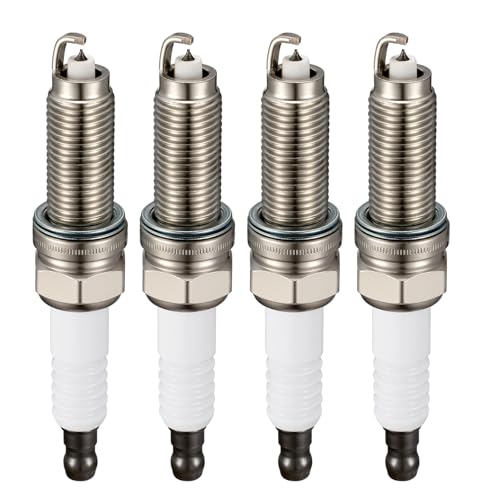
Spark plugs
Do not assume every Honda Civic needs spark plugs exactly at 60,000 miles. Many Civic engines do not land on that mileage for plugs, and some Honda schedules place them later. Check the engine code and the maintenance record before spending money here.
Say your Civic has a 1.5-liter turbo engine and the plugs were already replaced early because the prior owner drove in heavy city traffic. In that case, the 60,000-mile service should focus on the fluids and inspections that are actually due, not an automatic plug change.
Transmission fluid
Transmission fluid is a conditional replacement, not a universal 60,000-mile item. The correct answer depends on whether the Civic has a CVT or another transmission type, plus model year and service conditions. Some late-model Civic CVTs are not owner-check items in the usual dipstick sense, so the service should follow the vehicle’s specified schedule instead of a quick visual check.
A common mistake is assuming a 60,000-mile Civic only needs an oil change instead of checking wear items like spark plugs, brake fluid, and the air filter. A 2017 Civic with a CVT and a 2014 Civic with a different transmission should not be serviced from the same guesswork list.
Which items should be inspected, not replaced automatically?
These parts can be due at 60,000 miles, but condition matters more than the odometer alone. A proper inspection can save money when the item still has useful life, and it can prevent a missed problem when wear is already advanced.
Engine air filter and cabin air filter
Air filters belong on the inspection list unless the schedule or condition says otherwise. Honda dealers use a multi-point inspection to decide whether a filter should be replaced. Dusty roads, short trips, and heavy use can shorten filter life, which is why a visual check matters.
Brake pads, rotors, and hardware
Brake pads and rotors are wear parts, but Honda says Maintenance Minder does not monitor them with sensors. That means you need a manual inspection for pad thickness, rotor condition, caliper hardware, and any uneven wear. Squeal, vibration, or longer pedal travel point to a closer look.
Tires and tread depth
Tire wear is also not measured by Maintenance Minder. Honda says tire tread depth is not possible to monitor through the system, so you need to inspect tread, sidewalls, and inflation separately. Uneven shoulder wear often points to rotation, alignment, or suspension issues rather than a reminder code.
Battery, belts, hoses, and leaks
These items are not dependable reminder-code decisions. Check for bulging hoses, cracked belts, damp spots, and slow-crank battery behavior during the 60,000-mile visit. If the Civic has warning lights, fluid stains, or an unusual odor, that moves the inspection from routine to necessary.
Honda Civic schedules by model year
The model year split matters because Honda uses different schedule wording for different Civic generations. That changes how you read the service reminder and which page you should use as the reference for your car.
2006-2015 Civic service wording
Honda uses Maintenance Minder schedule wording for 2006-2015 Civic models. That matters because the older Civic service structure is not written the same way as the later wording. Use the correct model-year page before deciding what the reminder means.
2016-current Civic service wording
Honda uses Maintenance Minder schedule wording for 2016-current Civic models. If you read an older Civic chart and apply it to a newer car, you can miss the right maintenance item or replace something too early. Confirm the exact model year first.
Why the model year split matters
The 60,000-mile checklist is similar across many Civics, but it is not exactly the same. Engine family, transmission type, and schedule wording all change the answer. That is why the correct service list is built from the owner’s manual, the reminder code, and the specific Civic generation.
What inspections should be done at 60,000 miles besides oil and filters?
At 60,000 miles, the inspection list should cover brakes, tires, fluid levels, leaks, and visible wear on belts and hoses. Honda says its dealer multi-point inspection is used to determine whether filter or fluid replacement is needed, especially when severe use may accelerate wear.
Inspect the items you can see and measure. Check tread depth, brake lining thickness, rotor condition, fluid color, and any signs of seepage around the engine, transmission, and cooling system. If the Civic sees dusty roads or repeated short trips, expect more frequent inspection.
- Check the oil level and note the oil-life reminder status.
- Inspect tires for wear, damage, and proper inflation.
- Measure brake pad thickness and inspect rotors and hardware.
- Look at the engine air filter and cabin air filter.
- Check coolant and brake fluid condition; follow the transmission service schedule for your specific Civic instead of relying on a quick owner dipstick check.
- Look for leaks, cracked belts, and swollen hoses.
Are spark plugs and coolant due at 60,000 miles?
Sometimes, but not always. Spark plugs and coolant are mileage-sensitive items, yet their exact interval depends on engine, generation, and the maintenance schedule for the specific Civic. A 60,000-mile estimate is a useful checkpoint, not a universal replacement rule.
Spark plug interval by engine and generation
Honda lists spark plugs as a maintenance item tied to additional service items, and they are commonly due by mileage-based service intervals. Many Civic engines do not need plugs exactly at 60,000 miles, but some schedules place them later. Confirm the engine in the owner’s manual before ordering parts.
Coolant interval and what to confirm in the manual
Coolant is another item that should not be guessed from the odometer alone. The right interval depends on the coolant type and model-year schedule. Check whether the coolant service is time-based, mileage-based, or already overdue from age rather than distance.
Firestone also publishes maintenance content covering coolant flushes and topping off levels, which is useful as a general reference point. Still, the Civic’s own manual should decide the interval for your car. (Firestonecompleteautocare)
Should I change transmission fluid at 60,000 miles on a Honda Civic?
Often yes, but only if your Civic’s transmission schedule calls for it or your driving has been hard enough to shorten the interval. CVT fluid and conventional automatic fluid do not share one universal rule, and the correct answer depends on the exact engine, transmission, and model year.
Heavy stop-and-go traffic, steep hills, short trips, and dusty conditions can move transmission service earlier. Honda says extreme use like towing or dusty environments may require extra filters or fluids maintenance beyond the standard reminder, so do not rely on the dash message alone when the vehicle sees hard use.
Is 60,000 miles a major service for a Honda Civic?
Yes, it is a major milestone because it brings together fluids, filters, inspections, and condition-based decisions in one visit. It is not a single fixed package, though. The right 60,000-mile service depends on the model year, engine, transmission, and whether the Civic has seen severe use.
Can I skip some 60,000-mile maintenance items if my Civic drives fine?
You can defer some items if inspection shows they still have useful life, but you should not skip the entire service because the car feels normal. Wear does not always show up as a warning light. Tires, brakes, filters, and fluid condition still need a real check.
Suppose the Civic starts, shifts, and stops normally, but the cabin filter is packed with dust and the brake fluid is overdue by time. The car may still drive fine today, yet those items still belong on the replacement list. That is why condition-based inspection matters.
How much does 60,000-mile service usually cost on a Honda Civic?
There is no single Civic service price. Cost depends on how many items are actually due, whether spark plugs are included, whether transmission or brake fluid is needed, and whether you use a dealer or an independent shop. Oil service is usually the baseline; plugs, transmission fluid, and brake work move the total most.
Dealer visits tend to cost more when the multi-point inspection adds extra fluid or filter replacement. An independent shop can be cheaper on labor, but only if it follows the correct Civic schedule and uses the right fluids for the exact transmission and engine.
Frequently asked questions
What should be replaced on a Honda Civic at 60,000 miles?
Start with engine oil and filter, then check whether brake fluid, spark plugs, and transmission fluid are due for your engine and transmission. Air filters, brakes, tires, and coolant should be inspected, not blindly replaced. The exact list changes by model year and maintenance code.
Do I need spark plugs at 60,000 miles on a Honda Civic?
Not always. Many Civic engines do not need spark plugs exactly at 60,000 miles, but some schedules place them near that range. Check the engine and generation in the owner’s manual, because Honda ties plugs to mileage-based service items that vary by model.
What does the Honda Maintenance Minder mean at 60,000 miles?
It means the car’s estimated oil life and service reminders have reached a point where inspection or replacement is likely due. Honda says the system estimates oil life, can show Service Due Soon at 15% remaining oil life, and does not monitor oil level, tread depth, brake wear, or battery life.
Products related to this article
Sponsored / affiliate links. As an Amazon Associate I earn from qualifying purchases. I may earn additional commission from eligible campaigns.