Do Tires Really Make a Difference in Car Performance?
For generations, car enthusiasts and everyday drivers alike have debated whether tires are simply round rubber necessities or true performance game-changers. Many are surprised to learn that tires are among the most influential factors in how a car accelerates, corners, and stops—often even more impactful than horsepower upgrades or suspension tweaks. From Formula 1 racetracks to city streets, the right (or wrong) set of tires can transform a vehicle’s personality, safety, and efficiency.
But how significant is the role of tires in real-world driving, and what does the science say? This deep dive will explore how tires influence performance metrics, compare various types and technologies, and provide actionable guidance for making informed tire choices. We’ll analyze statistics, examine industry research, and provide expert-backed insights so you can confidently answer the question: Do tires really make a difference in car performance?
Key Takeaways
- Tires directly affect acceleration, braking, cornering, and fuel efficiency, often more than engine power or weight.
- Tire type, tread pattern, and rubber compound are crucial for optimizing performance for specific conditions.
- Choosing the right tires enhances safety, handling, and longevity—while the wrong tires can compromise all three.
- Data shows performance tires can reduce braking distance by up to 30% compared to standard all-season tires.
- Regular maintenance and proper inflation are as important as selecting premium tires for consistent performance.

Credit: pedalcommander.ae
How Tires Impact Car Performance
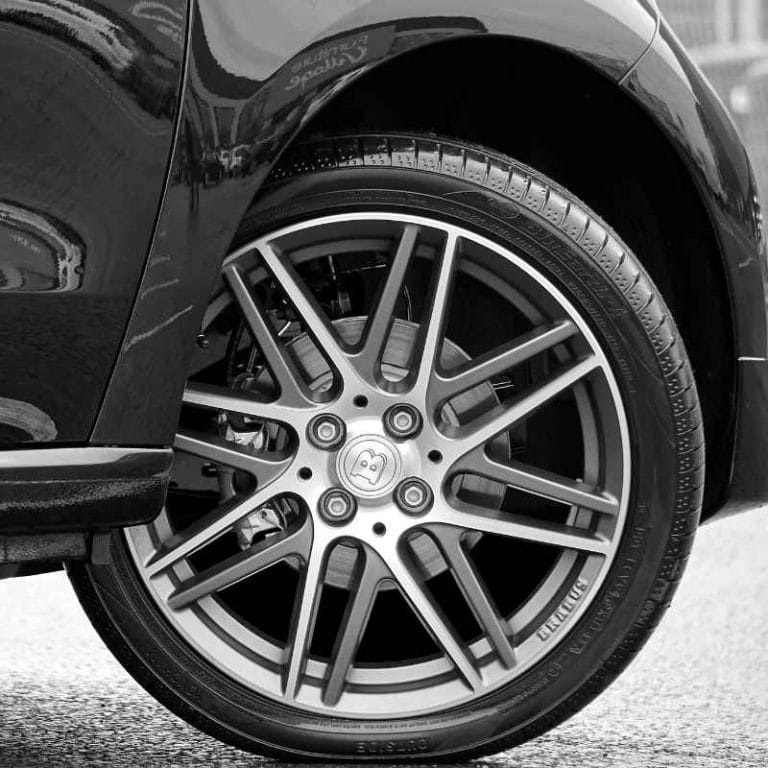
Tires are the only point of contact between your car and the road, making their role in vehicle dynamics critical. Their influence spans every aspect of driving, from how quickly you can stop in an emergency to your car’s ability to cling to a corner.
Acceleration And Traction
When a car accelerates, the tires must translate engine power into forward motion. This process is governed by traction, a function of the tire’s rubber compound, tread design, and contact patch. Performance-oriented tires use softer compounds and optimized tread patterns to maximize grip, allowing for faster launches with minimal wheel spin.
For example, a 2026 test by Car and Driver found that switching from standard all-season to ultra-high-performance summer tires improved 0-60 mph acceleration by 0. 2 seconds on a sporty sedan—an appreciable gain for a single modification.
Braking Distance And Safety
Tires play a vital role in emergency braking. The difference between a premium performance tire and an economy all-season can be the difference between stopping safely or a collision. According to the National Highway Traffic Safety Administration (NHTSA), tires with poor grip can increase stopping distances by up to 30% in wet conditions.
This is not just theoretical: A study by Tire Rack showed that performance tires stopped a car from 60 mph in 104 feet on dry pavement, compared to 130 feet for economy all-seasons—a full car length difference.
Cornering And Handling
Cornering performance is another area where tires dramatically impact the driving experience. High-performance tires feature stiffer sidewalls and advanced tread compounds to resist deformation and maintain grip during aggressive turns. The increased lateral grip allows for higher cornering speeds and more predictable handling.
Auto journalists and racers consistently note that switching to high-quality summer or track-focused tires makes a car feel sharper and more stable, reducing understeer and oversteer tendencies.
Fuel Efficiency
While performance is often associated with speed and handling, tires also impact fuel efficiency. Low rolling resistance tires are engineered to minimize energy loss as the tire rotates, which can improve fuel economy by 2-6% according to the U.S. Department of Energy (Energy.gov). However, there’s often a trade-off: lower rolling resistance can reduce grip, especially in wet conditions.
Noise And Comfort
Modern tire technology balances grip with ride comfort and road noise. Touring tires use specialized tread patterns and internal structures to dampen vibrations and minimize cabin noise, enhancing daily driving comfort.

Credit: www.germanimportgarage.com
Types Of Tires And Their Performance Characteristics
Understanding the main types of tires—and their strengths and weaknesses—empowers drivers to select the best option for their needs.
All-season Tires
All-season tires are designed for year-round use in moderate climates. They balance tread life, fuel efficiency, and wet/dry grip but do not excel in extreme conditions. Their tread compounds remain flexible across a broad temperature range, but they lack the sharp grip of dedicated summer or winter tires.
Summer Performance Tires
Summer tires are optimized for warm weather, delivering superior grip on both dry and wet roads. They use soft rubber compounds and aggressive tread patterns, providing short braking distances and precise handling. However, their performance drops sharply in cold or snowy conditions.
Winter/snow Tires
Winter tires feature specialized compounds that remain pliable in freezing temperatures and unique tread designs for enhanced grip on snow and ice. According to the Rubber Manufacturers Association, winter tires can reduce stopping distances on snow by up to 30% compared to all-seasons.
Ultra-high-performance And Track Tires
These tires are engineered for maximum grip and responsiveness. They use the stickiest compounds and have minimal tread patterns, maximizing the contact patch. While they offer the best performance on dry pavement, their tread life is short, and wet/snow performance is usually poor.
Off-road And All-terrain Tires
Designed for SUVs and trucks, these tires feature robust construction and aggressive tread for mud, rocks, and uneven terrain. While excellent off-road, they generally compromise on-road handling, noise, and fuel economy.
Run-flat And Self-sealing Tires
Run-flat tires allow for limited driving after a puncture, using reinforced sidewalls. Self-sealing tires use an internal lining to close small punctures automatically. Both offer convenience and safety but may ride more harshly and cost more.
Credit: www.beadleford.net
The Science Behind Tire Technology
Modern tire engineering blends chemistry, physics, and materials science to maximize grip, safety, and longevity.
Rubber Compounds
The rubber compound determines a tire’s grip, wear rate, and temperature range. Performance tires use soft, sticky compounds for high grip but wear quickly. Touring and economy tires use harder compounds for longer life but less ultimate grip.
Tire companies invest heavily in proprietary blends, mixing natural and synthetic rubbers with additives like silica and carbon black to tune performance. For instance, Michelin uses “EverGrip” technology to maintain wet grip as the tire wears.
Tread Patterns
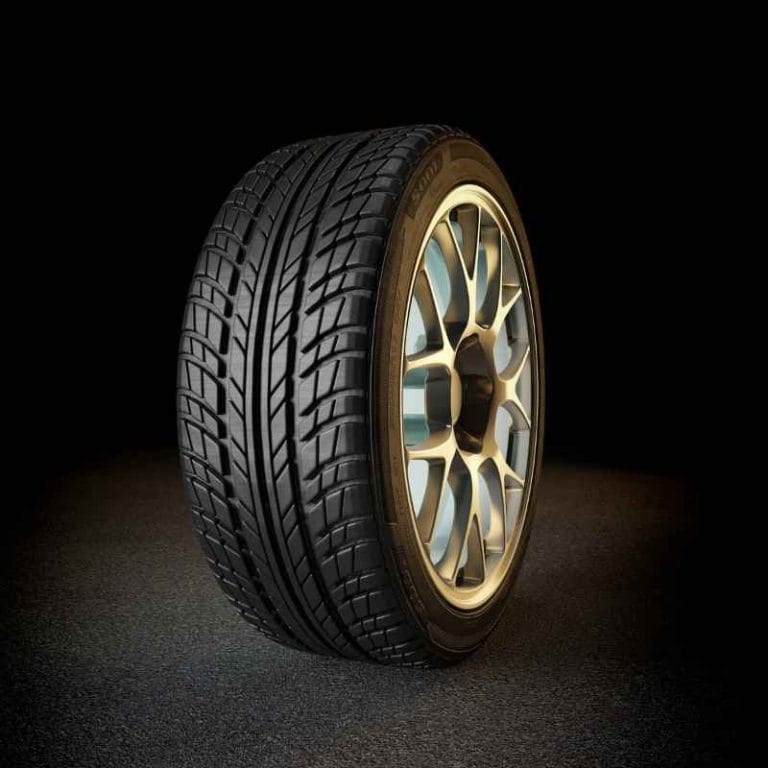
Tread pattern affects water evacuation, road noise, and grip. Summer and performance tires have minimal, directional tread for maximum dry contact, while winter tires feature deep, siped patterns to bite into snow and channel slush away.
Tire Construction
Internal construction—such as steel belts, polyester plies, and sidewall stiffness—impacts durability, responsiveness, and comfort. Performance tires often have stiffer sidewalls for sharper handling, while touring tires prioritize flexibility for a smoother ride.
Sizing And Fitment
Tire size affects a car’s gearing, ride height, and handling. Wider tires increase grip but also rolling resistance and may impact fuel economy. Larger diameter wheels (with lower-profile tires) improve steering response but can make the ride harsher and increase the risk of wheel damage.
| Tire Type | Dry Grip | Wet Grip | Snow/Ice Grip | Ride Comfort | Tread Life |
|---|---|---|---|---|---|
| Summer Performance | Excellent | Good | Poor | Fair | Poor-Fair |
| All-Season | Good | Good | Fair | Good | Good |
| Winter/Snow | Fair | Good | Excellent | Good | Fair-Good |
| Ultra-High Performance | Excellent | Good | Poor | Fair | Poor |
| All-Terrain | Fair | Fair | Good | Poor-Fair | Good |
Real-world Examples And Case Studies
Examining real-world scenarios highlights just how transformative the right set of tires can be for vehicle performance and safety.
Sports Sedan Tire Upgrade
A 2020 comparison by Car and Driver involved a BMW 3 Series fitted first with standard all-seasons, then with ultra-high-performance summer tires. Results showed:
- 0-60 mph acceleration: Improved by 0.2 seconds
- 60-0 mph braking: Reduced by 15 feet
- Cornering G-force: Increased by 0.08g
This demonstrates tangible benefits in every performance metric simply by changing tires.
Winter Tire Effectiveness
In a Consumer Reports test, a front-wheel-drive sedan equipped with winter tires stopped in 53 feet from 30 mph on packed snow, while the same car on all-seasons required 69 feet—a 30% longer distance.
Electric Vehicle Range Test
A 2026 study by Edmunds tested EV-specific low rolling resistance tires versus standard tires on a Tesla Model 3. The EV tires extended range by nearly 5% but showed slightly worse stopping distances, highlighting the trade-off between efficiency and grip.
Fleet Fuel Savings
A delivery fleet in the Midwest switched to low rolling resistance tires and reported a 3.8% improvement in fuel economy across 50 vehicles—a significant cost saving over thousands of miles annually.
Tire Selection: What To Consider
Choosing the right tire is about matching your vehicle, driving style, and environment—not just brand or price.
Driving Conditions And Climate
- Mild, mixed weather: All-season tires offer convenience.
- Hot, dry/wet summers: Summer performance tires excel.
- Cold, icy winters: Dedicated winter tires are essential for safety.
- Off-road or rural: All-terrain tires provide durability and traction.
Vehicle Type And Usage
- Sports cars: Benefit from ultra-high-performance or summer tires.
- Family sedans/SUVs: Best with all-seasons or touring tires.
- Trucks/Off-road vehicles: Require all-terrain or mud-terrain tires.
- Electric/hybrid cars: May use low rolling resistance EV-specific tires.
Treadwear And Lifespan
Consider the treadwear rating (higher numbers = longer life) and expected mileage. Performance tires often trade longevity for grip, while touring tires are designed to last longer.
Budget And Brand Reputation
Premium brands like Michelin, Bridgestone, and Continental invest heavily in R&D, offering advanced technology and warranty support. Lower-cost brands can provide decent value but may compromise on performance or safety in extreme conditions.
Load And Speed Ratings
Check the manufacturer’s recommendations for load index and speed rating. Exceeding or under-specifying these can affect safety and insurance coverage.
| Factor | Importance | Example |
|---|---|---|
| Climate | Very High | Winter tires in snow-belt regions |
| Vehicle Type | High | Performance tires on sports sedans |
| Driving Style | Medium | Touring tires for long highway drives |
| Budget | Medium | Balancing price and performance |
| Treadwear | Medium | Choosing longer-lasting tires for fleets |
Tire Maintenance And Its Role In Performance
Even the best tires deliver subpar performance if not properly maintained. Simple, routine checks ensure safety, efficiency, and longevity.
Tire Pressure
Under-inflated tires increase rolling resistance, reduce fuel economy, and compromise handling, while over-inflated tires decrease grip and wear unevenly. The NHTSA estimates that proper inflation can improve fuel economy by up to 3%.
- Check pressure monthly and before long trips.
- Use a quality gauge and follow the vehicle manufacturer’s recommended PSI.
Tread Depth
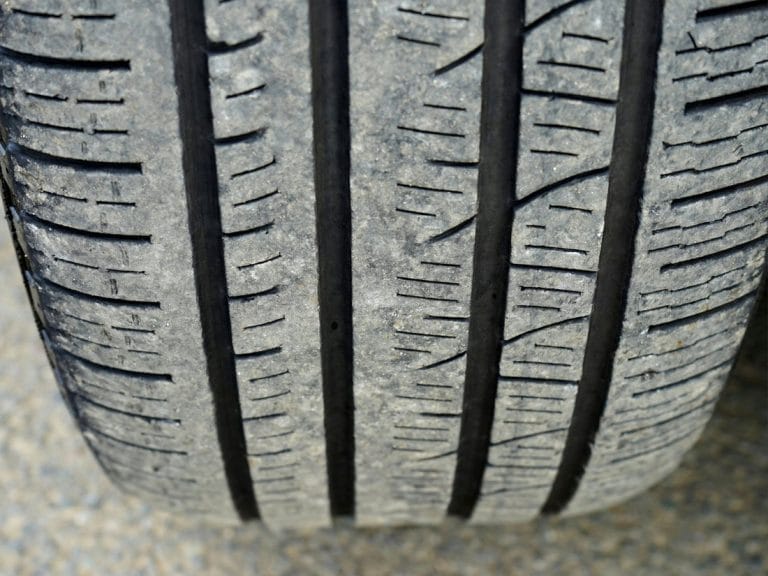
Minimum legal tread depth in the US is 2/32 inch (1. 6mm), but replacing at 4/32 inch is recommended for wet safety. A penny test (Lincoln’s head) is a quick way to check depth.
Rotation And Alignment
- Rotate tires every 5,000–7,500 miles for even wear.
- Regular wheel alignment ensures optimal contact patch and prevents irregular wear, maximizing grip and lifespan.
Balancing
Unbalanced tires cause vibrations, uneven wear, and reduce comfort. Balancing is especially critical after mounting new tires.
Seasonal Changes
Switch between summer and winter tires as needed, or choose all-weather tires if you live in a moderate climate.
Inspect For Damage
Look for cuts, bulges, or punctures regularly. Replace any tire with visible sidewall or tread damage immediately.
How Tires Affect Advanced Vehicle Technologies
Modern cars rely heavily on tires to deliver the promised benefits of advanced technologies and safety systems.
Anti-lock Braking Systems (abs) And Electronic Stability Control (esc)
Both ABS and ESC depend on tire grip. If tires can’t maintain traction, these systems become less effective or even counterproductive.
For example, a study by the Insurance Institute for Highway Safety showed that vehicles equipped with ESC and premium tires reduced single-vehicle crash rates by 49% compared to cars with basic tires.
All-wheel Drive (awd) And Four-wheel Drive (4wd)
AWD/4WD systems can only send torque to wheels with available grip. Mismatched or worn tires can lead to unpredictable handling and damage to driveline components.
Tire Pressure Monitoring Systems (tpms)
Modern cars have TPMS sensors that alert the driver to pressure loss, but they’re not infallible. Manual checks remain essential.
Autonomous And Electric Vehicles
Electric vehicles (EVs) and autonomous cars require tires engineered for higher weight, instant torque, and quiet operation. For instance, many EVs use reinforced sidewalls and specialized compounds to handle unique loads and maintain range.
Cost Vs. Benefit: Are Premium Tires Worth It?
The price gap between budget and premium tires can be hundreds of dollars, leading many to wonder if the investment is justified.
Performance Metrics
Premium tires consistently outperform budget options in stopping distance, wet grip, and treadwear. For example, a Auto Express test found top-tier summer tires stopped 17 feet shorter than budget brands in wet braking.
Safety
Shorter stopping distances, better hydroplaning resistance, and more predictable handling mean premium tires offer a safety margin that can be life-saving in emergencies.
Longevity
While premium tires may cost more upfront, their longer tread life and better performance can make them more cost-effective over time.
Fuel Economy
Low rolling resistance models from reputable brands often deliver measurable fuel savings, especially for high-mileage drivers.
Resale Value
Well-maintained, high-quality tires can enhance a car’s resale value, as buyers and dealers see them as a sign of careful ownership.
Tire Innovations: What’s Next?
Tire technology is rapidly evolving, driven by new materials, automation, and sustainability goals.
Airless Tires
Companies like Michelin and Bridgestone are developing airless tires, which use flexible structures to eliminate flats and reduce maintenance. These are being tested in commercial and passenger applications, with mass production expected in the coming years.
Smart Tires
Smart tires integrate sensors that monitor tread wear, temperature, and road conditions in real time. This data can be shared with onboard computers or even infrastructure to optimize safety and performance.
Sustainable Materials
Manufacturers are investing in eco-friendly materials, such as bio-based rubbers and recycled components, to reduce environmental impact. For instance, Continental has developed tires using dandelion-derived rubber.
Advanced Compounds And Manufacturing
New advances in silica compounds and 3D-printed tread patterns promise improved grip and efficiency, while reducing weight and rolling resistance.
Bridgestone’s Smart Tire program and Continental’s Vision 2030 are leading industry efforts for safer, smarter, and more sustainable tires.
Frequently Asked Questions
What Tire Type Is Best For Most Drivers?
For most drivers in moderate climates, all-season tires provide the best blend of performance, safety, comfort, and value. They handle wet and dry conditions well and have good tread life, but may not be ideal for severe winter or high-performance driving.
How Often Should I Replace My Tires?
Tires should generally be replaced every 6 years, or sooner if tread depth falls below 2/32 inch, sidewalls are damaged, or performance noticeably declines. Always follow manufacturer recommendations and consider earlier replacement for high-performance or winter tires.
Do Expensive Tires Really Last Longer?
Premium tires often use advanced compounds and designs, resulting in longer tread life compared to budget options. However, driving habits, maintenance, and road conditions are equally important factors in how long tires last.
Can I Mix Different Tire Types Or Brands On My Car?
Mixing different types or brands is not recommended, as it can lead to unpredictable handling, increased wear, and safety issues. Always install matching tires on all four wheels, especially for AWD and performance vehicles.
How Do I Know If My Tires Are Affecting My Car’s Performance?
Common signs include longer braking distances, poor cornering grip, increased road noise, vibrations, or visible wear patterns. Regular inspections and comparing performance before and after tire changes can help identify issues.
Choosing the right tires is more than a matter of brand or price—it’s a critical decision that affects every aspect of your driving experience. The evidence is overwhelming: tires do make a real and measurable difference in car performance, from acceleration to safety and efficiency. Whether you’re an enthusiast chasing lap times or a commuter seeking peace of mind, investing in the right tires and proper maintenance is one of the smartest automotive decisions you can make. For deeper insights, check resources like the Wikipedia Tire Page and industry leaders to stay informed as tire technology continues to evolve.
Products related to this article
Sponsored / affiliate links. As an Amazon Associate I earn from qualifying purchases. I may earn additional commission from eligible campaigns.