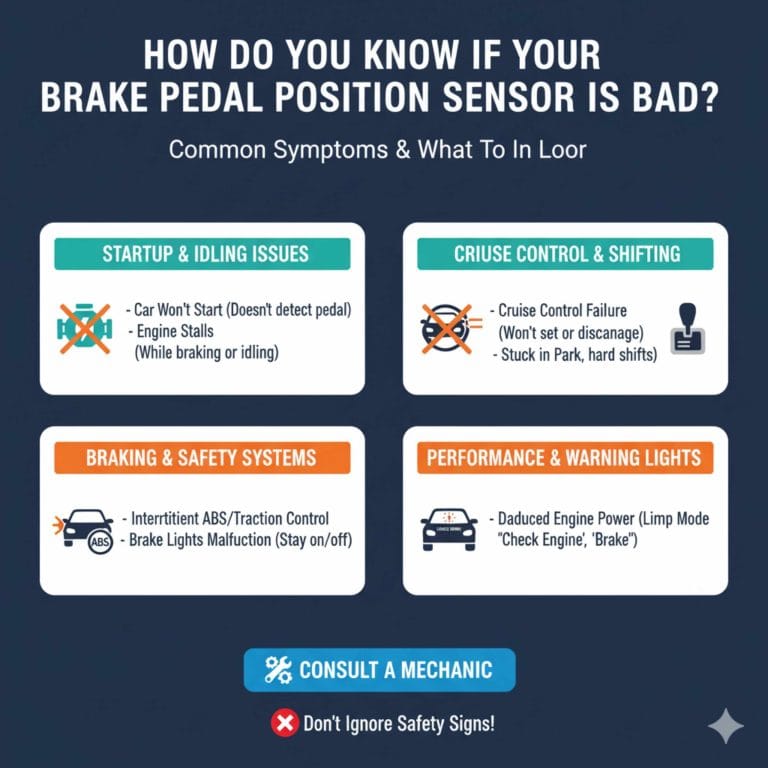
Hard Brake Pedal? Brake Booster Is the Top Cause
A hard brake pedal almost always means the brake booster lost vacuum pressure, not a hydraulic problem.
This guide covers how to confirm it is the booster, and what to check next if it is not.
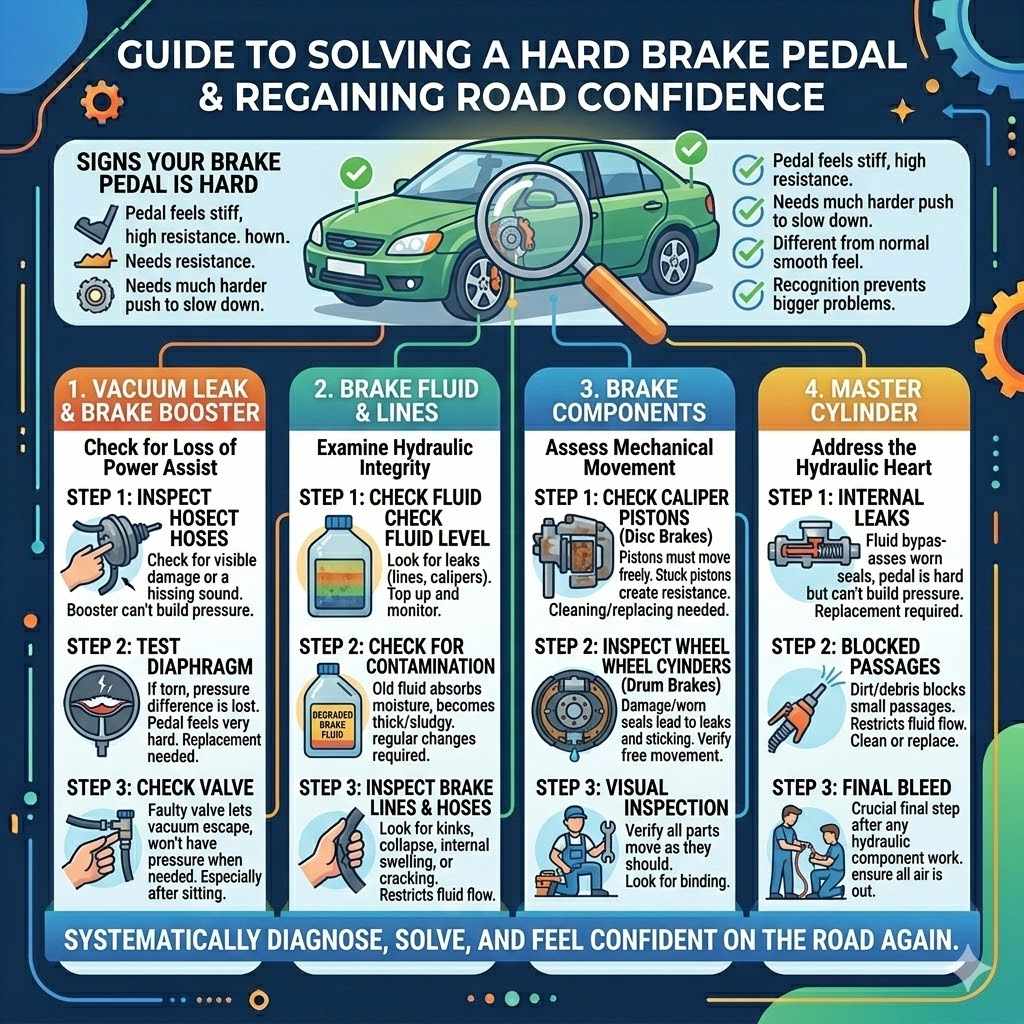
Signs Your Brake Pedal Is Hard
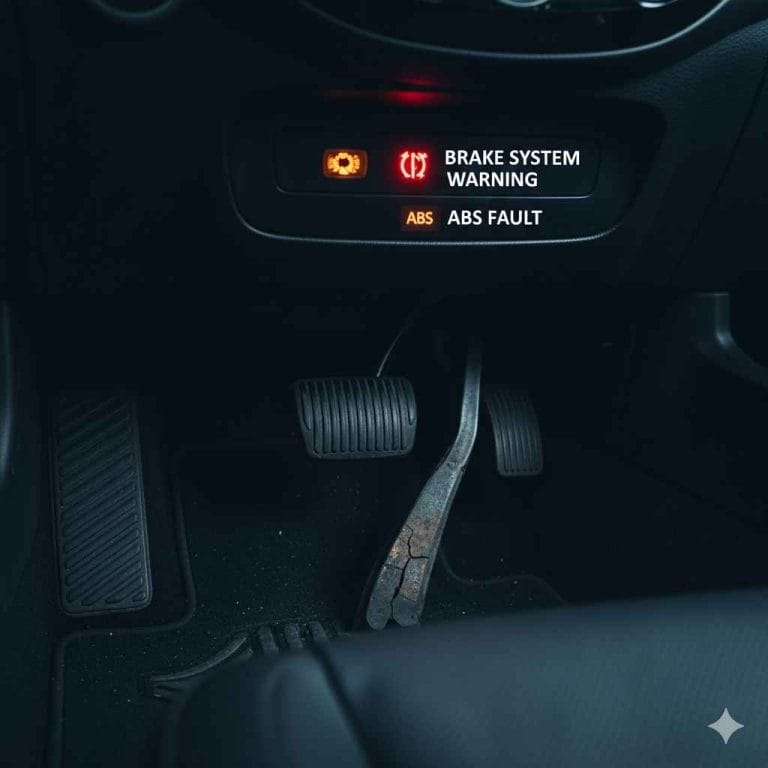
When your brake pedal feels hard, it is a clear signal that something is not quite right with your braking system. This firmness is very different from the normal, smooth feel you expect when you apply the brakes. It means you have to push much harder to get the car to slow down. This can be a sign of a few different issues, all of which need attention. Recognizing these signs early helps prevent bigger problems.
Brake Booster Vacuum Check Valve — $11.99
Since brake booster vacuum loss is the top cause of a hard pedal covered in this guide, a cracked check valve is the cheapest, most common part to fail first.
- Best for: Confirming or ruling out the #1 cause before assuming the whole booster needs replacing
- Why picked: A cracked check valve mimics full booster failure but costs a fraction of a booster replacement
- Main drawback: If the diaphragm inside the booster itself is torn, the valve alone will not fix the hard pedal
Loss of Power Assist
The most common reason for a hard brake pedal is a problem with the power brake booster. This part helps you stop your car easily. It uses vacuum or hydraulic pressure to make the force you apply to the pedal much stronger. If the booster is not working right, you lose that extra help. This makes the pedal feel stiff because you are basically pushing the brakes with just your leg strength.
The power brake booster is a key component that makes braking safe and easy for every driver. It acts like a lever, multiplying the force from your foot onto the brake pedal. When it malfunctions, this amplification is lost.
Vacuum Leak in the Brake BoosterA vacuum leak means that air is getting into the system where it should not be. This can happen because of a cracked hose or a faulty seal in the booster itself. When there is a leak, the booster cannot build up the necessary pressure.This directly leads to a stiff pedal feel. Checking for visible damage to hoses connected to the booster is a good first step in diagnosing this. Sometimes, you might even hear a hissing sound.
Malfunctioning Brake Booster DiaphragmInside the brake booster is a diaphragm, a flexible rubber or plastic sheet. This diaphragm is crucial for separating the vacuum side from the atmospheric side. If this diaphragm tears or gets damaged, the booster cannot create the pressure difference needed.The pedal will then feel very hard. This is a more internal problem with the booster itself and usually means the booster needs to be replaced.
Problems with the Check ValveThe brake booster has a check valve. This valve lets vacuum pressure into the booster but stops it from escaping. If this valve is stuck open or faulty, the vacuum can leak out.This means the booster won’t have enough pressure when you need it. A stuck check valve will cause the pedal to feel hard, especially after the car has been sitting for a while.
Issues with Brake Fluid
Brake fluid is essential for your car’s braking system. It is a hydraulic fluid that transfers the force from your brake pedal to the brakes at the wheels. If there is not enough brake fluid or if it is old and contaminated, it can affect how your brakes work. Low fluid levels can sometimes cause a hard pedal, but more often it leads to a spongy pedal. However, severely contaminated fluid can affect the whole system.
Brake fluid absorbs moisture over time, which can lower its boiling point. This means it can overheat and boil when you use the brakes a lot, like on a long downhill drive. Boiling fluid creates air bubbles, which are compressible and lead to a spongy pedal.
But, if the fluid has not been changed for a very long time, it can become thick and sludgy, potentially hindering the movement of brake components.
Low Brake Fluid Level
A common reason for brake issues is a low brake fluid level. This can happen if there is a leak somewhere in the brake lines or at the brake calipers/wheel cylinders. The brake fluid reservoir is usually located under the hood, and you can check its level.
If the fluid is low, it means there might be a leak. You should always top it up and check for leaks. A very low fluid level, while more commonly causing a spongy pedal, can also contribute to a harder pedal feel if the system is not properly filled.
Contaminated Brake Fluid
Brake fluid absorbs moisture from the air. Over time, this moisture can cause the fluid to degrade. Old, contaminated brake fluid can become less effective.
It can also cause corrosion within the brake system components. While this often leads to a spongy pedal, in some cases, it might cause resistance in the system, making the pedal feel harder to push. Regular brake fluid changes are important to keep the system working smoothly.
Problems with Brake Lines and Hoses
The brake lines are metal tubes that carry brake fluid from the master cylinder to the wheels. The brake hoses are flexible rubber hoses that connect the metal lines to the brake calipers or wheel cylinders. If these are damaged or blocked, they can prevent brake fluid from flowing freely. This can make the pedal feel hard.
Imagine trying to push water through a kinked garden hose. The water will not flow easily. The same thing can happen with brake fluid if there is a blockage or damage in the brake lines or hoses.
This resistance makes it harder to activate the brakes.
Kinked or Collapsed Brake Lines
Brake lines can get kinked if they are bent too sharply. They can also become internally blocked or collapsed over time due to wear and tear or corrosion. If a brake line is kinked, it restricts the flow of brake fluid.
This creates resistance when you try to apply the brakes, making the pedal feel hard. Visually inspecting the brake lines for any obvious damage or kinks is important.
Damaged or Swollen Brake Hoses
Brake hoses are made of rubber and can degrade over time. They can become brittle, crack, or even swell up internally. When a brake hose swells internally, it can act like a one-way valve, allowing fluid to pass one way but restricting it on the return.
If the hose is severely swollen or damaged, it can restrict fluid flow, leading to a hard brake pedal. It is important to look for any signs of cracking, bulging, or wear on these hoses.
Issues with Brake Calipers or Wheel Cylinders
The brake calipers (for disc brakes) and wheel cylinders (for drum brakes) are the parts that actually push the brake pads or shoes against the rotors or drums to slow the vehicle. If these parts are sticking or not moving freely, it can affect pedal feel.
Think of the calipers and cylinders as the final stage in applying the brakes. If they are not working as they should, the force from the pedal does not translate smoothly to stopping power. Sometimes, a sticking caliper can make one wheel brake harder or not at all, but other issues can affect the overall pedal feel.
Sticking Brake Caliper Pistons
Brake calipers have pistons that push the brake pads. If these pistons get stuck due to rust, dirt, or corrosion, they will not move freely. This can make it difficult to apply consistent pressure to the brake pads.
A sticking piston can cause the brake to drag, or it might make the pedal feel stiff and resistant when you try to apply the brakes. This often requires cleaning or replacing the caliper assembly.
Damaged or Leaking Wheel Cylinders
In drum brake systems, wheel cylinders use hydraulic pressure to push the brake shoes outwards. If the seals in a wheel cylinder are damaged or worn out, it can lead to leaks. While leaks usually cause a spongy pedal, if the cylinder is corroded or sticking, it can cause resistance.
This can make it harder for the brake shoes to engage properly, contributing to a hard pedal feel. Inspecting for leaks and ensuring the cylinder moves freely is key.
Master Cylinder Problems
The master cylinder is the heart of the hydraulic brake system. It converts the force you apply to the brake pedal into hydraulic pressure. If the master cylinder is failing, it can affect the entire braking system.
The master cylinder is like the pump for your brakes. It pushes the brake fluid throughout the lines. If this pump is not working correctly, the pressure it creates will be weak or inconsistent.
This directly impacts how your brakes engage.
Internal Master Cylinder Leaks
Inside the master cylinder are seals that keep the fluid pressure contained. If these seals wear out or get damaged, the fluid can leak past them internally. This means that when you press the pedal, the pressure does not build up properly.
Instead, the fluid bypasses the seals, and the pedal can feel hard and go to the floor, or it might feel stiff without effective braking. Replacing the master cylinder is usually the solution.
Blocked Passages in the Master Cylinder
The master cylinder has small internal passages that allow brake fluid to flow. Over time, dirt, debris, or corrosion can block these passages. If a passage gets blocked, it can restrict the flow of brake fluid.
This restriction can make it harder to build up hydraulic pressure when you press the brake pedal. The pedal will feel stiff because the fluid cannot move freely through the cylinder. Cleaning or replacing the master cylinder is necessary.
Diagnosing a Hard Brake Pedal
Finding out why your brake pedal is hard involves a systematic approach. You do not want to guess at the problem, as that can lead to unnecessary repairs. A good diagnosis involves checking several key areas of your braking system.
Visual Inspection
The first step is always a careful visual inspection of the entire braking system. Look for anything obviously wrong. This includes checking the brake fluid level and condition, looking for leaks under the car, and examining the brake lines and hoses for damage.
Sometimes, the problem is plain to see. A leaky hose or a visible kink in a metal line can point you directly to the cause. It is also important to check the master cylinder reservoir to see if the brake fluid is at the correct level.
Make sure the fluid color is not too dark or murky.
Checking Brake Fluid
Open the hood and locate the brake fluid reservoir. Check the fluid level against the markings on the side of the reservoir. If it is low, you will need to investigate why.
Also, look at the color of the fluid. Fresh brake fluid is usually clear or slightly yellowish. If it is dark brown or black, it is old and contaminated and should be flushed and replaced.
This can be a sign of internal corrosion.
Inspecting Brake Lines and Hoses
Follow the brake lines and hoses from the master cylinder to each wheel. Look for any signs of rust, damage, or leaks on the metal lines. For the rubber hoses, check for cracks, bulges, or any signs of wear.
Any damage to these lines can restrict fluid flow or cause pressure loss, leading to a hard pedal.
Checking the Brake Booster
The brake booster is a major suspect when the pedal is hard. You can perform a simple test to see if it is working correctly.
The brake booster uses vacuum to assist your braking. If this vacuum system is not functioning, the pedal will be hard. Testing it involves listening for leaks and checking if the assist engages correctly.
The Engine Vacuum Test
With the engine off, pump the brake pedal several times. This will use up any remaining vacuum assist. Then, hold your foot firmly on the brake pedal and start the engine.
If the brake booster is working, you should feel the brake pedal move down slightly as the vacuum builds up. If the pedal stays hard and does not move, the booster or its vacuum supply may be the issue.
Listening for Vacuum Leaks
You can also listen for hissing sounds around the brake booster and its connecting hoses when the engine is running. A hissing sound often indicates a vacuum leak. You can also carefully spray a small amount of water around the suspected leak areas.
If the sound changes or stops momentarily, you have found a leak.
Testing the Master Cylinder
If the brake booster seems okay, the next step is to check the master cylinder.
The master cylinder is responsible for creating the hydraulic pressure. If it is not doing its job, the brakes will not engage properly.
Checking for Internal Leaks
To test for internal leaks in the master cylinder, apply firm, steady pressure to the brake pedal. If the pedal slowly sinks to the floor even with steady pressure, it indicates an internal leak within the master cylinder. This means the seals are failing and the fluid is bypassing them internally, preventing proper pressure build-up.
Checking Brake Calipers and Wheel Cylinders
Finally, inspect the components at the wheels.
These are the parts that do the actual work of stopping your car. If they are not functioning, the pedal feel can be affected.
Inspecting Calipers and Cylinders for Sticking Parts
For disc brakes, try to push the caliper pistons back slightly using a tool. If they are very difficult to move, they might be sticking due to corrosion or dirt. For drum brakes, inspect the wheel cylinders for any signs of leaks or corrosion.
Ensure that the brake shoes can move freely. If parts are sticking, they may need to be cleaned, lubricated, or replaced.
Repairing a Hard Brake Pedal
Once you have identified the cause of your hard brake pedal, the next step is to perform the necessary repairs. The type of repair will depend on the specific problem found. Some repairs are straightforward, while others may require professional help.
Replacing the Brake Booster
If the diagnosis points to a faulty brake booster, it will need to be replaced. This is a job that many DIY mechanics can handle, but it requires care.
Replacing the brake booster involves disconnecting it from the brake pedal linkage and the master cylinder. You will also need to disconnect the vacuum hose. After removing the old booster, the new one is installed in reverse order.
Bleeding the brake system afterward is essential to remove any air that may have entered.
A new brake booster costs between $100 and $300, depending on the vehicle. Installation labor can add another $200 to $400. The total cost for a brake booster replacement is typically between $300 and $700.
Fixing Vacuum Leaks or Replacing the Check Valve
If the issue is a simple vacuum leak, like a cracked hose, replacement can be very inexpensive.
Cracked vacuum hoses can often be found and
Cost of Vacuum Hose Replacement
Replacing a simple vacuum hose might cost as little as $20 to $50, including parts and labor if done professionally. This is a much more affordable fix compared to replacing the entire booster.
Flushing and Replacing Brake Fluid
If the brake fluid is old, contaminated, or low, a brake fluid flush is needed. This involves draining the old fluid and refilling the system with new fluid.
This is a routine maintenance item that many car owners can do themselves with the right tools. It is also a service readily available at most repair shops. The process ensures that the hydraulic system is clean and working efficiently.
It is vital for preventing corrosion and ensuring proper braking performance.
A brake fluid flush typically costs between $75 and $150. This is a relatively inexpensive maintenance task that can prevent more costly repairs down the line.
Replacing Brake Lines or Hoses
Damaged or blocked brake lines and hoses must be replaced. This is a critical safety repair.
Replacing metal brake lines can sometimes be challenging due to their location and the need to bend them precisely. Flexible brake hoses are generally easier to replace. After replacing any lines or hoses, the brake system must be bled to remove air and ensure proper fluid flow.
This is often a job best left to experienced mechanics, as incorrect installation can lead to brake failure.
The cost to replace brake lines or hoses varies widely. Replacing a flexible brake hose might cost $100 to $250 per wheel. Replacing metal brake lines can be more expensive, ranging from $200 to $500 per section, as they may need custom bending.
Repairing or Replacing Brake Calipers and Wheel Cylinders
If brake calipers or wheel cylinders are sticking or leaking, they will need repair or replacement.
For sticking calipers, sometimes a rebuild kit can be used to replace seals and clean pistons. If the caliper body is corroded or damaged, it will need to be replaced. For wheel cylinders, replacement is usually the best option if they are damaged or leaking.
After these components are replaced, the brake system will need to be bled.
Cost of Caliper or Wheel Cylinder Replacement
Replacing a brake caliper typically costs between $200 and $400 per caliper, including parts and labor. Wheel cylinders are generally less expensive, with replacement costing around $100 to $250 per wheel cylinder.
Replacing the Master Cylinder
A failing master cylinder needs to be replaced. This is a significant repair that requires careful attention.
Replacing the master cylinder involves disconnecting it from the brake lines and the brake booster. The new master cylinder is installed, and then the brake system must be thoroughly bled to ensure no air is trapped in the lines. This repair is crucial for restoring proper braking ability.
The cost to replace a master cylinder ranges from $300 to $600, depending on the vehicle and the specific master cylinder required. This includes the cost of the part and the labor for installation and bleeding the system.
Preventative Maintenance for Braking System Health
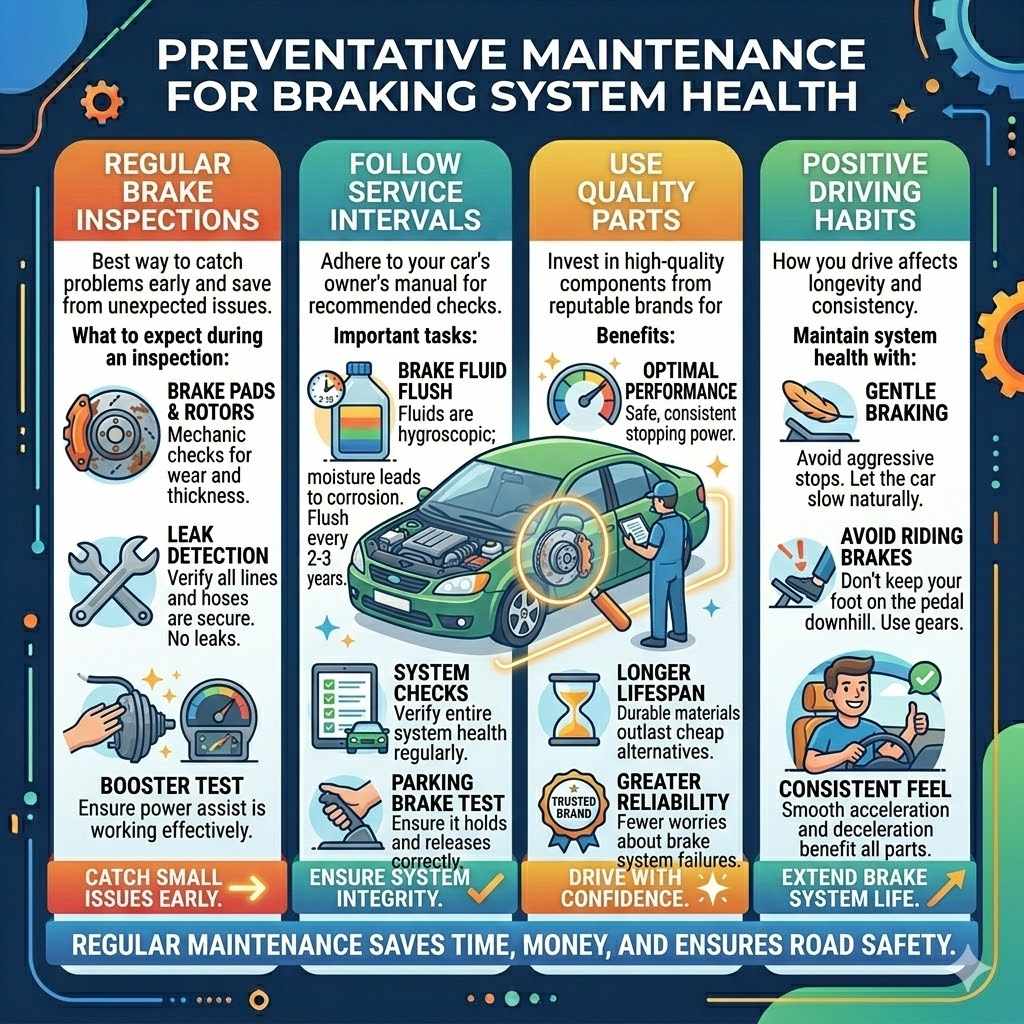
Keeping your braking system in good working order is key to preventing problems like a hard brake pedal. Regular maintenance can save you from unexpected issues and costly repairs. It also ensures your safety on the road.
Regular Brake Inspections
Having your brakes inspected regularly by a qualified mechanic is one of the best ways to catch problems early. This includes checking brake fluid levels, inspecting lines and hoses, and examining all brake components.
During a brake inspection, a mechanic will look for wear on brake pads and rotors, check for leaks, and test the function of the brake booster. Catching a small issue, like a minor leak or a slightly sticky caliper, can prevent it from developing into a major problem that affects the brake pedal feel.
What to Expect During an Inspection
A typical brake inspection involves checking brake pad thickness, rotor condition, brake fluid level and condition, brake line and hose integrity, and brake booster function. Mechanics will also test the parking brake and check for any unusual noises or pedal sensations. Many shops offer free brake inspections.
Following Recommended Service Intervals
Your car’s owner’s manual outlines recommended service intervals for various maintenance tasks, including brake system checks and fluid flushes. Adhering to these schedules is important.
Brake fluid is hygroscopic, meaning it absorbs moisture from the atmosphere. Over time, this moisture can lead to corrosion in the brake system and can lower the boiling point of the fluid. Manufacturers typically recommend flushing and replacing brake fluid every 2 to 3 years.
Ignoring this can lead to a spongy or, in some cases, a hard pedal.
Brake Fluid Flush Frequency
Most manufacturers recommend a brake fluid flush every 2-3 years or every 30,000 miles, whichever comes first. This helps maintain the fluid’s effectiveness and prevents corrosion within the brake system. Using the correct type of brake fluid for your vehicle is also essential.
Using Quality Brake Parts
When it is time to replace brake components, using high-quality parts from reputable brands is important.
Cheap, low-quality brake parts may not function as well or last as long as their higher-quality counterparts. This can lead to premature wear, inconsistent performance, and even safety issues. Investing in good parts ensures your braking system operates reliably and safely.
Benefits of Quality Parts
Using quality brake parts ensures optimal performance, longer lifespan, and greater reliability. This translates to safer driving and fewer worries about brake system failures. For critical components like brake boosters and master cylinders, choosing a trusted brand can make a significant difference in longevity and performance.
Driving Habits
How you drive can also affect the longevity of your braking system.
Aggressive braking, or “riding the brakes” (keeping your foot on the brake pedal longer than necessary, especially downhill), can cause components to overheat and wear out faster. Gentle braking and allowing the car to slow down naturally when possible can extend the life of your brakes and help prevent issues.
Impact of Driving Style
Smooth acceleration and deceleration are beneficial for all vehicle components, including the brakes. Avoiding hard braking situations when possible reduces wear and tear on the brake pads, rotors, and other parts of the system. This can contribute to a more consistent pedal feel over time.
Frequently Asked Questions
Question: What is the most common cause of a hard brake pedal
Answer: The most common cause of a hard brake pedal is a problem with the power brake booster, often due to a vacuum leak or a faulty diaphragm within the booster itself.
Question: Can I fix a hard brake pedal myself
Answer: Some issues, like checking fluid levels or replacing a simple vacuum hose, can be DIY tasks. However, repairs involving the brake booster, master cylinder, or brake lines are often complex and safety-critical, so professional help is recommended for most drivers.
Question: How quickly should I address a hard brake pedal
Answer: A hard brake pedal significantly compromises your ability to stop safely. You should address this issue immediately by having your vehicle inspected by a qualified mechanic as soon as possible.
Question: Will a hard brake pedal affect my car’s stopping distance
Answer: Yes, a hard brake pedal means you have to push much harder to stop, and it may take longer to achieve the desired stopping force. This directly increases your stopping distance, making it dangerous.
Question: Is it safe to drive with a hard brake pedal
Answer: No, it is generally not safe to drive with a hard brake pedal. Reduced braking effectiveness puts you and others at risk. It is best to have the issue diagnosed and repaired before driving the vehicle further.
Summary
Experiencing a hard brake pedal means your car’s ability to stop is seriously compromised. This common issue often stems from a faulty brake booster that amplifies your pedal force. It can also be caused by brake fluid problems, damaged lines, or sticking caliper parts. Checking fluid, inspecting lines, and testing the booster are key diagnostic steps. Repairing these issues, whether it’s replacing a booster or flushing fluid, restores safe braking. Regular checks and maintenance are essential to prevent this problem from happening.
Related pick: Check today's price on Amazon If your car also refuses to start when the pedal feels hard, that points to a shared cause — see car wont start and brake is hard for the full diagnosis.
Products related to this article
Sponsored / affiliate links. As an Amazon Associate I earn from qualifying purchases. I may earn additional commission from eligible campaigns.
 Partsflow Vacuum Power Brake Booster For Chevrolet Silverado 1500 54-74829 | For Chevrolet Silverado 1500 05-06 1500 Classic 07 GMC Sierra 1500 05-06 5.3L 4.3L 4.8L 6.0L without Master
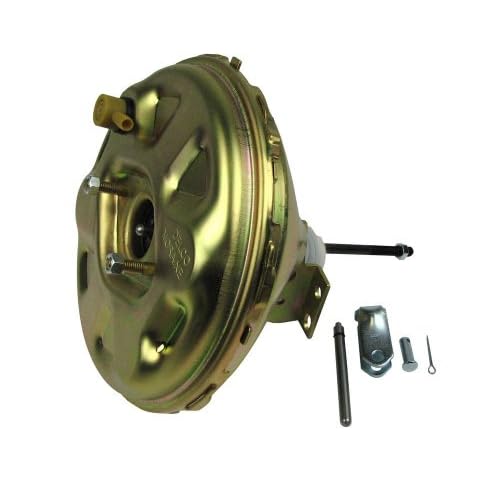 Right Stuff DetailingThe Right Stuff Detailing Right Stuff Detailing RPB1001 11' Delco Style Brake Booster with Stamp